Why Do Implant Treatment Time and Implant Pain Vary? Recovery Standards Seen Through Plasma Implants
Hello.
This is Haru Implant Dental Clinic, helping you begin a comfortable daily life in just one day.
When we conduct consultations for implant treatment, patients may ask different questions, but there are several things they commonly want to know.
How much time should be expected for the implant treatment period after treatment,
how much implant pain they may need to tolerate
during recovery,
and how firmly the fixture placed in the bone
can settle into position.
There is one factor that commonly affects all three of these questions.
It is the process by which the implant bonds with the bone—osseointegration.
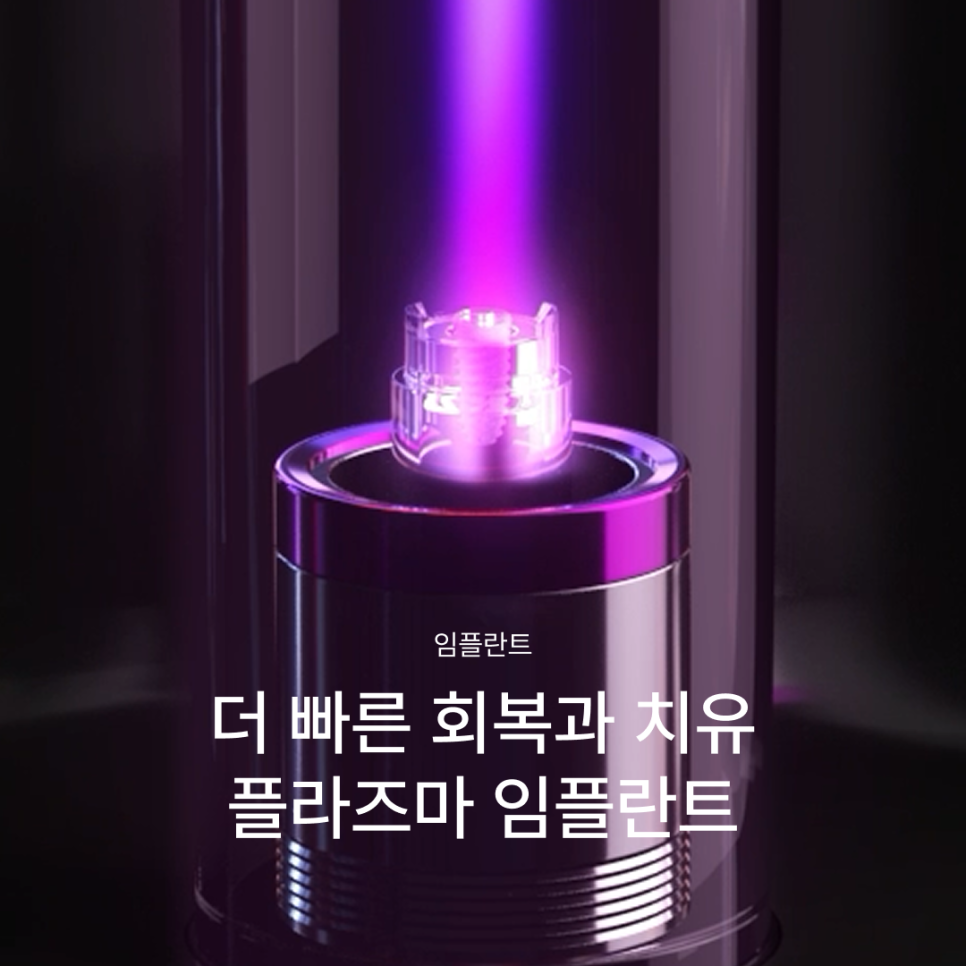
And the technology Haru Implant Dental Clinic has chosen to improve the quality of this osseointegration is plasma.
Plasma is the fourth state of matter, following solids, liquids, and gases.
When sufficient energy is applied to gas molecules, electrons separate and the molecules transition into an ionized state. The surface of the sun and lightning are examples of plasma.
In dentistry, plasma’s cleaning power and surface-activation properties are used to treat implants. The key idea is simple.
Plasma implants begin by changing the implant’s surface environment itself to create conditions that allow it to bond more effectively with bone.

There is one fact that is not widely known.
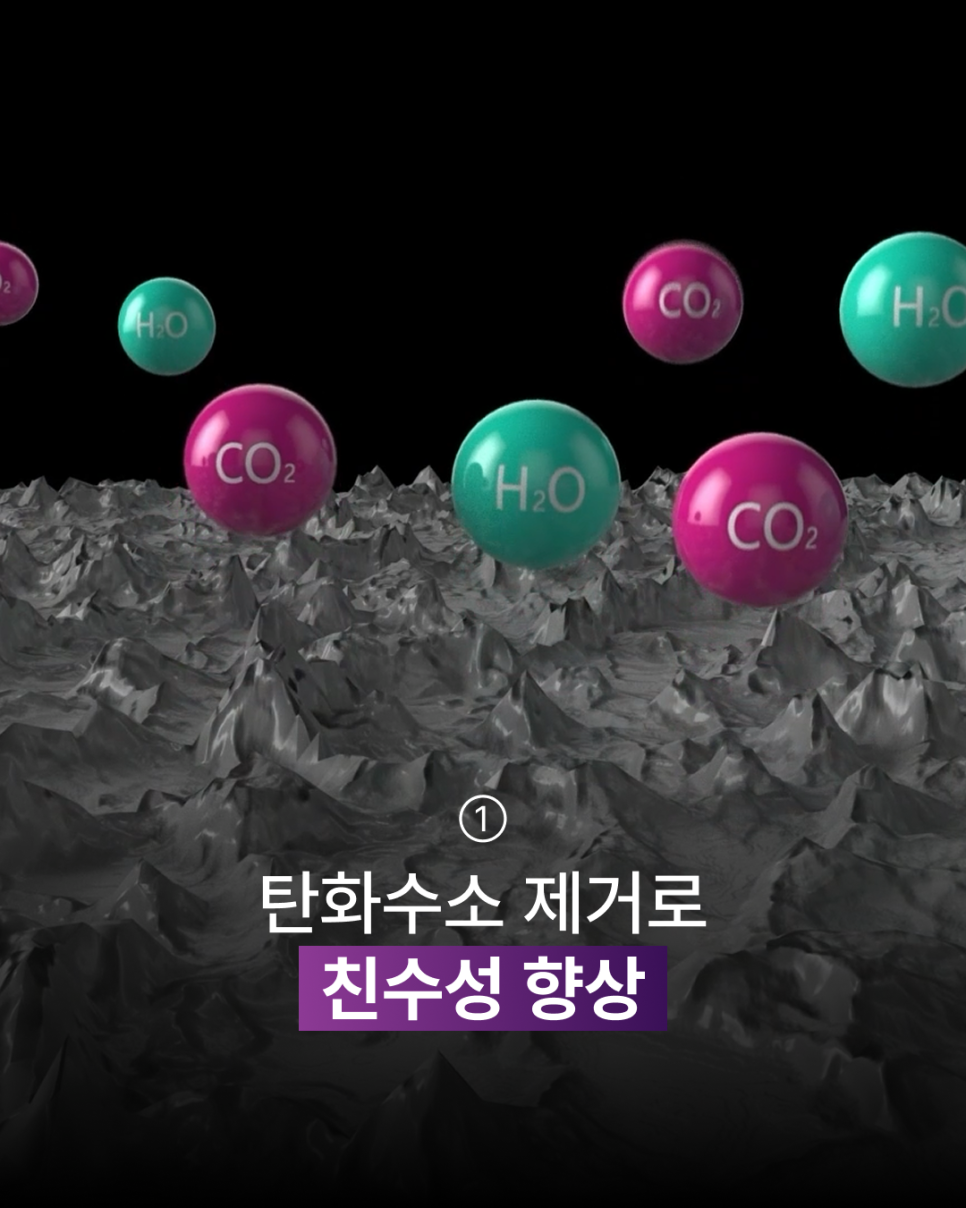
After implants are manufactured, hydrocarbon-based impurities can become adsorbed onto their surfaces during distribution.
This invisible layer of contamination can interfere with the bond between the jawbone and the implant surface—in other words, osseointegration. Plasma implants remove these impurities while also increasing the surface’s hydrophilicity, creating conditions that allow cells and proteins to attach more readily.
If initial fixation is improved and osseointegration occurs more quickly, a shorter implant treatment period may be possible. Since faster recovery and stable placement may be expected, concerns about implant pain may also be reduced.
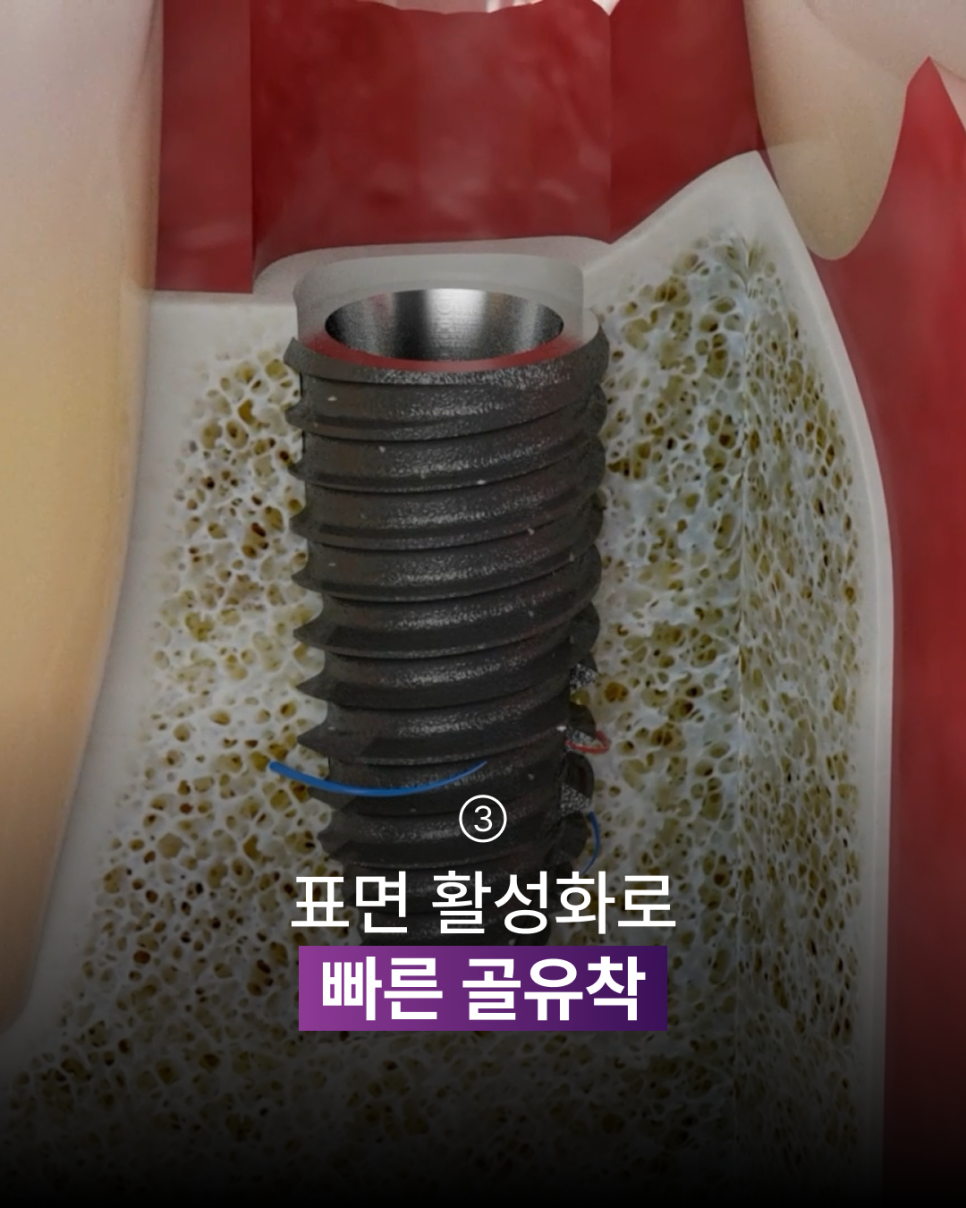
Osseointegration is a variable that determines the overall course of implant treatment.
The timing of the next treatment stage depends on how quickly and firmly the fixture settles into the bone, which also determines the implant treatment period through the placement of the final prosthesis.
How smoothly this process proceeds can also affect the outcome of the treatment as a whole.
If osseointegration is delayed or unstable, implant pain may continue for longer during recovery, and in some cases, the situation may lead to retreatment.
Plasma implants are a technology that improves the initial conditions of this process.
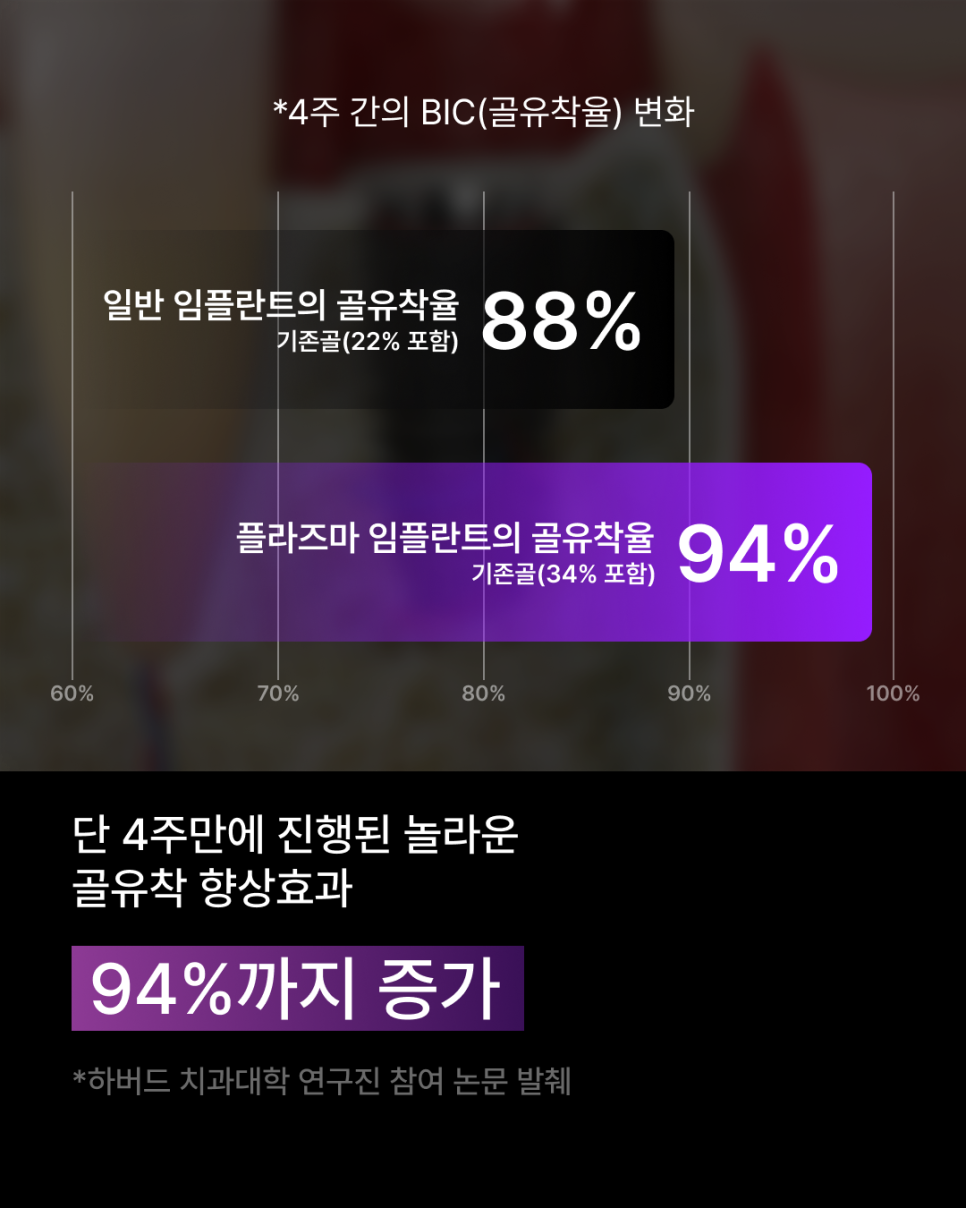
The characteristics of plasma implants have also been demonstrated through actual research data.
Researchers at Harvard School of Dental Medicine published findings showing that plasma-treated implants improve osseointegration. According to the study, implants treated with plasma energy had surface impurities removed and increased hydrophilicity, resulting in improved biocompatibility. After placement, these implants showed reduced bone loss and faster osseointegration, leading to a shorter implant treatment period.
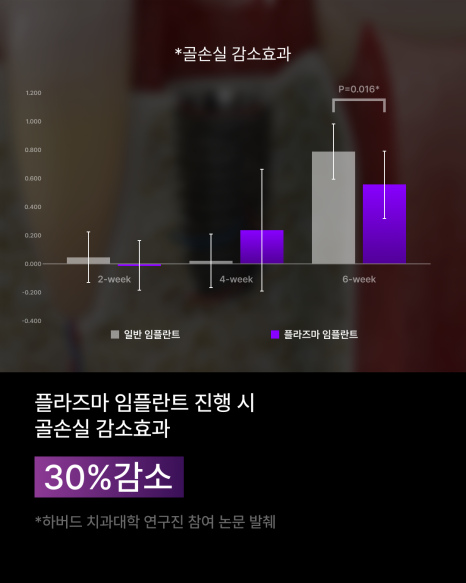
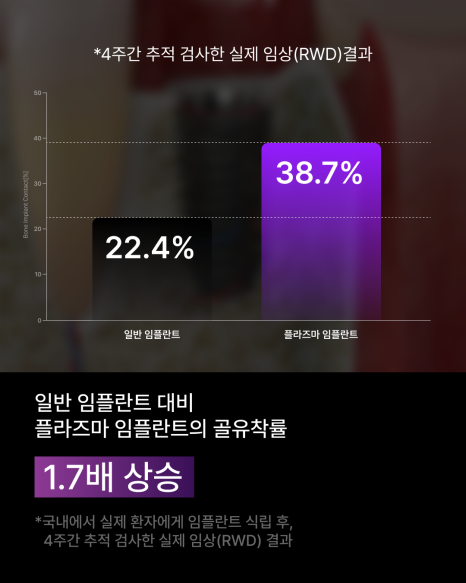
In addition, domestic real-world clinical data (RWD) involving actual patients reported that the osseointegration rate of plasma implants was 1.7 times higher than that of conventional implants. A 30% reduction in bone loss and an improvement in osseointegration of up to 94% were also reported.
As these figures indicate, plasma implants may be suitable for patients who are concerned about the burden of implant pain and hope for rapid recovery and stable placement results.
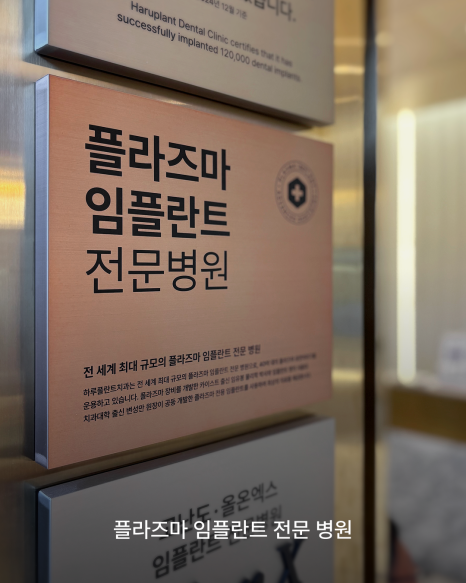
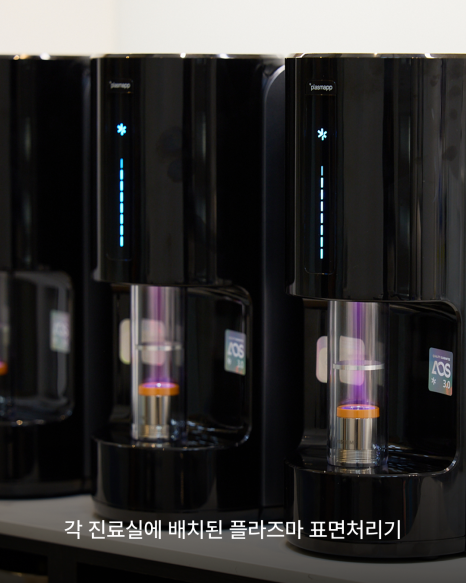
Haru Implant Dental Clinic has designed a specialized plasma clinic system so that this technology can be implemented at the same level during every treatment, rather than being used only occasionally.
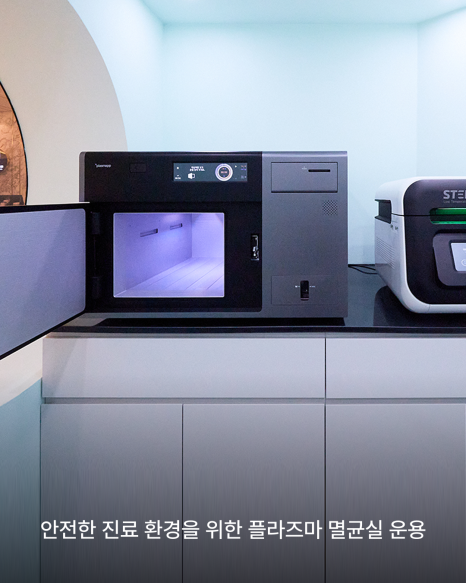
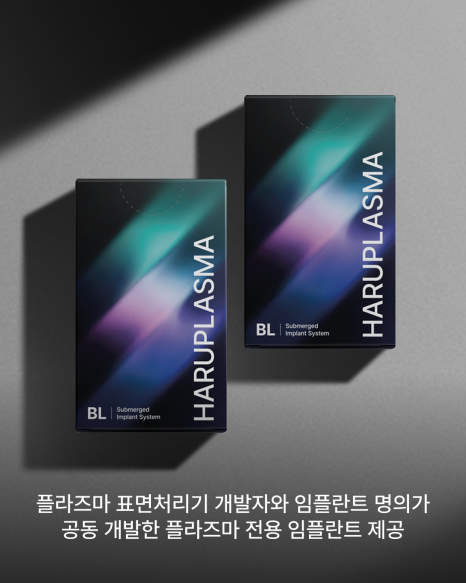
Three to four of the 40 plasma surface-treatment devices are placed in each treatment room. A separate plasma sterilization room is also operated, where even precision instruments are managed within a low-temperature sterilization system.
In addition, the clinic has jointly developed and applies implants dedicated to plasma treatment.
The surface-treatment system, sterilization system, and dedicated fixtures—
these three components are connected as one integrated process, which is a defining feature of Haru Implant Dental Clinic.
Haru Implant Dental Clinic goes beyond simply possessing the equipment.
The clinic continuously considers how to make the best use of its advantages and achieve the desired results in every treatment.
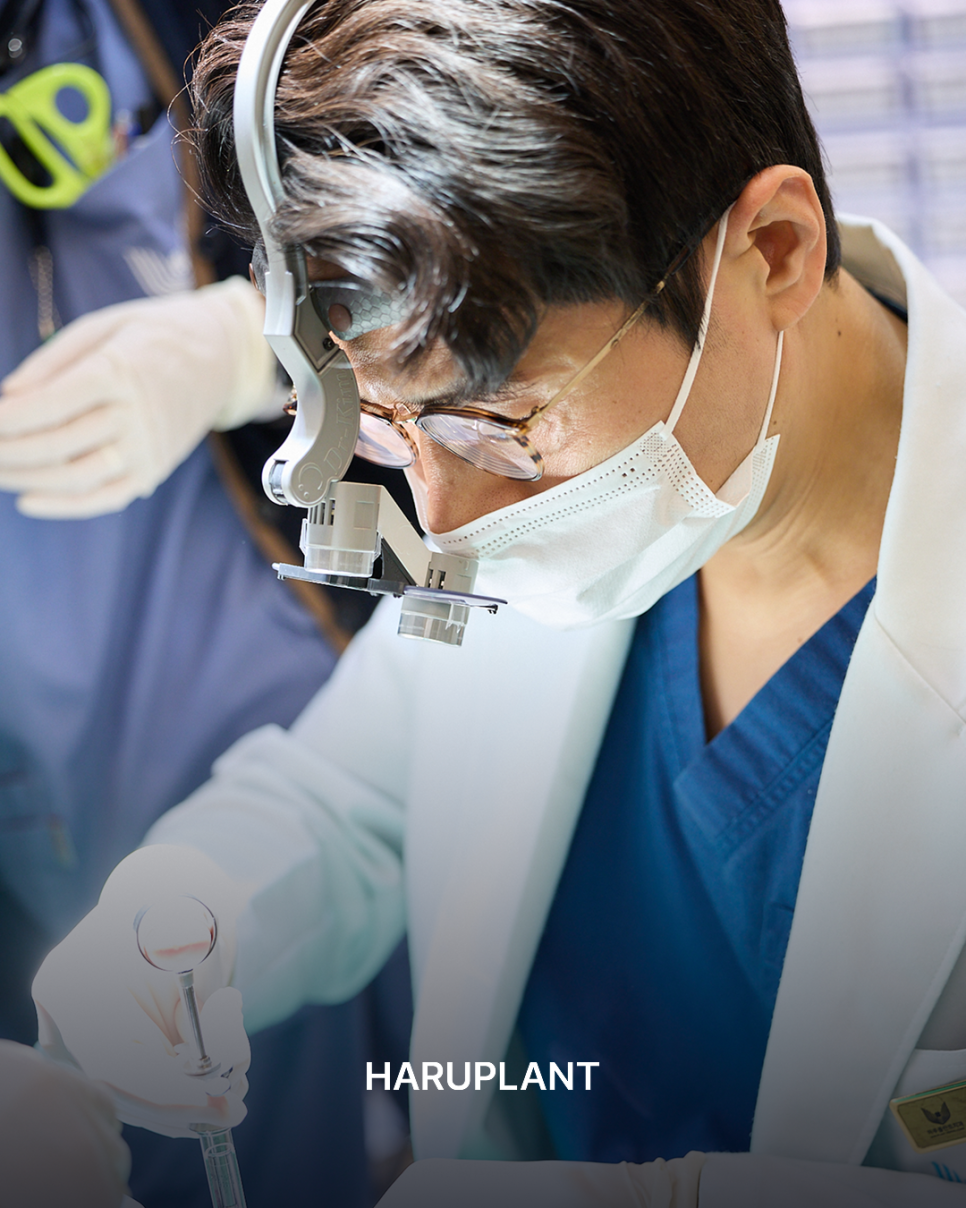
The completion of implant treatment does not occur at the moment the surgery ends.
It can be considered the entire process—from the fixture forming a firm bond with the bone, through placement of the abutment and prosthesis, to the restoration of actual chewing function.
During this process, how much the implant treatment period is shortened and how much the burden of implant pain is reduced determine the quality of treatment as experienced by patients.
This is precisely why Haru Implant Dental Clinic has established and consistently maintained its plasma implant system.
More stable recovery and results that can be used for longer.
These are the standards Haru Implant Dental Clinic consistently pursues in implant treatment.
For implants, visit Haru Implant Dental Clinic at Gangnam Station.
This post was prepared as medical information/advertising for Haru Implant Dental Clinic in compliance with Article 56 of the Medical Service Act and the Enforcement Decree of the same Act.
Treatment results may vary from person to person, and side effects such as bleeding and inflammation may occur after treatment. Please consult sufficiently with your medical team to confirm the precautions.