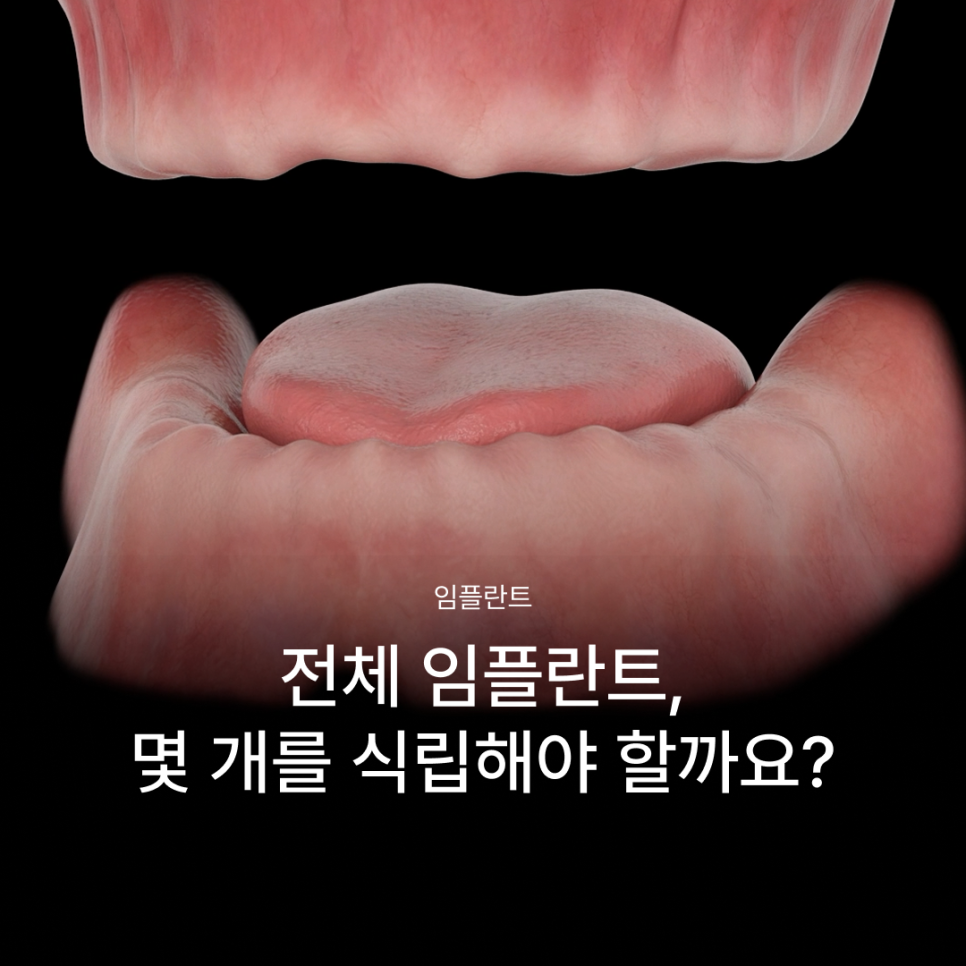
How Many Implants Are Needed for Full-Mouth Implant Treatment? The Type and Cost of Full-Arch Implants Vary Depending on the Number That Suits You
Hello!
This is 하루플란트치과, helping you begin each day with a comfortable routine.
There is one question that many people who visit us to learn about full-mouth implants commonly ask:
How many implants do I need?
Many people want to know whether implants must be placed for every missing tooth or whether fewer implants can be used.
In fact, the number of implants is related to the cost of full-mouth implant treatment, as well as the treatment period and scope, so this is a natural question to have.
From the patient’s perspective, it is also natural to think that, since all the teeth have been lost, implants must be placed for every missing tooth.
Today, we would like to discuss the number of implants used in full-mouth implant treatment in the hope that this information will be helpful to those who have had questions about it.
How many implants are needed for full-mouth implant treatment?
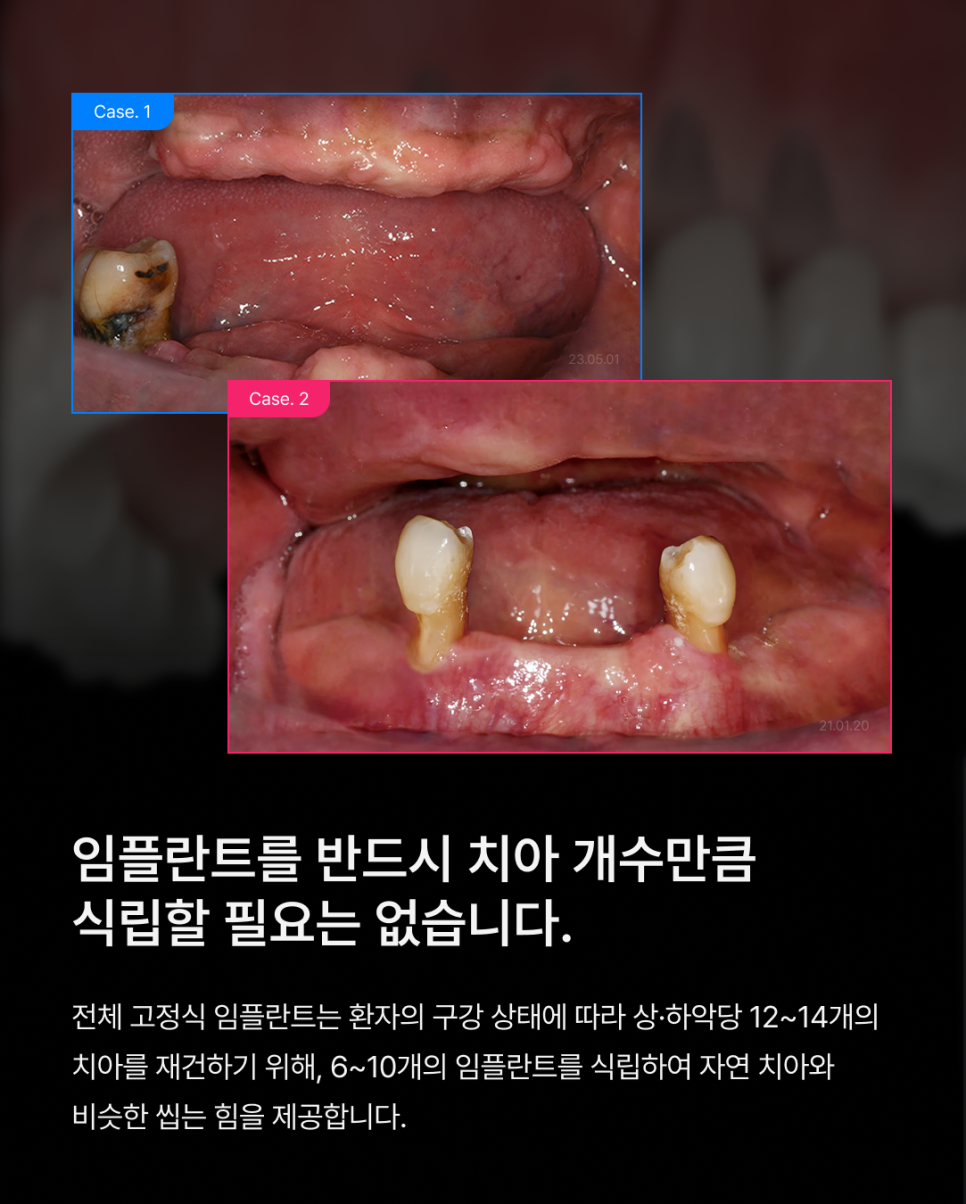
To give you the conclusion first, full-arch implant treatment does not require placing as many implants as the number of natural teeth that were lost in the past.
Full-mouth implants, also called full-arch implants, reconstruct the entire set of teeth by placing 6–10 implants in each jaw and connecting 12–14 artificial teeth.
This is because the angle and direction of the implant fixtures—the components corresponding to the roots of artificial teeth—are precisely calculated before being strategically positioned in the gums.
This allows the chewing forces placed on the prosthesis to be distributed evenly rather than concentrated in a particular area.
The jawbone is an important factor here. Because the fixtures are placed directly into the jawbone, the positions and number of implants that can be placed vary depending on the bone density and volume.
The actual number of implants needed for full-mouth treatment is determined not by the number of teeth, but by the condition and structure of the jawbone that will support the implants.
In other words, when the structure and condition of the jawbone differ, the scope of reconstruction and the treatment method also change.
At 하루플란트치과, we first examine the condition of the jawbone in detail and then select the approach that best suits the patient: reconstruction of 12 teeth or reconstruction of 14 teeth.
What is the difference between 12-tooth and 14-tooth reconstruction?
The upper and lower jaws each contain 14 teeth. Full-arch implant treatment can be broadly divided into two types depending on how many teeth are reconstructed in each jaw.
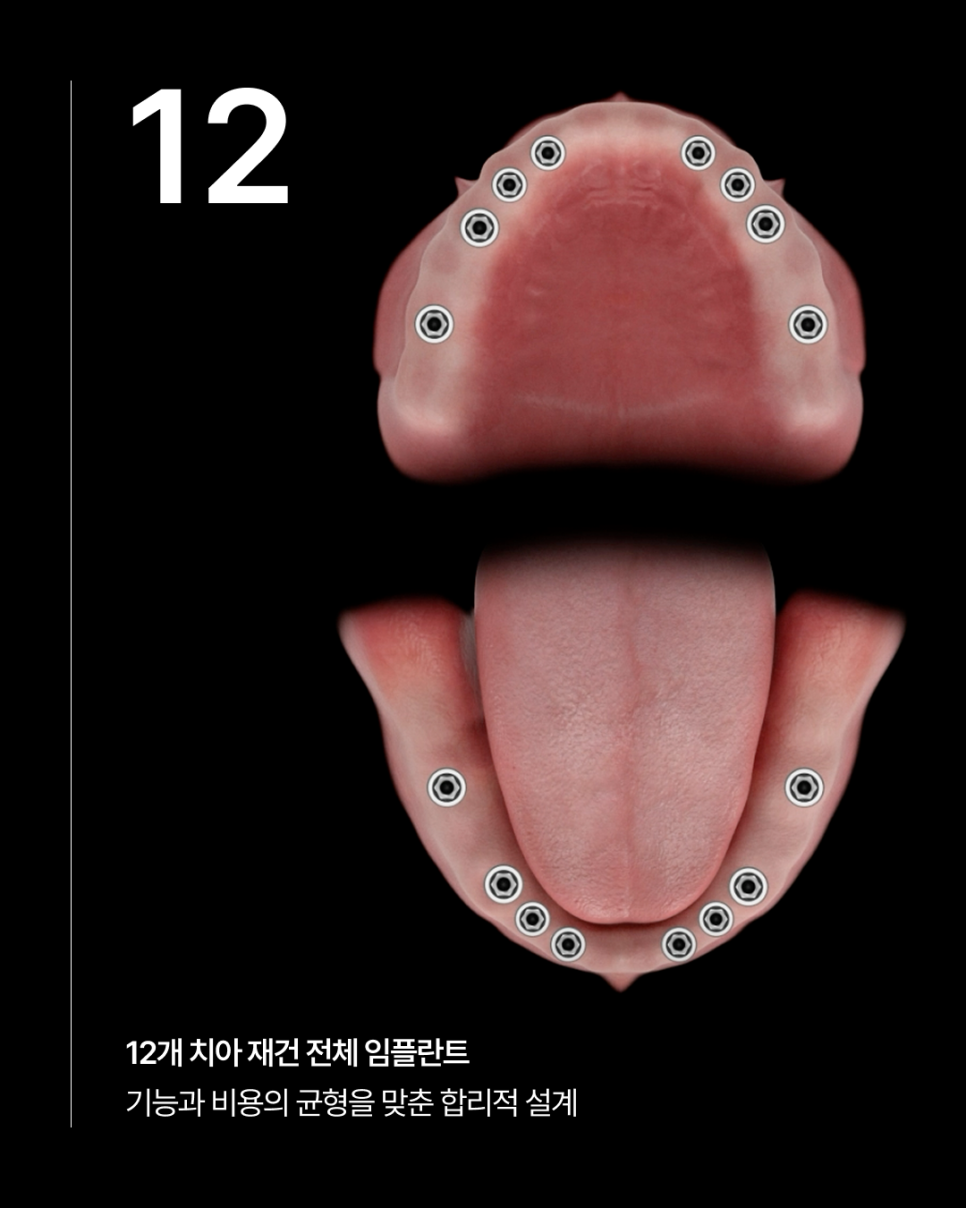
One type of full-mouth implant treatment, 12-tooth reconstruction, restores the teeth from the front teeth through the first molars.
This design provides basic chewing function and aesthetics while reducing the treatment period and financial burden.
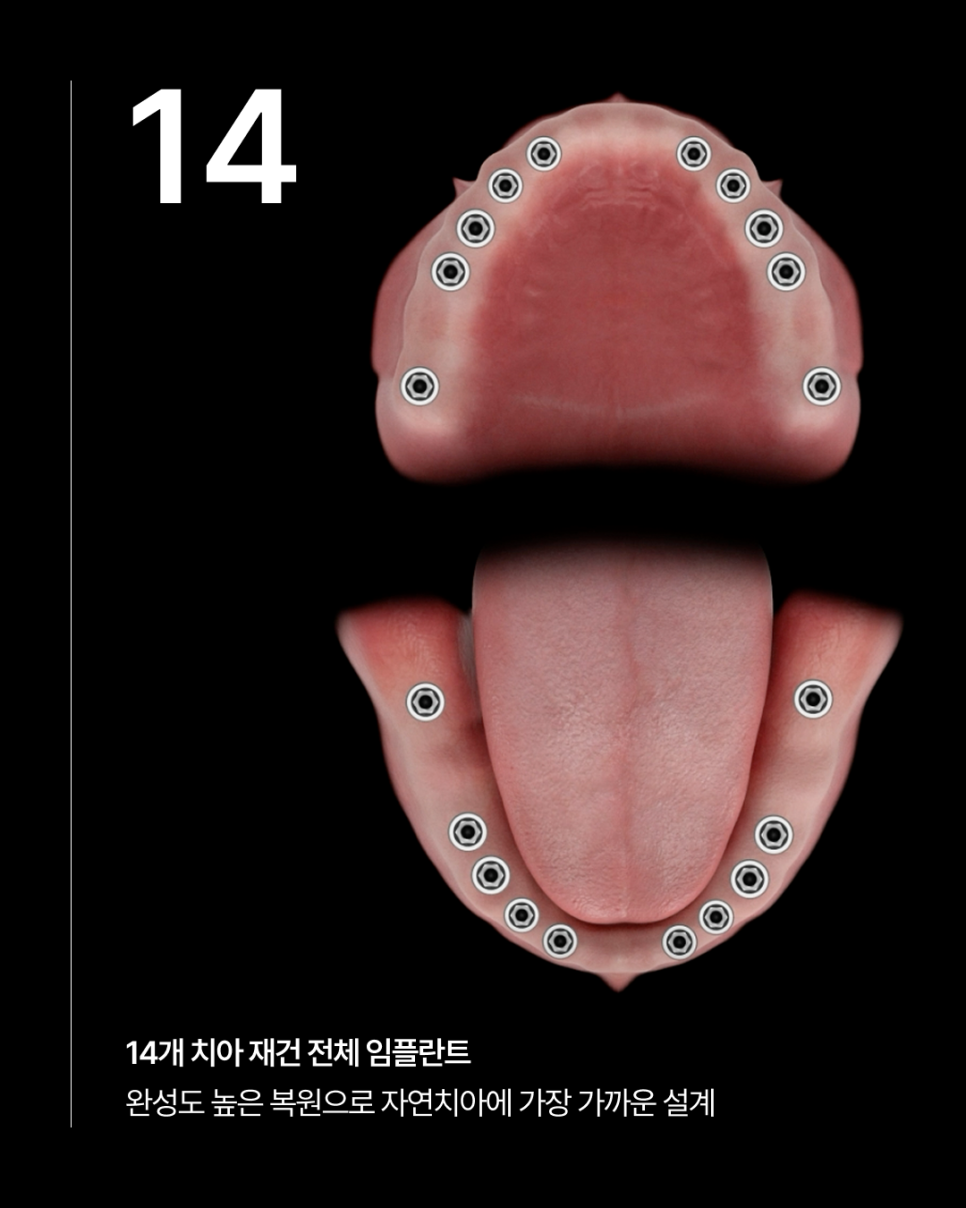
Fourteen-tooth reconstruction is a type of implant treatment that restores the entire dentition, including the second molars.
It allows you to eat hard foods such as meat and nuts without difficulty and can restore a natural smile line with teeth extending to the corners of the mouth.
Because the scope of tooth reconstruction changes, the number of implants placed, the extent of prosthesis fabrication, and the treatment period all differ. As a result, the cost of full-mouth implant treatment may also vary.
Which type is right for me?
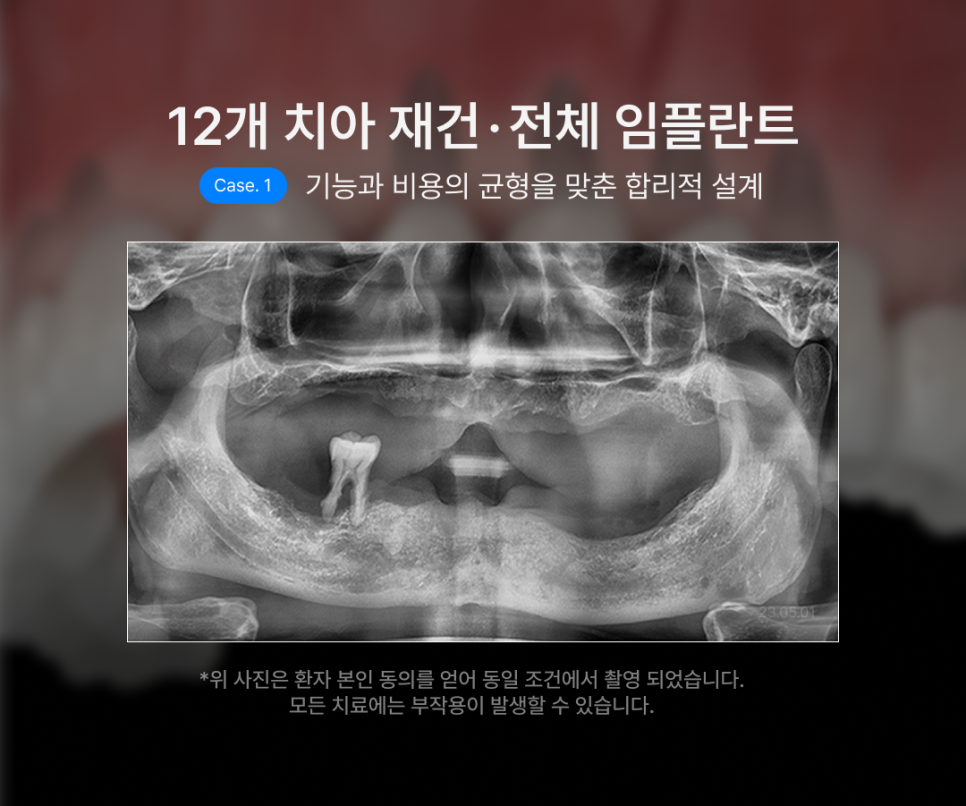
Even with the same full-arch implant treatment, the appropriate type of implant may vary depending on the condition of the jawbone, budget, and lifestyle.
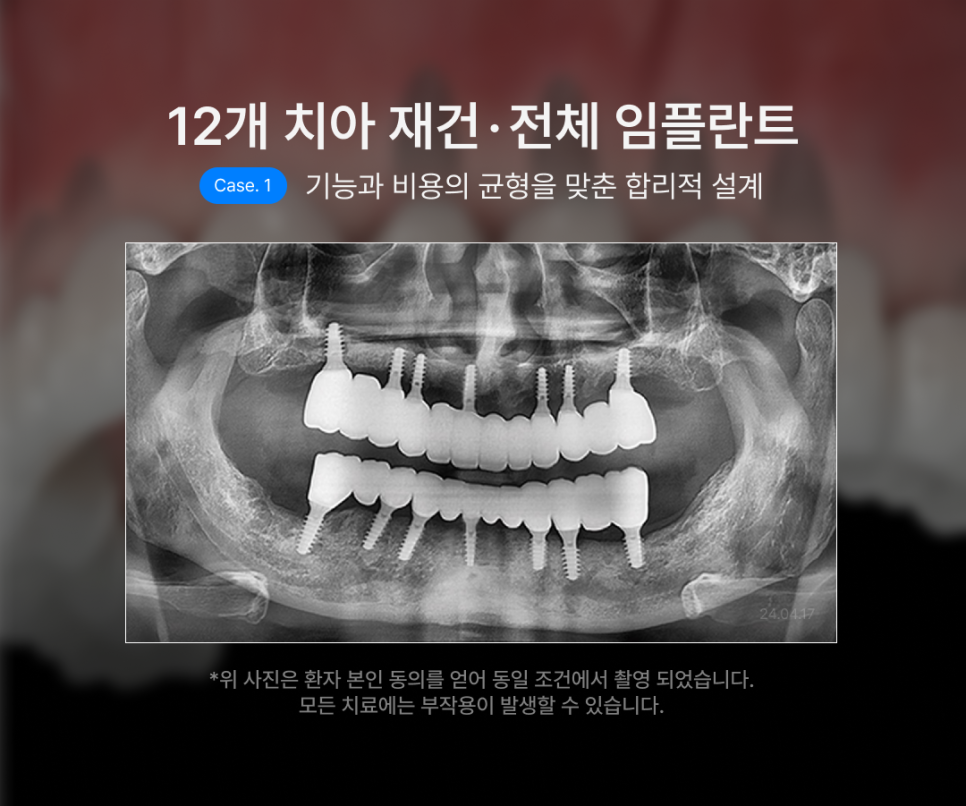
If the priority is the cost and recovery time of full-mouth implant treatment, 12-tooth reconstruction may be a practical choice. If the priority is strong chewing power that is as close as possible to that of natural teeth and refined aesthetics, 14-tooth reconstruction may be more suitable.
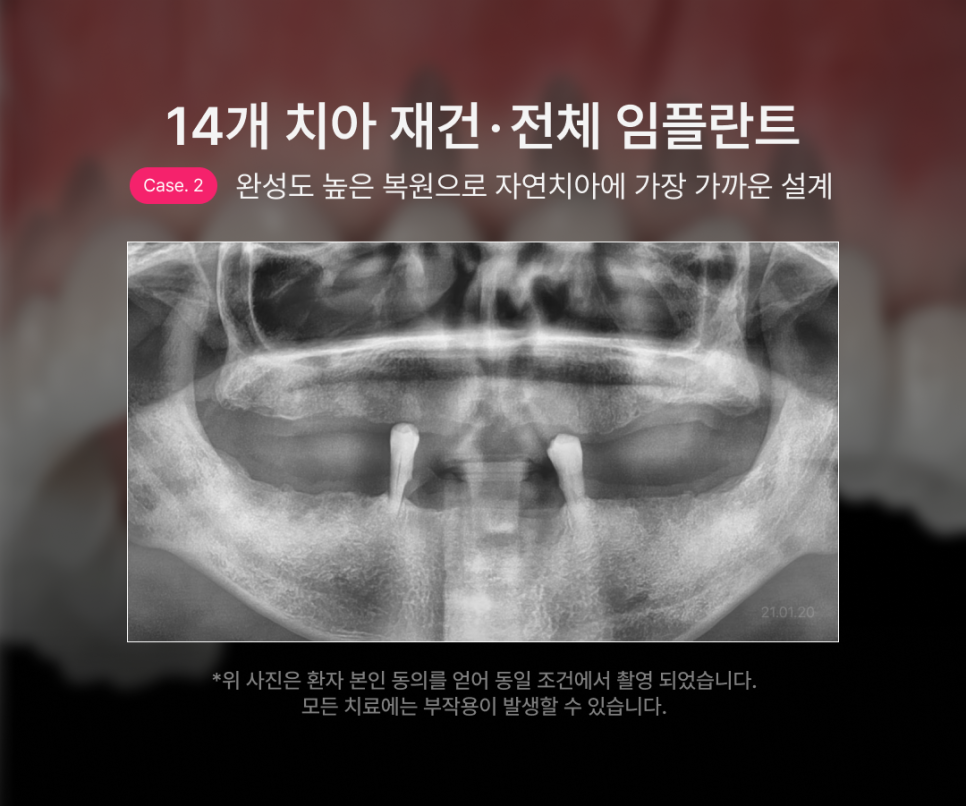
However, the number of implants to be placed and the structure in which they will be designed can only be determined after directly examining the condition of the mouth.
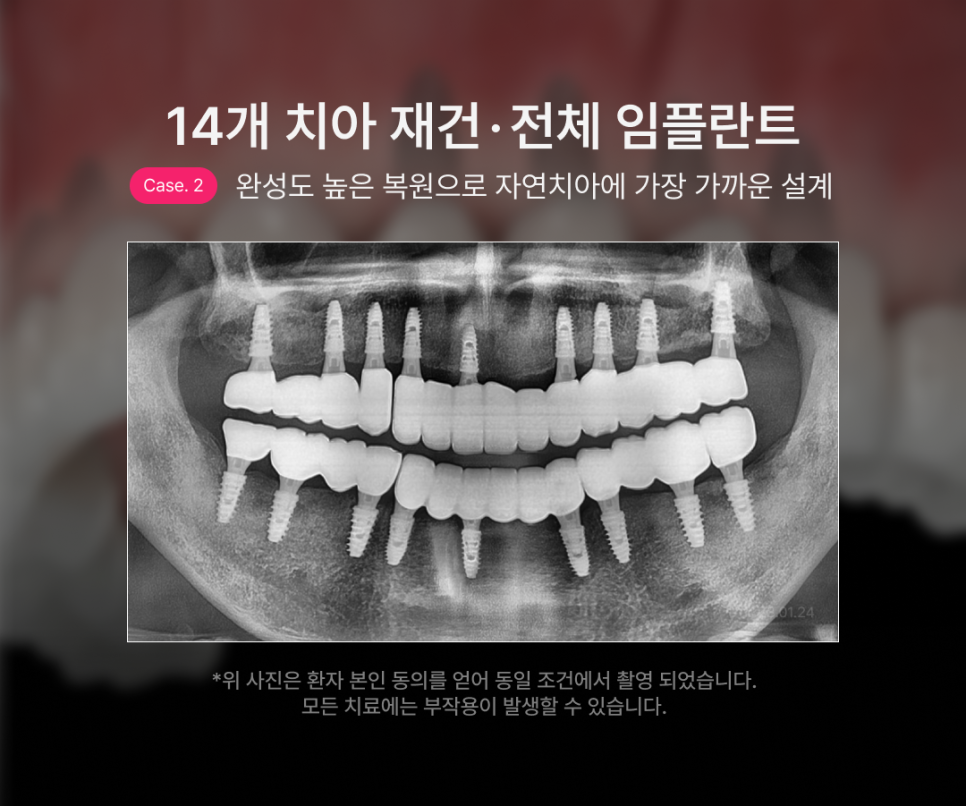
This is why a detailed diagnosis is the starting point for treatment planning.
Even if I want 14-tooth reconstruction through full-arch implant treatment, it may be necessary to proceed with 12-tooth reconstruction depending on the condition of the gums.
Conversely, even if it is initially determined that only 12-tooth reconstruction is possible, a detailed diagnosis may confirm the possibility of restoring up to 14 teeth.
This is why 하루플란트치과 aims to establish a state-of-the-art, highest-specification digital diagnostic system in order to develop treatment plans that are better suited to each patient.
하루플란트치과’s
Full-Mouth Implant Diagnosis and Prosthesis Fabrication Process
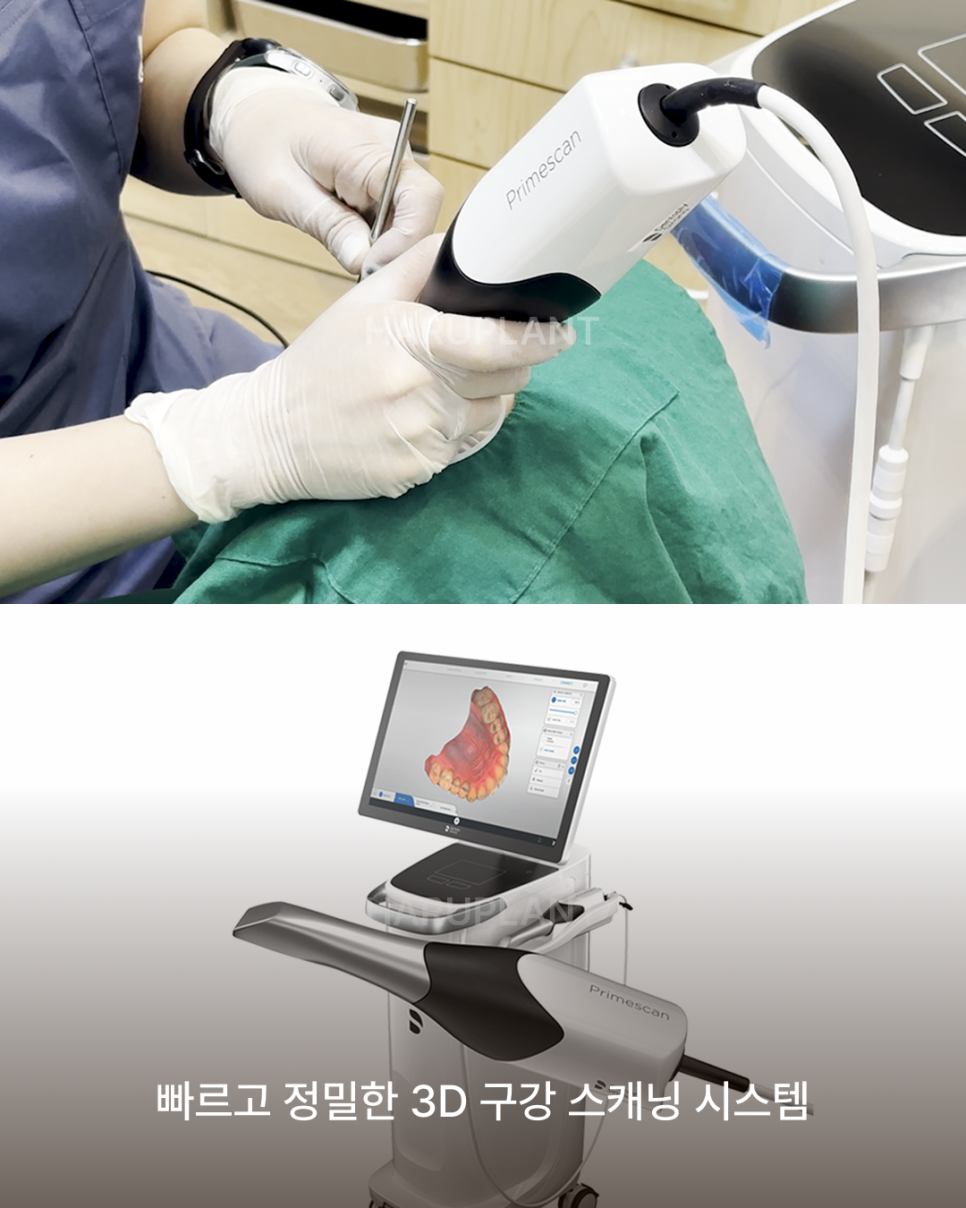
For full-arch, full-jaw, and full-mouth implant treatment, 하루플란트치과 uses advanced digital diagnostic equipment, including 3D CT, a 3D intraoral scanner, and a facial scanner, to thoroughly scan the density and volume of the jawbone and the occlusal structure.
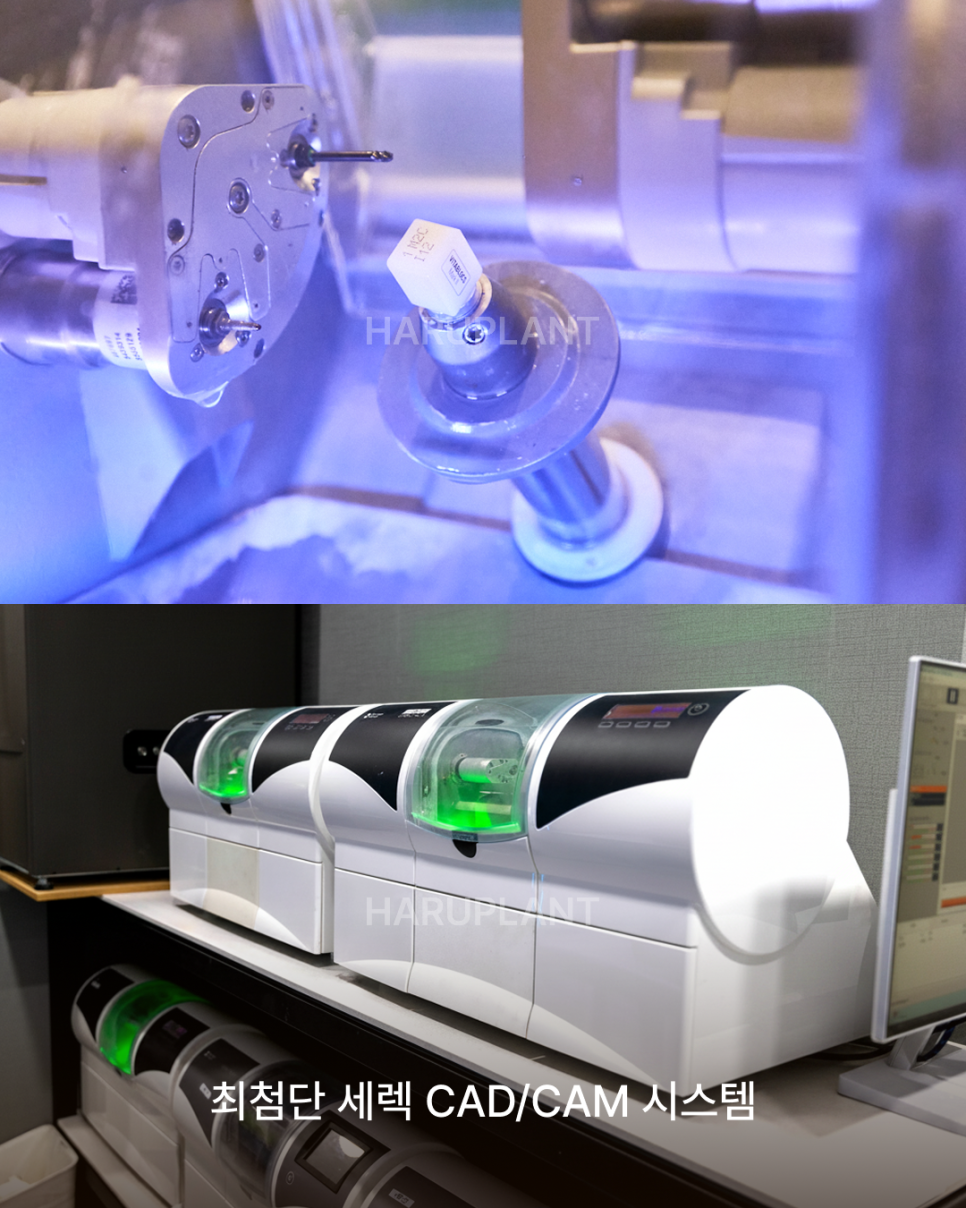
In addition, based on three-dimensional oral data obtained through a CAD/CAM system, our dental professionals design a customized surgical plan for each patient.
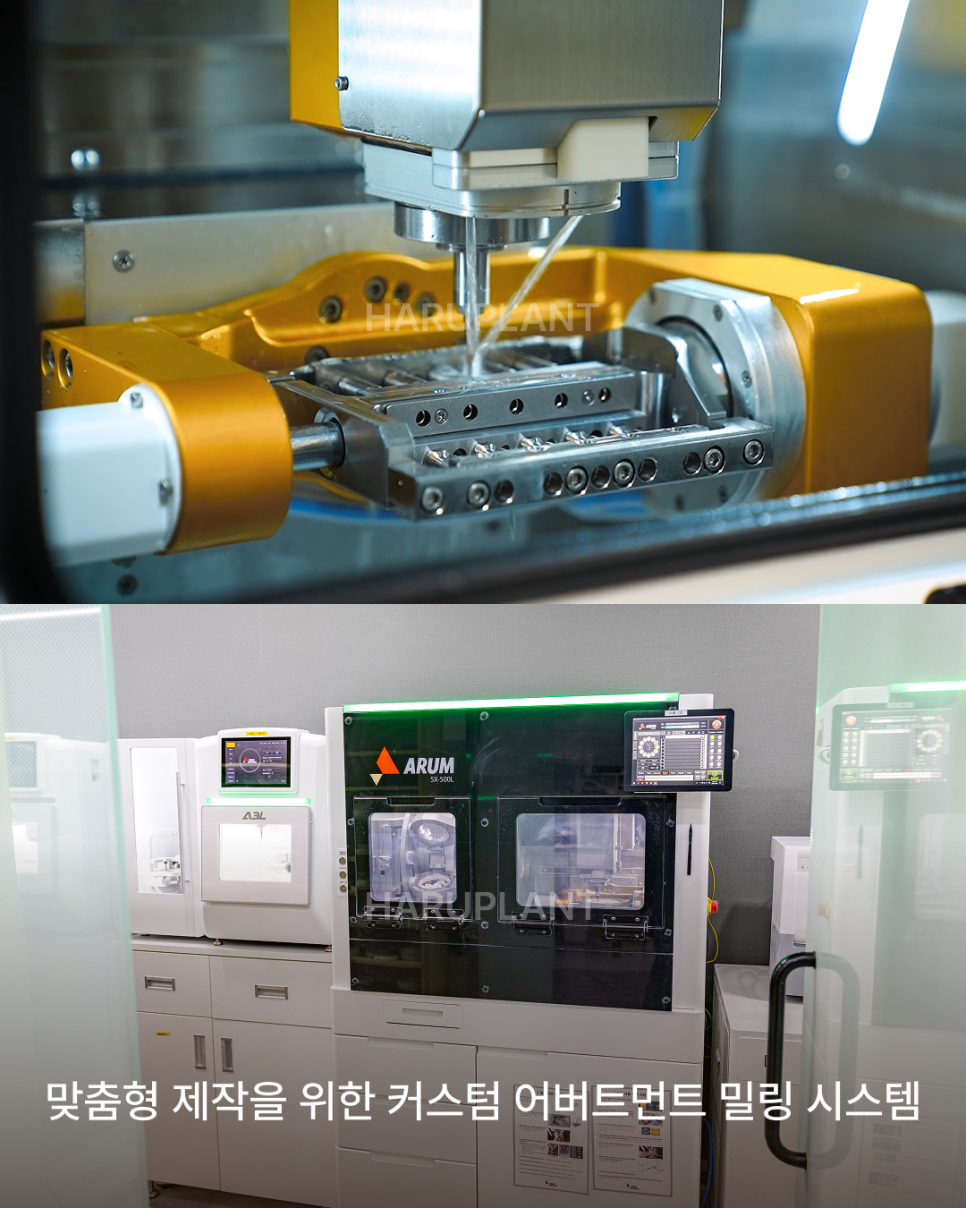
Located on the 14th floor of 하루플란트치과,
Haru Implant Digital Dental Laboratory directly fabricates customized prostheses and abutments based on each patient’s oral data.
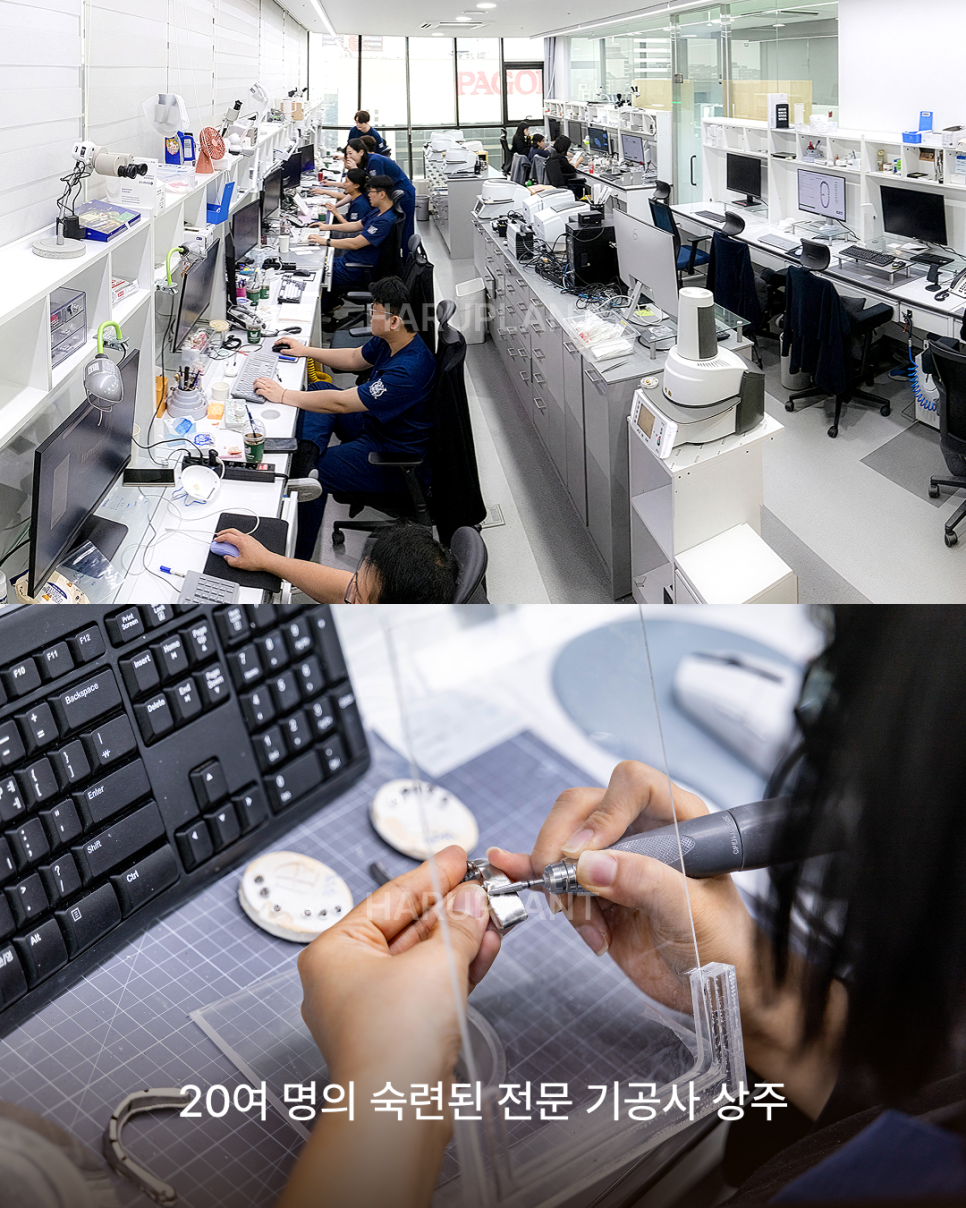
Because the entire process, from diagnosis to prosthesis fabrication, is handled internally through an in-house laboratory rather than being outsourced to an external laboratory, the surgical plan can be implemented in the prosthesis with minimal discrepancy.
The clinic also has a system capable of fabricating prostheses on the same day, reducing unnecessary procedures and shortening the duration and number of visits.
Because the treatment plan varies depending on the type of implants and their placement structure, establishing an environment for precise diagnosis is a fundamental principle of 하루플란트치과.
For full-mouth implants, visit 하루플란트치과 at Gangnam Station.
This post was prepared as medical information and advertising for 하루플란트치과 in compliance with Article 56 of the Medical Service Act and the Enforcement Decree of the same Act.
Treatment results may vary from person to person, and side effects such as bleeding and inflammation may occur after treatment. Please consult sufficiently with your dental professionals to confirm the precautions.