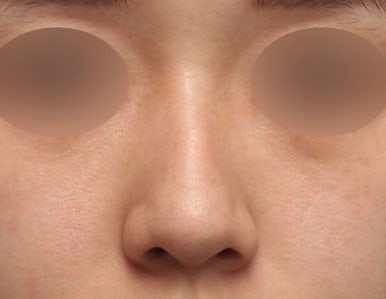
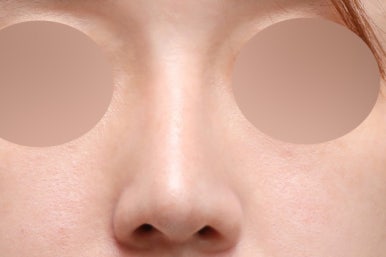
Even when viewed from the front, the nose is visibly crooked,
and if the hump stands out from the side, taking photos can feel burdensome.
If you have a hump nose,
whether it is congenital, or you experienced a fight or a bump when you were young,
you may start looking into correction methods for a hump nose.
Because many hump noses also tend to have a naturally high bridge,
rather than surgery that raises the bridge even more, many people want a line that is adjusted to harmonize with their face.
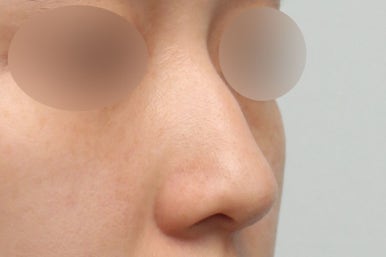
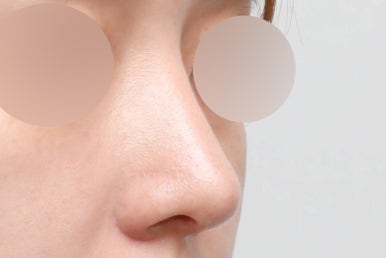
Before surgery, the face can also look longer, and even when you are not smiling, the hump may stand out in profile.
For that reason, if the nose looks long, the overall facial impression can also seem a bit stronger.
If you already have a high bridge, there are also correction methods for a hump nose that do not involve inserting an implant.
That method is surgery performed without an implant.
Non-implant rhinoplasty is performed only with your own tissue, without an implant.
Autologous cartilage includes ear cartilage, septal cartilage, rib cartilage, and autologous dermal fat.
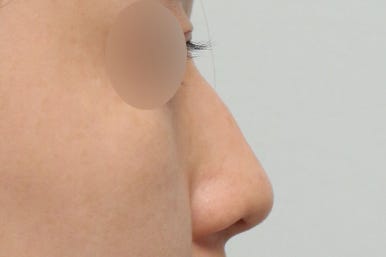
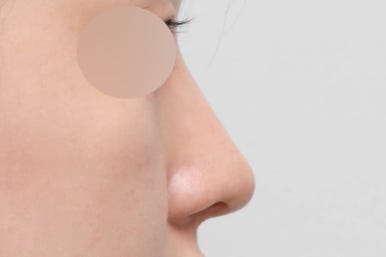
It is important not only that your personal aesthetic standards match the director’s well,
but also that your skin thickness, nose shape, and overall facial proportions are taken into account in order to achieve a successful surgery.
Correction methods for a hump nose are appropriate during vacation periods like the present.
You can return to daily life quickly, and as time passes, the major swelling goes down and even the minor swelling subsides,
the line becomes more beautiful.
So, we have looked into correction methods for a hump nose.
Hump nose correction is a procedure that changes the impression or overall mood and balances the existing face, rather than creating a major change to the face.
If you have concerns about your appearance because of a hump,
I recommend consulting a specialist with extensive clinical experience.
#NonImplantRhinoplasty #HumpNoseCorrectionMethod #NonImplantNoseSurgery #HumpNoseSurgery #SiliconeSideEffects