Hello?
The start of natural beauty,
365 days of medical care
is 'Bellevue Clinic.'
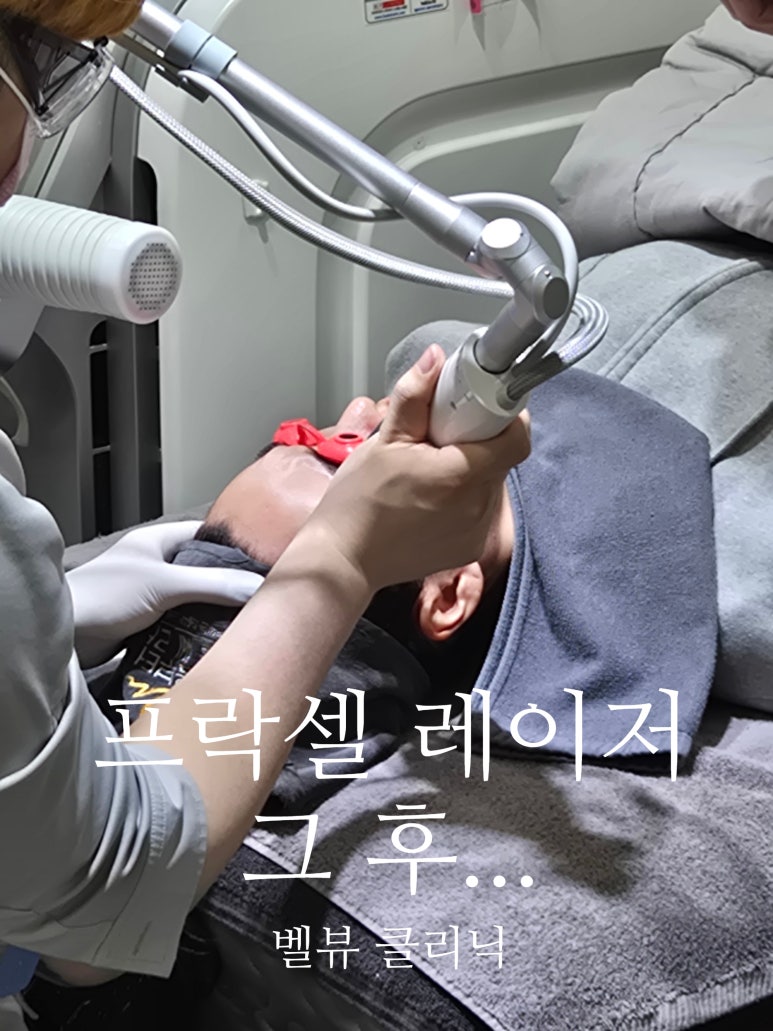
🔥 The Science of Skin Reactions After Fraxel Laser 🔥
The secret behind redness, itching, dryness, and excess oil
Skin reactions after Fraxel laser: about redness, itching, dryness, and excess oil
Fraxel laser is a versatile procedure, from acne scar treatment to wrinkle improvement, but patients often complain that “their skin feels hot and itchy after the procedure” or “it’s dry, but oil is exploding.” These phenomena are not simple side effects, but essential processes of skin regeneration. From the principles of dermatology to care methods, today we’ll take a deep dive into everything about the four major symptoms that occur after Fraxel!
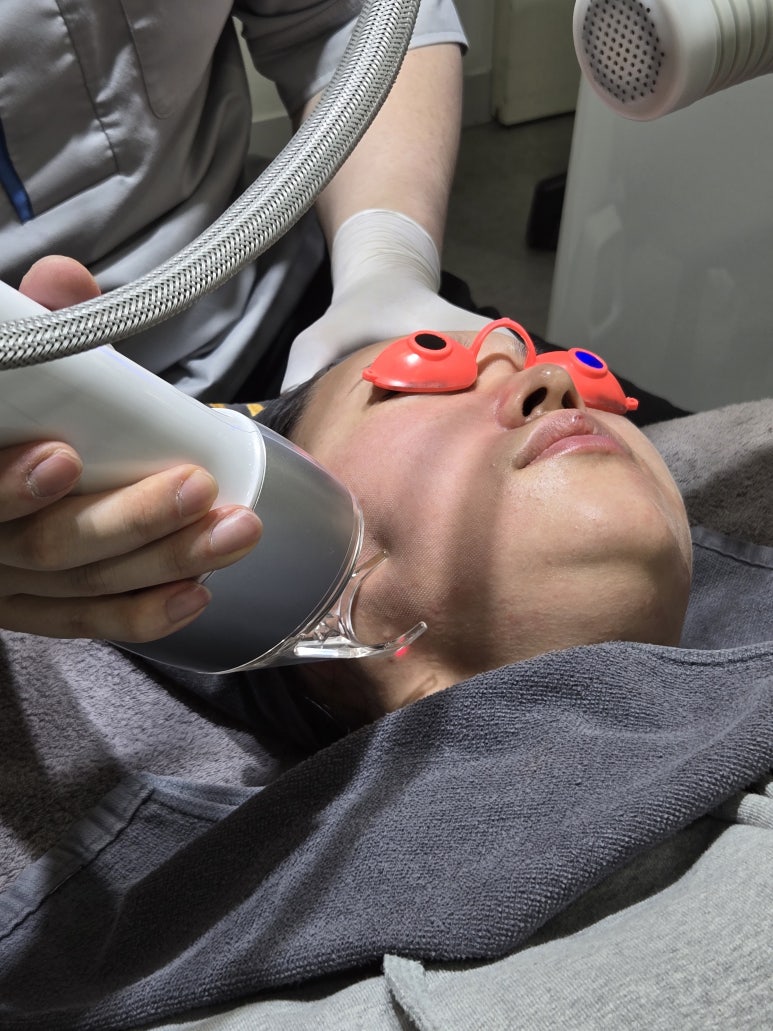
Redness & itching: SOS signals sent by the skin
The microthermal zones (MTZs) created by Fraxel laser make 2,000 to 3,000 tiny holes in the skin and cause thermal damage. The biological response that occurs at this time is the massive secretion of heat shock proteins (HSPs).
▷ Three-stage mechanism of redness
-
Vasodilation: inflammation caused by heat → histamine release → increased vascular permeability
-
Cellular reorganization: accumulation of metabolic byproducts generated during fibroblast activation
-
Nerve sensitization: exposure of damaged epidermis → overactivation of C fibers (pain nerves) → itching
💡 Pain scale:
Days 1–3: Burning heat sensation (residual thermal damage)
Days 4–7: Tingly itching (regeneration signal transmission)
Week 2: Slight stinging (restructuring of nerve endings)
Dryness & oil explosion: the skin’s paradoxical defense mechanism
The coexistence of dryness and oiliness right after Fraxel starts with the breakdown of the skin barrier.
▷ Causes of dryness
-
More than 50% loss of the stratum corneum: the laser removes the 20μm-thick stratum corneum → TEWL (transepidermal water loss) increases by 300%3
-
Decrease in ceramides: 70% of barrier lipids are denatured by heat → water retention drops sharply
▷ The hidden mechanism behind excess oil
-
Compensatory mechanism: sebaceous glands speed up sebum secretion to prevent dryness
-
Oxidation reaction: free fatty acids generated by thermal damage → cause clogged pores
-
pH imbalance: epidermal pH rises from 4.5 to 7.0 → promotes the growth of Malassezia
📊 Oil change graph
D+1 to 3: Sebum secretion decreases by 30% (temporary paralysis of the sebaceous glands due to heat)
D+4 to 14: Sebum secretion surges by 200% (rebound hypersecretion)
D+21: Returns to normal levels3
Bellevue tells you the best 5-step strategy for rapid recovery~!
STEP 1. Cooling
-
How to use an ice pack: immediately after the procedure, apply a cold compress for 10 minutes, then rest for 20 minutes, repeating the cycle (to maintain the vasoconstriction → vasodilation cycle)4
-
Prohibited actions: direct contact with ice (risk of frostbite), toner containing alcohol
STEP 2. Restore the skin barrier
-
Ceramide 3:1:1 ratio: a product combining ceramide III 3% + cholesterol 1% + free fatty acids 1%
-
Occlusive bandage effect: seal the microthermal zone area with a bandage → improves regeneration speed by 40% (clinically verified)
STEP 3. Oil control
-
Clay mask: apply for 5 minutes twice a week starting 3 days after the procedure (kaolin 5% + zinc oxide 2%)
-
Salicylic acid pad: clean up pore openings with a product that maintains pH 3.5 (0.5% concentration recommended)
STEP 4. Nutrient supply
-
Oral intake: omega-3 (EPA 1,000 mg/day) + zinc (15 mg/day) → inflammation control
-
Topical use: a compounded formulation of panthenol 5% + niacinamide 4%
STEP 5. Skin care like investment management
-
D+1 to 3: non-irritating cleansing oil → mineral water spray → soothing cream
-
D+4 to 7: low-molecular hyaluronic acid serum → vegan oil blending
-
D+8 to 14: sunscreen that helps prevent dead skin from sticking together (SPF50+ PA++++ microparticle type)
Attention! Seven high-risk groups
1️⃣ Allergy-prone: carriers of the histamine secretion gene (HRH1) variant
2️⃣ Barrier-weak type: stratum corneum <15μm, TEWL >25g/m²h
3️⃣ Seborrheic skin: positive reaction to Malassezia antibodies
4️⃣ Hormonal imbalance: patients with polycystic ovary syndrome (PCOS)
5️⃣ History of hyperpigmentation: two or more occurrences of PIH
6️⃣ Anticoagulant users: long-term use of aspirin, warfarin
7️⃣ Extremely dry skin: body moisture content <30%
📌 Groups requiring special care:
Blistering within 24 hours after laser treatment → possible second-degree burn
Symptoms lasting more than 3 weeks → evaluation for contact dermatitis/bacterial infection needed
Golden rules to prevent symptom worsening
❌ Prohibited list:
-
Using an oil-balancing toner within 72 hours after the procedure
-
Exfoliants (products with fermented acids above 5%)
-
High-concentration vitamin C (10% or higher)
⭕ Essential checks:
-
Cleansing water temperature: maintain 33±1℃ (hinoki water recommended)
-
Sleeping position: use a 30-degree inclined pillow (to reduce swelling)
-
Exercise timing: start light yoga 5 days after the procedure
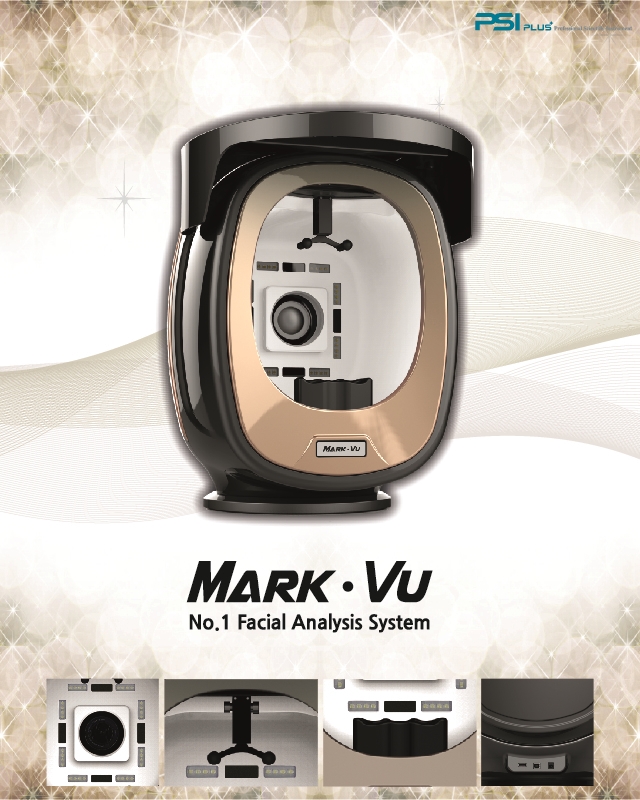
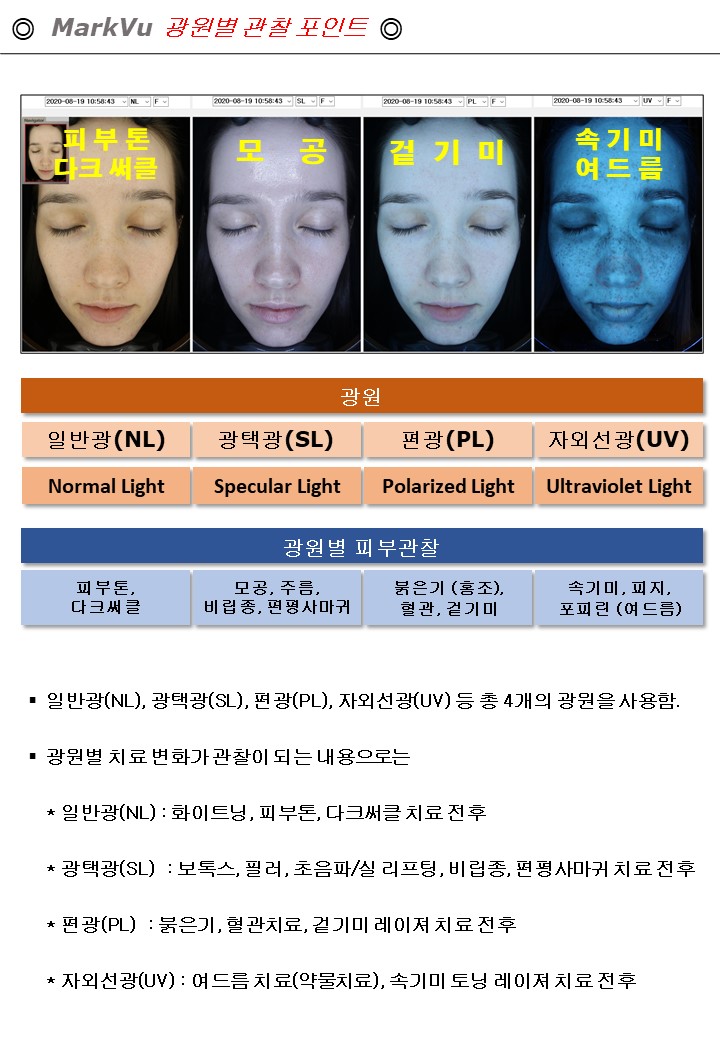
Before the procedure, Bellevue Clinic conducts a Mark-Vu skin diagnostic assessment to provide a final diagnosis by checking various skin concerns that are difficult to confirm with the naked eye, such as skin texture, pigmentation, pores, wrinkles, skin tone, dark circles, radiance, redness, melanin, sebum, and acne-causing bacteria. Through this, we carry out procedures that are more effective for each individual patient.
<Bellevue Clinic 'Mark-Vu' diagnostic test>
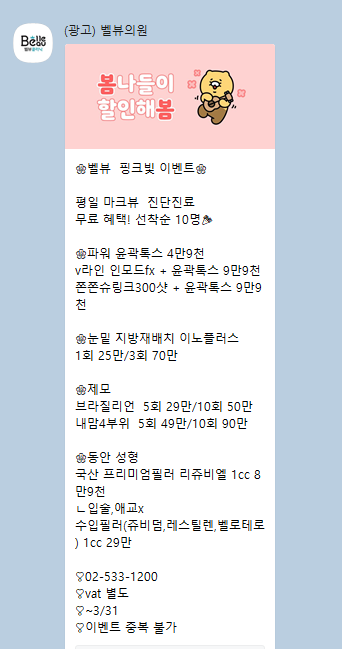
Bellevue Clinic is currently
running a March event~!!!
★ Visit Bellevue Clinic’s YouTube ★
★ Bellevue Clinic KakaoTalk ★

★ Learn more about Bellevue Clinic ★

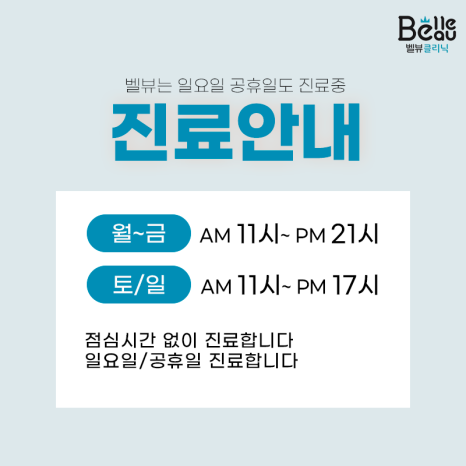
<Clinic Information & Directions>
A reasonable choice that will make you more beautiful today than yesterday!
'Gangnam Station Bellevue Clinic'
Thank you for visiting.