Hello?
The beginning of natural beauty,
365-day care
'Bellevue Clinic.'
Botox Resistance, Side Effect Overcoming Guide
Natural Beauty Bellevue Clinic
Today, let’s take a look at everything you need to know about Botox resistance and how to receive safe and effective treatment without side effects. Botox (Botulinum Toxin) is widely used for various cosmetic purposes such as wrinkle improvement and jaw reduction. While it is a safe and effective treatment, there are concerns that repeated procedures may lead to “resistance” or side effects. Let’s learn the accurate information about Botox resistance and side effects, as well as how to wisely overcome and respond to them.
- Why does Botox resistance occur?
Botox resistance refers to the phenomenon in which the effects of Botox treatment gradually decrease over time, or do not appear at all. This occurs because the body forms “antibodies” against Botox ingredients. Botox products often contain complex proteins in addition to botulinum toxin, the main ingredient. The body recognizes these complex proteins as foreign substances, triggers an immune response, and produces antibodies. These antibodies interfere with the action of botulinum toxin, causing its effects to weaken.
Tolerance refers to the phenomenon in which, with continued exposure to a drug or substance, a larger amount is needed over time to achieve the same effect, or the effect does not appear at all. It occurs not only with Botox, but also in various forms in everyday life and in the medical field. For reference, let me introduce examples of tolerance commonly seen in daily life and in medicine that are different from Botox resistance.
- Painkiller tolerance: the starting point of drug dependence
Painkiller tolerance is one of the most common and potentially dangerous examples. It occurs when patients with chronic pain continuously take opioid painkillers (e.g., morphine) or non-opioid painkillers. At first, a small dose relieves the pain, but over time a larger amount of painkiller is needed to achieve the same effect. Beyond simply failing to relieve pain, if tolerance becomes stronger, it can lead to drug dependence or addiction, so caution is essential. When treating pain, the dosage must be carefully adjusted through consultation with a doctor.
- Antibiotic resistance: a threat to human health
Antibiotic resistance is a slightly different concept from “drug tolerance.” It is not the human body becoming tolerant to medicine, but rather bacteria becoming resistant to antibiotics. This happens when antibiotics are overused or when they are stopped arbitrarily without a doctor’s instructions. As bacteria are exposed to antibiotics, some that survive genetically mutate and render the antibiotics ineffective. Bacteria that become resistant can develop into superbugs that are not treated by ordinary antibiotics, becoming a global public health threat. This is exactly why antibiotics prescribed by a doctor must be taken until the end, even if symptoms improve.
- Caffeine tolerance: the most common tolerance in everyday life
This is the most everyday form of tolerance that many people experience. In the case of someone who drinks coffee every day, one cup may have been enough to feel alert at first, but over time even two or three cups do not easily relieve fatigue. This is the result of the body becoming accustomed to caffeine and becoming less sensitive to it. Caffeine tolerance can be restored if caffeine intake is stopped or reduced for a certain period.
- Dermatological ointment tolerance: steroid tolerance
Steroid ointments used to treat skin conditions can also lead to tolerance. This occurs when steroid ointments are used for a long time or excessively due to chronic skin conditions such as atopic dermatitis or psoriasis. An ointment that worked well at first becomes less effective over time. When tolerance develops, stronger-grade steroids may be needed, which can cause side effects such as skin atrophy and vascular dilation. Therefore, it is very important to use only the period and dosage prescribed by a dermatologist.
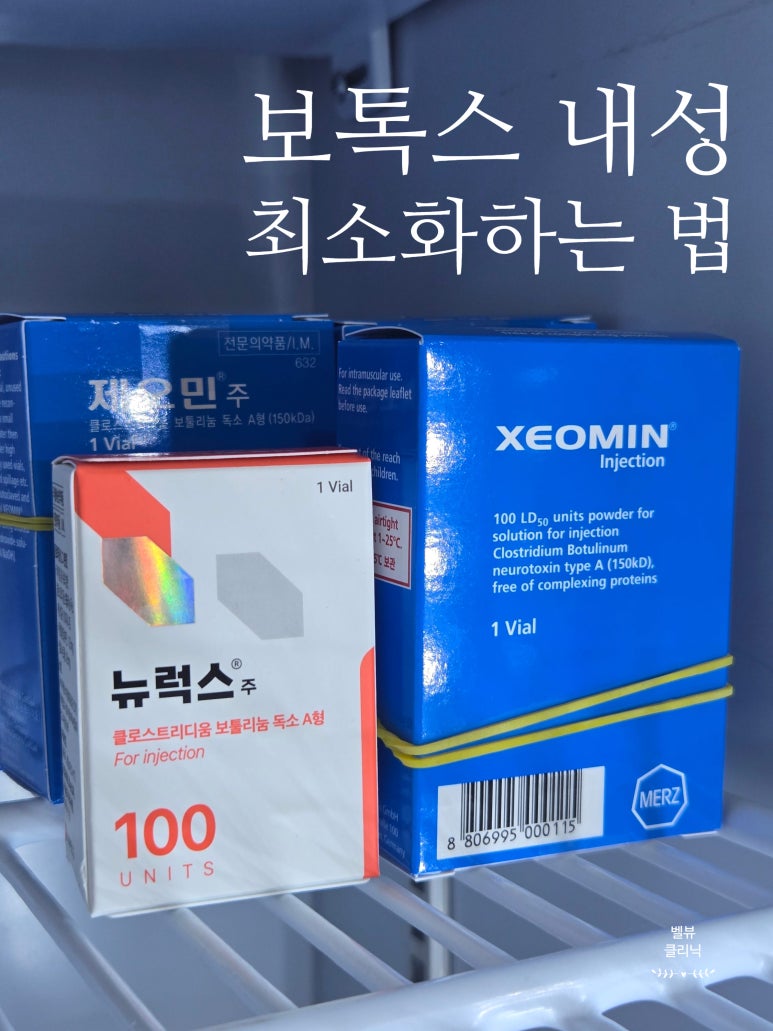
How to minimize the occurrence of Botox resistance
1> Use “pure toxin”: Recently, pure toxin products that minimize or remove complex proteins, which are the cause of resistance, have been released. These have a significantly lower possibility of antibody formation, so stable effects can be expected even with repeated treatments. If you are considering Botox treatment or are worried about resistance, using such products is recommended. (Example: Xeomin)
2> Maintain appropriate treatment intervals: Too-frequent Botox treatments increase the likelihood of antibody formation. It is important to have procedures at sufficient intervals (usually 3 to 6 months).
3> Minimize the number of treatments: It is better to accurately treat only the necessary areas and reduce unnecessary treatment sessions to minimize Botox exposure.
- How should Botox side effects be handled?
After Botox treatment, mild side effects such as bruising, swelling, and slight pain are common and recover naturally. However, in rare cases, serious or noticeable side effects may occur.
Major side effects and how to respond
- Unnatural facial expressions and asymmetry
This can occur if the treatment area or injection amount is slightly inappropriate, or depending on an individual’s muscle movement. After forehead Botox, you may see the eyebrows lift in a “samurai eyebrow” appearance; after jaw Botox, hollowing of the cheeks; or an unnatural smile caused by excessive muscle paralysis. Most side effects resolve naturally as the Botox effect wears off (about 3 to 6 months). If the symptoms are mild, waiting is the best option. In severe cases, a small amount of Botox may be additionally injected to correct asymmetry, or another treatment (e.g., filler) may be used to supplement the unnatural area.
- Ptosis (drooping eyelid)
This symptom may appear when Botox spreads to the muscle that lifts the eyelid (levator palpebrae) during glabella or forehead Botox treatment and causes paralysis. Symptoms can be relieved through the use of eye drops (such as apraclonidine), certain ophthalmic ingredients, or microcurrent treatment, and it returns to normal once the Botox effect wears off.
- “Drooping chin tip” or “witch’s chin” after dimpled-chin Botox
This is when Botox is excessively injected into the chin muscle (mentalis), causing the muscle to become over-relaxed or upsetting the balance with surrounding muscles, making the chin tip protrude or droop unnaturally. In such cases, additional Botox can be injected to restore balance with the surrounding muscles and improve the unnatural appearance. Also, a small amount of filler can be injected into the chin tip to supplement its shape and volume and improve the drooping look. (Filler treatment shows immediate results.) For such side effects, the injector’s experience and anatomical understanding are very important, and it is best to visit the clinic immediately for consultation.
- The key to safe Botox treatment
Concerns about Botox resistance and side effects are understandable, but in most cases they can be safely addressed. What matters is remembering the following. Most importantly, the procedure should be performed by an experienced specialist with a deep understanding of botulinum toxin characteristics and facial muscle anatomy. Experienced medical staff can minimize the possibility of resistance and side effects and respond quickly and accurately if they do occur. It is also important to use genuine Botox products and to inject the correct dose into the correct area. At Bellevue Clinic, upon prior request, we can show you the unopened genuine product, so if you would like this, please be sure to let us know before the procedure. Before treatment, fully discuss your concerns and expected results with the medical staff, and if any discomfort or unexpected symptoms appear after the procedure, do not hesitate to contact the clinic immediately for consultation.
Gangnam Station Bellevue Clinic welcomes consultations and visits anytime, 365 days a year. Take a small first step toward looking better today! We offer evening hours on weekdays, and on Saturdays, Sundays, and public holidays we are open until 5 PM.
★ What are the benefits of visiting Bellevue Clinic?
-
Personalized consultation
After Mark-Vu imaging and diagnosis, we suggest the best treatment suited to your skin condition.
-
Experienced medical staff and genuine products
Our experienced medical staff perform safe and effective procedures using genuine fillers, Botox, laser equipment, and more.
-
Reasonable pricing
We strive to reduce the clinic’s profit as much as possible and offer beauty at an affordable price for our customers.
-
365 days / weekday evening care
Even on weekends and public holidays, visit whenever is convenient in your busy daily life. Advance reservation is of course a must-manner~!
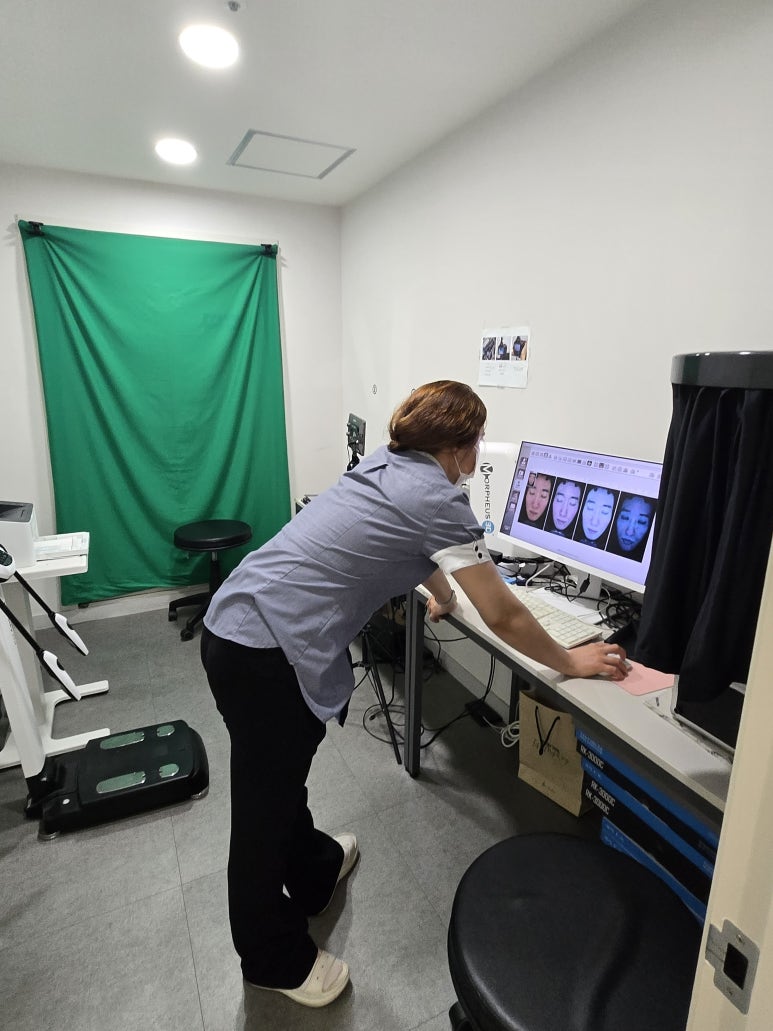
<Bellevue Clinic 'Mark-Vu' diagnostic test>
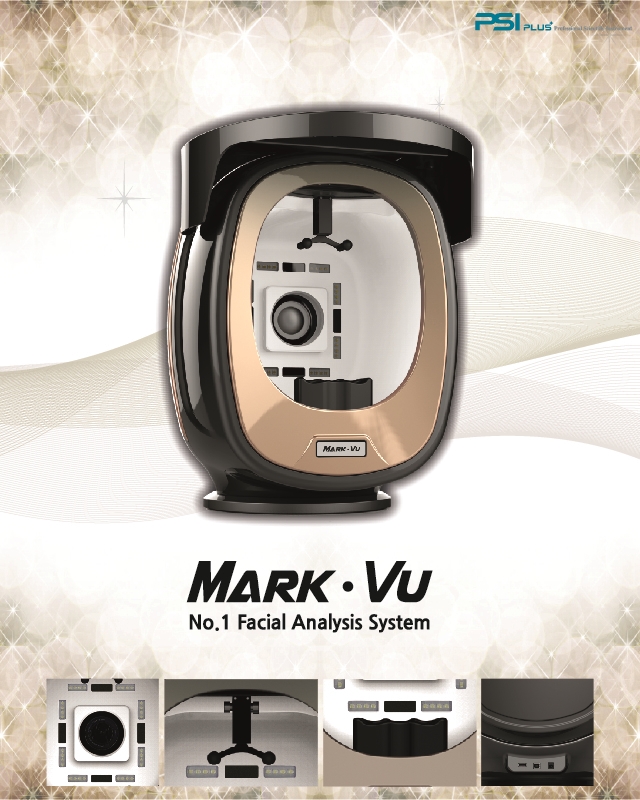
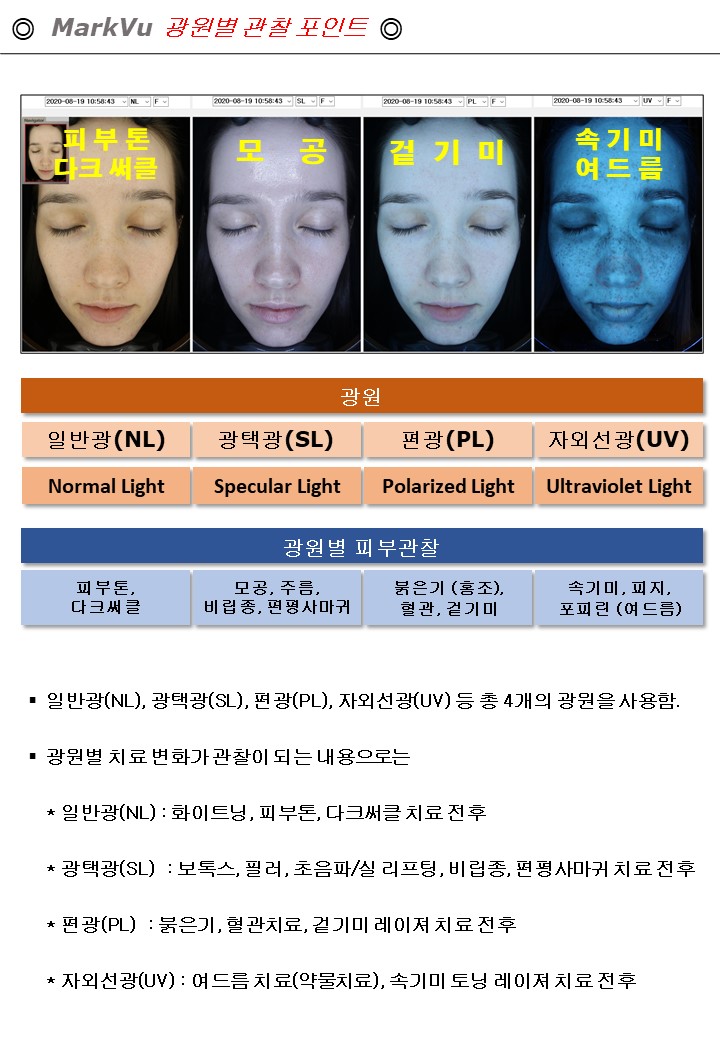
Bellevue Clinic performs a final diagnosis through the Mark-Vu skin diagnostic test, which identifies various skin concerns that are difficult to see with the naked eye, such as skin texture, pigmentation, pores, wrinkles, skin tone, dark circles, radiance, redness, melanin, sebum, and acne bacteria. Based on the diagnostic results, we strive to provide the most effective treatment for each patient through detailed skin consultation. Please feel at ease visiting us, as we are a clinic that does not recommend unnecessary additional procedures. Thank you.
★ Visit Bellevue Clinic's YouTube ★
★ Bellevue Clinic consultation inquiries ★



(To learn about each month’s events,
add Bellevue Clinic as a friend right now~^^)
★ Learn about Bellevue Clinic ★

<Clinic information & directions>


A reasonable choice for you
to become more beautiful today than yesterday!
'Gangnam Station Bellevue Clinic'
Thank you for visiting.