Hello?
Beauty for everyone, Bellevue Clinic
We’re greeting you again today as well.
Now that summer is over, many people are worried about various pigmentation issues on their skin, such as melasma, freckles, and spots. In particular, when different kinds of pigmentation appear on the skin, such as melasma, spots, and freckles, they can have a big impact on appearance and overall impression. As you know, even a single mole on the nose can make someone look completely different. It’s often called a beauty mark. If it were somewhere else, it might not look as pretty. (Thinking about it, the location of a mole seems important too. ^^;;) You do know that if a mole keeps getting bigger and darker, you should definitely get it checked, right? That’s because it could be melanoma.
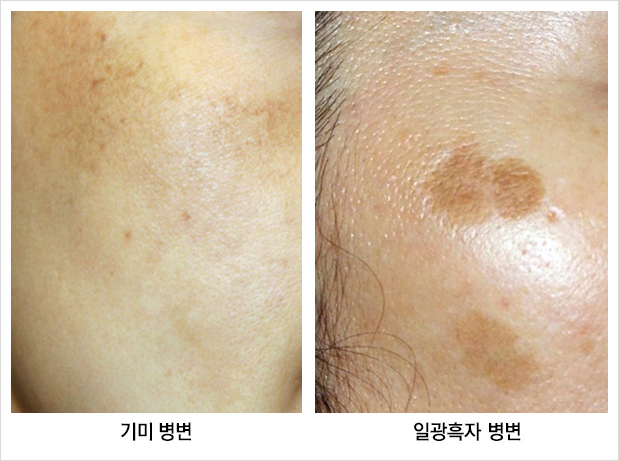
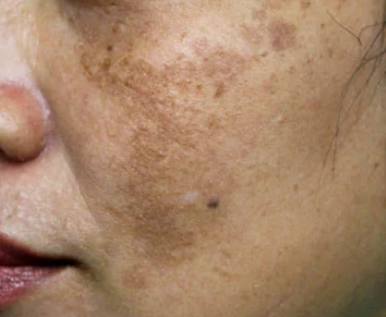
For melasma or solar lentigines like those in the photo above, it is very important to treat them as early as possible after they appear. The reason is simple: to reduce the effort needed for pigmentation removal and save as much cost as possible. Of course, older pigmentation cannot be treated at all, but compared with newly formed pigmentation, it is often deeper and more spread out to the sides, so treatment requires much more effort. In other words, the treatment period becomes longer, and the patient’s burden, pain, and cost burden increase accordingly. Even if doctors rarely give up in advance, it is obvious that if a patient does not continue treatment to the end depending on their determination, the success rate will drop. The point is to remove it while it is still early and requires less effort.
This post will cover
the types and causes of pigmentation,
the importance of early treatment,
the effects of laser treatment,
the treatment period and precautions, and
how to prevent and manage pigmentation recurrence
in detail.
Naturally Beautiful Bellevue Clinic
- Types and causes of pigmentation
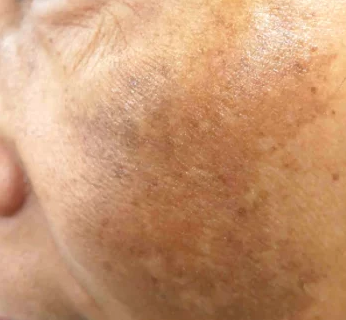
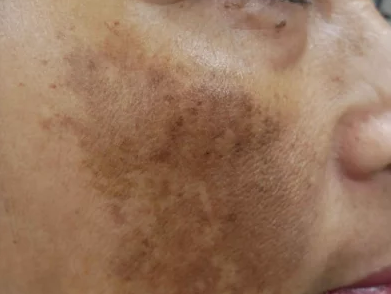
Pigmentation that appears on the skin can be broadly divided into two types. The first is epidermal pigmentation, which is located in the epidermis, the outermost layer of the skin. In this case, the main cause is ultraviolet exposure from sunlight. The second is dermal pigmentation, which is located in the dermis, the deeper layer of the skin. In this case, hormonal changes or inflammation can be the cause. Even if they look similar on the surface, they need to be approached differently because of the difference in depth.
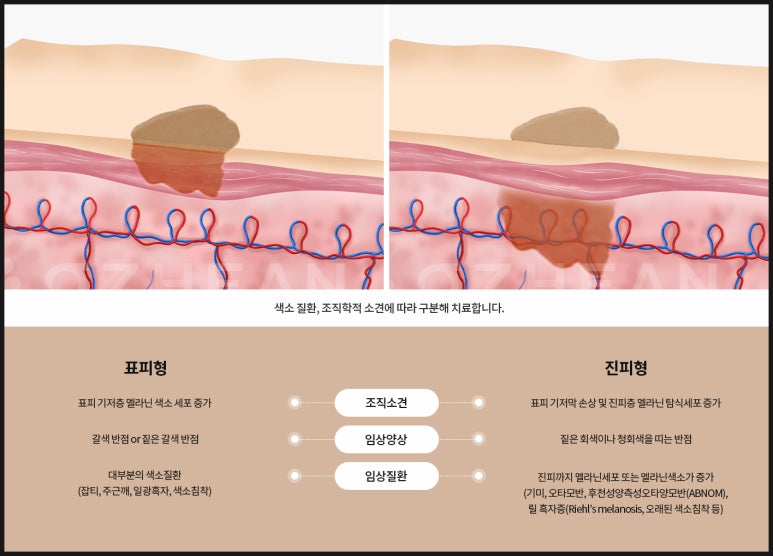
Regardless of depth, these pigmentation spots can become darker over time or spread laterally and expand, so treatment at an early stage is essential.
- The importance of early treatment
Through early treatment, it is possible to prevent pigmentation from progressing any further. If pigmentation becomes deeper, treatment becomes more difficult, and the likelihood of recurrence after treatment increases. Therefore, it is important to visit a dermatology clinic as soon as pigmentation first appears and receive an expert diagnosis. In particular, because the appropriate treatment differs depending on the type of pigmentation, an accurate diagnosis is essential. For example, melasma is closely related to hormones, so it may be difficult to cure with laser treatment alone. In that case, other treatment methods would need to be combined as well.
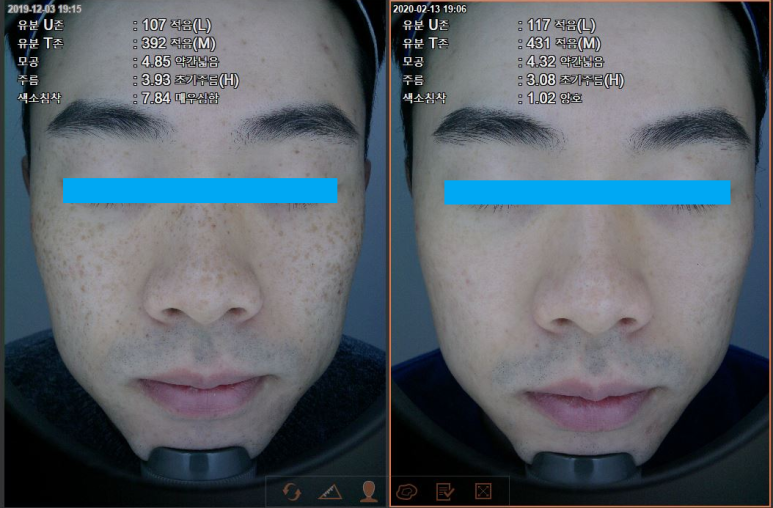 Bellevue pigmentation laser treatment, before and after 10 sessions
- The effects of laser treatment
Laser treatment is a very effective method for treating pigmentation. Usually, after about 10 sessions, the skin becomes much clearer and cleaner than before. This varies depending on what the skin was like at the beginning. There are also cases where 20 to 30 sessions are recommended. Most of these are patients who left pigmentation untreated for a long time and came in only when they felt they had no other choice. These days, the machines are much better. That means they hurt less than before and provide faster, stronger treatment. The price range has also come down a lot.
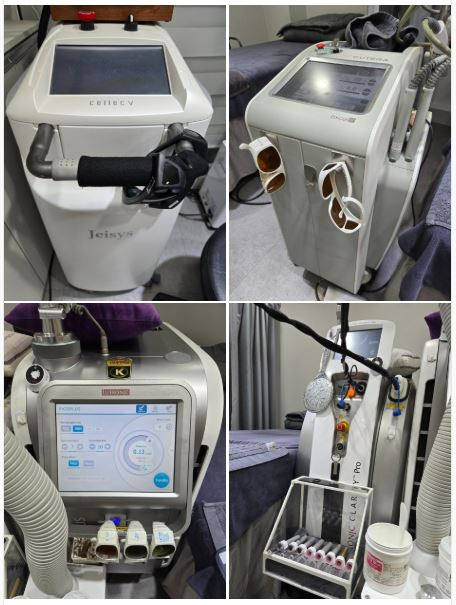
The latest laser devices selectively destroy only melanin pigment while minimizing damage to the surrounding normal skin. For example, the Revlite SI laser is effective for treating pigmentation that is deeply located in the dermis. At Bellevue, various laser devices such as Excel V, Revlite, Clarity Pro, and PicoPlus are used to provide careful, customized treatment according to the depth of the skin.

- Treatment period and precautions
Laser treatment is usually performed several times at intervals of 3 to 4 weeks. In particular, for conditions like melasma, treating it gently over multiple sessions is more effective. If you try to remove it too aggressively, it has a tendency to get darker. After all laser treatments, the skin may become sensitive, so sunscreen must be used. Also, after treatment, the skin may become red or swollen, so if these symptoms appear, it is best to seek advice from a specialist. In particular, post-inflammatory hyperpigmentation may occur, so care should be taken not to irritate the skin. After treatment, sufficient hydration and moisturizing are necessary. It is a bit difficult to expect the skin to be completely normal right after laser treatment. I want to emphasize that treatment can only succeed if you can endure the various changes that come with it. If your skin seems perfectly fine even after treatment, then... you may want to slightly lower your expectations for effective pigmentation treatment. Unfortunately, that’s just how the world works—you often have to give up one thing to gain another.

- How to prevent recurrence and manage pigmentation
Does pigmentation treatment end once you wipe it all away? Not quite. Because the skin is constantly fighting external irritation, pigmentation can recur at any time even after treatment. I think the only difference is whether it appears sooner or later. To delay recurrence as much as possible, ongoing care is absolutely necessary. It is best to use sunscreen every day and avoid cosmetics or cleansing habits that irritate the skin. It is also important to visit a dermatology clinic regularly to check the condition. Diet also has a major effect on pigmentation management. It is good to eat fruits and vegetables rich in vitamin C and to stay well hydrated to keep the skin healthy.
Pigmentation problems require early treatment, which is very important. Laser treatment can effectively remove pigmentation, but the key point of today’s post is that continuous care is still needed even after treatment. Consult with Bellevue to find the treatment method that suits you and keep your skin healthy. For the health and beauty of your skin, Bellevue Clinic will also do its best to respond actively! Thank you for reading this long post today.
#Dermatology #PigmentationTreatment #LaserTreatment #SkinCare #Melasma #Spots #SkinHealth #AestheticProcedure #DermatologyProcedure

If you are wondering which procedure is right for you, please visit Bellevue Clinic and have a thorough consultation with our medical professionals. We will accurately diagnose your skin condition and suggest the most effective method.
“Skin diagnosis-focused approach”
Bellevue Clinic
The Mark-Vu skin diagnostic test can check a wide range of skin concerns all at once, including skin texture, pigmentation, pores, wrinkles, skin tone, dark circles, radiance, redness, melanin, sebum, and acne bacteria, which are difficult to identify with the naked eye.
At Bellevue, we use this to scientifically analyze your skin and make a final diagnosis of the procedures needed when necessary. Through detailed consultation, we will do our best to provide the most effective procedure for each patient.


<Consultation Information & Directions>

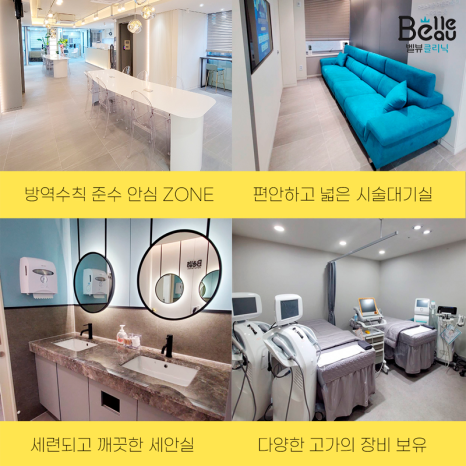
A more beautiful you tomorrow than yesterday
Your reasonable choice!
Skin diagnosis-focused approach
'Bellevue Clinic near Gangnam Station'
Thank you for visiting.