Skin that stays warm for a long time
Burn risks during lifting procedures and
what are the safe alternatives?
What to check before a lifting procedure for skin that dissipates heat slowly
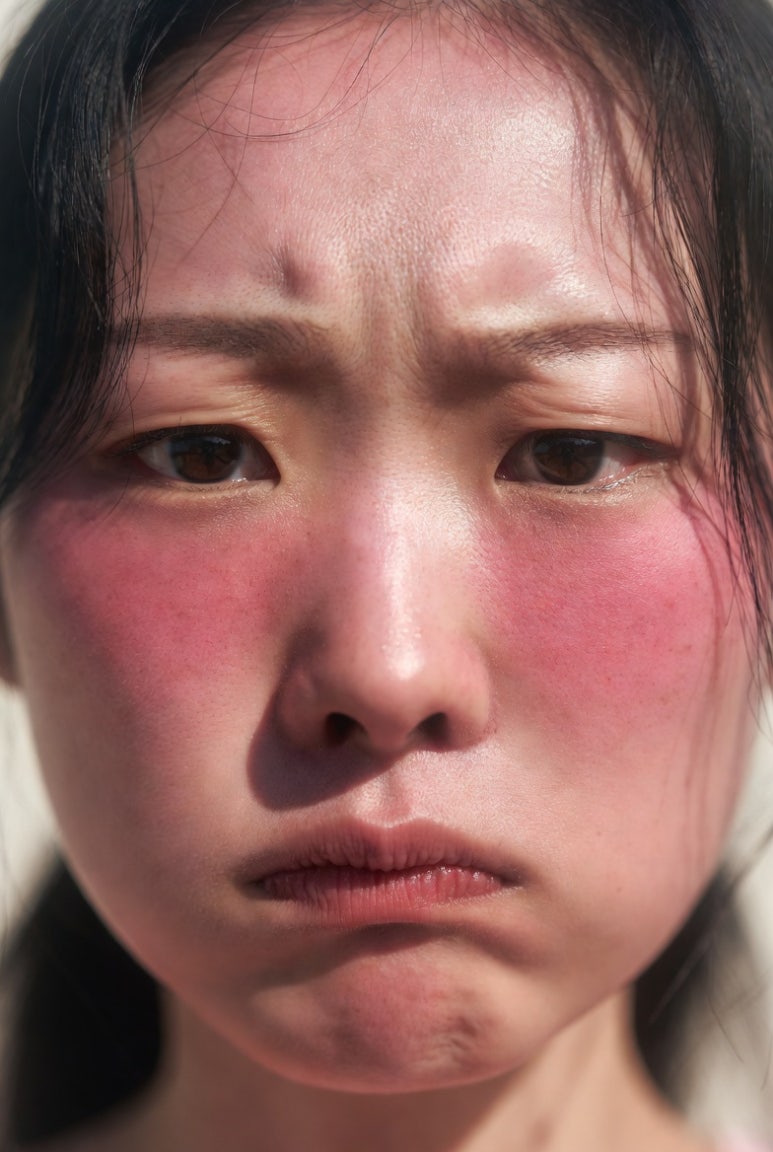
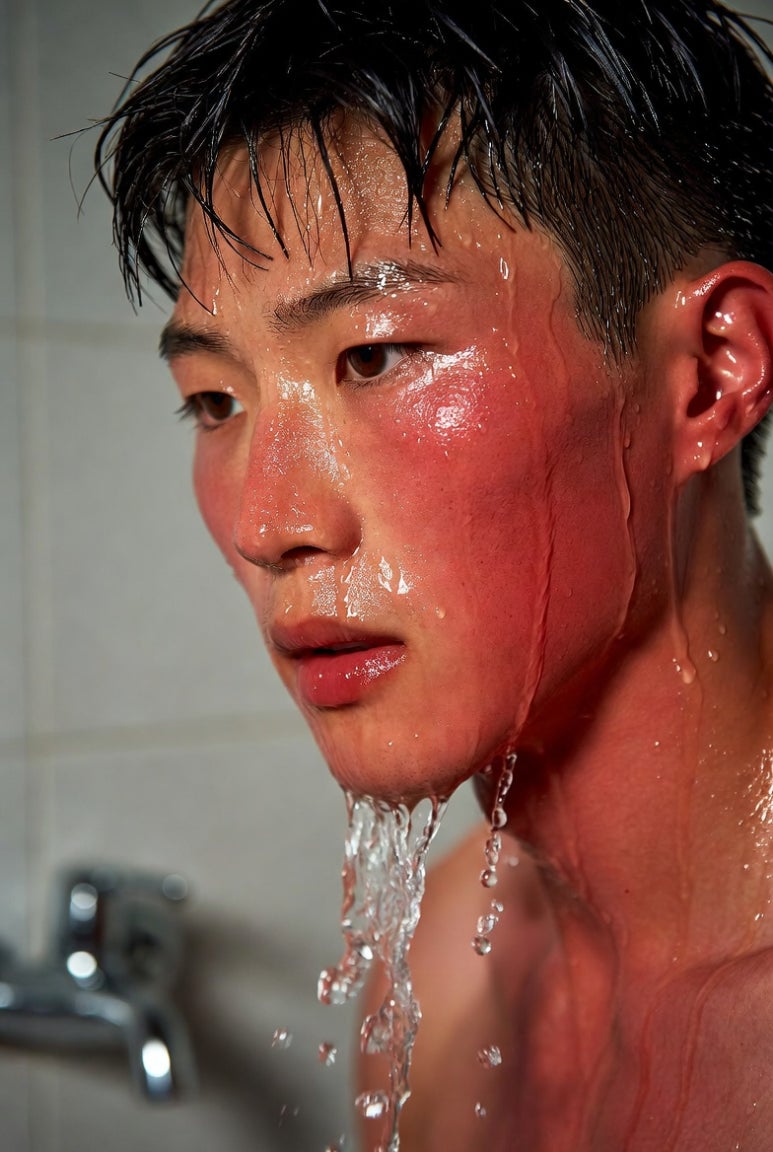
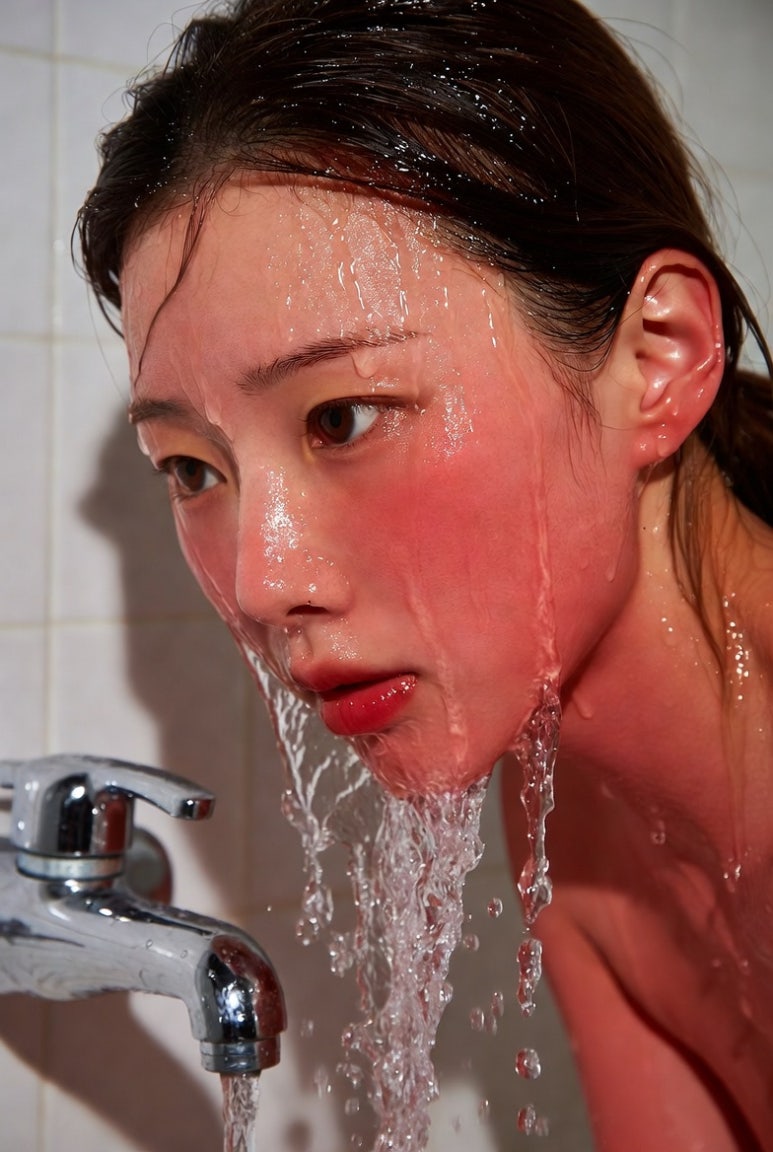
Some people’s faces turn red easily even after exercise or light activity, and in particular, their skin cools down far more slowly than others’, so they have to wash with cold water repeatedly. In cases like this, rather than simply dismissing it as “having redness,” it is important to recognize that the skin’s thermoregulation mechanism is responding sensitively.
In particular, when considering a lifting laser procedure that delivers strong thermal energy deep into the skin, this skin type naturally raises concerns about burns and side effects. Today, at Bellevue Clinic, we analyze the physiological characteristics of skin that dissipates heat slowly and explain from a professional perspective how to achieve lifting effects safely without side effects.
Physiological causes of skin that does not cool down easily
People whose faces tend to stay warm for a particularly long time usually share the following physical characteristics.
-
Excessive blood vessel dilation and slow contraction - During exercise, blood flow increases, and dilated capillaries do not quickly return to their original state even after exercise ends. This causes blood carrying heat to remain on the surface of the facial skin for a long time, leading to persistent warmth.
-
Damaged skin barrier and reduced moisture retention - When the outermost skin barrier is weakened, the skin becomes not only sensitive to external temperature changes but also less capable of regulating moisture evaporation, which is part of the skin’s own cooling system. Drier skin tends not to disperse received thermal energy and instead retains it in specific areas.
-
Sensitivity of the autonomic nervous system - The autonomic nervous system reacts sensitively to temperature changes or physical stimulation, and even minor triggers can be accompanied by facial flushing, increased heart rate, and shortness of breath. So, people who are sensitive to external stimuli or easily agitated may also tend to have sensitive skin.
For heat-sensitive skin, is the risk of “burns” high during lifting?
To put it simply, skin that does not release heat well does make temperature control during treatment more difficult than with ordinary skin. Conventional radiofrequency (RF) lifting or ultrasound (HIFU) procedures raise the temperature inside the skin to a certain level to stimulate collagen regeneration. However, skin that dissipates heat slowly is more likely to accumulate energy during the procedure and exceed the threshold.
In particular, if the practitioner does not carefully monitor the patient’s skin temperature in real time and insists on a fixed number of shots or intensity, the accumulated heat can lead to deep burns or worsen chronic redness after the procedure.
Therefore, for this skin type, the treatment device’s cooling system and the practitioner’s ability to adjust energy are what determine the success of the procedure.
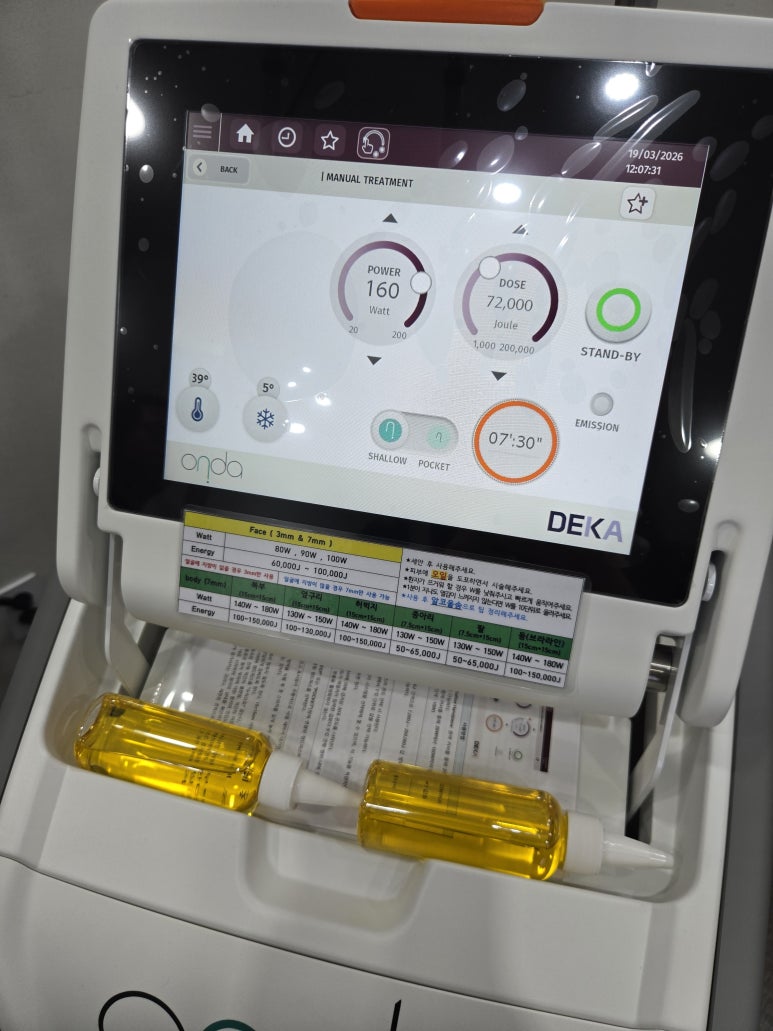
The combination of ONDA lifting’s “microwaves” and “contact cooling”
The reason Bellevue Clinic especially recommends ONDA lifting for people with significant skin warmth is due to this device’s unique energy delivery method.
- Surface cooling system (Cooling Integrated Handpiece)
: The ONDA lifting handpiece immediately lowers the surface temperature the moment it touches the skin. During the procedure, the skin surface is kept cool and protected, physically suppressing the skin’s heat-sensitive reaction and the resulting blood vessel dilation.
- Selective energy delivery
: Microwave energy passes through the skin surface and acts intensively only on the targeted dermis and fat layers. Because it does not unnecessarily heat the entire skin layer, it places less burden on people whose overall warmth tends to remain longer than others after treatment.
- Real-time temperature feedback
: During the procedure, the device detects skin conditions in real time and prevents excessive thermal damage, making it much safer with regard to burn risk.
Recommended protocol for safe lifting procedures for people prone to warmth
- Pre-treatment diagnosis
: Before the procedure, a consultation is used to assess your usual heat dissipation ability and whether you experience redness. We check whether you become short of breath after exercise or how long the warmth lasts to set the upper limit for treatment intensity.
- Step-by-step heating
: Instead of applying high-power energy all at once, the temperature is gradually increased while observing the skin’s response at low power. This prevents the skin from being startled by a sudden temperature change and dilating blood vessels.
- Post-care system
: Washing the face with cold water immediately after the procedure may instead irritate the skin. At Bellevue Clinic, we lower the skin temperature in a physiologically safe way through special soothing ampoules and cryo soothing care.
For people whose faces redden easily and whose warmth does not cool down, lifting procedures are not absolutely contraindicated. However, this should be understood as a signal that “my skin needs more careful management of heat control.” Rather than simply choosing a place that advertises a low price or a large number of shots, it is important to find experienced medical staff who understand each patient’s individual heat response and can flexibly adjust the device parameters. Bellevue Clinic promises to respect the unique temperature of your skin and find the safest and most effective approach. Thank you.
When you meet Bellevue Clinic’s
careful design,
you can discover your most beautiful angle,
texture, and glow.
Check it out in person at Bellevue now.
Thank you!
If you have any questions at any time,
please contact Bellevue Clinic.
We will guide you kindly and in detail.
Thank you.

"Skin diagnosis-focused approach"
Bellevue Clinic
The Mark-Vu skin diagnostic test can check various skin concerns all at once that are difficult to see with the naked eye, such as skin texture, pigmentation, pores, wrinkles, skin tone, dark circles, radiance, redness, melanin, sebum, and acne bacteria.
At Bellevue, we use this to scientifically analyze your skin and make a final diagnosis for the procedures needed. Through detailed consultation, we will do our best to provide each patient with the most effective treatment.


💎Bellevue Clinic💎
-
Uses genuine products in the proper amounts
-
Skilled medical staff with years of procedure experience
-
Open on Sundays and public holidays
-
Customized treatments after skin diagnosis with Mark-Vu
#GangnamStationDermatology #BellevueClinic #GangnamBotox #GangnamDermatology #GangnamStationFillerBestPlace #GoalIsGangnamBestDermatology #ILoveYouCustomers #HappyHospitalToday #ThankYou #BellevueClinic #ONDALifting #ONDA #LiftingPrecautions #FacialRedness #RednessSkinLifting #SensitiveSkinLifting #BellevueONDALifting
🌸Botox. Filler. Thread lifting. Lifting. Obesity
🌸Scars. Pores. Various pigmentation. Acne. Hair removal
🌸Contouring injections. CoreSculpt. NobleShape. HPL. V-Olet injection
🌸Diet pill prescription after InBody
🌸Hair loss medication, Viagra prescription
📱Procedure inquiries and reservations
02-533-1200
<Clinic Information & Directions>