[Bongbong Plastic Surgery]
Anti-Aging vs. Slow Aging,
Which aging care is right for me?

As interest in aging has grown, the terms “anti-aging” and “slow aging” are often encountered. Both concepts aim to manage aging, but there is a clear difference in their approach. To understand which method may be more suitable for you, it helps to compare the concepts and characteristics of these two approaches.
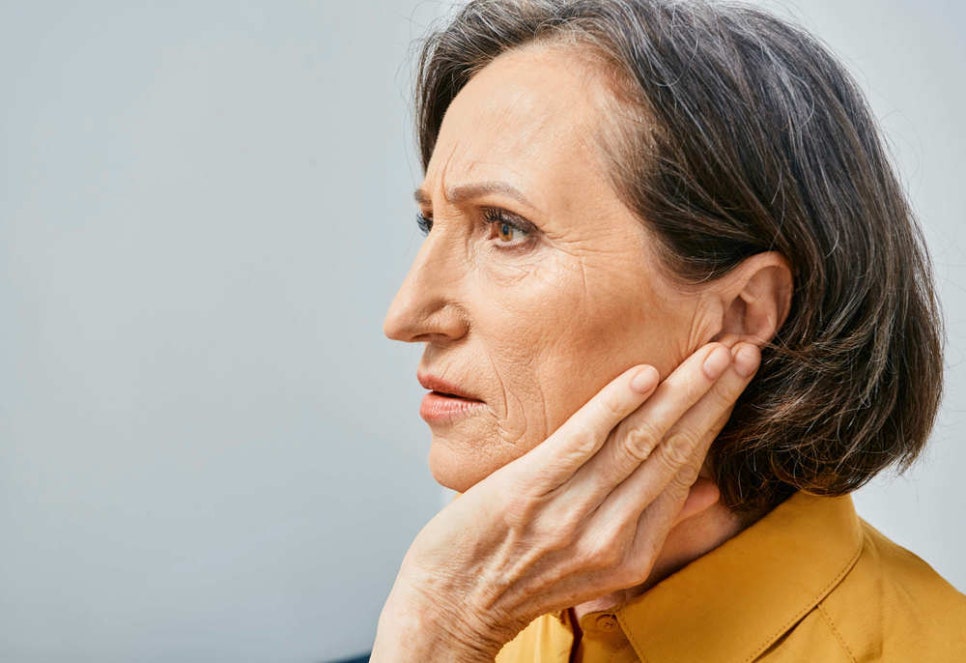
“Anti-aging” is, as the name suggests, an approach that “fights” aging. Its goal is to improve or make less noticeable the signs of aging that have already appeared, such as wrinkles, loss of elasticity, and pigmentation.
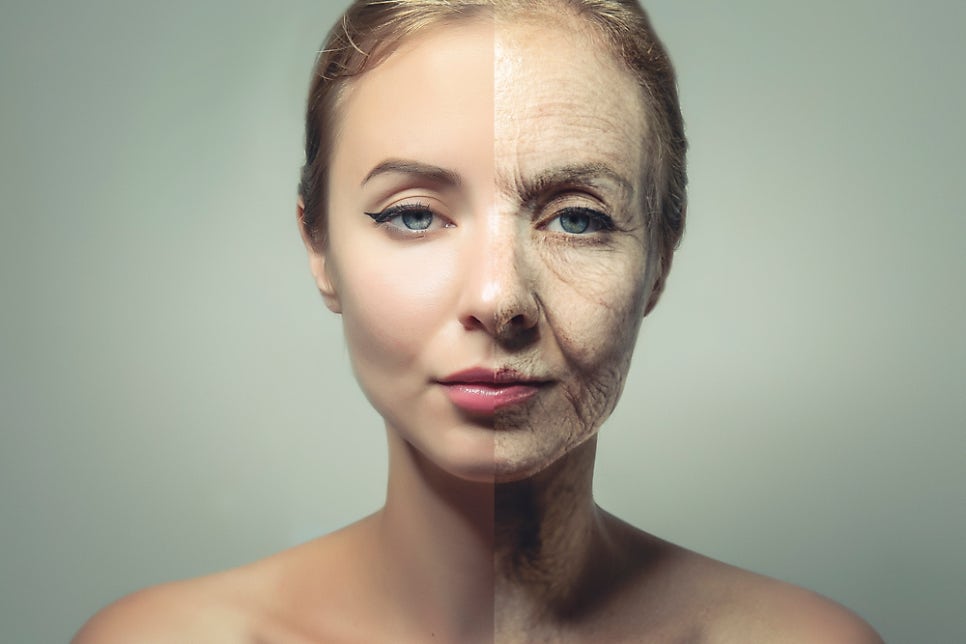
This approach is suitable for those who expect quick results and is often preferred by people who want relatively immediate change or improvement. Various skin lasers, radiofrequency energy devices, and moisture- or collagen-related care methods may fall into this category.
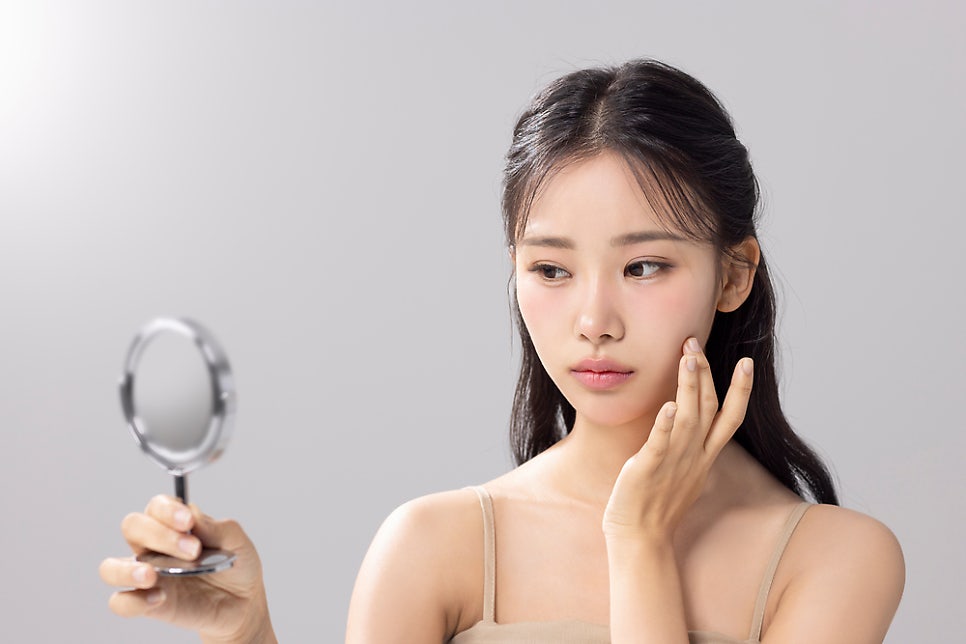
Because it is a form of care that begins at the point when outward changes are already noticeable, its defining feature is quickly intervening in the current condition to slow the pace of change or encourage visible improvement.
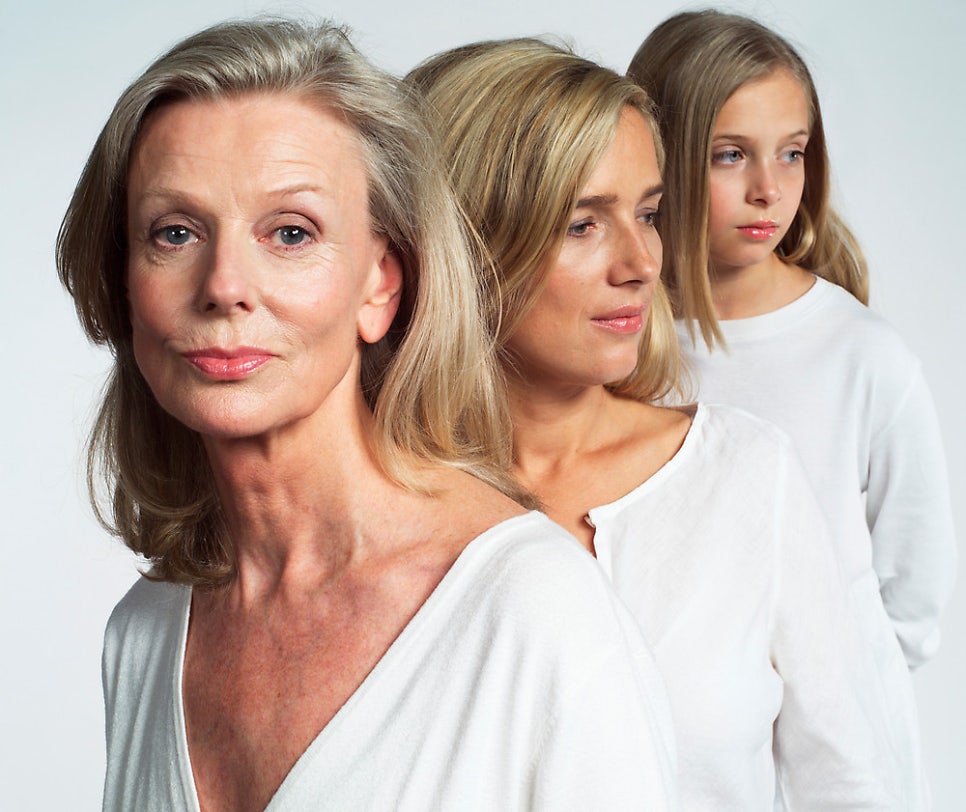
On the other hand, “slow aging” is an approach that does not try to completely prevent aging, but rather to gradually regulate its pace. By improving and maintaining overall lifestyle factors such as daily habits, diet, sleep, and stress management, it aims to enhance whole-body health and, as a result, naturally slow the progression of visible aging.

This method places greater emphasis on long-term health and balance rather than short-term changes, and it aims for integrated care that includes not only the condition of the skin but also internal stamina, immunity, and mental stability.

These two concepts are different approaches, but you do not necessarily have to choose only one. In fact, flexibly combining both methods depending on the situation can be even more effective in practice.

For example, you might practice slow aging in daily life by consistently using sunscreen, getting enough sleep, and maintaining a balanced diet, while also combining it with anti-aging care or procedures during periods when loss of elasticity or skin dryness becomes more noticeable.
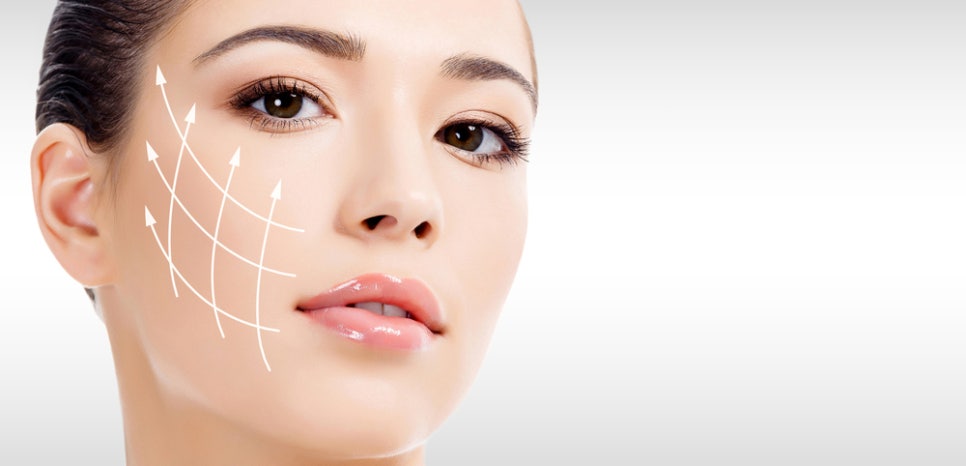
Aging is not limited to changes in appearance alone; it is also an issue related to the overall function of the body. Therefore, when deciding what kind of care you need, it is important to consider not only the skin condition but also various factors such as lifestyle patterns, genetic factors, and stress levels. Rather than asking which care is “better,” the key is to identify which approach is more suited to “who you are now.”

Especially in today’s era, where various skin care methods and health information are overflowing, sticking to the basics may bring greater benefits than blindly following trends.
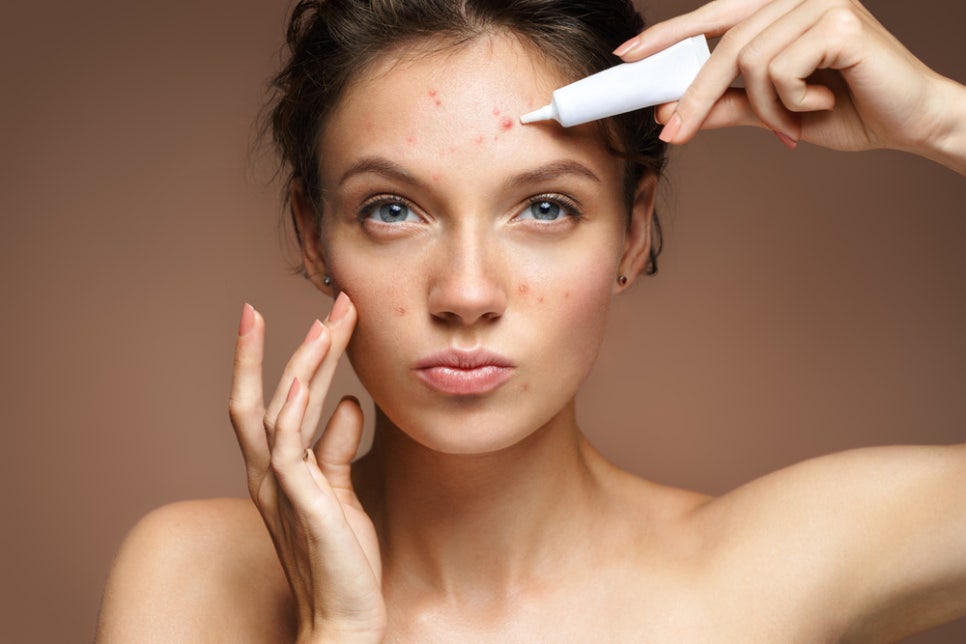
Keeping the skin’s basic barrier strong, minimizing moisture loss, and preventing damage caused by UV exposure are the foundations of aging prevention. If stress management, regular exercise, and sufficient sleep are added to that, practicing slow aging is by no means difficult.
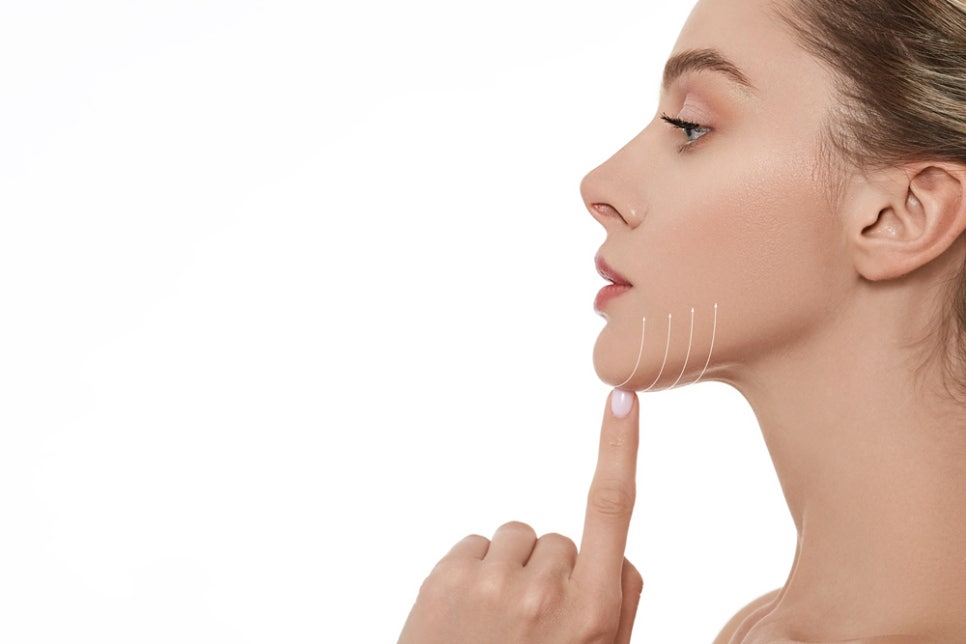
Meanwhile, even if signs of aging have already appeared on the skin, there is no need to think it is too late. The skin can show resilience depending on proper stimulation and care, and if a focused approach tailored to the current condition is taken, there is still room for improvement.
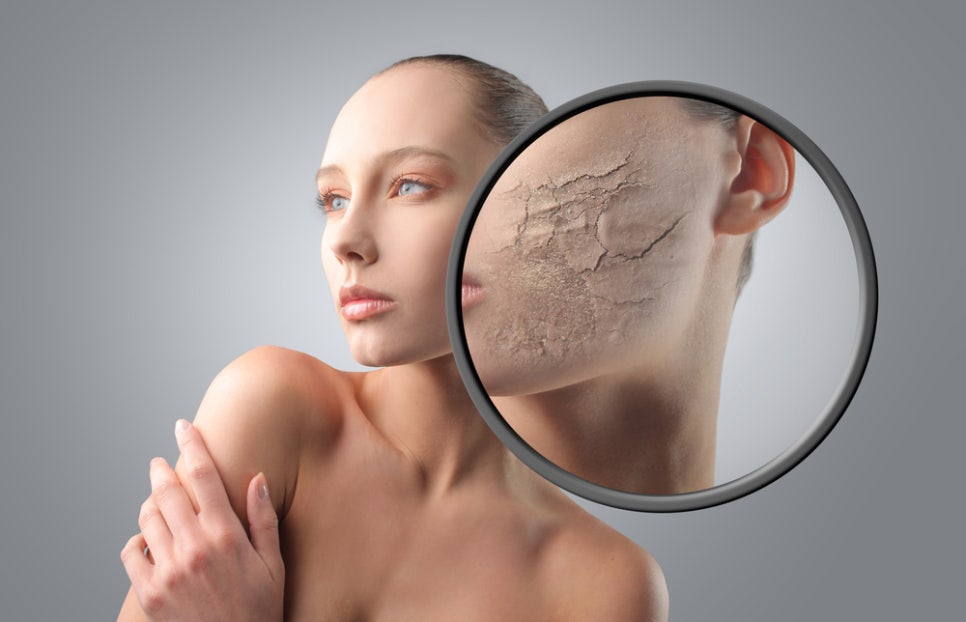
What matters is accurately recognizing your skin condition and continuing consistent care within a manageable range.
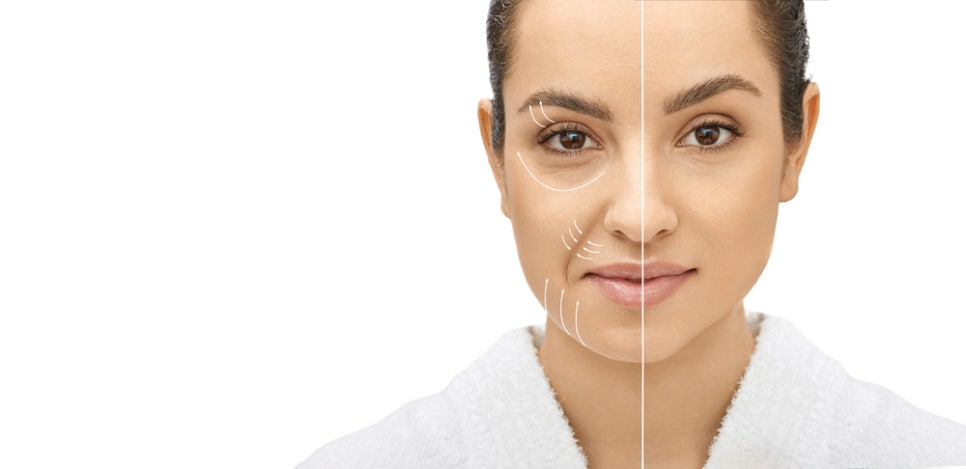
In the end, the goal of both anti-aging and slow aging is the same: to face aging as healthily and as balanced as possible. Whichever approach you choose, what matters is observing yourself and managing care at a pace that suits you. Rather than dramatic change, do not forget that steady attention and care are the true core of aging management.