Belly sagging and folding
If it’s severe!
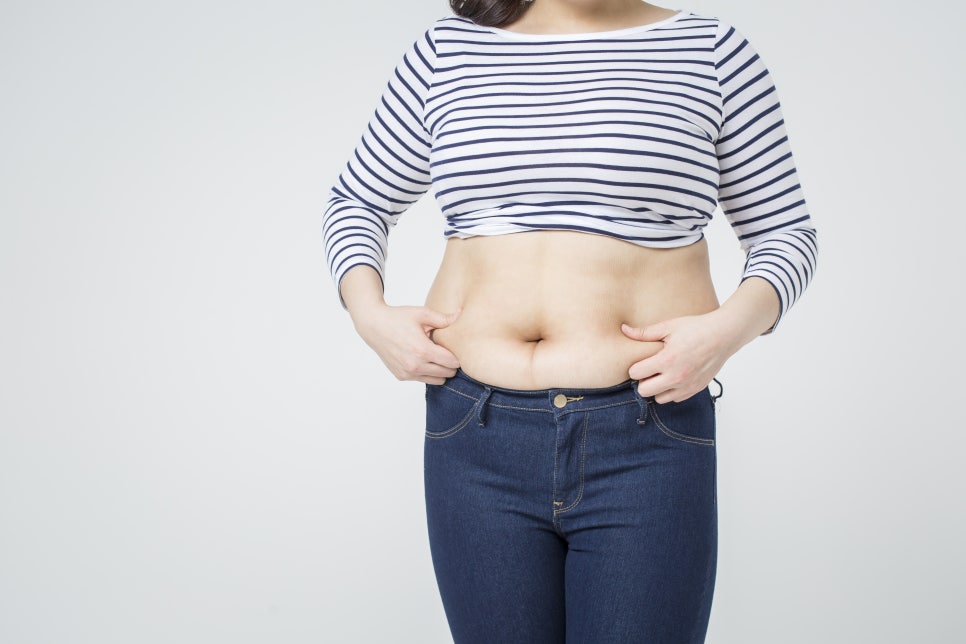
Even with dieting, stubborn belly fat can be hard to lose. In particular, abdominal sagging, wrinkles, and folding that occur after childbirth or after rapid weight loss are difficult to resolve with exercise or diet alone.
In such cases, one option that may help is abdominoplasty.
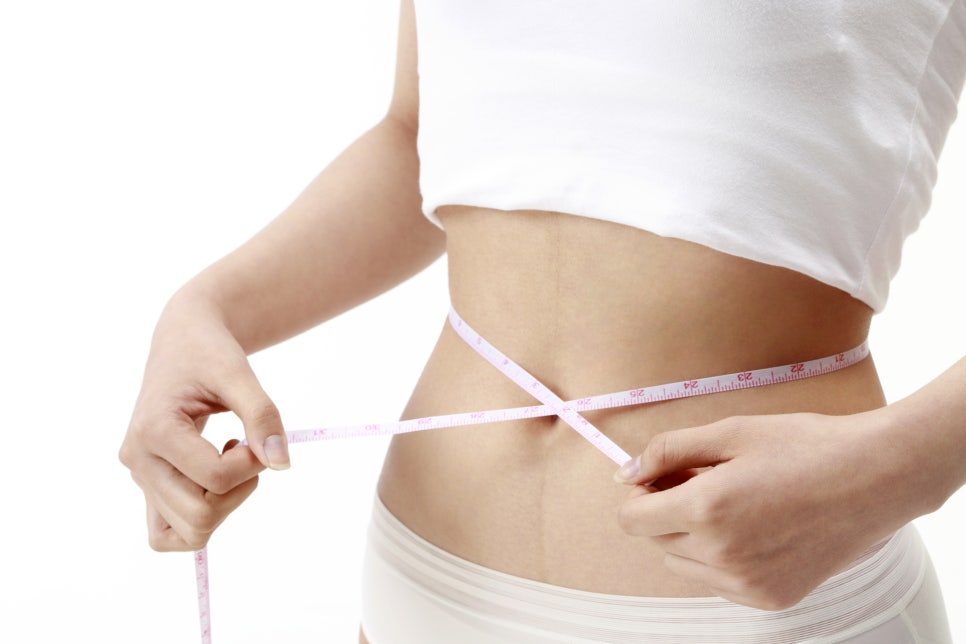
Abdominoplasty is a surgery that removes loose abdominal skin and subcutaneous fat and, when necessary, strengthens the abdominal wall muscles.
Unlike liposuction, it includes removal of sagging skin and can also correct separated rectus abdominis muscles caused by childbirth or obesity.

When is abdominoplasty needed?
-
When the abdomen has lost elasticity and sags after childbirth
-
When skin remains and folds after rapid weight loss
-
When there is a lot of abdominal fat and the skin has also stretched
-
When there is abdominal bulging due to rectus diastasis (muscle separation)
It is especially effective not simply because there is a lot of belly fat, but when the skin itself has stretched and the muscles have separated.

Abdominoplasty is closer to a process of restoring the body to its original form.
It is easier to understand if you think of it as a procedure that refines the "extra skin" left on the abdomen and the abdominal muscles that have lost their elasticity.
After surgery, there is a recovery period in which you need to take a little extra care of your body.

For the first 1–2 weeks, wearing compression garments and moving gently can make you feel more at ease, as if it is "a time to take care of yourself instead of exercising."
The important thing is not to overdo it and to respect your body's pace of recovery.
In conclusion, abdominoplasty is not a surgery for purely cosmetic purposes.
Structural changes such as sagging abdominal skin, wrinkles, and muscle laxity caused by childbirth or rapid weight changes are often difficult to improve with natural recovery alone.
In particular, areas where the skin folds repeatedly may not be well ventilated, which can lead to dermatitis or hygiene problems, and when rectus diastasis is present, it can also contribute to posture imbalance or lower back pain.
When you want to improve these functional discomforts and cosmetic stress at the same time, abdominoplasty can be a good option. Of course, abdominoplasty is not necessary in every case, and depending on the individual’s age, skin elasticity, body type, and purpose of surgery, other treatment options may be needed.
Therefore, if abdominal sagging is noticeably severe or difficult to improve with exercise and dieting, it is important to receive an accurate diagnosis of your current condition through consultation with a plastic surgery team and choose an appropriate treatment method.
Before deciding whether to have surgery, the first step is to fully understand your body’s condition and what changes are possible.