[봉봉성형외과]
Why Suppressing Sebum Production Is Important,
You Can Reduce Enlarged Skin Pores!
Pore problems are one of the concerns many people have when it comes to skin care. In particular, for people who produce excess sebum or who often get acne and blackheads, the phenomenon of enlarged pores is even more noticeable.
But there can be many misunderstandings about why pores become enlarged and how to improve them. So how can you effectively manage pores and suppress sebum production?
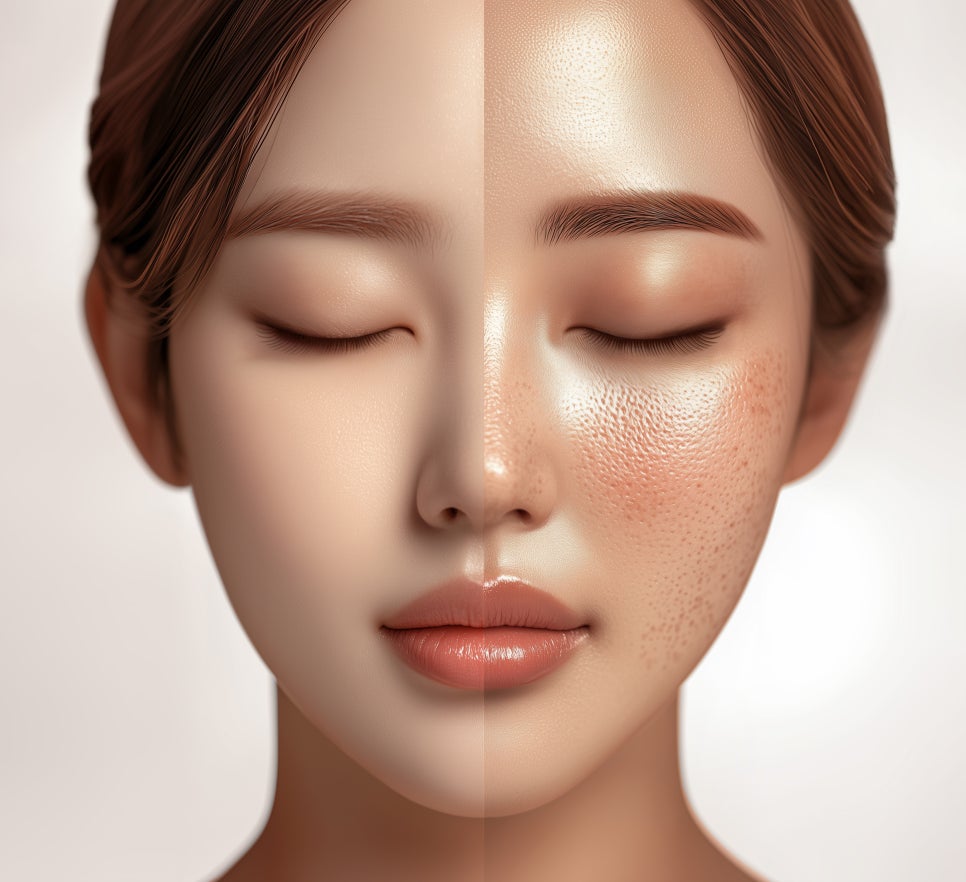
The biggest cause of enlarged pores is 'excess sebum production.'
The oil secreted by the skin's sebaceous glands plays a role in protecting the skin and maintaining moisture. However, when sebum is produced excessively, that oil accumulates in the pores, causing blackheads or acne, and over time the pores begin to expand. If this condition continues, the pores become even larger, and the skin gradually becomes rougher and loses elasticity. Therefore, controlling sebum production becomes the key to pore care.

To shrink pores, the first priority is 'suppressing sebum production.' One of the main reasons the skin produces too much oil is 'hormonal changes.' In particular, for women, sebum production can increase depending on hormonal changes such as the menstrual cycle, pregnancy, and menopause. In such cases, medications or treatments that regulate hormones can be considered. In addition, sebum production can be controlled through the 'right skin care methods.'
Using tretinoin (retinoids)
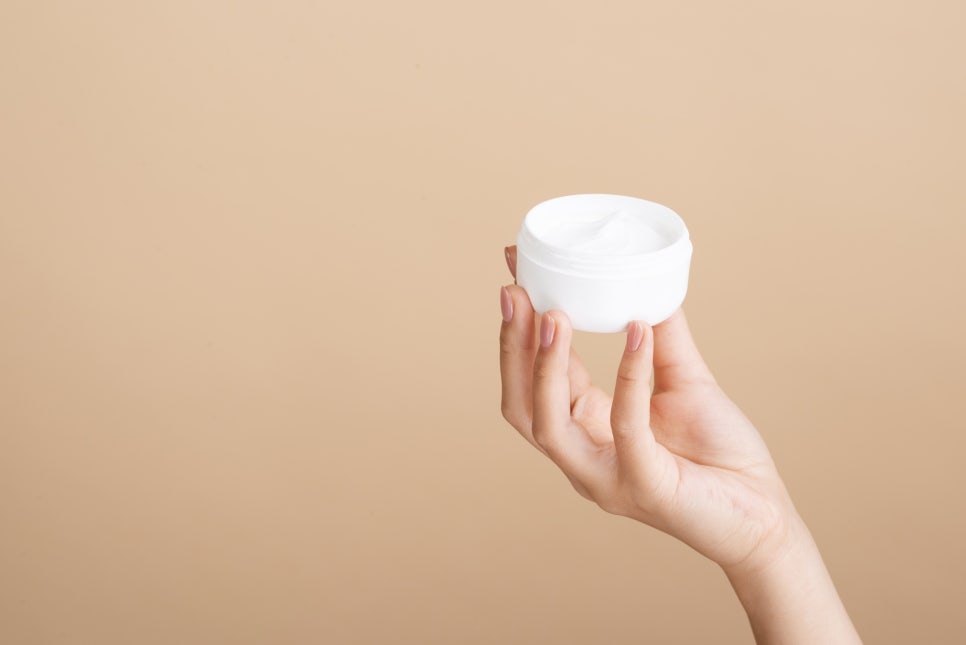
Tretinoin is a vitamin A derivative that suppresses the activity of the sebaceous glands and promotes cell turnover. Through this, excess sebum production can be reduced, and it is especially effective in treating acne. Tretinoin may irritate the skin, so it is important to consult medical staff before use and apply it in an appropriate concentration.
Exfoliate regularly
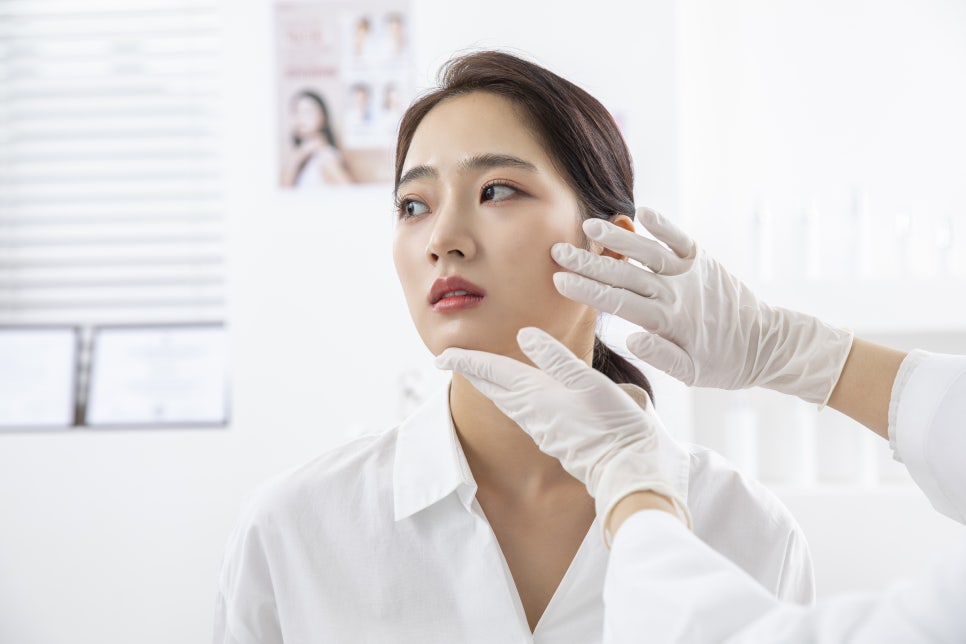
When dead skin cells build up, pores can become clogged and sebum cannot be released, causing the pores to expand. Exfoliating helps prevent pores from becoming blocked and keeps the skin smoother and more hydrated. However, it is important not to over-exfoliate. Excessive exfoliation can instead irritate the skin and increase sebum production, so exfoliating 1 to 2 times a week at an appropriate interval is ideal.
Exfoliating with ultrasound while receiving skin care

Receiving medical skin care treatments is also a good option. In particular, exfoliation using ultrasound can help reduce sebum production because it cleans deep inside the pores without irritating the skin. In addition, ultrasound can promote blood circulation in the skin, brighten the skin tone, and may also help strengthen the skin barrier. Through this, pores can gradually become smaller.
Use a cleanser that contains
sebum-regulating ingredients
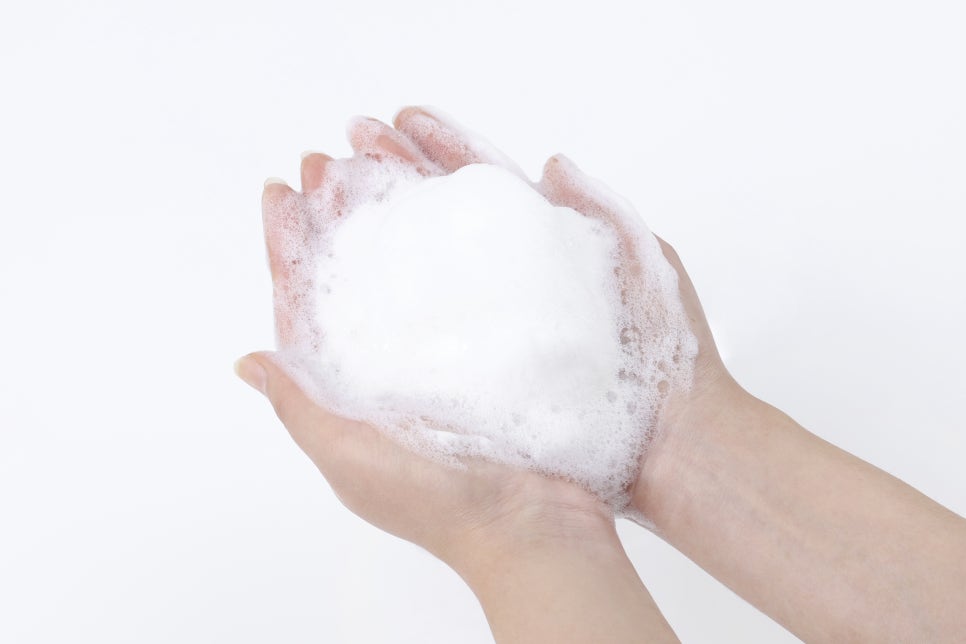
The first step in pore care is cleansing.
Using a cleanser that contains ingredients that help regulate sebum can remove excess oil and keep pores clean. However, overly strong cleansers can dry out the skin, so it is better to choose a product that is gentle and provides moisture.
Use a toner with sebum-regulating functions
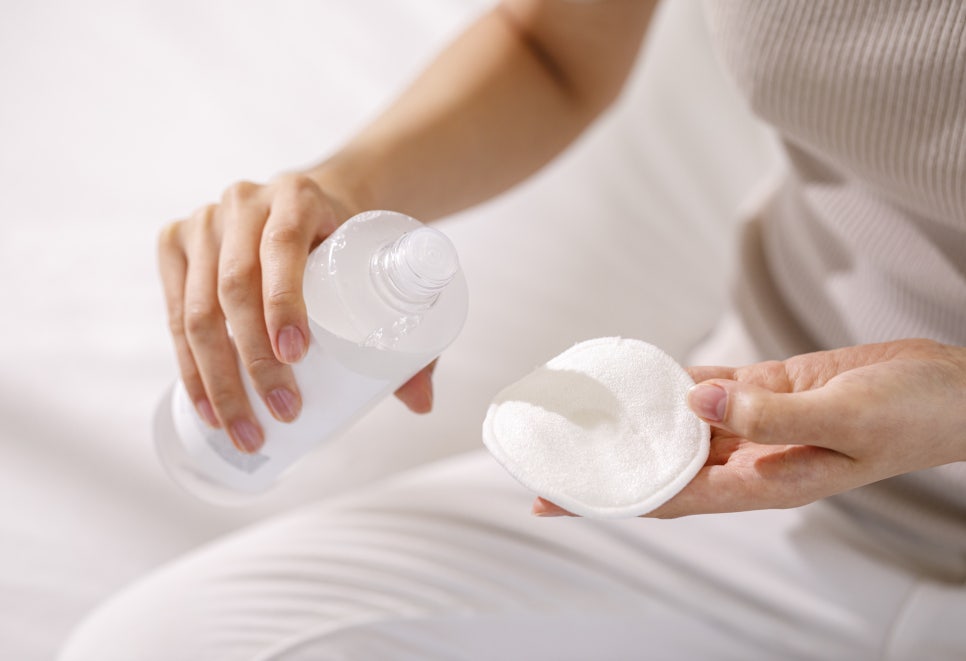
After cleansing, you can use a toner with sebum-regulating functions to remove any remaining residue and sebum from the skin and soothe it. While supplying moisture to the skin, toner also has the effect of suppressing sebum production.
Use a cream with sebum-suppressing functions

For areas with a lot of sebum production, it is effective to use a cream that contains sebum-suppressing ingredients. These creams regulate the sebaceous glands and prevent excessive oil production. They also help prevent acne.

The most important point in suppressing sebum production and managing pores is consistent care. Since it is difficult for pores to improve perfectly with just one treatment or procedure, steady skin care is necessary. If you build the right skin care routine and regularly get help from medical staff, it will greatly help improve pore problems. In addition, combining treatments that suppress sebum production, such as tretinoin use, exfoliation, and ultrasound skin care, as appropriate can make pore care even more effective.
If you are worried about pore problems, consult medical staff and find a treatment method that suits you!