[Gangnam Hakdong Station Plastic Surgery Clinic]
If You Have Skin Flare-Ups, Itching, or Bumpy Symptoms During Seasonal Transitions
As the seasons change, rapidly shifting weather, larger temperature differences between day and night, and changes in humidity in the air can all have a major impact on the skin. In particular, during seasonal transitions, changes in temperature and humidity weaken the skin barrier, and the skin becomes more easily dry, often leading to itching, rashes, and small bumpy breakouts.
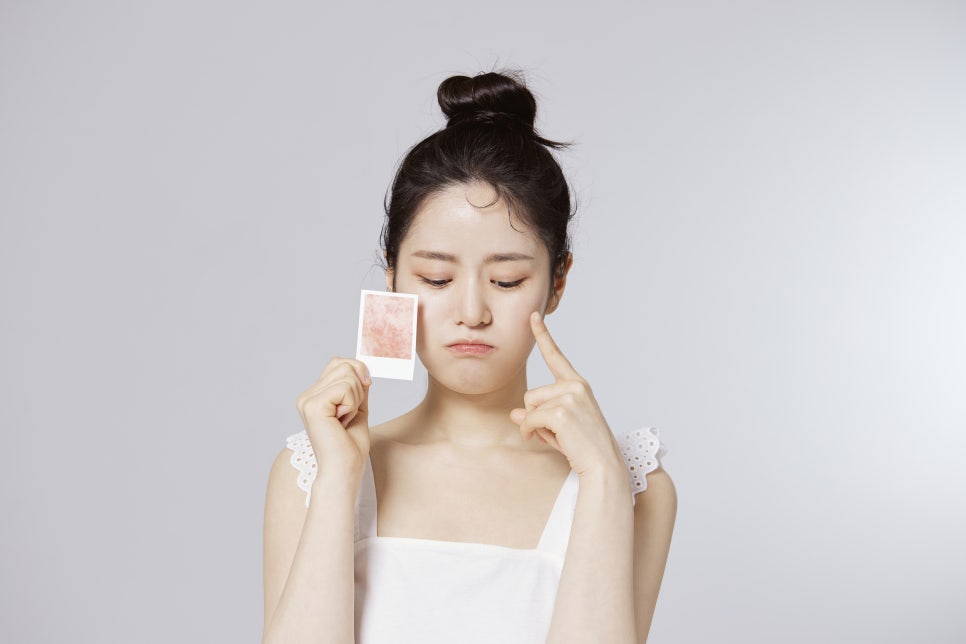
Even people whose skin is usually healthy may suddenly experience flare-ups during seasonal transitions, and those with already sensitive skin may suffer more severe symptoms and feel inconvenienced in daily life. These skin changes may end up being nothing more than simple dryness or temporary breakouts, but if they are not properly managed, the skin barrier can become even weaker and may lead to various skin conditions, so extra care is needed.
So what causes the skin to flare up during seasonal transitions, and what can be done to prevent and relieve itching and bumpy symptoms?
The biggest cause of skin changes during seasonal transitions is the sudden shift in temperature and humidity.
When moving from summer to autumn, the temperature difference between day and night becomes larger, and as humidity in the air drops, moisture in the skin evaporates quickly. On the other hand, when moving from winter to spring, pollen and fine dust increase, which can irritate the skin and raise the likelihood of allergic reactions. These environmental factors make the skin more sensitive and can weaken the skin barrier, triggering various skin problems.

In addition, the skin’s oil-water balance is easily disrupted during seasonal transitions. When skin that has been producing sebum actively during the summer is suddenly exposed to a dry environment, it tries to compensate by producing even more sebum. However, when the skin barrier is compromised, this sebum cannot be released properly and accumulates in the pores, increasing the likelihood of bumpy breakouts.
In addition, external irritants such as fine dust, yellow dust, and pollen can remain on the skin, clog pores, and trigger inflammatory reactions, while reduced immunity, stress, and lack of sleep can also worsen skin problems.

Typical symptoms that can appear when the skin flares up during seasonal transitions include itching, redness, small grain-like acne, flaking skin, dryness, and in severe cases, stinging and a warm sensation.
-
Itching and redness: As the skin becomes dry and sensitive, it may react strongly even to minor irritation, and itching can become severe. If you keep scratching the skin at this point, inflammation can occur and the symptoms are likely to worsen.
-
Small grain-like acne: When the skin suddenly produces too much oil or dead skin cells block the pores, small grain-like breakouts often appear. They commonly form on the forehead, cheeks, and around the chin, and touching or squeezing them with your hands can increase the risk of developing inflammatory acne.
-
Flaking skin and dryness: As the skin lacks moisture, the surface becomes rough and dead skin cells may lift or turn white and flaky. Dry skin loses elasticity and is more prone to wrinkles, so caution is needed.
-
Stinging and a warm sensation: When the skin barrier is damaged, it can react easily even to minor irritation, causing warmth and stinging symptoms.
These symptoms may appear differently depending on skin type and condition, and if proper care is not provided, long-term skin health is likely to worsen.

To prevent skin problems during seasonal transitions and maintain healthy skin, it is important to practice a few key lifestyle habits and skincare methods.
Be thorough with hydration
During seasonal transitions, skin dries out easily, so sufficient moisturizing is essential. After washing your face, apply a moisturizing cream or lotion immediately to protect the skin from drying out, and products containing ingredients such as hyaluronic acid or ceramides can be even more effective.
Use a gentle cleanser that protects the skin barrier
When the skin becomes sensitive, it is better to use low-irritation products rather than cleansing products with strong cleaning power. Washing too often or using hot water can also damage the skin’s protective barrier, so be careful.
Apply sunscreen
Even on days when the sun is not strong, ultraviolet rays can still affect the skin, so it is important to apply sunscreen during the day at all times.
Improve your eating habits
For skin health, it is good to drink plenty of water and consume fresh vegetables and fruits rich in vitamins. On the other hand, oily and irritating foods can increase sebum production and trigger skin problems, so they should be avoided.
Reduce external irritation
On days when fine dust is severe, avoid going out if possible or wear a mask, and after returning home, wash your face thoroughly to remove any pollutants left on the skin.
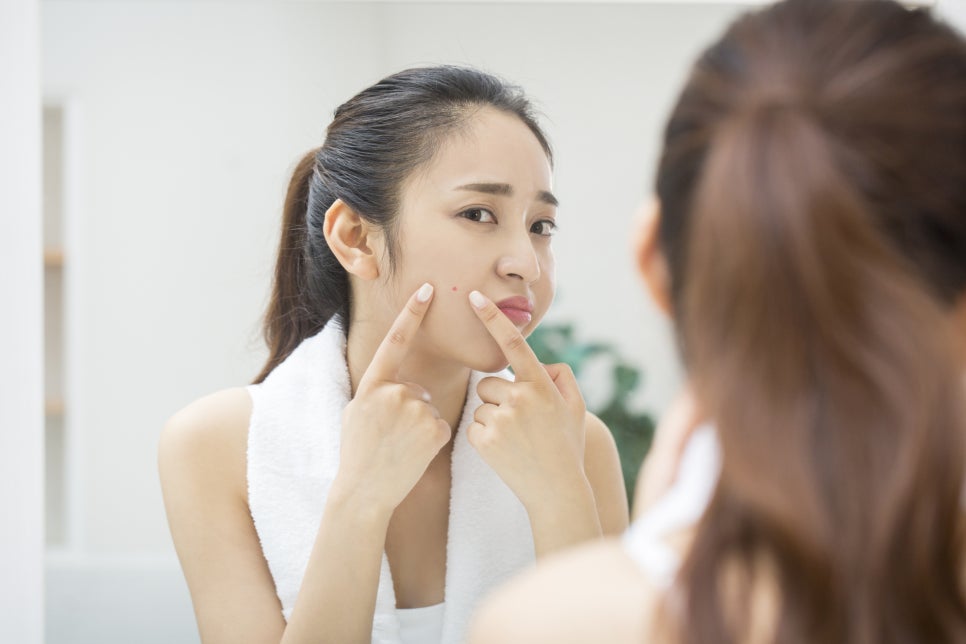
During seasonal transitions, the skin may not adapt well to sudden environmental changes and can become easily sensitive, making it more likely for dryness, itching, and bumpy breakouts to appear. To prevent and improve these symptoms, efforts such as adequate moisturizing care, using low-irritation cleansers, sun protection, and maintaining a healthy diet are necessary.
However, if the symptoms continue severely or gradually worsen despite these efforts, it may be more than simple dryness or breakouts and could indicate a damaged skin barrier, in which case medical skin treatment may be needed. In such cases, it is important to regain skin health through careful consultation and appropriate treatment at a plastic surgery clinic or similar medical facility.