True anti-aging starts with stem cell treatment that helps revive the skin!
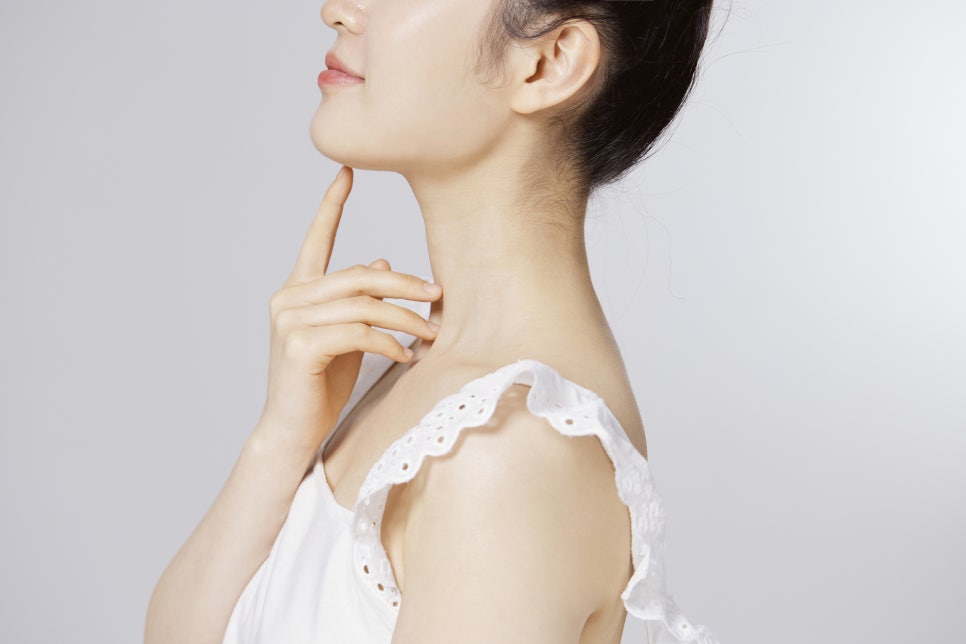
When wrinkles begin to appear and skin starts to lose elasticity, symptoms of skin thinning become more common. For many people, the first anti-aging method that comes to mind is “retinol.”
Retinol, a vitamin A derivative, is known to promote skin regeneration and help collagen production, making it effective for improving wrinkles. As a result, it has steadily remained a beloved key ingredient in cosmetics.
In particular, retinol is seen as a relatively accessible option, which is why it is often recognized as “anti-aging for beginners.”
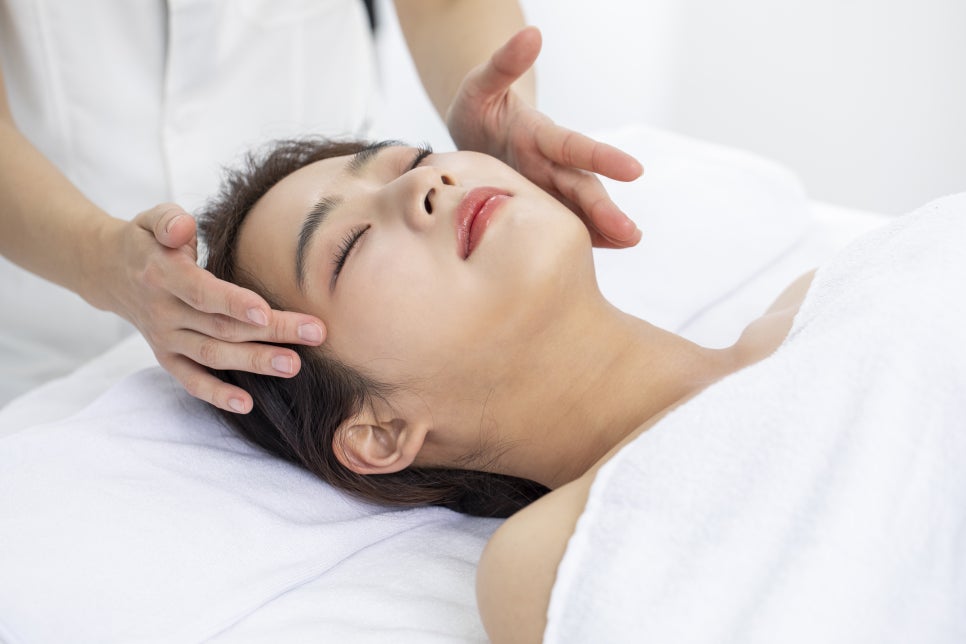
However, many people also say they did not feel as much change as they had expected. “It feels like my skin has gotten thinner,” “I had to stop because it kept irritating my skin,” “My wrinkles are the same, but it just stings.” These reactions are not just exceptional side effects.
That is because retinol’s effects are limited to the skin’s surface. It may temporarily smooth dead skin cells and make the skin look brighter, but over time it can return to its original state. In sensitive skin, the skin barrier may even become weaker.

Ultimately, the problem is depth. Skin aging is not only a problem of the epidermis; the core issue is that the structure itself becomes weaker as collagen and elastin decrease beneath the dermis.
This is also why skin becomes thinner and sinks in, or why it starts to feel saggy. The approach needed for this problem, which cannot be solved by surface-level stimulation alone, is stem cell treatment.
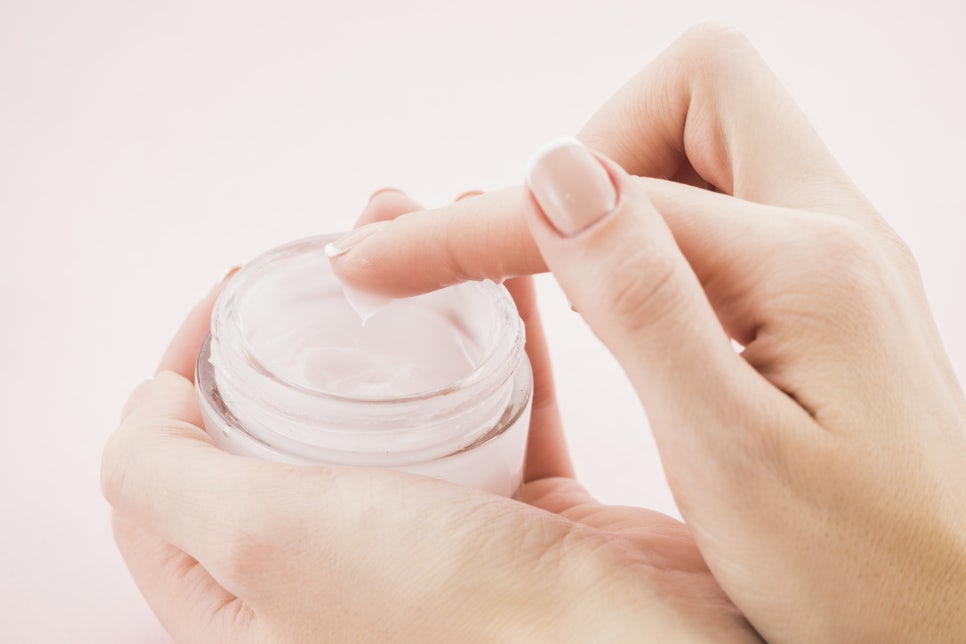
Stem cell treatment works on damaged tissue to boost the skin’s self-renewal and regenerative ability.
Because it works by inducing collagen production from deep within the dermis rather than the epidermis, and by rearranging elastin, the skin’s elastic fibers, it can help rebuild the skin itself. This means it may support recovery of the skin’s structure beyond simple texture refinement or wrinkle improvement.
It can be applied even to thin and sensitive areas such as around the eyes and mouth, allowing for a natural anti-aging approach.
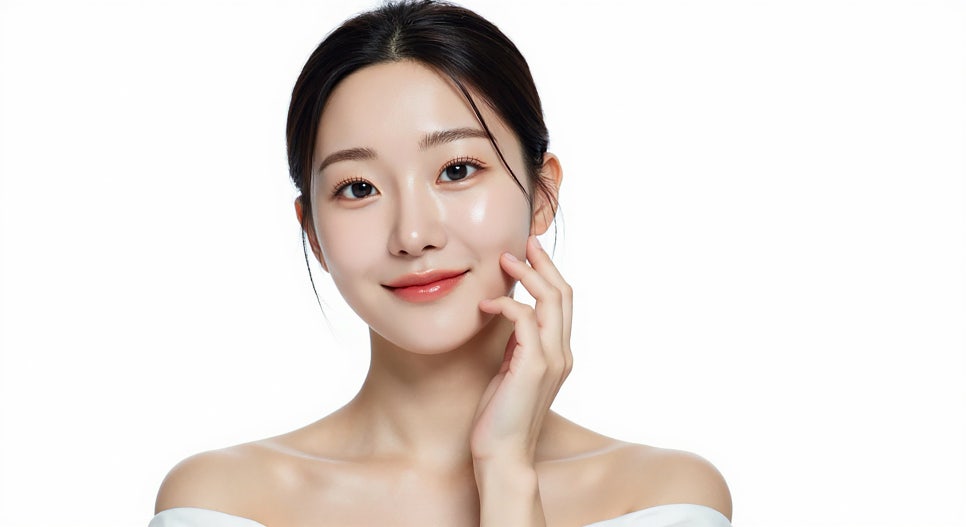
If retinol is a method that warns the skin through irritation, stem cell treatment is a regeneration-based approach that helps the skin recover on its own.
So rather than saying one is better than the other, the strategy should be different depending on the condition of the skin. If retinol has not produced satisfying results, it may be wise to stop repeating stronger stimulation and instead consider a direction that restores the skin’s internal structure.
Anti-aging is not simply about looking younger; its purpose is to maintain healthy, vibrant skin over time. This is also why regenerative treatments that revive the skin’s natural strength are gaining attention, beyond a period of focusing only on the surface.
Because stem cell treatment can be customized according to the skin condition and the degree of aging, it is especially meaningful in that it allows a strategy tailored to each individual’s skin rather than a standardized routine.
If you have used retinol so far and found the results insufficient, or if your skin has become more sensitive or you feel that elasticity is dropping quickly, stem cell treatment is definitely worth considering.
Isn’t an approach that helps the skin recover on its own, rather than irritating it, what true anti-aging is about?