[Bongbong Plastic Surgery]
I’m Curious About the Pain and Swelling After Butt Fat Grafting

To create a body line that looks fuller and more balanced, one of the plastic surgery procedures many people choose is butt fat grafting. In particular, for those who want to enhance the curve between the waist and thigh lines, or for those concerned about having a flat or sagging butt shape, hip line correction through fat grafting is considered an important option that can go beyond simple aesthetics and even help restore confidence.
However, for people considering fat grafting for the first time, the first questions are naturally about practical recovery details such as, “How much pain is there after surgery?”, “How much swelling will there be?”, and “How long will recovery take?”
What Is Butt Fat Grafting?
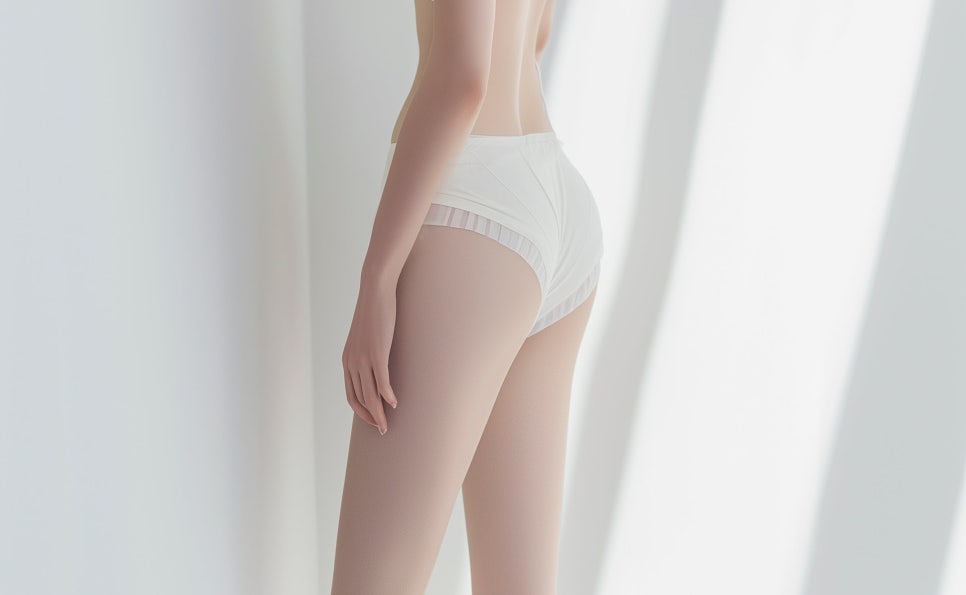
Butt fat grafting is a procedure that improves the shape by injecting fat harvested from one’s own body into the buttocks. Fat is usually collected from areas such as the abdomen, thighs, or flanks, then refined before being grafted. While this process has the advantage of being a non-implant method that places relatively little strain on the body, both the area where the fat is harvested and the area where it is injected experience a certain level of tissue damage and inflammatory response, so some pain and swelling are unavoidable.
How Much Pain Is There After Butt Fat Grafting?
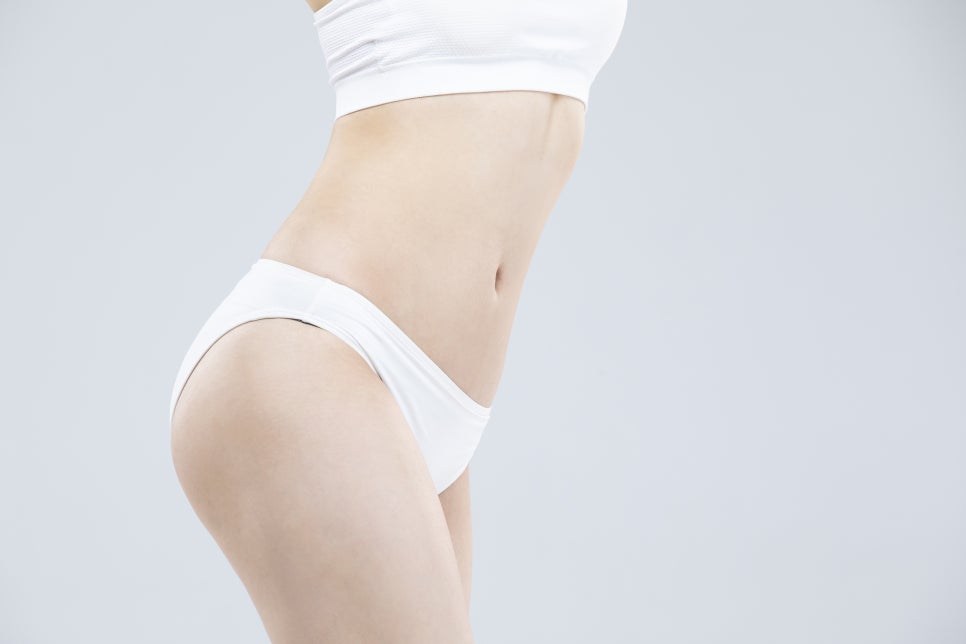
First, when it comes to pain, most people who undergo fat grafting begin to feel it gradually after the anesthesia wears off rather than immediately after surgery, and the pain is often stronger in the area where the fat was harvested. The area where fat is injected into the buttocks involves a broad anesthetized area and treatment is performed deep under the skin, so the sensation is relatively more of a heavy, stiff feeling. Many people describe it as similar to muscle soreness or a bruise rather than a sharp pain.
On the other hand, the area where liposuction is performed may hurt a bit more because pressure is applied as the fat is removed and tissue is damaged. In particular, if a large amount of fat is collected from the thighs or abdomen, even sitting, standing, or walking can feel temporarily uncomfortable.
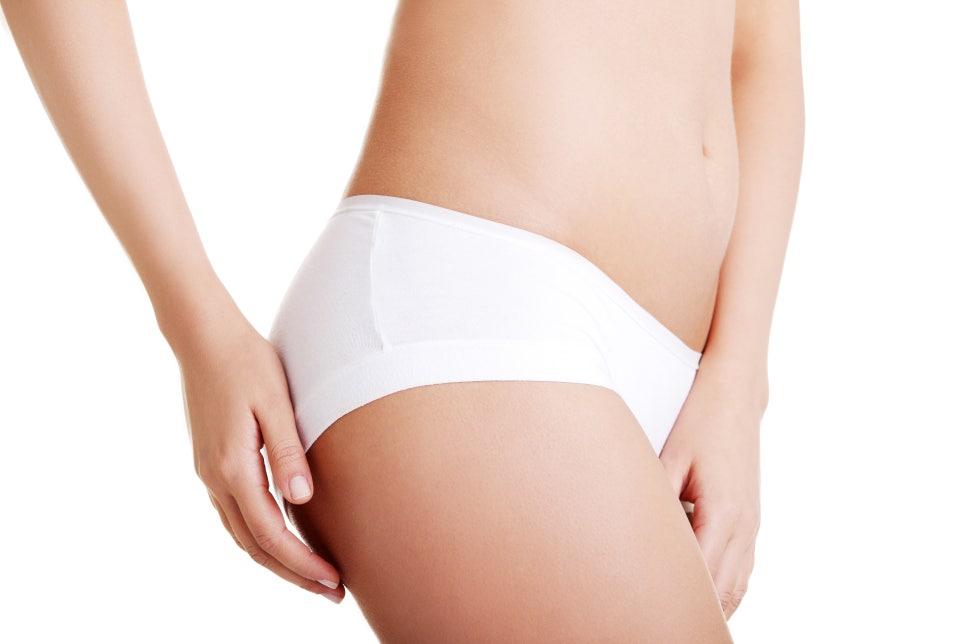
In general, this pain is strongest around 2 to 3 days after surgery and then gradually decreases. After about a week, most people begin to recover to the point where daily life is not greatly affected. Of course, this varies from person to person, and those who are sensitive to pain or who had a large amount of fat suctioned may need a slightly longer recovery period. In such cases, it is common to take painkillers as directed by the plastic surgery specialist to help with recovery.
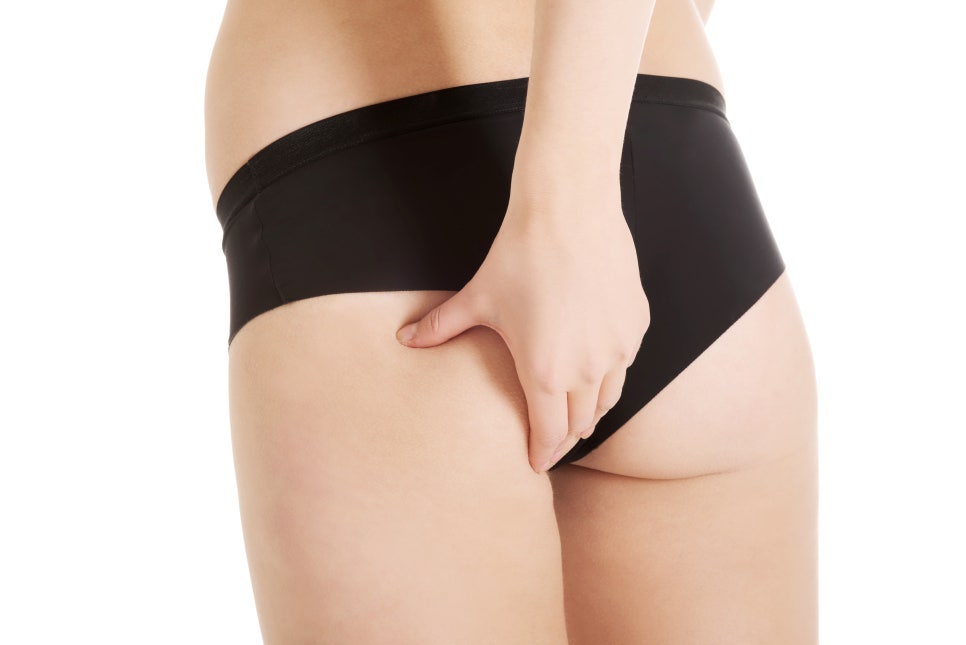
Next, looking at swelling, swelling after butt fat grafting tends to last longer than pain. In particular, while the injected fat is settling into the buttocks, localized swelling may develop, and that area may feel firm or even uneven to the touch. As the fat naturally integrates into the tissue and takes hold, the body triggers an inflammatory response and increases blood circulation, which naturally leads to bruising and swelling.
Swelling usually gets worse until about one week after surgery and then gradually starts to subside. On average, visibly noticeable swelling decreases significantly after about 2 to 3 weeks, but it can take one month, and in some cases as long as two to three months, for the swelling to fully go down and for the tissue to become more flexible.
During the first few weeks when the grafted fat is taking hold, it is necessary to wear compression garments sufficiently and avoid strenuous exercise or a sedentary lifestyle. In particular, for the first 1 to 2 weeks after surgery, it is very important to avoid positions that place direct pressure on the buttocks as much as possible, such as sitting for long periods or squatting on the floor, in order to improve fat retention. Using a medical cushion to help distribute body weight is also a good method.
In addition, butt fat grafting is not limited to managing physical pain or swelling alone. Temporary numbness, a pulling sensation, or a feeling of discomfort may also appear after surgery, so during recovery it is necessary to take enough time, watch for changes in the body, and adapt naturally.
These symptoms usually recover within a few months. As the fat retention rate increases, the buttock volume stabilizes and a natural curve forms, so it is better to look at the medium- to long-term results rather than focusing only on short-term discomfort.
Butt fat grafting is a relatively safe body contouring procedure, but pain, swelling, and temporary discomfort after surgery are unavoidable. How well you understand and prepare for these matters can greatly affect your satisfaction with the procedure. If you receive a thorough consultation before surgery to carefully assess your body shape, skin elasticity, amount of fat, and recovery speed, and then establish a systematic aftercare plan, you may achieve more satisfying results.