[Bongbong Plastic Surgery]
How to Remove Sagging Belly Fat: Abdominoplasty!
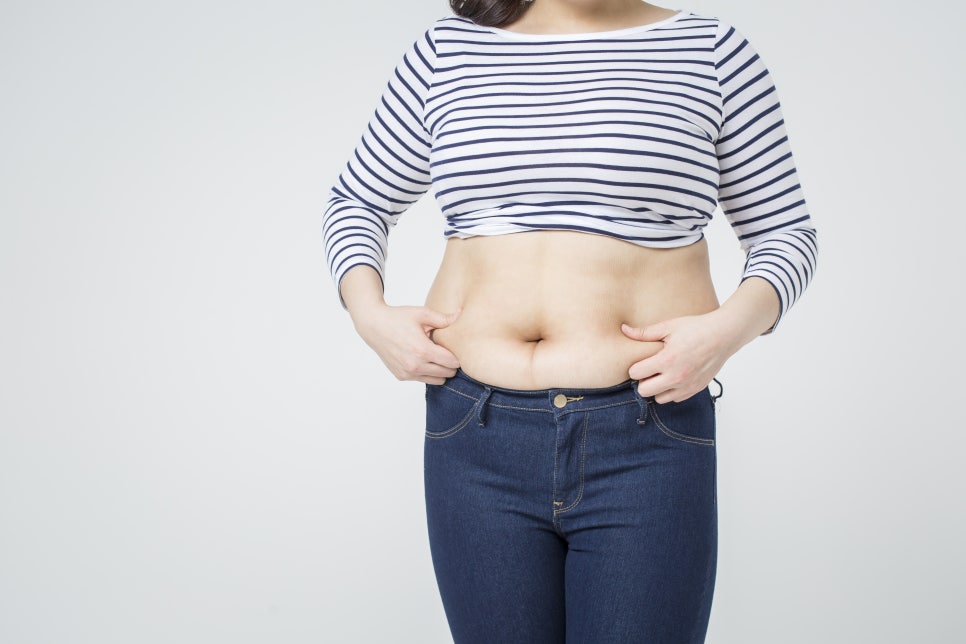
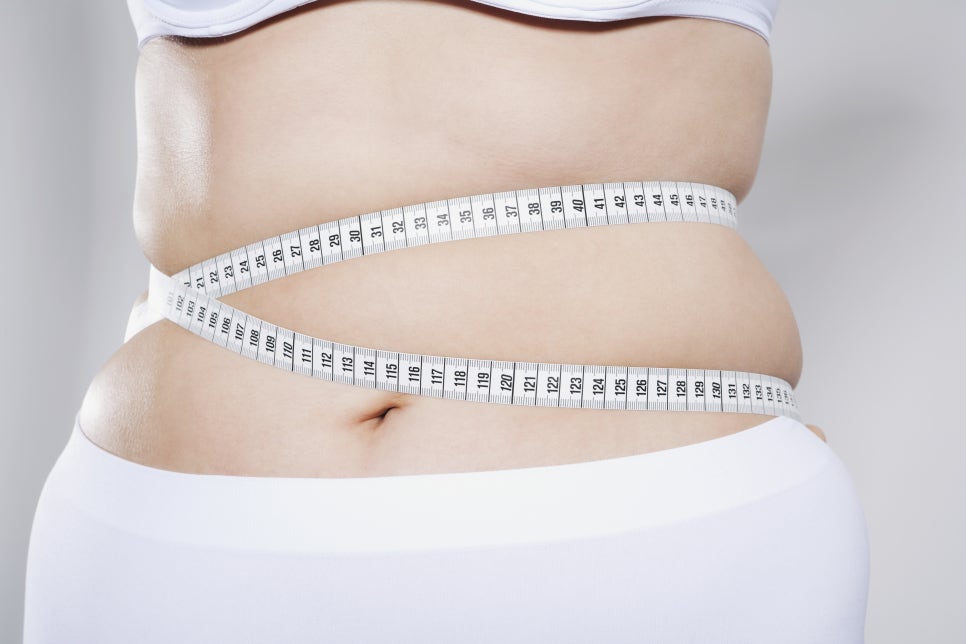
One common problem experienced by people who have gone through childbirth or sudden weight changes is skin and fat around the abdomen that lose firmness and start to sag. In particular, if you have lost weight through dieting but your stomach still looks saggy, or if you keep exercising to define your waistline but your abdomen still does not flatten out, the issue may not simply be body weight. It may be a problem with the abdominal skin, muscle layer, or the structure of the abdominal wall itself.
This kind of abdominal laxity, which is difficult to improve no matter how much you adjust your diet or exercise, is one of the main reasons many people lose confidence in their appearance.
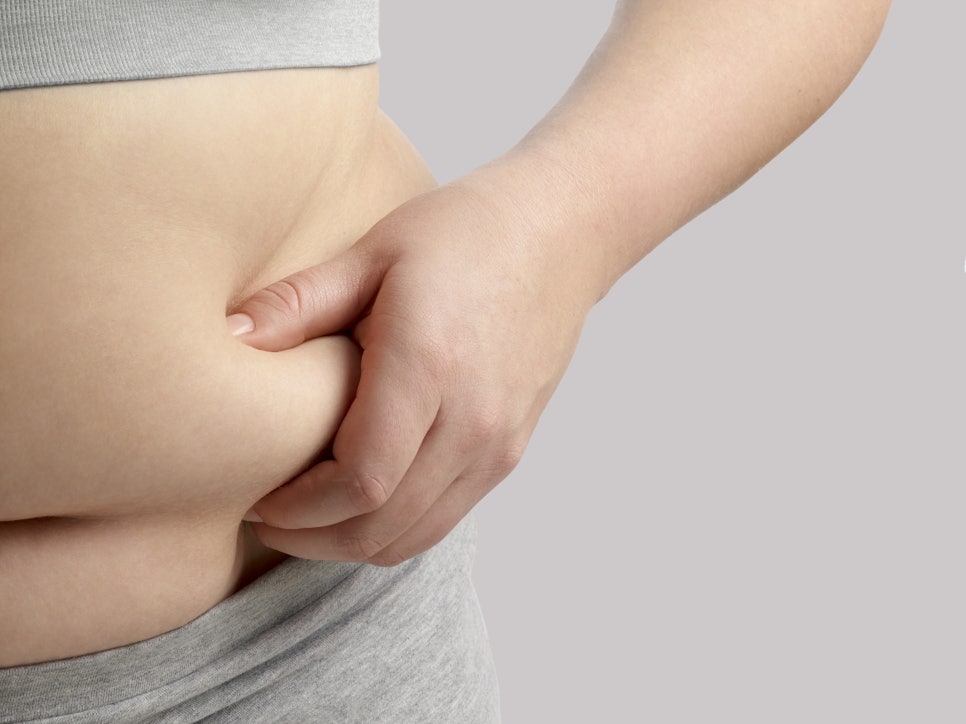
The bulging belly fat that shows through whenever you wear fitted clothing can be bothersome, and for many women, the reality of not even being able to imagine wearing a swimsuit or crop top in the summer can become a psychological burden. Especially when stretch marks after childbirth, sagging skin, and separated rectus abdominis muscles are all present together, the condition may become difficult to improve with ordinary exercise or management.
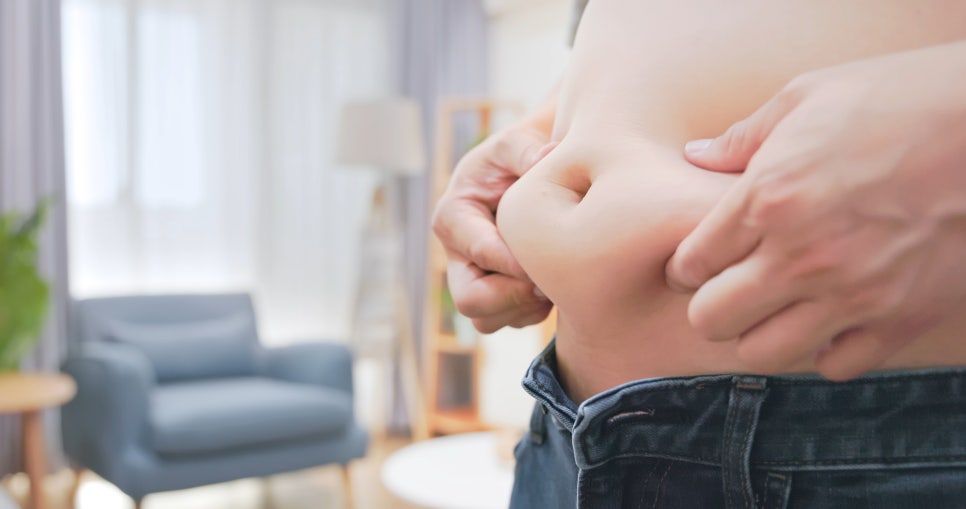
One option to consider in this situation is "abdominoplasty." Abdominoplasty is not simply a procedure to remove fat; it is a surgery that removes loose skin and fat from the abdomen while also tightening the rectus abdominis muscles, which may have separated due to pregnancy or obesity. As a result, the entire abdomen becomes firmer and more elastic, creating a much smoother silhouette than before.
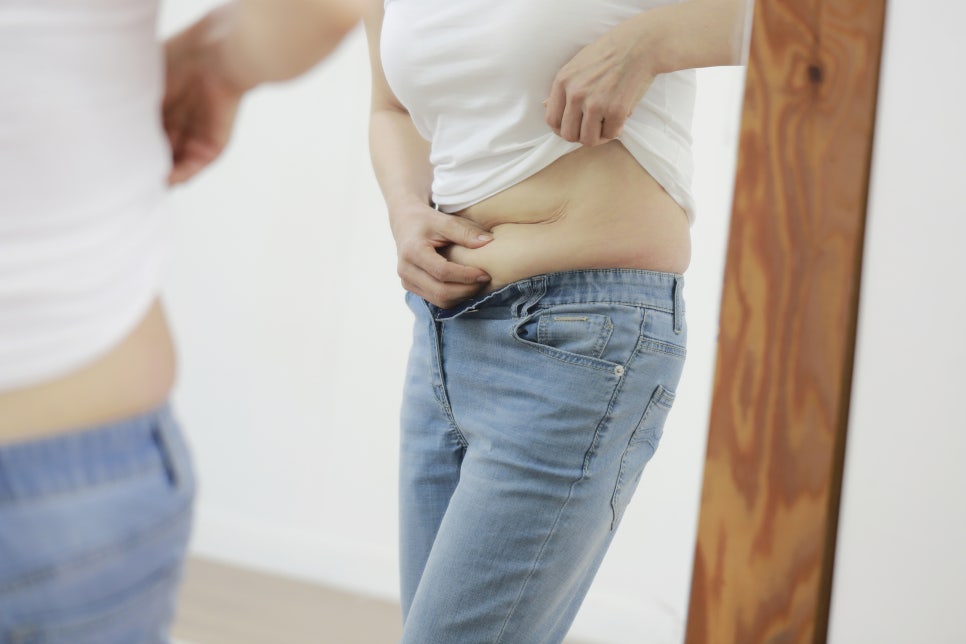
Abdominoplasty is especially recommended in the following cases.
First, when the abdominal skin and fat have stretched after pregnancy or childbirth, causing the abdominal line to sag, or when the abdomen protrudes because the rectus abdominis muscles have separated. Second, when someone has experienced rapid weight loss or undergone liposuction, but the remaining skin has lost elasticity and hangs downward. Third, when stretch marks are widespread and the skin itself is sagging, creating cosmetic concerns. Fourth, when there is a large, noticeable vertical scar in the lower abdomen from a previous cesarean section or similar surgery. For those who feel cosmetic dissatisfaction with their abdomen for these various reasons, abdominoplasty can be a more definitive solution.
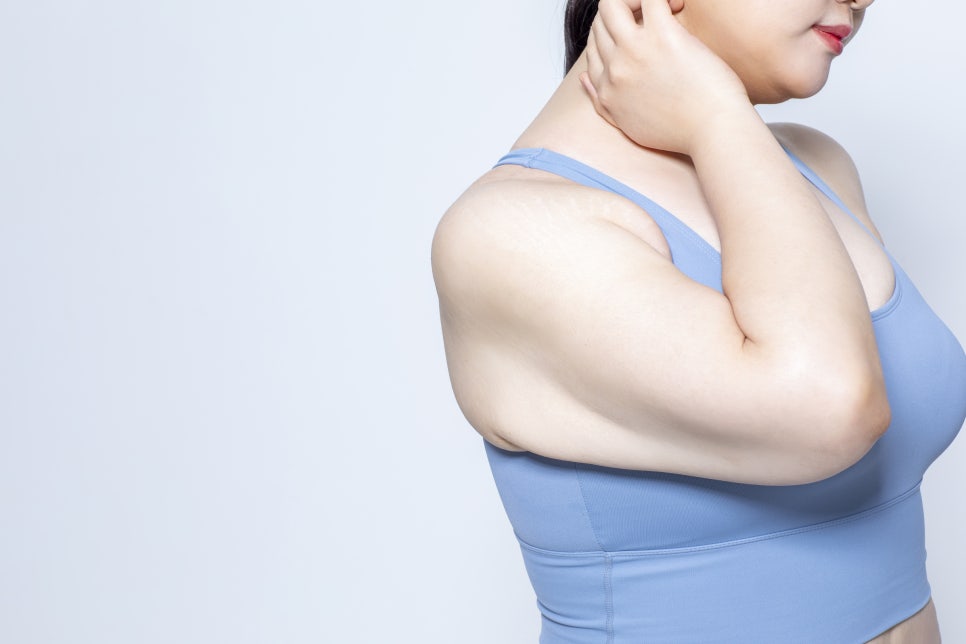
Another procedure that is often confused with abdominoplasty is liposuction. Liposuction, as the name suggests, reduces fat by suctioning out only the fat beneath the skin. This procedure is effective when the skin still has sufficient elasticity and is suitable when the goal is to reduce fat without sagging skin.
However, people who need abdominoplasty often have significant skin laxity or separated abdominal muscles, so if only liposuction is performed, the skin may appear even looser and the desired result may be difficult to achieve. In other words, when reduced elasticity or rectus diastasis is present, abdominoplasty is more appropriate than liposuction.
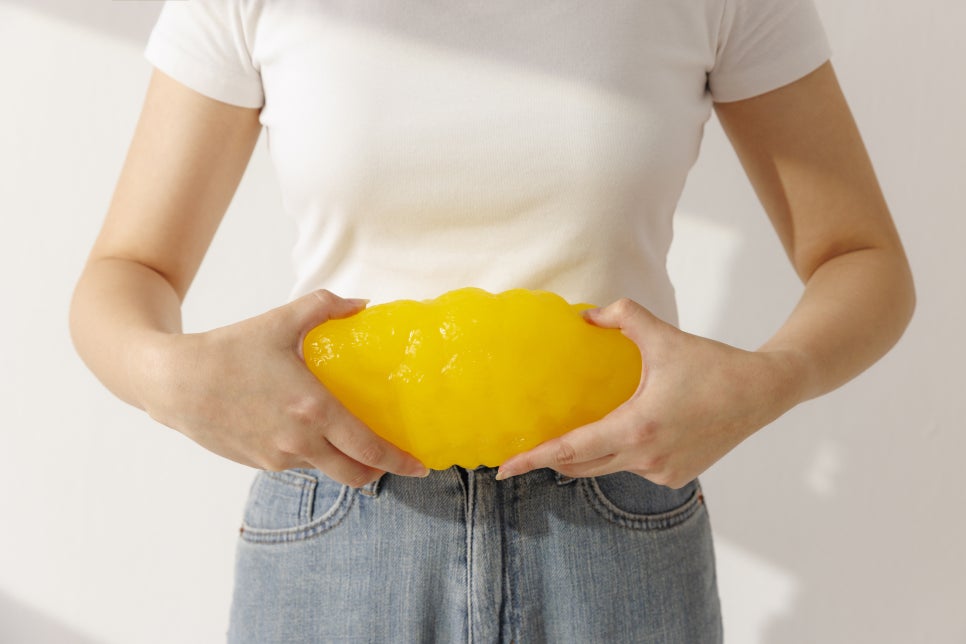
Abdominoplasty is performed in several different ways depending on the scope of surgery and the individual's condition.
For example, if the degree of sagging is relatively mild and the drooping is centered only in the lower abdomen, a "mini abdominoplasty" may be applied. If there is a moderate amount of sagging and muscle separation, a "medium abdominoplasty" may be performed. If sagging and loss of elasticity are severe throughout the entire abdomen, a "full abdominoplasty" is used. The surgical range and method are determined through consultation with a board-certified plastic surgeon, taking into account the individual's abdominal condition, lifestyle habits, and future plans.
After abdominoplasty, during the initial recovery period, tightness around the wound area may prevent you from fully straightening your back, so you may need to walk in a slightly bent posture. This is a natural part of the recovery process, and over time you can gradually return to your usual posture.
During recovery, smoking and drinking are best avoided for at least one month because they delay wound healing and increase the risk of inflammation. Strenuous exercise that may strain the abdomen should also be avoided for at least 6 to 8 weeks.
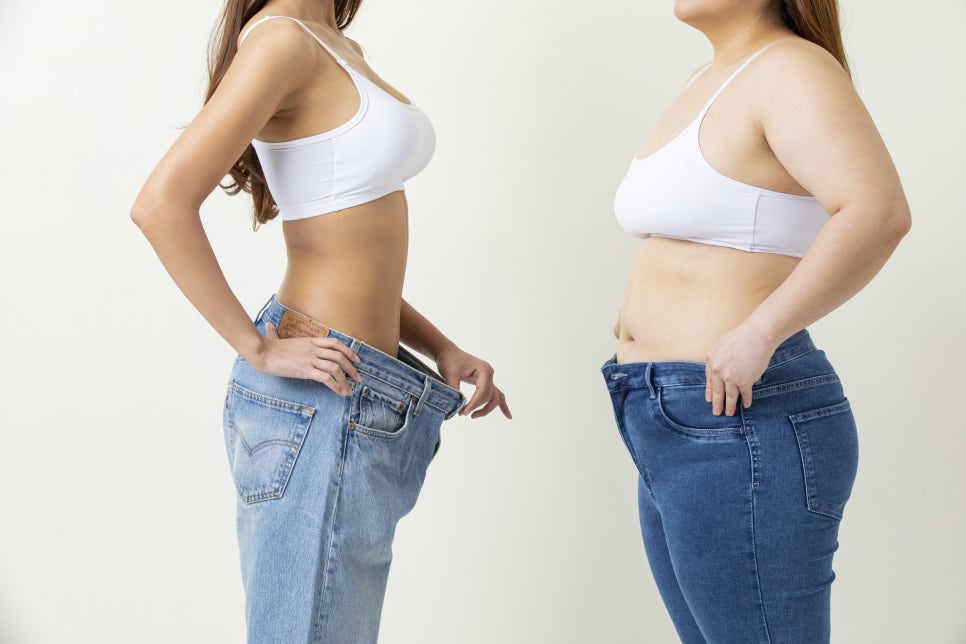
Abdominoplasty is not just a surgery for external beauty. Because it can help restore abdominal muscle function, improve posture, and even ease lower back pain, it can be a beneficial option that offers both cosmetic and functional effects. However, as with any surgery, the most important thing is to make a careful decision based on sufficient consultation and a clear understanding of the procedure.
If you have long struggled with sagging belly fat and have lost confidence over time, now may be the time to look for an improvement beyond simple dieting. Abdominoplasty can be one way to bring positive changes to both your body and your mind.