[Gangnam Plastic Surgery]
What Should You Do When Your Lower Belly Sticks Out and Belly Fat Won’t Go Away?
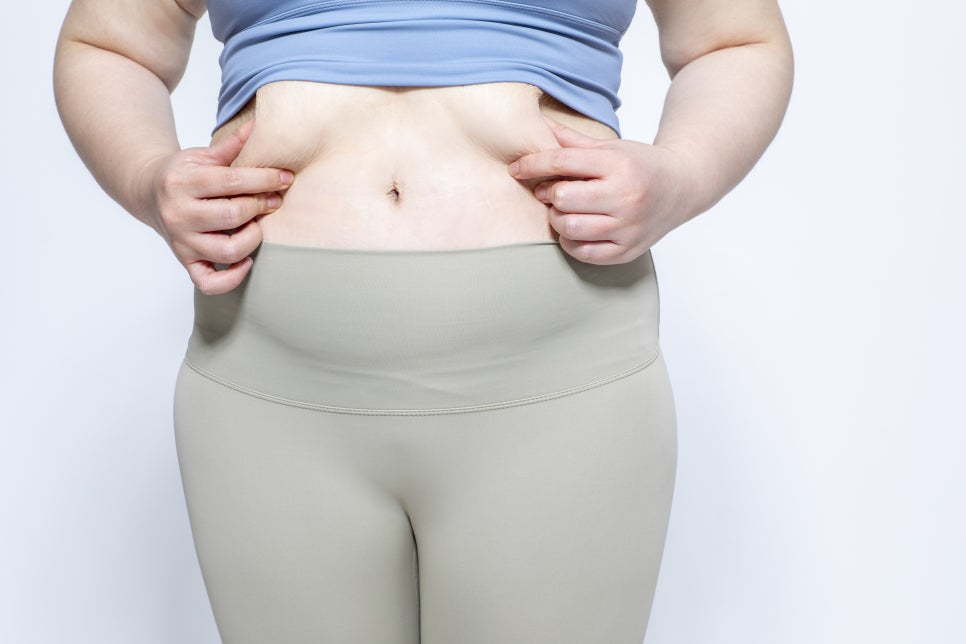
One of the body-shape changes that modern people worry about the most is definitely the abdomen—especially the lower belly fat that stubbornly remains and never seems to go away. Even if you try controlling your diet to lose weight, exercise regularly, or combine aerobic exercise with strength training to reduce overall body fat, the lower belly often remains unusually stubborn and stays in place.
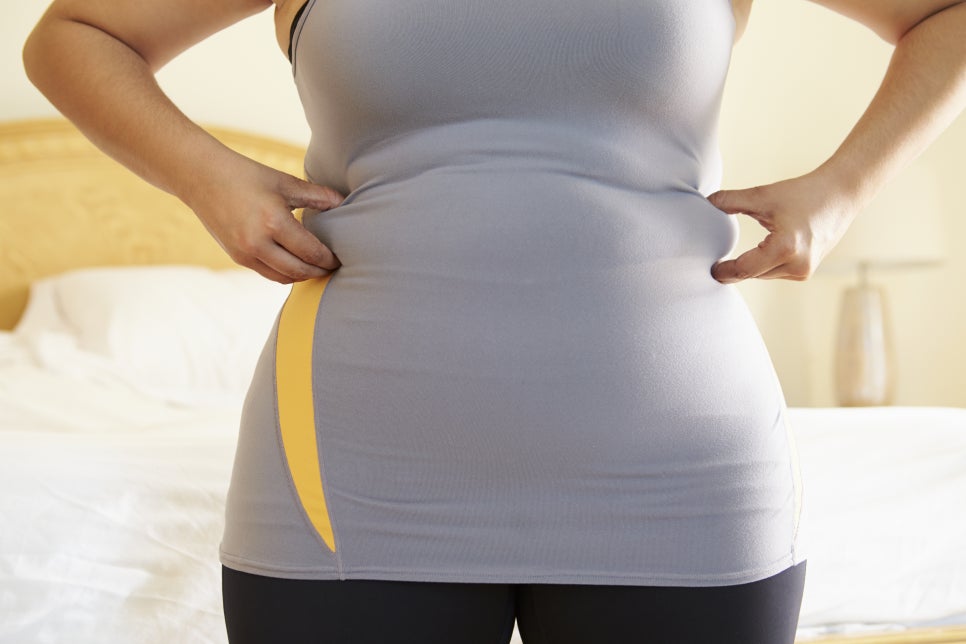
This phenomenon, where lower belly fat is harder to lose than fat in the upper body or lower body, can go beyond a simple weight issue. It may be the result of complex factors such as the physiological characteristics of abdominal fat, aging, childbirth, and changes in body shape.
In particular, even when a person does not weigh much, if the belly sticks out noticeably, clothes do not fit well, or the lower abdomen protrudes even when viewed from the front, it is often difficult to improve with diet or exercise alone.
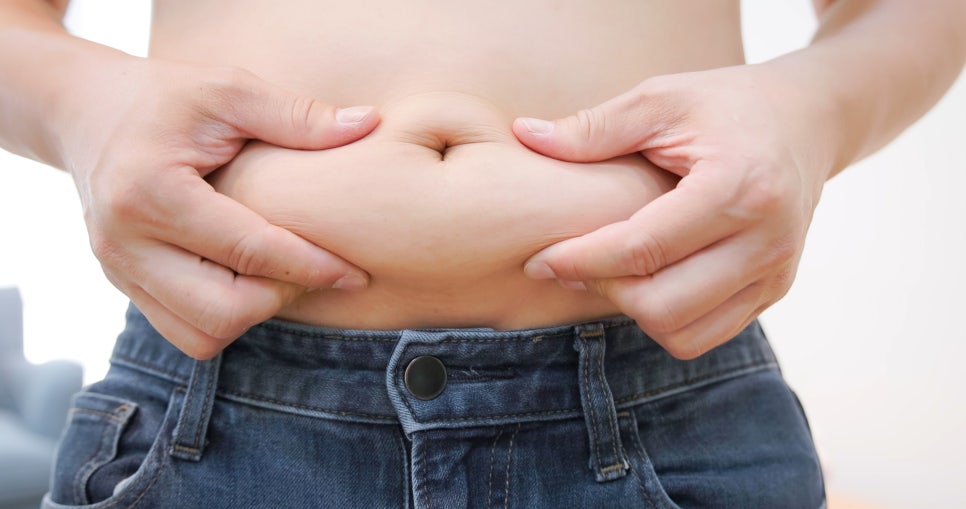
Abdominal fat can be broadly divided into two types.
One is subcutaneous fat, which lies just beneath the skin, and the other is visceral fat, which exists between the organs. In general, with consistent dietary control and aerobic exercise, visceral fat can be reduced to some extent. However, subcutaneous fat has relatively poor blood circulation and takes a long time before the body uses it as an energy source, so it tends to accumulate more easily and decrease more slowly.
In particular, the lower belly is an area with little activity and where the abdominal muscles are not used much, so fat is more likely to build up there. As a result, after fat accumulates continuously over a long period of time, the skin stretches, the rectus abdominis muscles loosen, and the entire abdomen often loses its elasticity and becomes fixed in a sagging shape.
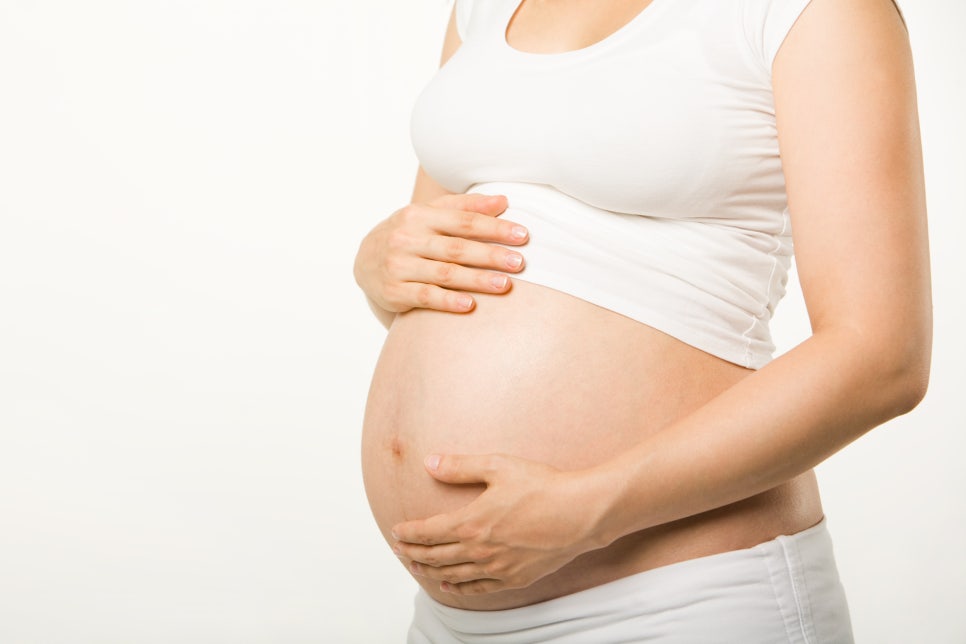
In addition, for women who have experienced childbirth, the rectus abdominis muscles often separate due to pregnancy, and the skin may stretch severely and remain that way without fully recovering. Even years after giving birth, the lower abdomen may still not return to its original state, leading others—and even the person herself—to mistakenly ask, "Are you pregnant?" This can lower self-esteem and increase stress about appearance.
In particular, relaxation of the rectus abdominis is not only a cosmetic issue. It can also weaken core stability in the abdomen, causing lower back pain or postural imbalance. Even with exercise, the central abdominal muscles cannot properly do their job, which places limits on body-shape improvement as well.
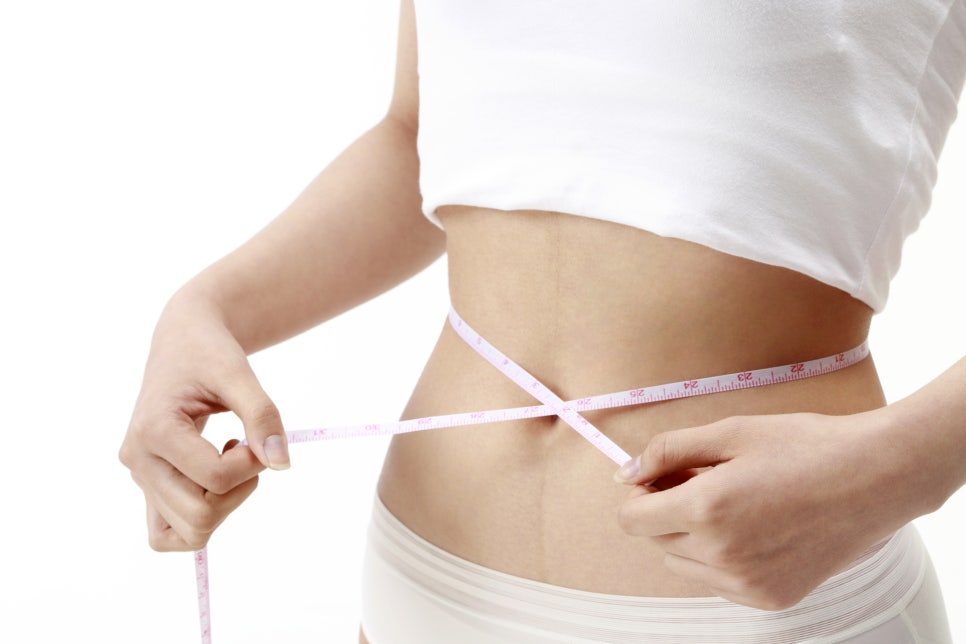
When these complex issues are involved, visible improvement can be difficult no matter how many times you repeat dieting and exercise. In such cases, a more direct and structural approach is needed. One treatment that can be considered in this situation is surgery called abdominoplasty.
Abdominoplasty is not simply liposuction or removal of fat. It is a surgery that corrects stretched skin, excess subcutaneous fat, and separated rectus abdominis muscles all at once, and it is a fundamental body-shape improvement method that restores structural stability to the entire abdomen.
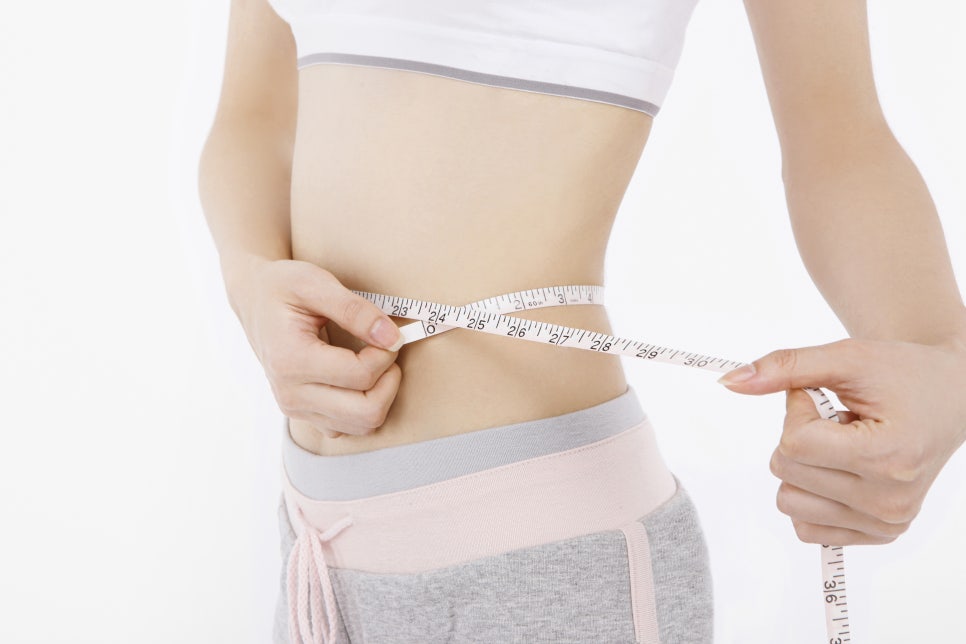
In particular, by focusing on the fat and sagging concentrated in the lower abdomen, removing skin, and suturing the internal muscle layer, the rectus abdominis, the support strength of the abdominal core is restored. This makes it possible to recover a firm and flat abdominal line that can never be achieved through simple dieting or procedures.
Because the stretched skin itself is removed, this surgery can also improve abdominal wrinkles, stretch marks, and skin sagging caused by childbirth or rapid weight changes at the same time. After surgery, clothing fits noticeably differently, and patients often experience a surprising improvement in satisfaction with their body shape and in their confidence.
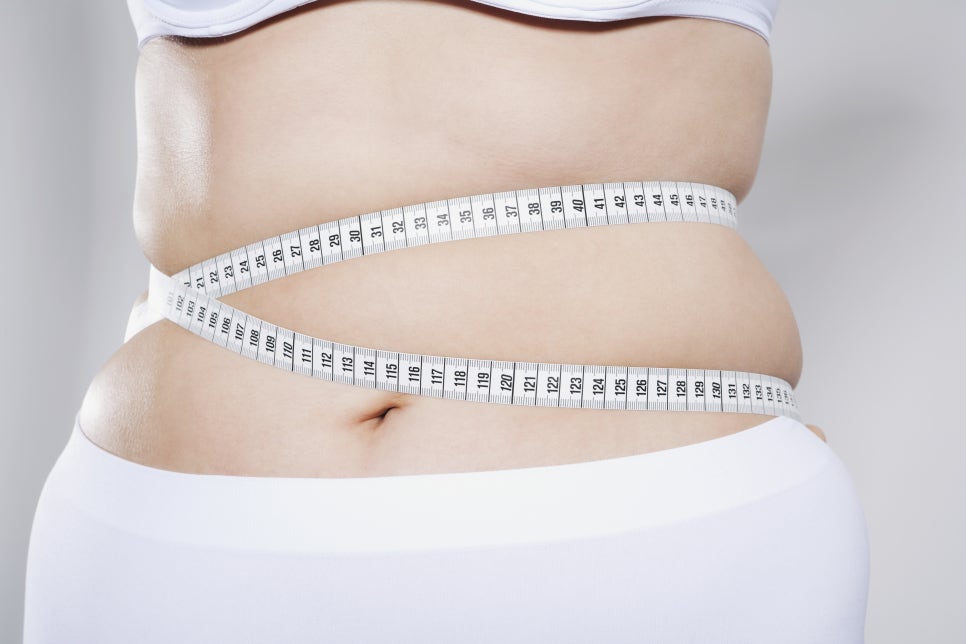
Above all, the biggest advantage of abdominoplasty is that the result is a structural change, not a temporary one. Since it is a surgery that restores the muscles and skin to their original position and removes unnecessary tissue, long-lasting effects can be expected from a single operation. If weight management and exercise are maintained after surgery, it is even possible to keep a more beautiful abdominal line than before childbirth.
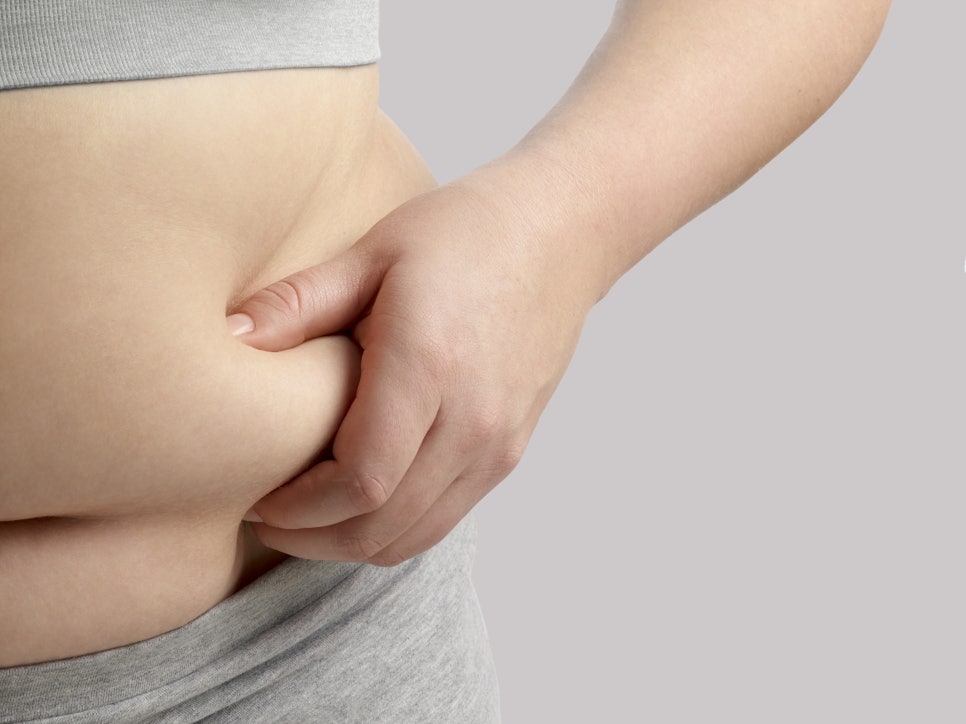
Ultimately, if the bulging and sagging lower abdomen is not simply the result of failed dieting but rather stems from a combination of reduced skin elasticity, muscle relaxation, and fat accumulation, then it may be time to move beyond repeated diet and rebound cycles and consider a more fundamental and structural solution.
Surgery may feel burdensome, but if it is performed under the accurate diagnosis and surgical plan of an experienced plastic surgeon, abdominoplasty can be a very effective option that satisfies both functional recovery and aesthetic satisfaction. The changed abdominal line after surgery may go beyond a simple change in appearance and positively affect your attitude toward life, confidence, and daily routine, making it a much stronger source of motivation than any previous attempt :)