[Bongbong Plastic Surgery]
Slow aging? Reverse aging?
A new trend for preventing aging
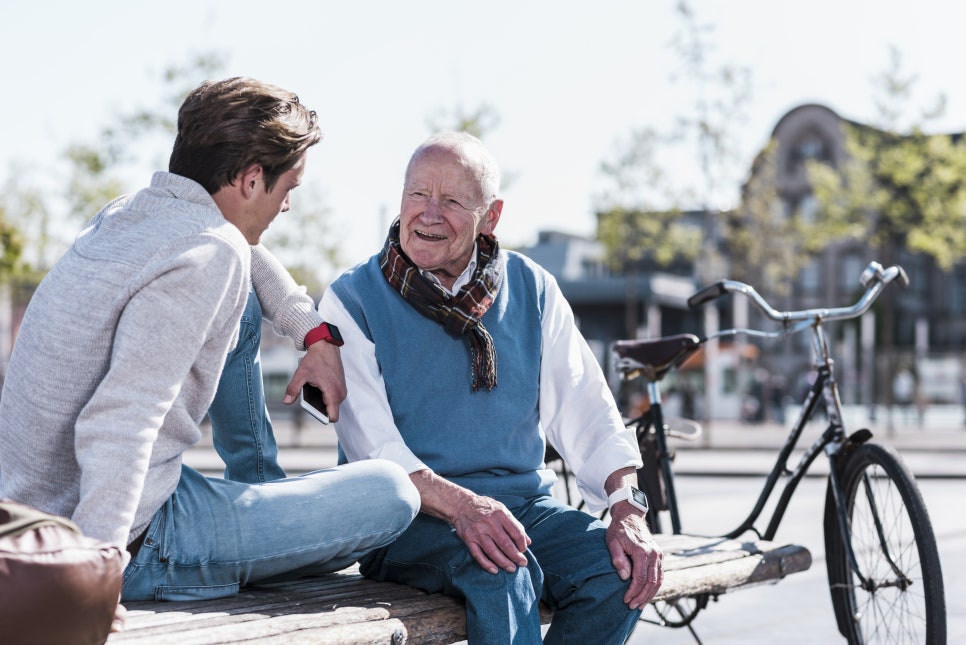
We cannot avoid growing older as we live, but recently, as efforts to actively respond to this natural biological rhythm have spread worldwide, interest has shifted beyond simply maintaining a youthful appearance to controlling or even reversing aging itself. In the past, changes in appearance—such as wrinkles or loss of elasticity—were something people simply accepted, but now, as individual lifestyles combine with advances in medicine, the two key concepts of “slow aging” and “reverse aging” have become representative trends in aging management.
“Slow aging”
A philosophy that says aging should be slowed, while preserving naturalness

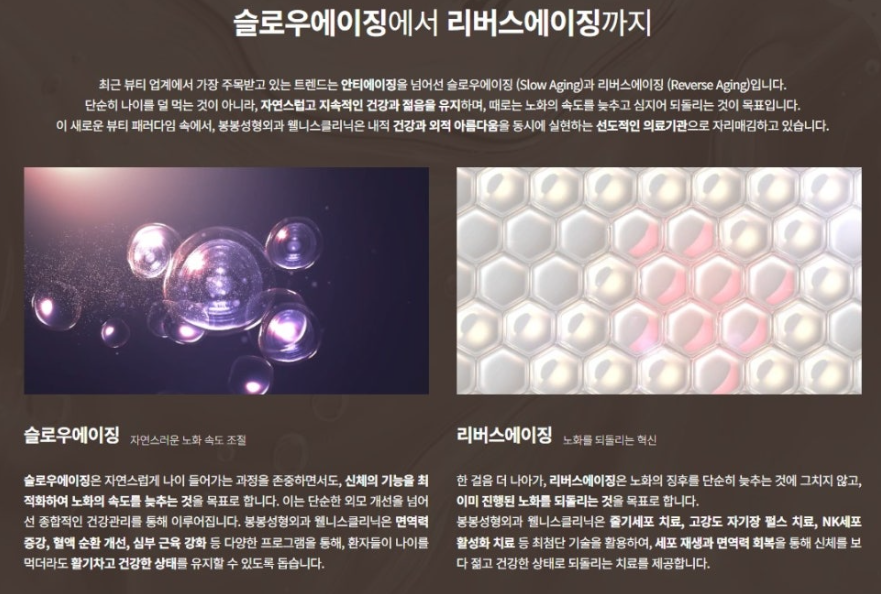
First, the concept of “slow aging” is not simply a measure to stop getting older, but rather an approach that seeks to control the speed of the aging process without artificially resisting it. Instead of suddenly creating a younger-looking appearance, it refers to slowing the decline of the skin, muscles, hormones, and cellular function as much as possible through everyday habits and appropriate medical support, while above all aiming for a natural beauty that harmonizes with the person’s age, facial features, and overall atmosphere.

Representative methods for practicing slow aging include high-frequency lifting to maintain skin elasticity, microinjection procedures, collagen regeneration-inducing care, and improving the body’s nutritional balance with an emphasis on antioxidants. This is a comprehensive approach focused not only on appearance, but also on restoring the body’s overall function.
In particular, in plastic surgery, slow aging focuses on creating dimension with subtle procedures rather than excessive volume, maintaining skin texture, and creating a healthy, lively impression that suits the person’s age.
“Reverse aging”
A challenge to turn back aging that has already begun

On the other hand, “reverse aging” is a more challenging and innovative concept that aims to return already-progressed signs of aging to their original state, focusing not merely on slowing aging but on rewinding the body’s biological age itself.
Thanks to the rapid advancement of medical technology in recent years, we are now entering an era beyond mere “recovery” and into regeneration and reversal. Representative examples include stem cell therapy, activation of autologous immune cells, high-intensity magnetic pulse therapy, and the injection of growth factors into plasma. These approaches aim to fundamentally restore damaged cells and tissues, with the goal of returning not only the skin but also organ function, immunity, and energy levels to a younger state.
In plastic surgery, to realize reverse aging, efforts are being made to recover both a younger appearance and function through a combination of approaches such as stem cell-based injectable recovery therapy and smart lifting that also takes facial muscle function into account. This can be understood as a concept that goes beyond simple wrinkle improvement and is closer to restoring biological “youth” itself.
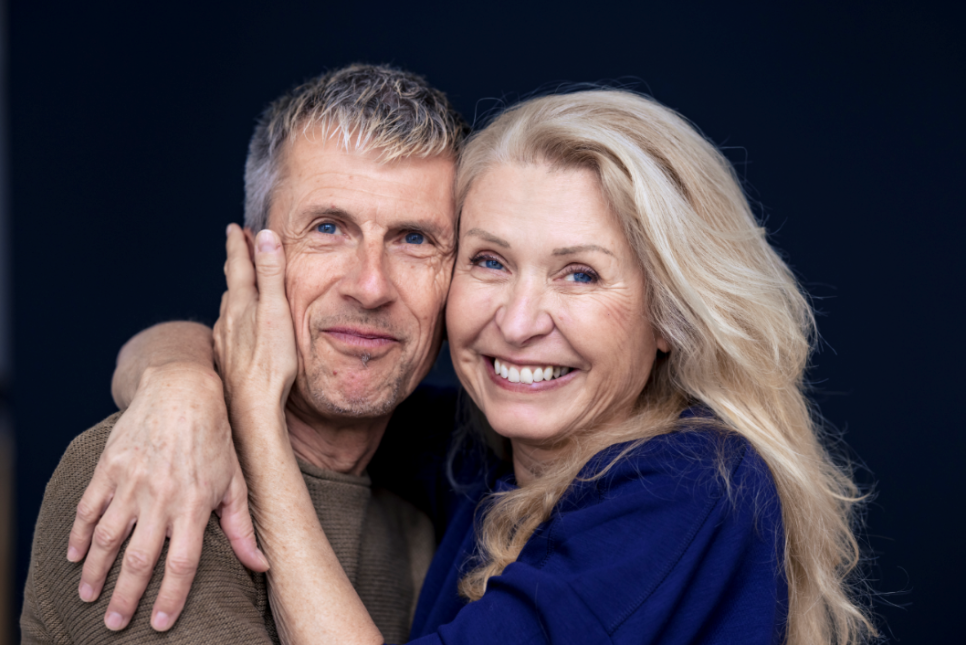
In this way, slow aging and reverse aging aim for the same destination, but they differ in their approach, timing, and depth of technology. Ultimately, the key shared goal is not simply pursuing changes in appearance, but continuously maintaining healthy beauty.
Many people want to manage both their present and future selves under a long-term plan rather than expecting results only at a specific point in time. Medical institutions such as plastic surgery clinics are responding to this demand by providing comprehensive anti-aging solutions based on personalized plans, including aging prevention and recovery, improved immunity, and strengthened skin barriers.
In conclusion, whether it is slow aging or reverse aging, what matters is accurately understanding your own condition and choosing a strategic approach that fits it. Simply hoping to look younger can place an unnecessary burden on the body, so under the diagnosis of medical professionals, objective condition analysis, appropriate procedures, and lifestyle improvements must be carried out together in order to achieve highly satisfying results.

Aging comes to everyone, but because the speed and direction of aging can be chosen, now may be the wisest time to create your own “youth maintenance strategy.”
Will your aging plan be slow, or reverse? The answer is always within the way you live your life :)