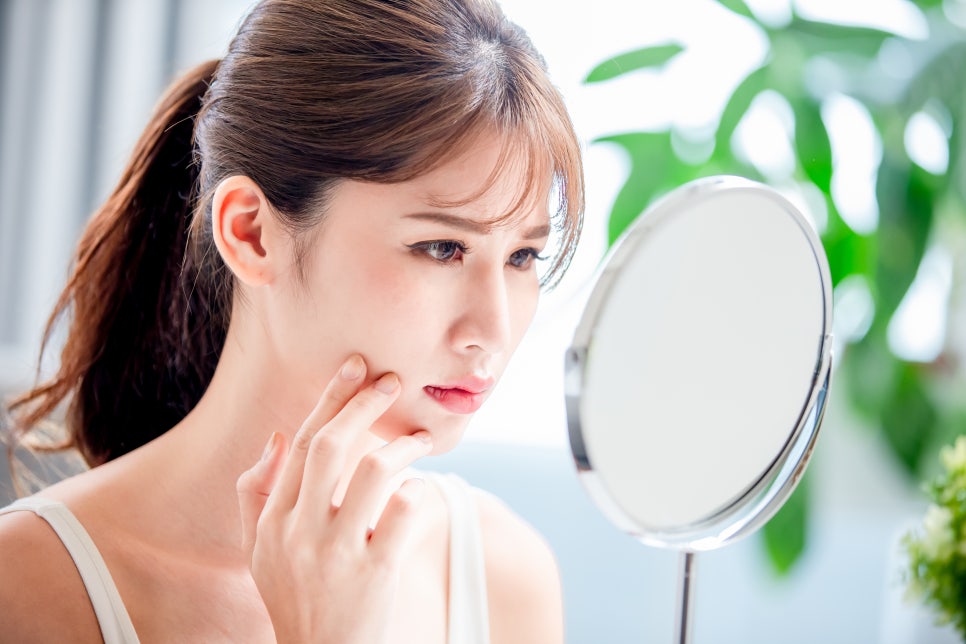
Clear, lively skin gives the impression of health and vitality regardless of age. On the other hand, dull-looking skin can make you seem more tired or older than you really are, so it is something many people pay attention to.
But did you know that the causes of dullness, which are often thought of simply as blemishes or fatigue, are actually much more varied?
The most common reason skin becomes dull is excessive melanin pigmentation. In particular, when exposed to ultraviolet rays frequently, the skin produces melanin to protect itself, and this pigment stays on the skin’s surface, making it appear darker.
If dead skin cells do not shed properly or waste buildup accumulates, the skin’s natural radiance decreases, adding to the dullness.
Another cause is that the skin’s regeneration cycle slows down as we age. From the late 20s onward, the skin’s elasticity and moisture-retention ability gradually decline, and cellular aging begins deep within the skin layers.
As a result, the skin texture becomes rougher and the tone less even, creating an overall look that seems tired and lacking in vitality.
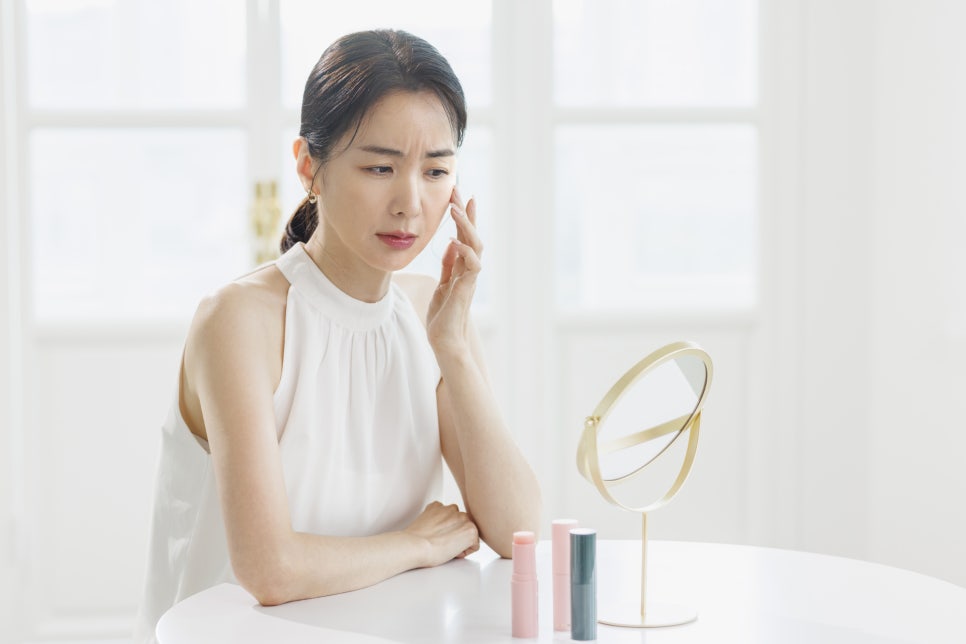
These changes are not just a matter of what appears on the surface; they are also related to changes in the skin’s internal structure. For example, a decrease in the density of collagen and elastin in the dermis, along with reduced blood circulation, are things that are difficult to address with simple skin care alone.
Especially after the 30s, functional changes begin in earnest, so it is not easy to maintain the skin condition you want with basic cosmetics alone.
So when should anti-aging care be considered? Skin experts say that rather than a specific age, the right time is the moment you start noticing changes in your face in the mirror.
Wrinkles around the eyes becoming more noticeable than before, the face contour feeling less defined, makeup sitting unevenly, and the skin tone feeling uneven can all be signs.
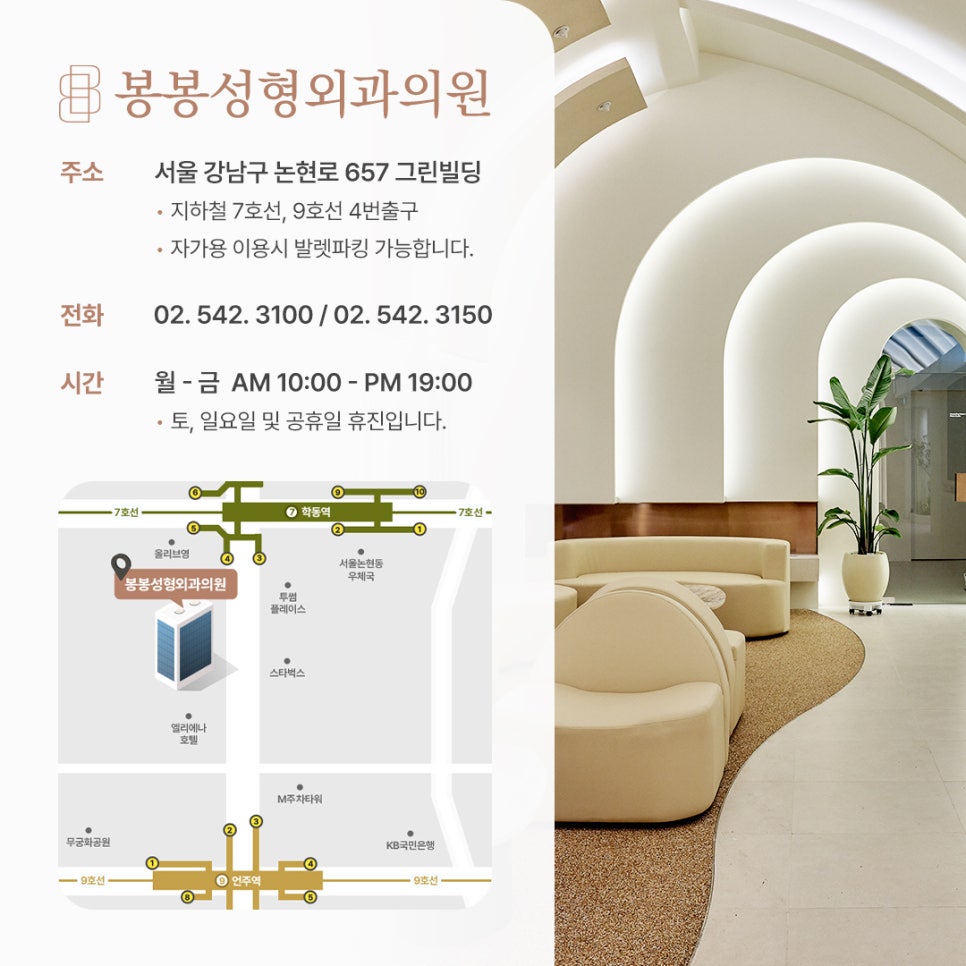
Recently, a variety of care methods that consider both the skin’s surface and inner condition have been proposed, and alongside consistent lifestyle improvements, approaches tailored to each person’s skin condition are becoming increasingly important.
In particular, methods that closely analyze the skin’s structural aspects and aim for customized improvement are drawing attention because they can lead to a more natural and healthy-looking improvement in appearance.

Rather than simply attributing skin changes to age, it is important to first look at what signals your skin is sending right now.
If changes that are difficult to manage within your daily routine keep repeating, getting a more systematic and accurate skin analysis can also be a good choice.