[Gangnam Hakdong Station Plastic Surgery Clinic]
Average Calculation Method for Abdominal Obesity Ratio, If It Is Quite Severe

In modern society, due to various factors such as everyday eating habits, lack of exercise, and stress, abdominal obesity in particular tends to become noticeable among different parts of the body. This can act as an important risk factor that goes beyond a simple appearance issue and may negatively affect overall health, including cardiovascular disease and metabolic syndrome.
Accordingly, many people check their own abdominal obesity ratio for proper health management and aesthetic improvement. The abdominal obesity ratio is not simply about measuring waist circumference; it is an important indicator calculated by considering the balance and proportions of the entire body, helping set health goals that match one’s body type.

The abdominal obesity ratio is usually not judged by a simple waist measurement alone, but is an indicator calculated by comprehensively considering an individual’s body proportions and physique. For example, some define abdominal obesity as when abdominal circumference is compared with height or weight and exceeds a certain percentage. Representative calculation methods include the formula (waist circumference ÷ height) × 100, or methods that consider BMI (body mass index) as a supplementary factor.
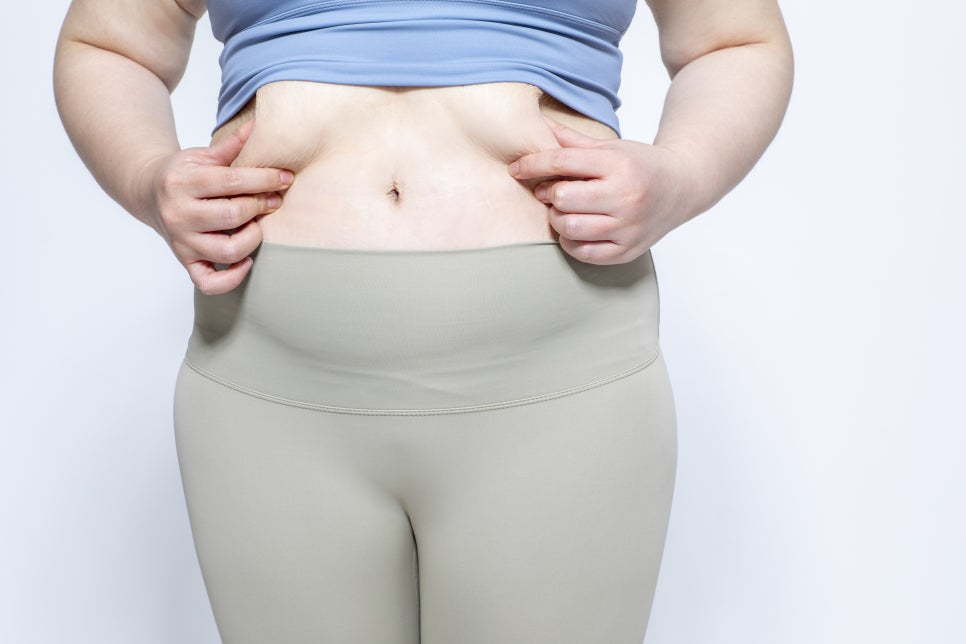
For example, if a person who is 160 cm tall has a waist circumference of 88 cm, the calculation would be (88 ÷ 160) × 100 = 55%. If this number generally exceeds 50%, it can be considered a possibility of abdominal obesity. Through this, each individual can objectively understand the degree of their abdominal obesity, and when compared with a healthy range using an average calculation method, if the value significantly exceeds the recommended range, it suggests that simple dieting or exercise alone may be insufficient.
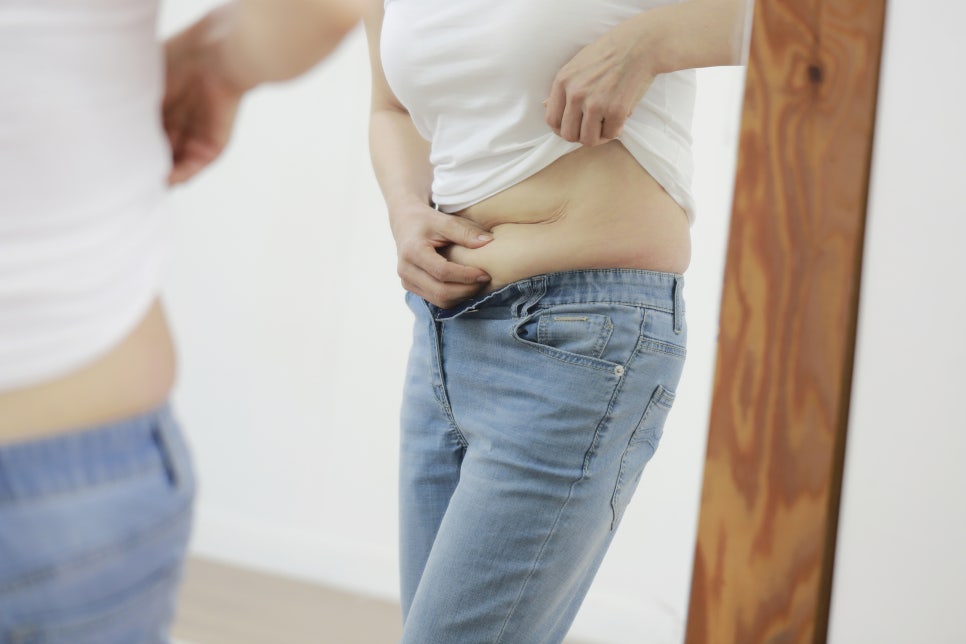
If health checkup results or lifestyle assessments show a high abdominal obesity ratio, this is closely related not only to appearance-related concerns but also to systemic metabolic abnormalities such as cardiovascular disease, diabetes, and hyperlipidemia caused by increased visceral fat. In particular, abdominal obesity increases inflammation in the body, and if left unattended for a long time, it carries a high risk of leading to various chronic diseases. Therefore, objectively evaluating one’s abdominal condition through an average calculation method is not only the first step in health management, but also an important standard for determining the need for improvement from an aesthetic perspective.
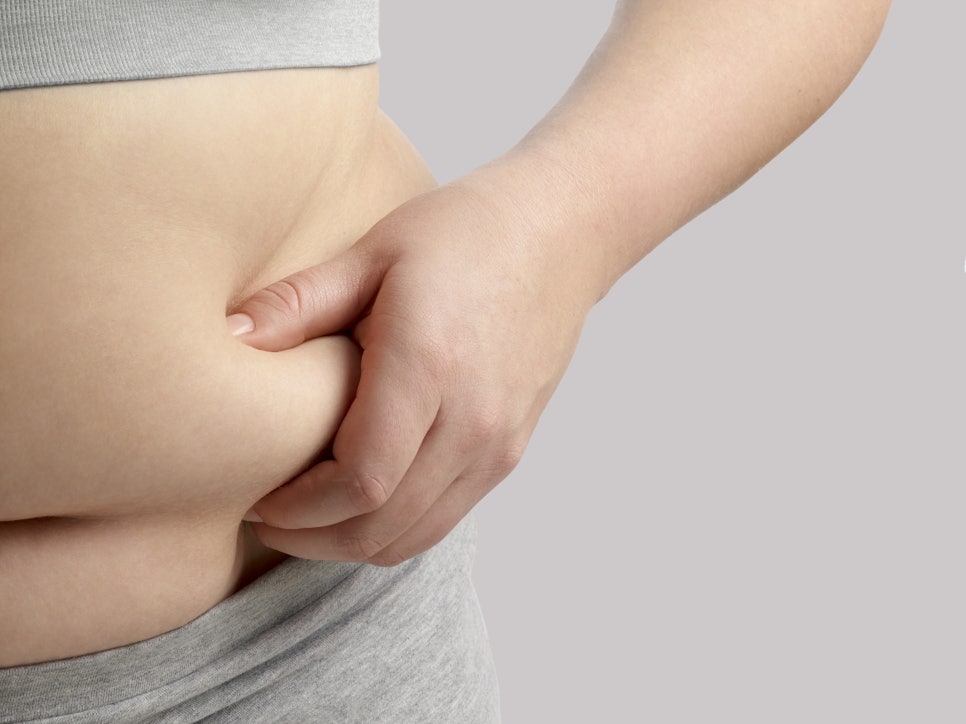
If, despite various efforts, exercise and dietary control do not reduce abdominal volume, or if sagging skin is pronounced and makes it difficult to create the desired beautiful line, then an abdominal contouring procedure may be suggested as the most effective medical option for improvement.
Abdominal contouring is not limited to simple liposuction; it also corrects sagging skin and relaxed rectus abdominis muscles together to create a firm and balanced abdominal line. As a result, it can contribute greatly not only to weight reduction but also to restoring natural-looking volume and confidence in appearance. In particular, because it is carried out through a customized design after precisely evaluating the individual’s body type, skin thickness, and fat distribution before surgery, many patients are satisfied with the natural yet lasting results.
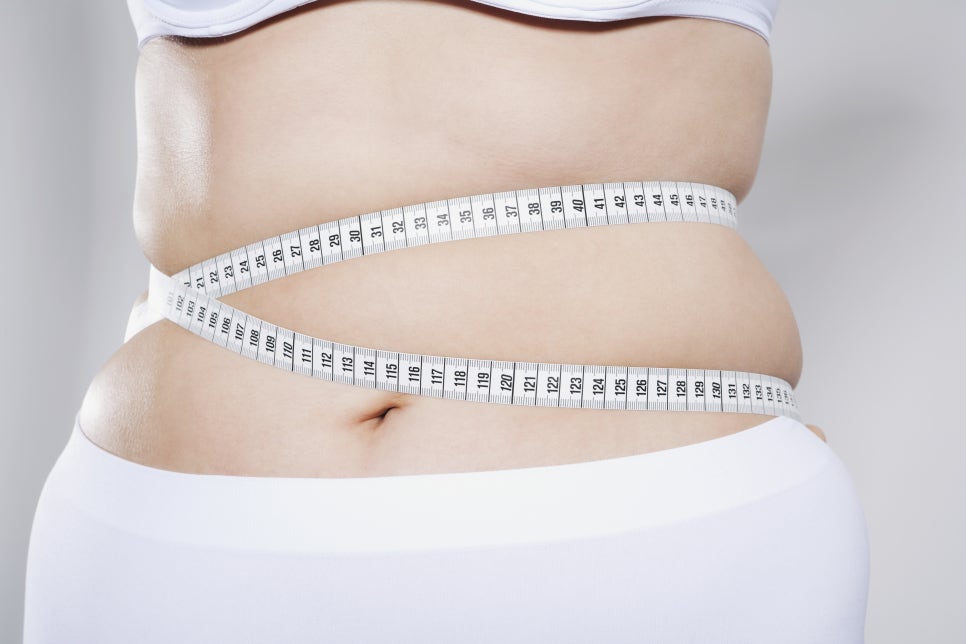
Abdominal contouring is mainly classified into mini abdominal contouring and full abdominal contouring, with various approaches applied depending on the patient’s problem areas and degree of concern. For example, mini abdominal contouring may be chosen when only the lower abdomen is slightly sagging, while full abdominal contouring may be selected when volume and elasticity have declined throughout the upper and lower abdomen. In this process, liposuction, muscle reconstruction, and skin excision may be performed together, which is a defining feature in creating a more balanced abdominal line.
In addition, after abdominal contouring, careful suturing techniques to reduce surgical marks, along with thorough management during the recovery process, help achieve natural results. This can lead to long-term satisfaction through regular follow-up examinations, body shape management, and a healthy diet and exercise routine.

The unnecessary fat that remains in the abdomen despite the choices we make at every meal, or despite consistent dieting and exercise efforts, along with sagging skin and the resulting visual imbalance, may lead to issues that require treatment and management rather than being viewed as mere “natural aging.” If the average abdominal obesity ratio calculation result significantly exceeds the recommended range, it shows the limits of simple diet therapy and exercise alone.
In such cases, an effective improvement measure is to consult with a board-certified plastic surgeon and proceed with appropriate abdominal contouring. Beyond simply reducing volume or losing weight, it can be an important option that helps restore a natural abdominal line suited to one’s body, improving self-confidence and quality of life :)