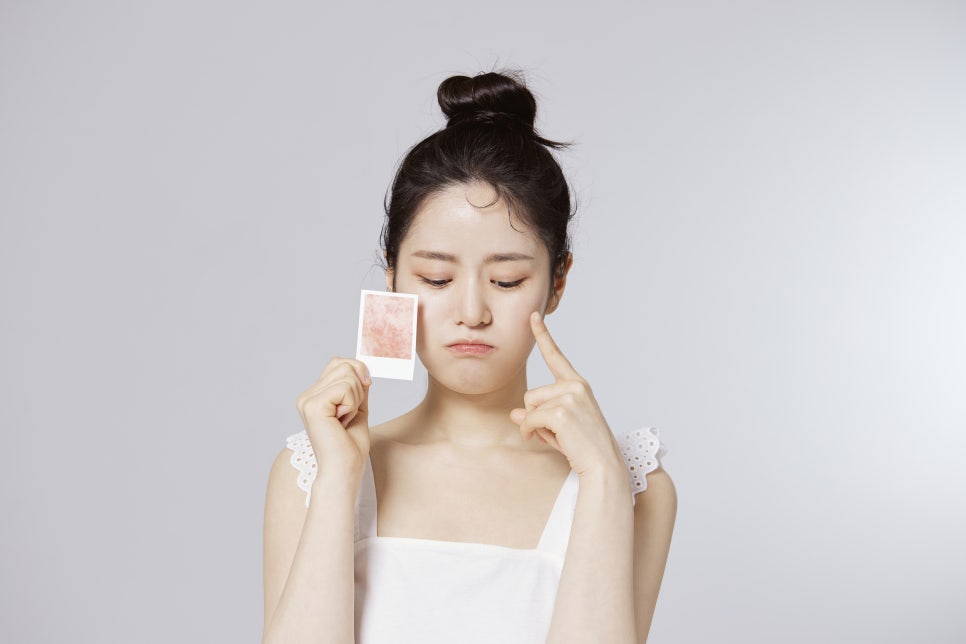
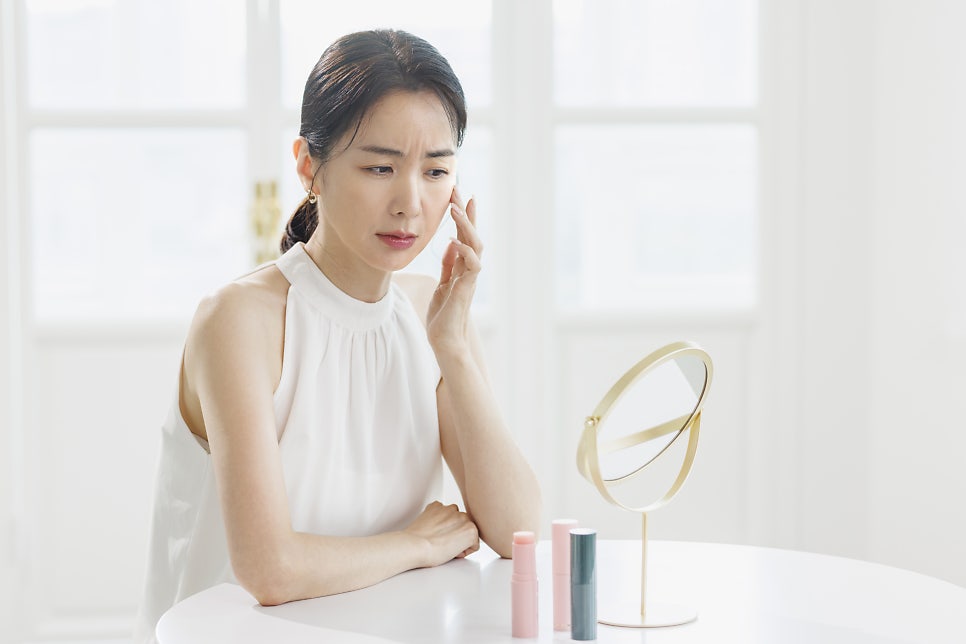
As we get older, there are moments when the face in the mirror feels unfamiliar. The once-firm jawline collapses, nasolabial folds deepen, and the skin’s elasticity noticeably decreases. Many people think this is simply aging, but in fact, it is most important to understand the root cause of sagging skin and respond accurately. The key lies in the skin cell regeneration ability.

Skin elasticity is possible when the structures of the dermis, such as collagen and elastin, are tightly maintained, but this structure gradually breaks down with age. It is difficult to restore this structure with lifting procedures or moisturizing alone, so fundamentally, the skin cells themselves need to be repaired. What is drawing attention in this context is stem cells.

Stem cells are cells with the ability to repair damaged cells or differentiate into new cells. In particular, treatments using autologous stem cells are gaining attention as a center of recent anti-aging treatment because they use cells obtained from the body, have a low risk of immune rejection, and can naturally induce skin regeneration.
Anti-aging treatments using stem cells are carried out by injecting them directly into the skin or performing them together with fat grafting. Rather than simply filling in wrinkles that are visible on the surface, the characteristic of this approach is that it improves the environment inside the skin and helps cells regenerate on their own. Because of this, long-term elasticity recovery can be expected rather than a temporary effect.

Above all, the important point in restoring skin elasticity is not ‘speed’ but ‘direction.’ Rather than pursuing only short-term lifting effects, the skin must go through a process of fundamentally becoming healthier and having cell activity occur in order to maintain a youthful appearance for a long time. In this respect, stem cells can be said to be the most fundamental approach.
However, because stem cell treatment requires advanced techniques and medical experience, it is important to proceed only after sufficient consultation and at a verified institution. Before treatment, a customized approach should be taken by considering the condition of one’s skin, the stage of aging, and even lifestyle habits, so that both safety and effectiveness can be achieved.
When sagging skin is a concern, the important question is how to restore this—namely, the skin’s ability to regenerate cells. Anti-aging is not about filling the outside; it is about reviving the inside. Stem cell treatment can be the answer, and if thorough research and preparation go along with it, natural and healthy youthfulness can be regained.