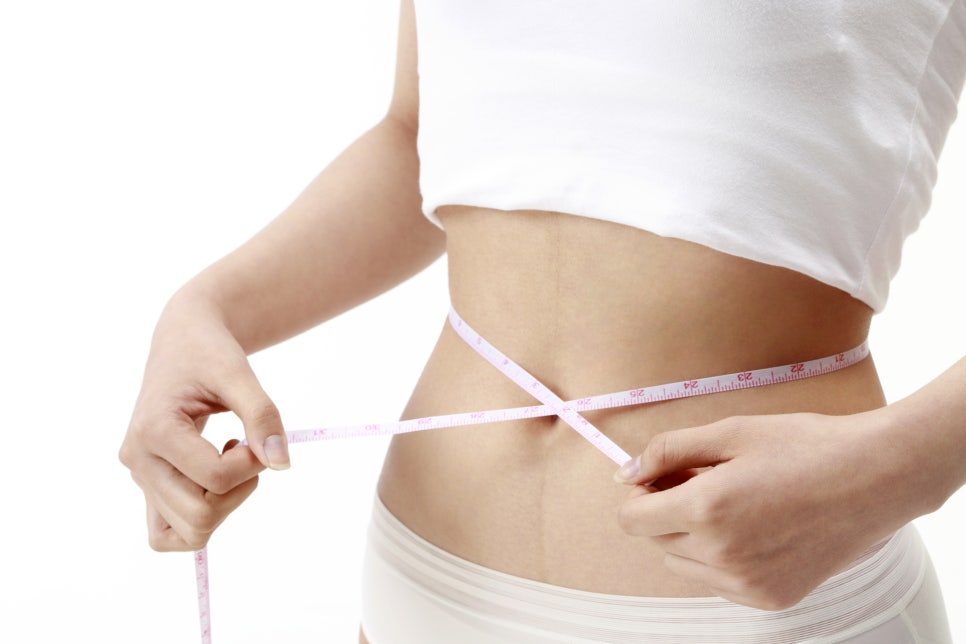
The desire to reduce belly fat is something many people have, but when you actually start dieting, it is easy to become frustrated by the slower-than-expected changes. In particular, even if your weight goes down on the outside, if bumpy cellulite remains on the skin, your satisfaction with body shape improvement can drop significantly.
Cellulite is not simply fat; it is a phenomenon that appears when subcutaneous fat and fibrous tissue beneath the skin combine, and it is difficult to improve with short-term diet control or exercise alone.
How Are Belly Fat and Cellulite Different?
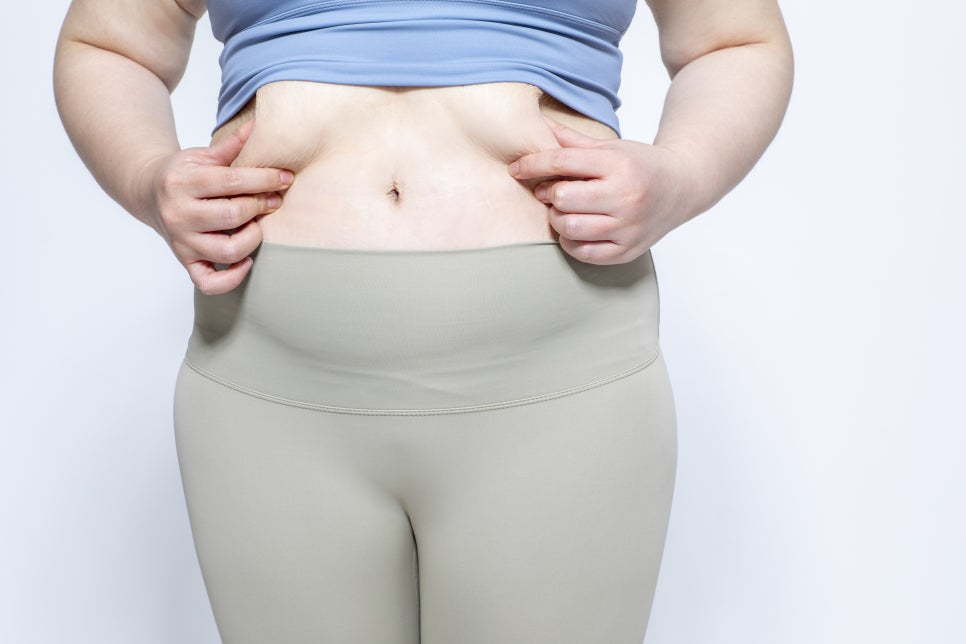
Belly fat is mostly made up of subcutaneous fat and visceral fat, while cellulite is a change in the skin surface caused by abnormal clumping of fat cells and fibrous tissue.
It commonly appears on the abdomen, thighs, and buttocks, making the skin look bumpy like orange peel. For this reason, simply burning fat may have only limited effect on improving cellulite.
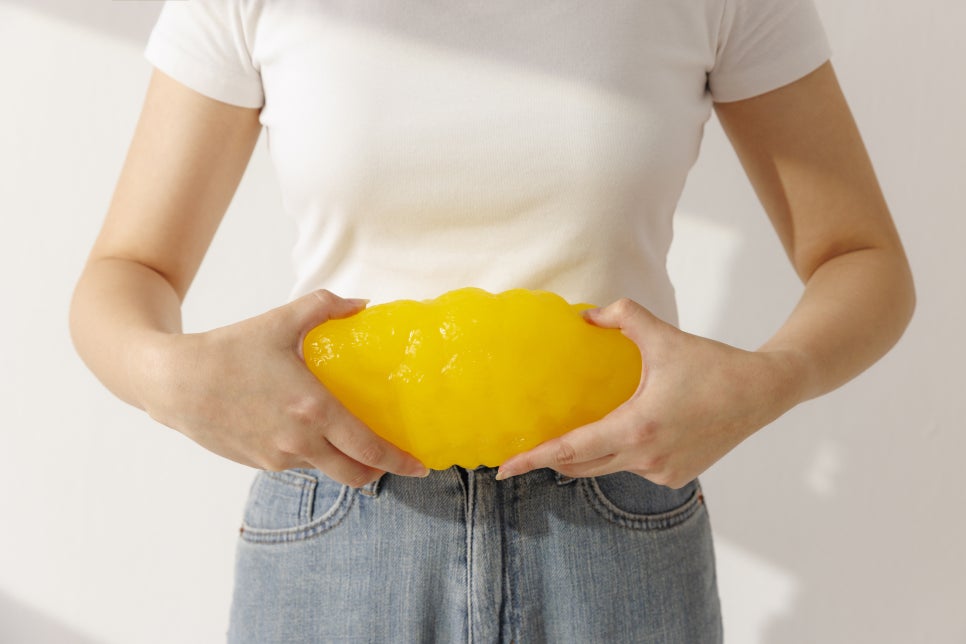
Cellulite forms due to a combination of factors such as reduced blood circulation, lymph stagnation, and decreased elasticity of the skin tissue. In particular, a lifestyle that involves sitting for long periods, a diet centered on carbohydrates, and insufficient water intake can all contribute. As a result, fat becomes fixed in place and develops into a condition that is difficult to remove in a short time.
It is hard to expect improvement with ordinary dieting alone, and a method that acts on the deeper layers of the skin tissue is needed.
Recently, there have been various treatment methods for reducing cellulite, such as fat-dissolving injections, radiofrequency, HIFU, and low-frequency lifting. In particular, since the abdominal area has a large amount of fat and is a region where cellulite tends to concentrate, a combined approach may be more effective than a single method.
For example, combining a fat-dissolving procedure with a radiofrequency elasticity treatment may help achieve smoother skin texture.

If you want to see changes in a short period of time, it is important to take an approach that considers not only weight loss but also improvement of the skin surface. For example, by using a program that combines belly fat reduction with cellulite management, noticeable changes can be made even in a short time.
Of course, depending on an individual’s fat distribution and skin condition, the intensity and frequency of treatment may vary, so a personalized approach suited to the individual is key.
Receiving a procedure does not mean that lifestyle habits can be ignored. For long-term body shape maintenance, it is important to increase water intake, reduce processed foods and sodium intake, and combine this with stretching and light exercise. Maintaining these habits after the procedure also helps prevent cellulite from forming again.
In closing
Cellulite is not simply fat, so reducing belly fat requires a more strategic approach.
Even in a short period of time, noticeable changes are possible if appropriate procedures and lifestyle management are carried out together. If you are stressed by bumpy belly fat, now is the time to focus on improving cellulite.