[Gangnam Nonhyeon-dong Plastic Surgery Clinic]
How to Get the Cup Size You Want with Flat Chest Breast Surgery

Many women live with big and small concerns about their bust line. Among them, a lack of volume in what is commonly called a “flat chest” can affect not only aesthetics, but also confidence, how clothes fit, and psychological satisfaction with femininity. As a result, modern plastic surgery clinics are seeing a steady increase in demand from patients seeking improvement.
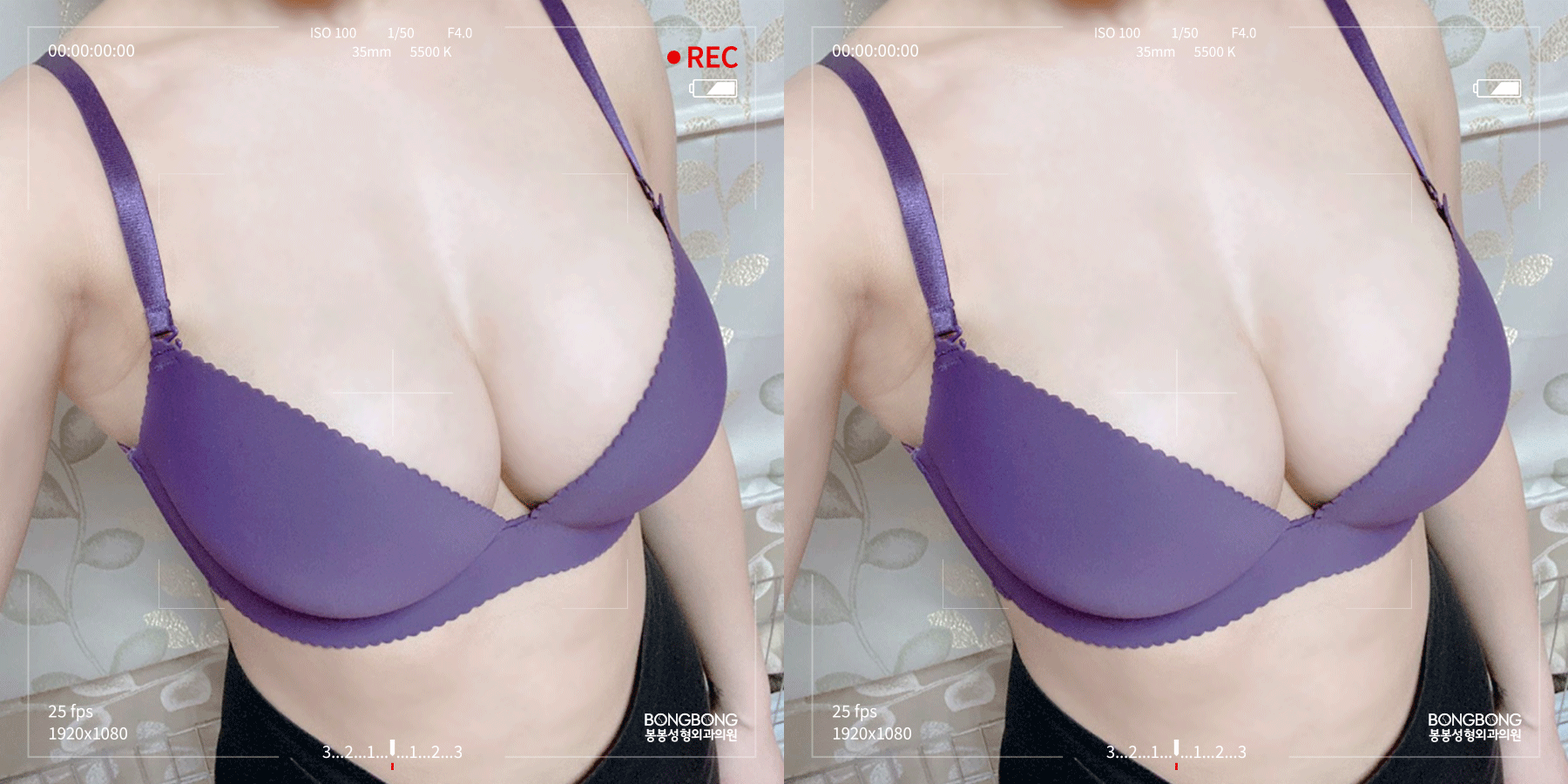
Rather than simply having a vague wish to “make them bigger,” it is most important to set a natural curve that suits your body and a desired cup size in specific terms, then plan the surgery accordingly. For this, a thorough understanding of the information in advance and detailed consultation with a specialist are necessary.
So, to improve a flat chest and achieve a target such as a C cup or D cup, it is worth looking closely at what process is involved and what factors affect the outcome of the surgery.
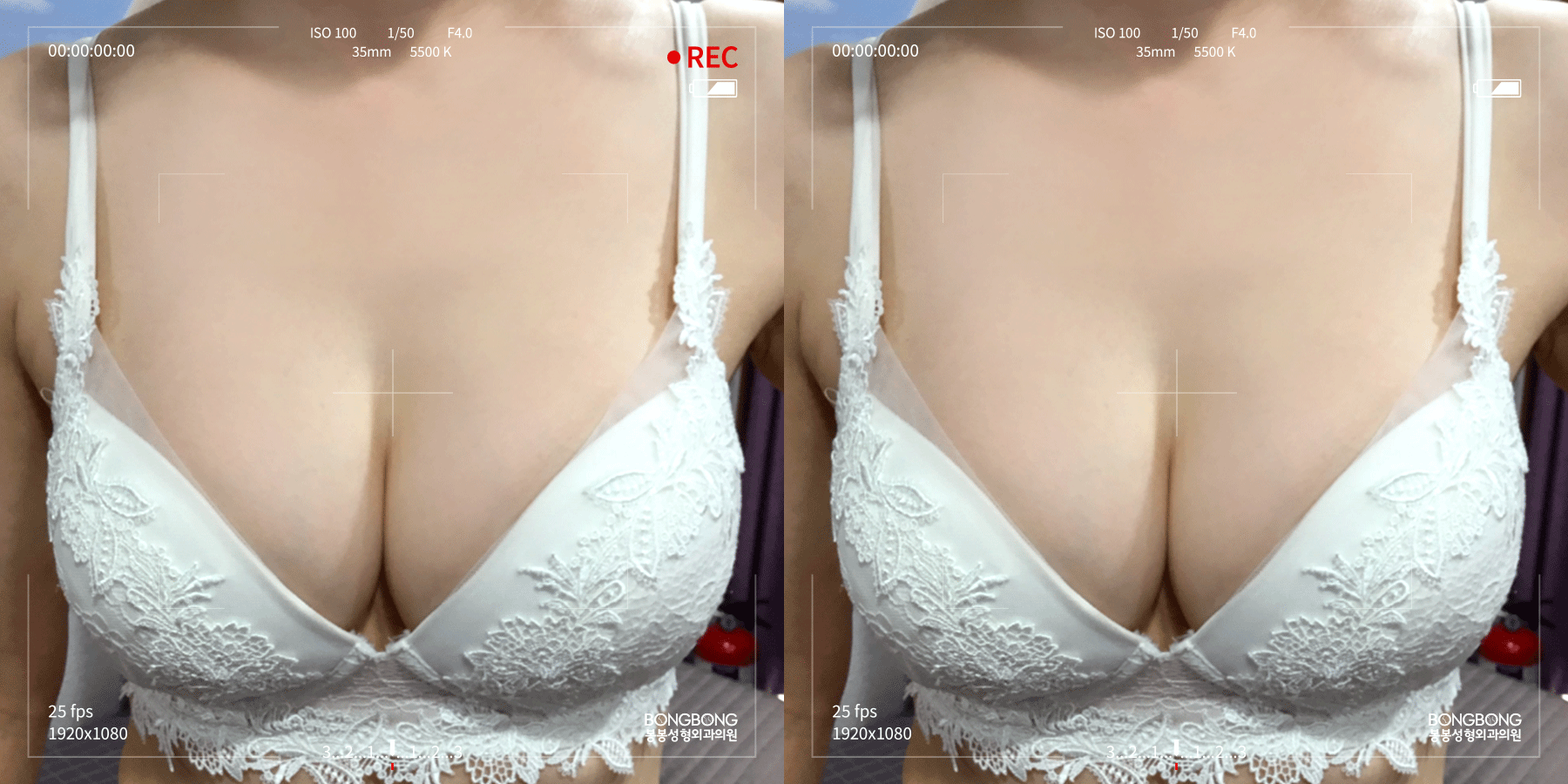
Medically, a flat chest often means there is very little glandular tissue and subcutaneous fat, and the shape of the rib cage is often flat as well. Because of this, simply inserting an implant does not automatically create a natural, ideal volume. Before surgery, the patient’s chest width, skin elasticity, nipple position, thickness of the fat layer, and the position of the breast base must all be analyzed in detail so that the surgeon can carefully plan how much volume to add and in what way. Depending on these individual characteristics, results can vary greatly even when the same implant is used.
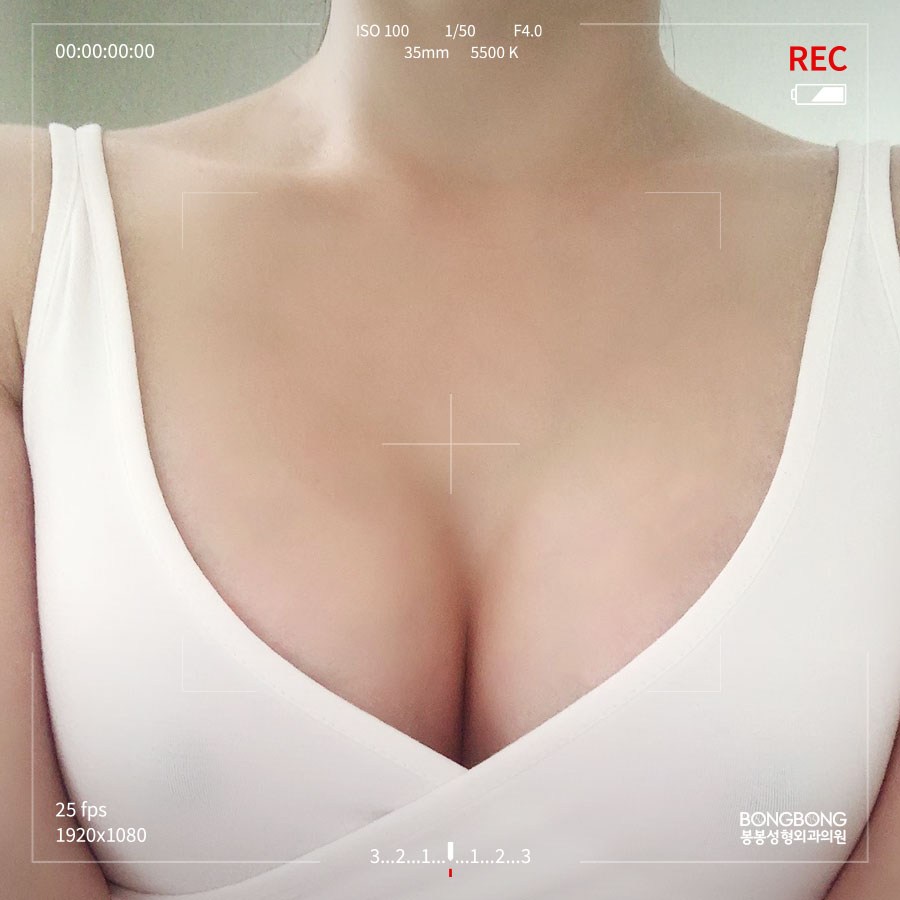
For example, if a relatively thin patient receives an implant that is too large, side effects such as loosening of the skin tissue, rippling, or an unnatural look can occur. On the other hand, if an implant size is chosen too conservatively despite having enough skin room, the changes after surgery may be minimal, leading to low satisfaction.
Therefore, rather than focusing only on the “cup size,” the key to achieving the most effective surgical result is creating the most harmonious and natural volume possible within your own body frame.

Currently, breast augmentation is performed in three main ways.
First, the most commonly performed method is implant insertion, in which a silicone implant is placed through an incision under the breast or in the armpit to create volume. Its strengths are a clear change in size and strong long-term retention.
Second, fat grafting involves refining fat extracted from areas such as the thighs or abdomen and injecting it into the breasts. It is suitable for patients with a moderate amount of fat rather than those with a very thin build, and it can provide a natural feel and appearance. However, because some of the fat may be absorbed, there may be limitations in maintaining the size.
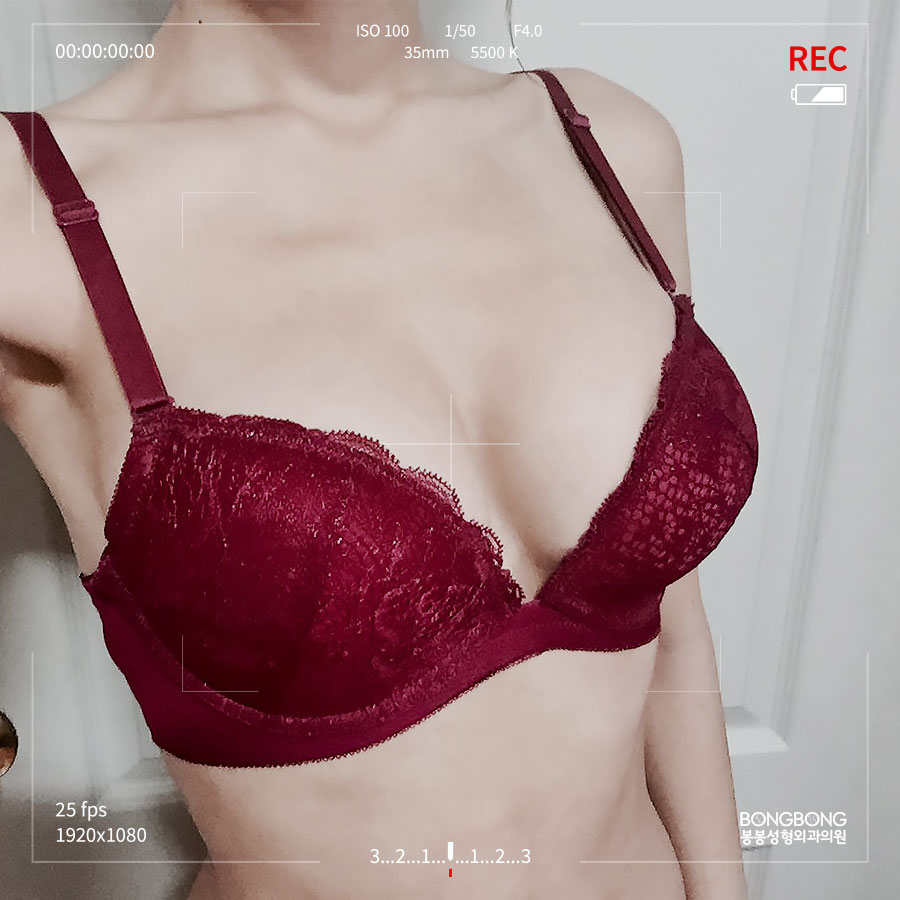
Lastly, the hybrid method, which has been gaining popularity recently, secures the basic volume with implants and then complements any 부족한 areas with fat grafting. It is a combined solution that can create sufficient volume while minimizing implant edges, foreign-body sensation, and rippling.
In particular, in cases of a flat chest, the subcutaneous fat layer is almost nonexistent, so implant-only insertion can feel more noticeable as a foreign body. The hybrid method overcomes these limitations and has the advantage of adding a more natural look.
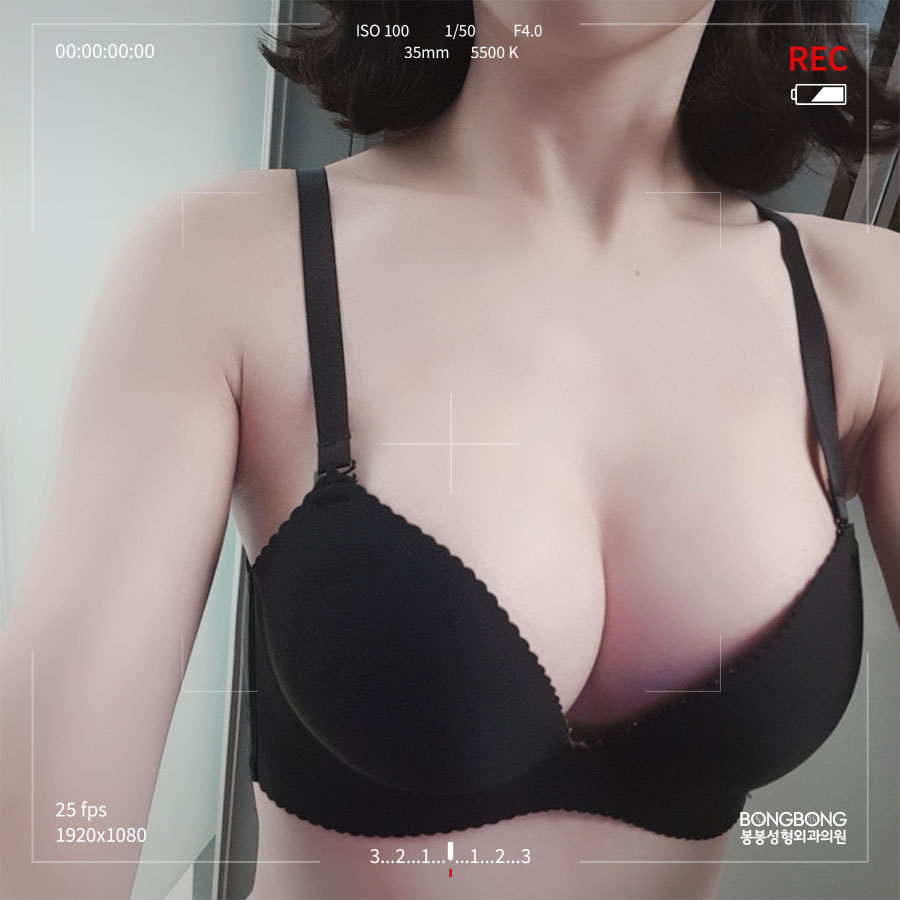
Many people expect to reach their desired cup size immediately after surgery, but breast augmentation requires a process in which the tissue stabilizes over several months, the implant settles into place, and the final result becomes naturally complete rather than being judged by the outcome on the day of surgery. In the early stage, swelling and muscle tightness may make the breasts look somewhat higher or feel firmer, but as time passes, the implant settles lower in a stable position and the skin and tissue stretch, gradually creating a more natural curve and feel.
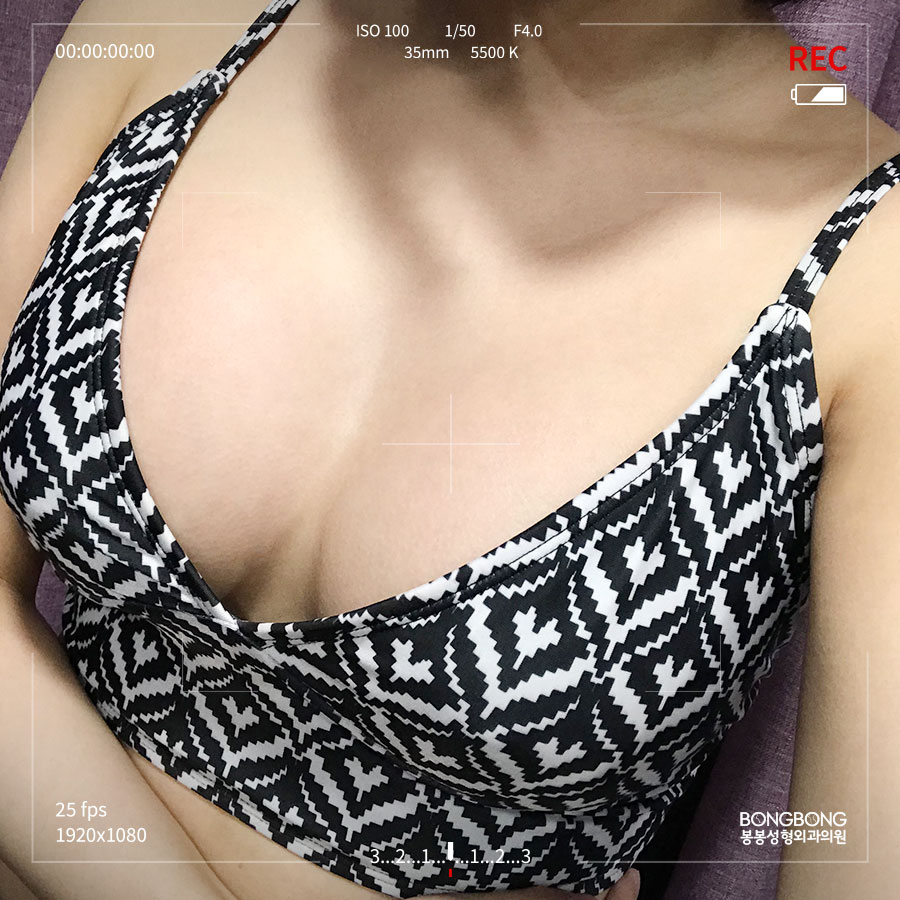
Generally, the final volume and shape are determined about 3 to 6 months after surgery, and the bra size actually worn also stabilizes at that point. In addition to choosing the correct implant to match the desired cup size and performing the surgery with the proper technique, postoperative care is also very important. You must strictly follow the plastic surgeon’s instructions regarding wearing a compression band, sleeping position, and massage methods, and follow-up visits for scar management and maintaining the implant shape should also continue consistently.