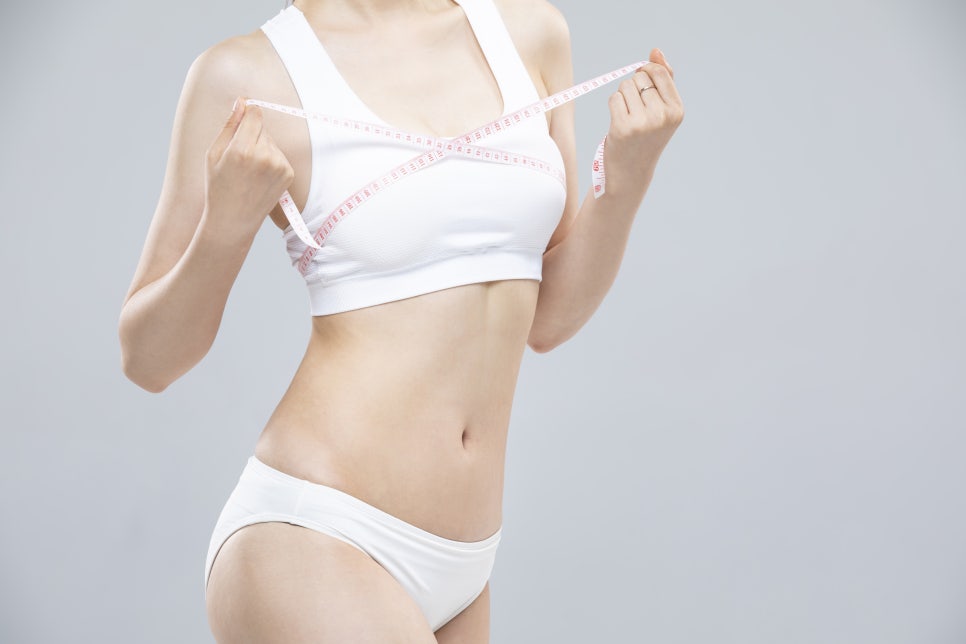
Breast augmentation is performed in various ways depending on the individual’s body type and purpose.
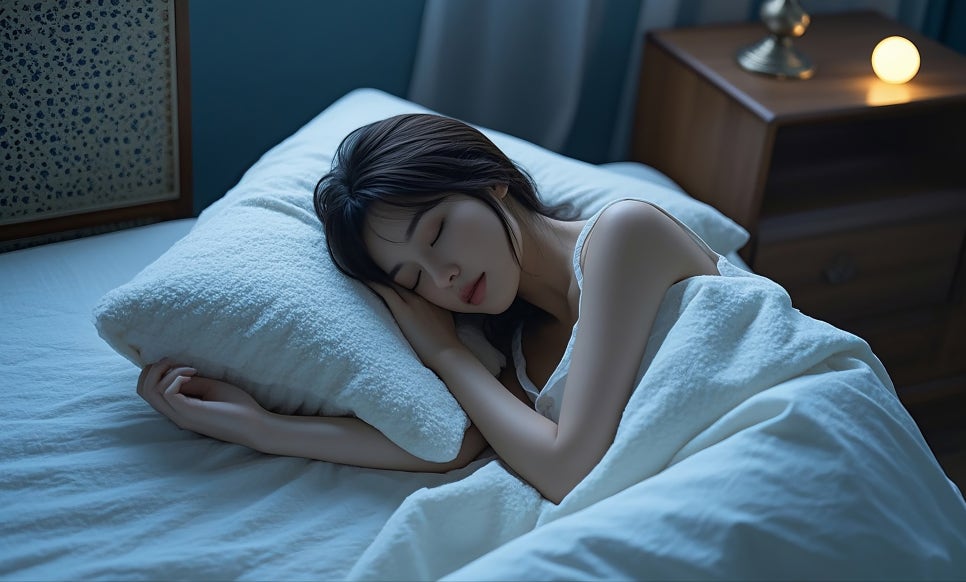
During the recovery stage after surgery, not only simple rest but also the correct sleeping position can directly affect swelling, pain, and recovery speed.
Especially right after surgery, when the implant position is stabilizing, it is important to understand why posture matters and manage it carefully.
For the first 2 to 4 weeks after surgery, the most recommended position is to sleep facing forward with your upper body slightly raised.
Using pillows or cushions to keep the upper body elevated by about 30 degrees can help blood circulation, reduce swelling, and prevent the implants from shifting or sagging.
This position may also help reduce pressure on the surgical area.
 Why can’t you sleep on your side or stomach?!
Many people want to return to the positions they are used to, but sleeping on your side or stomach can place direct pressure on the implants.
Why can’t you sleep on your side or stomach?!
Many people want to return to the positions they are used to, but sleeping on your side or stomach can place direct pressure on the implants.
In particular, taking these positions immediately after surgery may increase the risk of asymmetry, greater pain, and implant displacement, so caution is needed.
Placing cushions on both sides can also help prevent your position from shifting unconsciously during sleep.

A good sleeping position goes beyond simple comfort and has a positive effect on the overall recovery process. If your posture during sleep is correct, you can expect reduced pain, wound healing, and inflammation prevention.
On the other hand, an incorrect posture can cause skin pulling, internal bleeding, and enlarged scars, so managing a “posture routine” is essential during the first month after surgery.

During recovery, discomfort may lower sleep quality, so improving sleep quality by controlling water intake before bed, maintaining a quiet environment, or building a diet rich in magnesium can also help recovery.
Simple stretching or deep breathing can also reduce tension and help you sleep more deeply.
 Then when can you sleep in any position freely?
In general, after about 4 to 6 weeks after surgery, and after the medical staff confirms your condition, side-sleeping is often partially allowed.
Then when can you sleep in any position freely?
In general, after about 4 to 6 weeks after surgery, and after the medical staff confirms your condition, side-sleeping is often partially allowed.
However, the timing can vary depending on the individual’s body type, the scope of surgery, and the recovery progress, so it is safest to decide only after confirmation from the medical staff.
It is advisable not to try sleeping on your side forcefully.
Recovery after breast augmentation depends more on post-surgery care and habits than on the surgery itself.
The correct sleeping position is not just about relieving discomfort; it also affects the stability of the breast augmentation and the naturalness of the results. If you maintain an upper-body-raised position in the early postoperative period and develop the habit of avoiding unnecessary pressure, both recovery speed and satisfaction with the results may improve.