[BongBong Plastic Surgery Wellness Clinic]
Pico Toning effects and precautions,
good for removing melasma, spots, and hyperpigmentation

As the season with strong sunlight approaches, more people are standing in front of the mirror and feeling stressed because of noticeable melasma, spots, and hyperpigmentation. These pigment-related skin conditions are seen as signals of skin aging and damage beyond a simple cosmetic issue, so despite wanting them to disappear quickly, steady care and choosing the right treatment method are considered especially important.

Uneven pigment distribution in the skin, such as melasma, spots, and hyperpigmentation, is caused not only by ultraviolet exposure but also by a combination of factors such as genetic predisposition, hormonal changes, post-inflammatory hyperpigmentation, stress, lack of sleep, and poor skincare habits. In particular, melasma often appears symmetrically around the eyes, the cheekbones, and the forehead, and it can repeatedly become lighter and darker over time, continuing chronically and making it difficult for many people to manage.

Spots often appear as small freckle-like marks, and while they can start from childhood, they may gradually darken in adulthood due to the effects of ultraviolet light or aging. Hyperpigmentation is a color change that occurs at the site of acne marks or after inflammation has passed following skin damage, resulting in an uneven skin tone and a dull appearance.

If conventional laser toning was a method that gradually improved melanin in the skin by stimulating it with relatively long wavelengths, “Pico Toning” uses ultra-short laser pulses in picoseconds (one trillionth of a second) to deliver high-energy bursts over a short period of time, breaking melanin into tiny particles and destroying it. As a result, immune cells can remove the pigment more quickly and effectively, allowing for improvements in both skin tone and texture.

In particular, Pico Toning causes almost no surface damage to the skin, and there is relatively little concern about pigment spreading or recurring, so more stable and precise results can be expected when treating sensitive and recurring pigment conditions such as melasma. Another advantage is that the recovery period after laser treatment is short, allowing a quick return to daily life.
Above all, whereas conventional lasers could sometimes cause side effects that made hyperpigmentation worse due to irritation, Pico Toning has less thermal damage, which can reduce skin irritation while improving results. It is therefore relatively safe even for people with sensitive skin or thin skin layers.

Rather than expecting an immediate effect in which all pigment disappears after just one treatment, Pico Toning usually requires repeated sessions of an average of 5 to 10 or more, depending on the individual’s skin condition and the depth and concentration of the pigment. The interval between treatments is generally set at 2 to 4 weeks, taking into account the skin’s response and recovery. After treatment, the skin may temporarily become red or feel stinging, and in rare cases, small scabs may form, but in most cases it recovers naturally within a few days.

Above all, sun protection after the procedure is essential. Because Pico Toning is a treatment that breaks down melanin, the skin becomes more sensitive to external stimuli, so if it is re-exposed to ultraviolet light, pigment may form again. Therefore, after the procedure, it is important to apply sunscreen carefully and also use physical protection such as hats and sunglasses.
In addition, you should use enough moisturizers and soothing products that help the skin regenerate to restore the skin barrier, and avoid activities that irritate the skin, such as alcohol, saunas, and excessive exercise, immediately after the procedure. To improve and maintain the treatment effect, it is important to continue treatment consistently according to the schedule recommended by the clinic, and home care should not be neglected either.
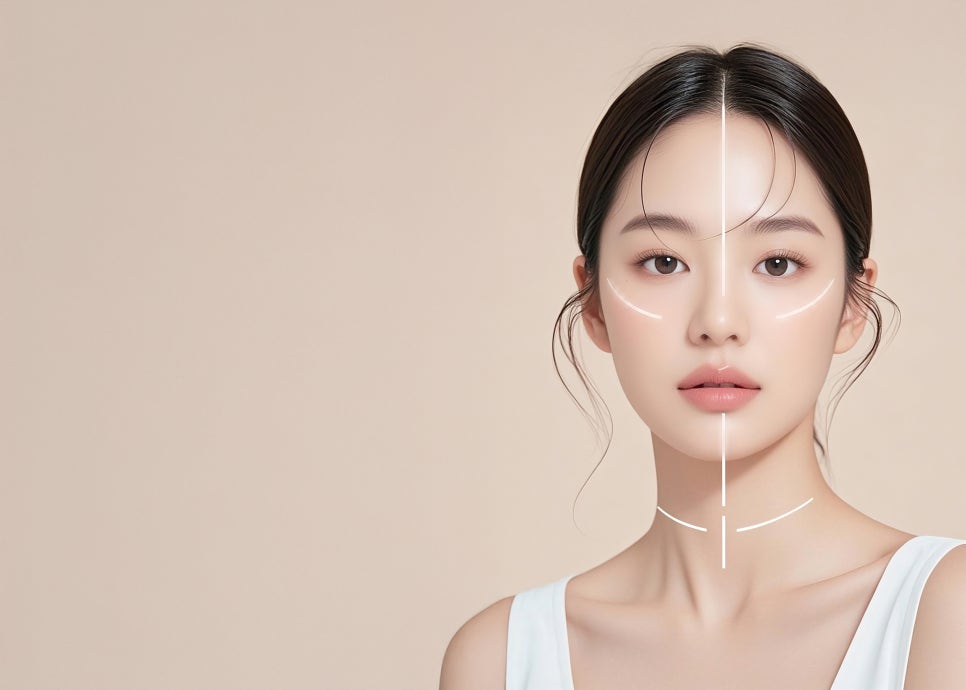
Melasma, spots, and hyperpigmentation do not naturally disappear once they appear, so if left untreated, they gradually become darker and cover a wider area, changing the overall appearance of the skin. In the end, they can reduce the impression of youthful, lively skin, which is why it is important to begin proper treatment early.
In particular, pigment that has spread deep into the skin is difficult to improve with cosmetics alone, so combining it with more precise laser treatment can be a practical solution. Pico Toning is a latest-generation technique that can effectively address deeper melasma and hyperpigmentation that were difficult to improve with conventional laser toning, and it is receiving positive evaluations in terms of both safety and effectiveness.
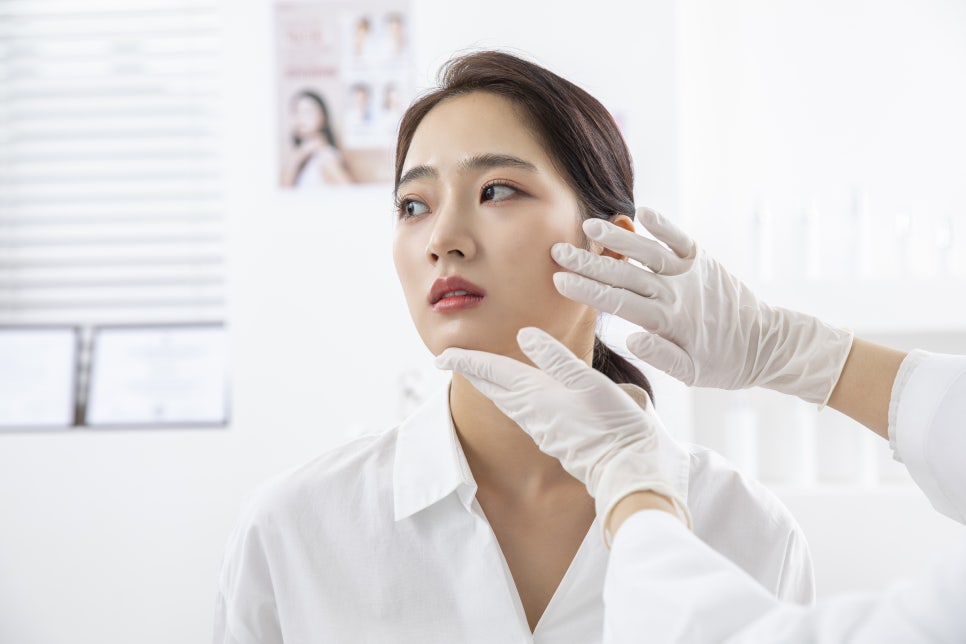
However, the most important point is not just the procedure itself, but maintaining the effect through proper lifestyle habits, aftercare, and regular visits to the clinic. Above all, since precise diagnosis and treatment planning are needed according to each person’s skin condition, consulting with an experienced medical team and having a procedure plan tailored to you can be the first step toward successful treatment :)