[Gangnam Hakdong Station Plastic Surgery]
How to Measure Bust Size: If You Want to Know Your Bra Cup Size
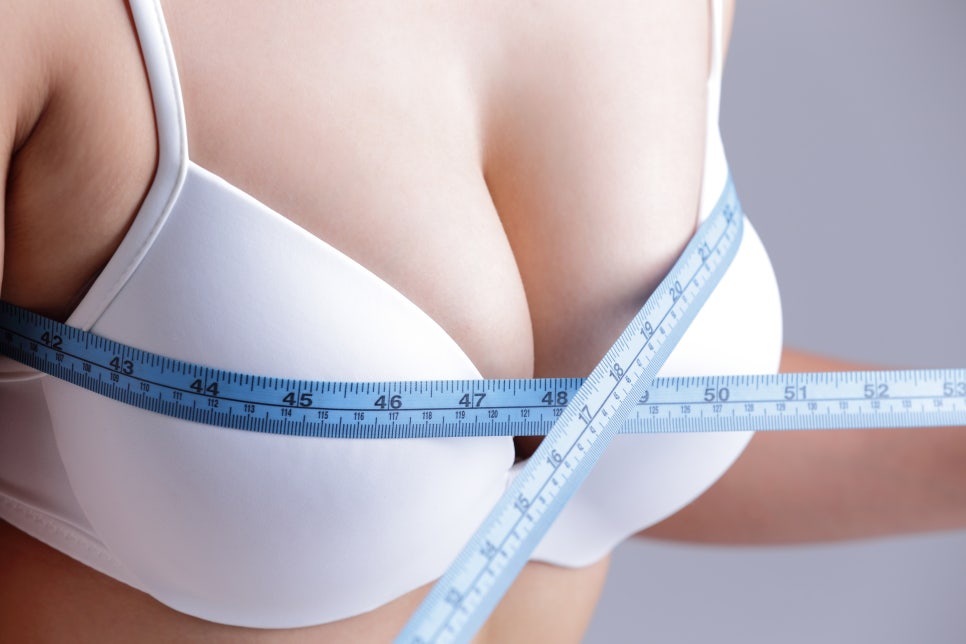
Many people talk about bust size when choosing underwear or considering plastic surgery, but few actually know their exact bust size. In particular, a bra cup size is not determined simply by the size of the breasts; it is calculated by taking into account both the underbust circumference and the volume of the breasts. If you choose based only on the size written on products without knowing the proper measurement method, it can lead not only to discomfort when wearing them, but also to problems such as chest pain, skin irritation, and changes in breast shape over time, so extra caution is needed.
The key to measuring bust size is the ‘underbust circumference’ and the ‘highest point of the bust’

To measure bust size accurately, the basic method is to remove your clothes, stand upright with your waist straight, and measure in a correct posture. The first thing to check is the underbust circumference, which is measured by wrapping a tape measure horizontally along the bottom line of the breasts, just below the nipples. Then, you need to secure two numbers by measuring the bust circumference at the nipple level, which is the fullest part of the breasts (the overbust), with the tape measure wrapped around it. Only then is it possible to calculate the cup size.

The cup size used in bras is not simply the size of the breasts, but is classified from A cup to G cup and above based on the difference between the overbust (bust circumference) and the underbust (under the bust). Generally, a difference of about 10 cm is considered an A cup, 12.5 cm a B cup, 15 cm a C cup, and 17.5 cm a D cup. However, this varies somewhat by brand and country, so it is not an absolute standard, and it is also important to keep in mind that it can vary depending on the actual fit and design.
What matters as much as size is the shape of the breasts and body proportions
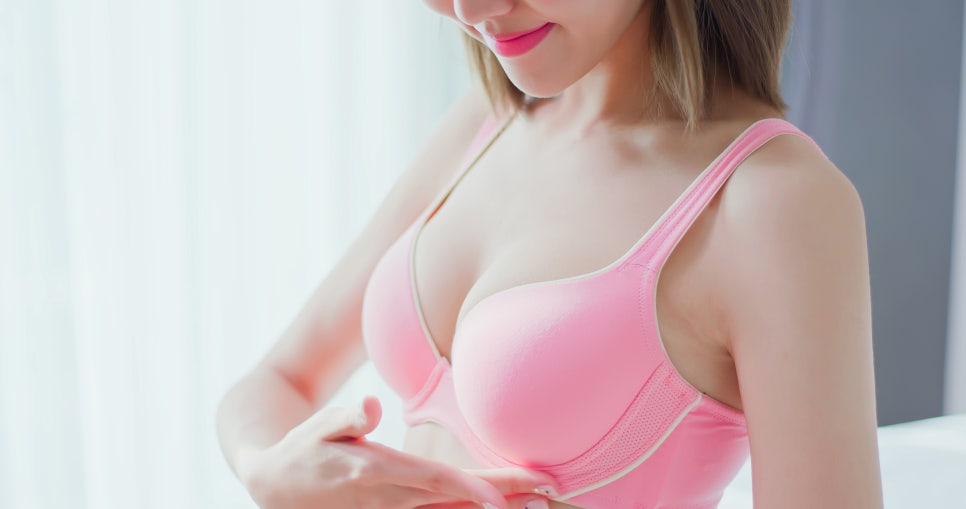
Many people tend to focus simply on numbers like ‘C cup’ or ‘D cup,’ but in fact, a more important factor in breast surgery or choosing supportive underwear is the balance and harmony with your shoulder width, ribcage structure, and body type. For example, if you are short and slim, even a B cup may appear relatively large, whereas if you have broad shoulders and a large frame, even a C cup may look small visually. Therefore, the proportion relative to the body type is an important factor in appearance rather than the number itself. In plastic surgery, this is also used not simply to determine the size of an implant during breast augmentation surgery, but to design the most ideal breast shape and size based on the overall balance.
If self-measurement is difficult, receiving careful consultation can also be an option
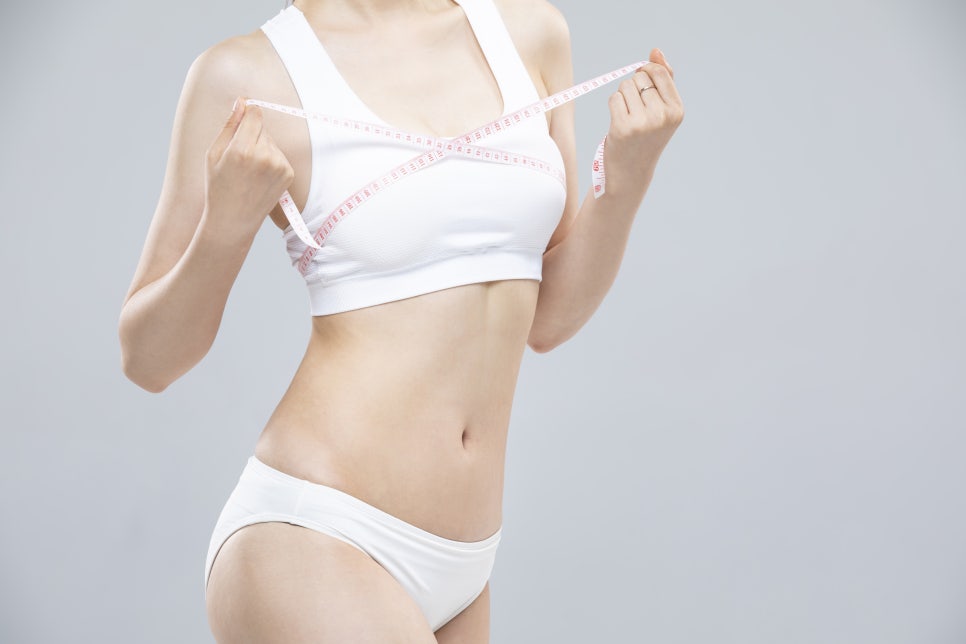
Sometimes when trying to measure the size on your own with a tape measure, the tape may be tilted or you may not be able to find the exact position, causing the numbers to vary. In particular, if there is breast sagging or asymmetry, self-measurement becomes even more difficult. In such cases, it may be helpful to check the size and proportions that suit your body type through a specialized lingerie store or a systematic breast assessment system at a plastic surgery clinic. Especially for those considering breast augmentation surgery, a plastic surgeon’s judgment that comprehensively considers not just the ‘cup size’ but also skin thickness, available tissue, and ribcage width is necessary for a more natural and ideal result.

Knowing your bust size properly goes beyond simply wearing underwear well; it can be an important standard for improving your understanding of your body type and finding a healthy body balance. In particular, for people who are 고민 about surgery because they feel complex about the size or shape of their breasts, understanding the more important concept of a ‘harmonious proportion’ must be accompanied by the numbers. For this, along with accurate measurement methods, it is necessary to go through the process of designing the breast shape and size that suits me through consultation with a plastic surgeon.
In the end, beautiful breasts do not simply mean large breasts; they mean a shape that harmonizes with the body and has both health and naturalness. The first step toward that can begin right now by picking up a tape measure and looking at your body objectively.