[BongBong Plastic Surgery]
If Exercise Can’t Fix Postpartum Belly Sagging, Consider Abdominoplasty
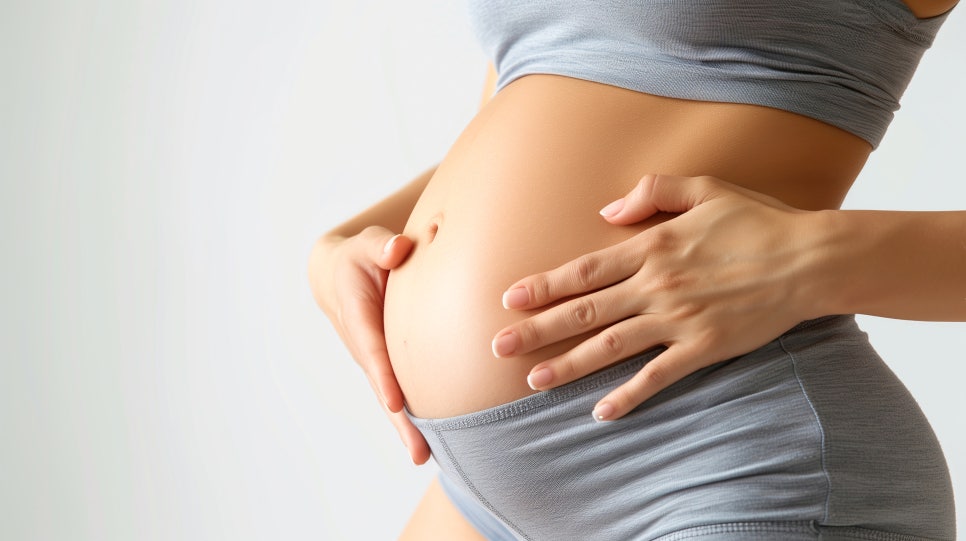
Childbirth is an experience that leaves profound physical and emotional changes in a woman’s body and mind. In particular, although the abdomen that expanded rapidly during pregnancy has the natural ability to return to its original state after delivery, in many cases that restorative ability is not fully realized due to decreased skin elasticity, relaxation of the abdominal muscles, and separation of the abdominal wall, leaving behind belly fat or causing the abdomen to sag.
These changes in the abdomen are not caused simply by weight gain. They are the result of multiple factors working together, including the stretching of the skin itself, diastasis recti (the widening of the gap between the abdominal muscles), and stretch marks or sagging. Because of this, it is often difficult to recover with diet control or abdominal exercise alone.
Abdominoplasty, a way to make the postpartum sagging belly
firm again!

Abdominoplasty is a method that can effectively address these postpartum abdominal changes. Unlike simple fat removal or dieting, it aims to restore a firm abdominal line like before pregnancy by excising loose skin on the abdomen, precisely suturing separated rectus muscles to restore the midline of the muscles, and at the same time smoothing the skin and fat layer.
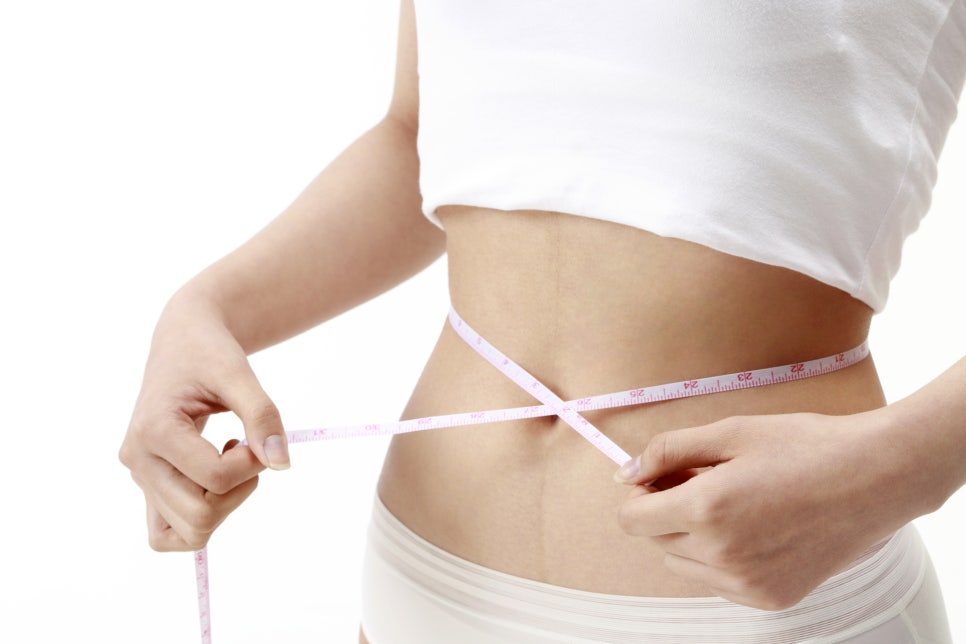
In particular, when the main concern is sagging in the lower abdomen, a mini abdominoplasty may be applied. When there is extensive skin laxity and severe muscle separation extending to the upper abdomen, a full abdominoplasty may be performed. The surgical method is determined by comprehensively considering the patient’s skin condition, the degree of diastasis recti, and the number of childbirths.
Abdominoplasty is not only a cosmetic procedure, but can also be approached as a functional surgery to improve quality of life after childbirth. In particular, when diastasis recti is severe, it can cause lower back pain and postural imbalance. By correcting this, it is possible to restore body stability and ease of movement as well.
Recovery and precautions after abdominoplasty,
How do you return to daily life?
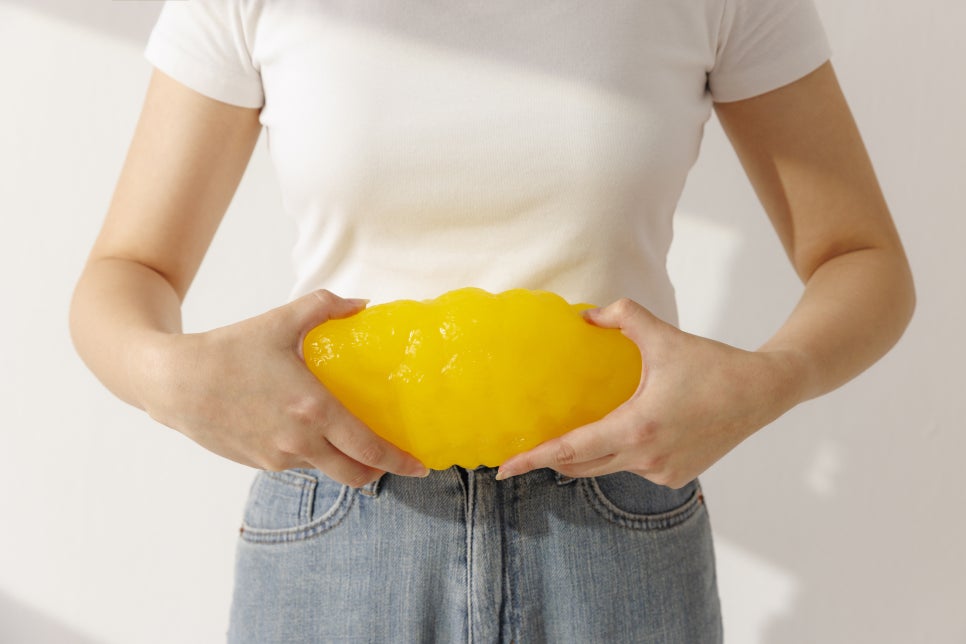
Abdominoplasty is performed under general or local anesthesia, and the surgery takes about 2 to 3 hours on average. Immediately after surgery, there may be some swelling, tightness, or pain, but these gradually improve over time. Sutures are removed in about one week to ten days, and depending on how well the surgical area recovers, it is very important to wear compression garments for a certain period to help control swelling and promote the recovery of skin elasticity.

Returning to daily life is possible after about 1 to 2 weeks of recovery following surgery. Strenuous exercise or lifting heavy objects is recommended to be avoided for about 4 weeks. In particular, it is desirable to undergo surgery after some time has passed since childbirth. Generally, at least 6 months to 1 year after childbirth, and after breastfeeding has ended, is considered an appropriate time.
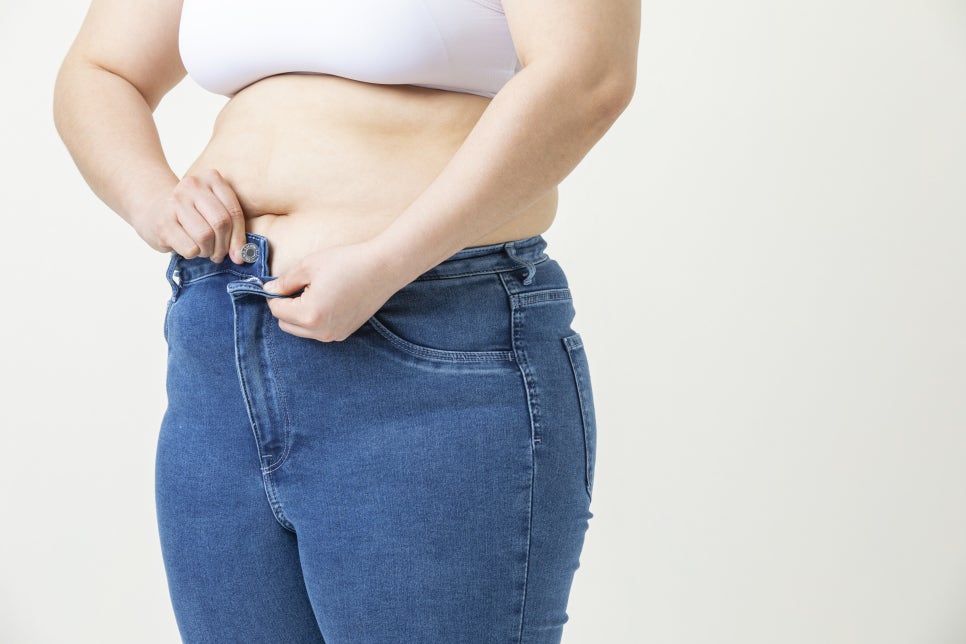
Postpartum belly sagging is a natural change that any woman can experience. If you tried to improve it with exercise or dieting but it did not get better, there is no need to blame yourself for not trying hard enough. In many cases, it cannot be reversed by external methods alone because the structure of the skin, muscles, and elastic fibers has itself changed. In such cases, it is more effective and realistic to consider a medical solution such as abdominoplasty through consultation with a board-certified plastic surgeon.
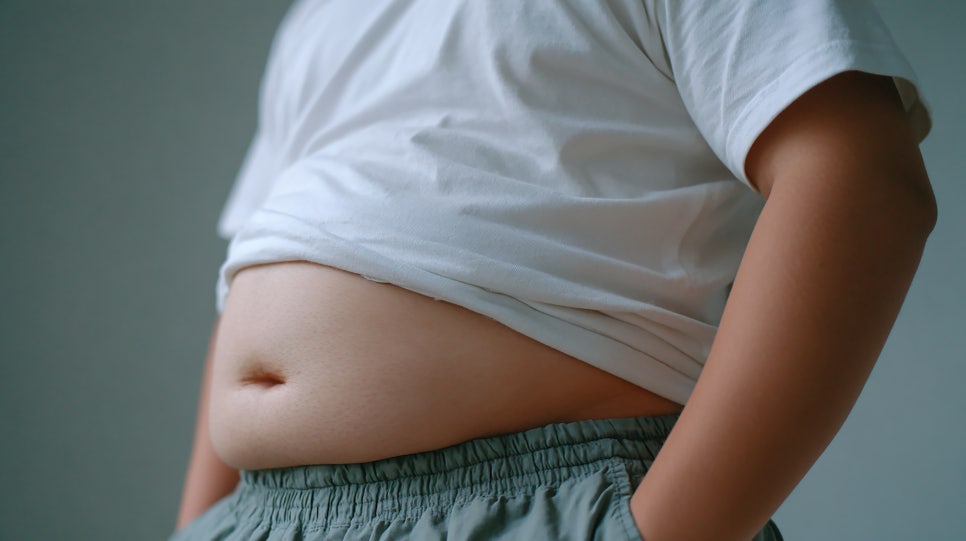
Above all, the important thing is not simply to aim for an outward change, but to make an active choice to regain confidence after childbirth and return to a healthy body shape. In that sense, abdominoplasty can be seen not merely as a cosmetic surgery, but as part of a woman’s healthy recovery and improved self-esteem, with the potential to enhance both quality of life and psychological satisfaction. In other words, restoring your body after childbirth is not a matter of “greed,” but an effort toward “recovery.”