[Bongbong Plastic Surgery]
Why Breasts Shrink During Dieting and
How to Restore Them
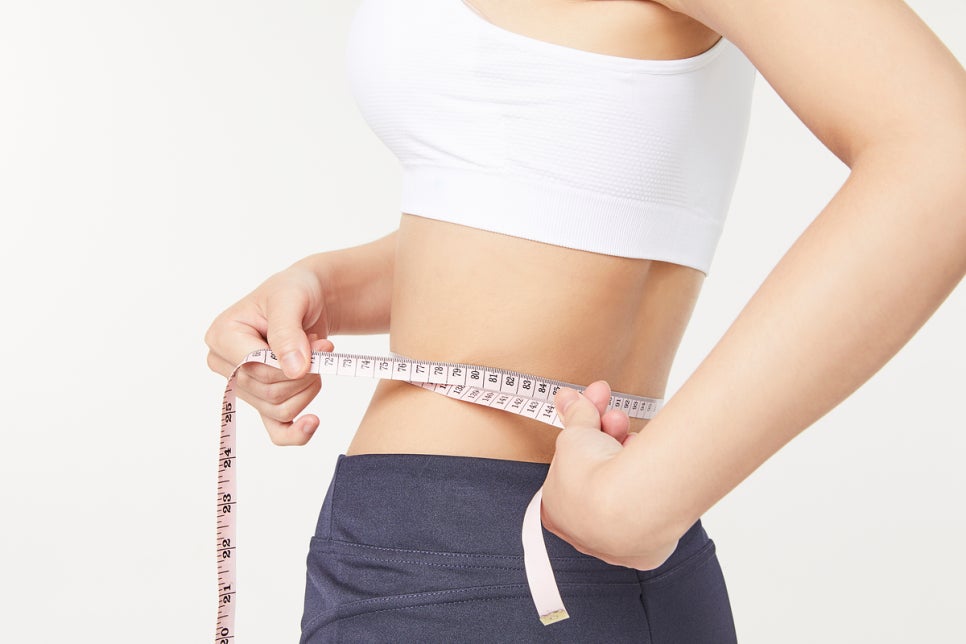
When people start dieting, many experience an unexpected change along with the waist and abdomen line they hoped for: a decrease in breast volume.
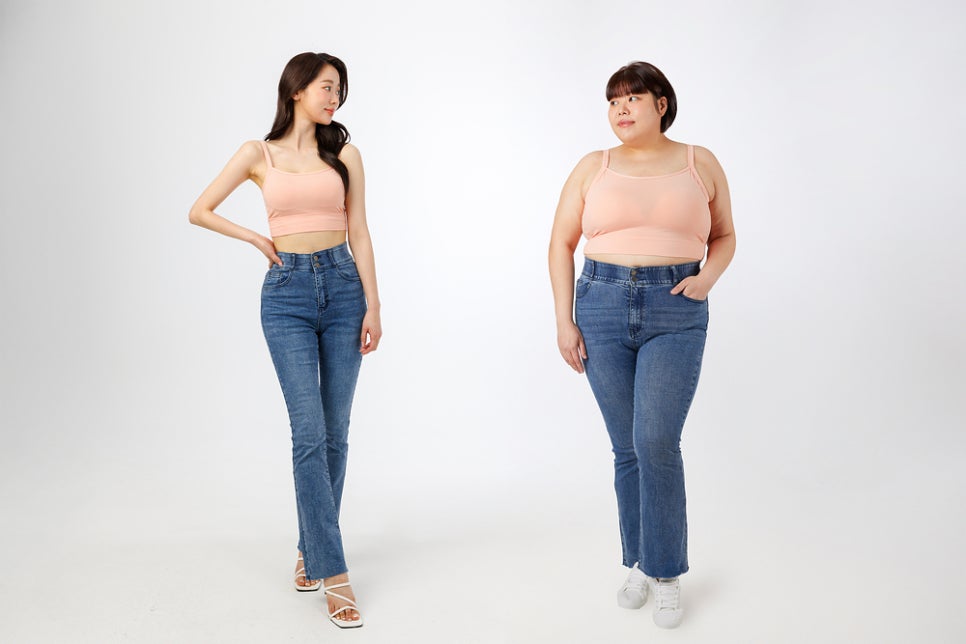
Even after working hard on diet and exercise for weight loss, it is not uncommon to feel surprised when the upper body looks less full or the way clothes fit changes.
Let’s take a step-by-step look at why this happens and how reduced breast volume can be restored naturally.
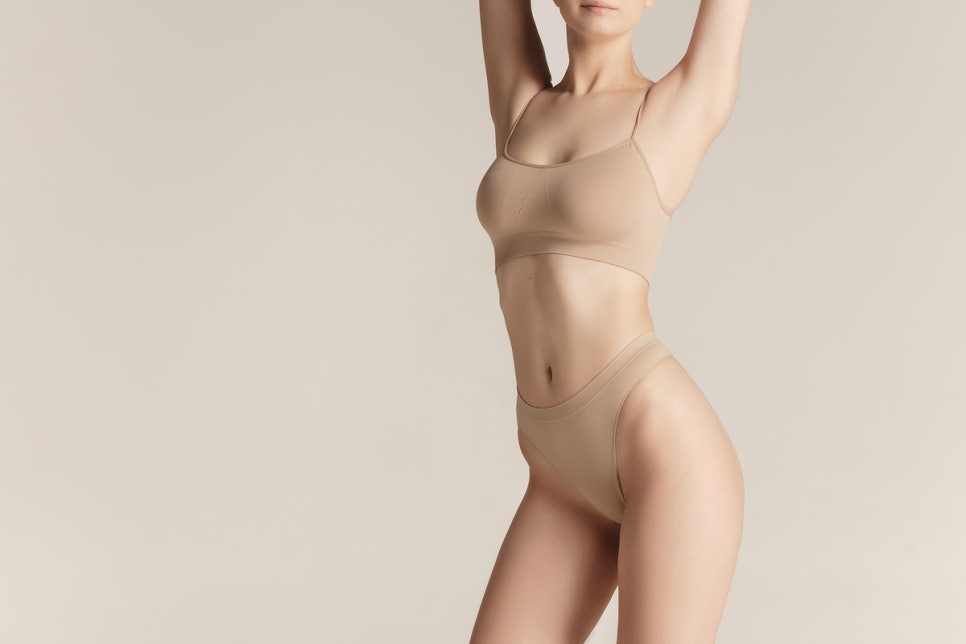
Anatomically, the breast is made up of about 80–90% fatty tissue, with the rest consisting of glandular and connective tissue. In particular, in slim body types, the proportion of glandular tissue is higher than fat, so they are more sensitive to weight changes.

When dieting, the body uses fat for energy, and because subcutaneous fat in the upper body tends to decrease first, breast volume changes the fastest. While abdominal or lower-body areas change more slowly because visceral fat or lower-body fat layers remain relatively thick, the breasts are made mostly of subcutaneous fat, so they are affected more significantly.
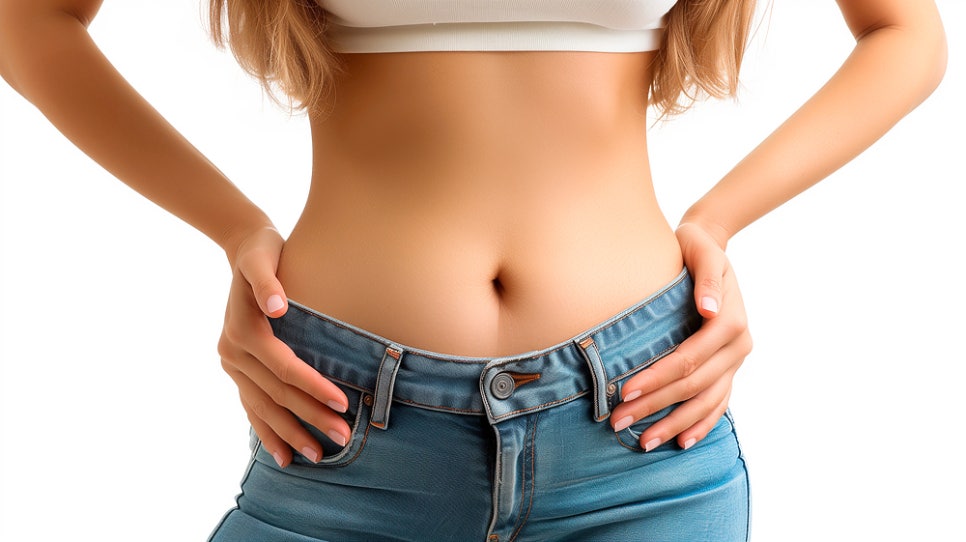
The problem is that it does not end with just a loss of volume. When the fat in the breasts decreases, the structural support that held them up also decreases, which can reduce firmness and alter the shape. Even if the waist and abdomen line look good, losing upper-body volume can change the overall proportions and make the body appear less full.
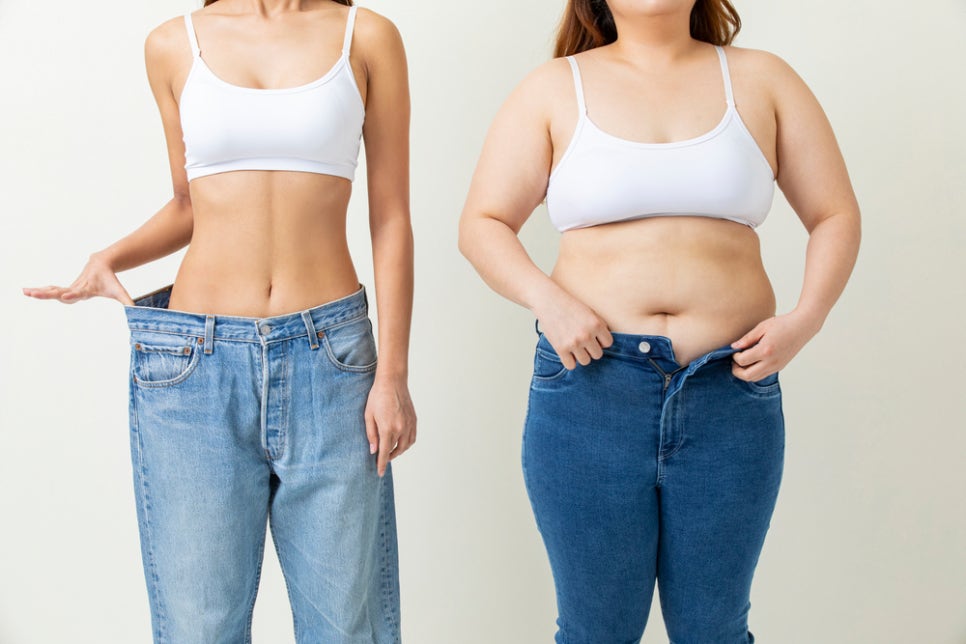
Many people think exercise can restore breast volume, but in reality there are limitations. The pectoral muscles developed through exercise have a flat and firm structure, making it difficult to create the natural fullness that fat provides. In particular, because women’s hormone characteristics limit muscle gain, it is not easy to regain pre-diet breast volume through strength training alone.
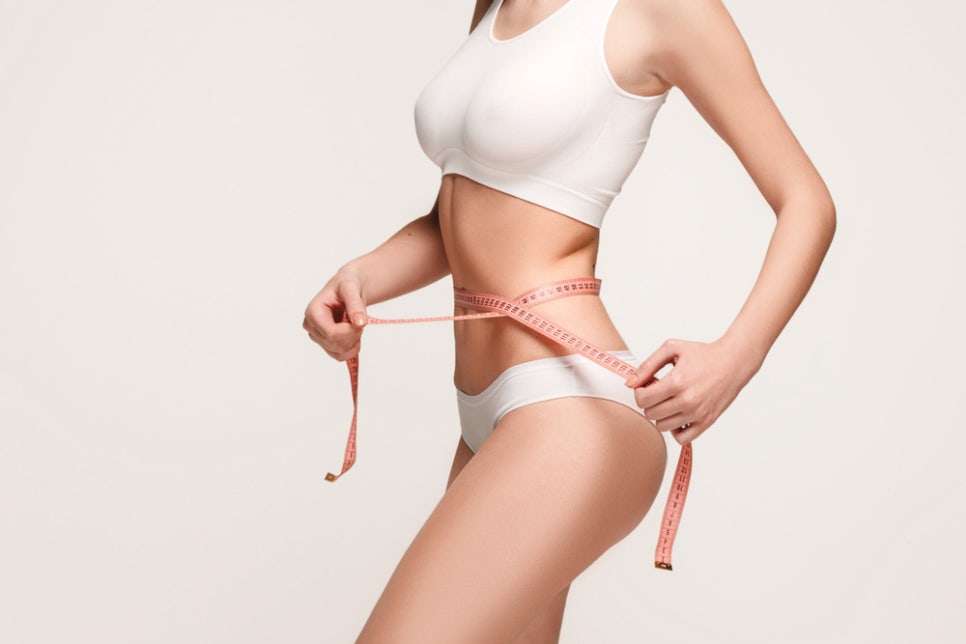
For this reason, implant insertion and autologous fat grafting are widely known methods for restoring reduced volume. Implants make it easy to achieve the desired size and shape, but there may be a sense of foreign-body discomfort, and depending on the individual’s body type, they can look unnatural.

Autologous fat grafting uses the patient’s own fat, so the feel is natural, but because the survival rate of the fat is not consistent, the results can vary, and it may be difficult to proceed if there is not enough fat available.
Recently, various attempts have been made to address these limitations. Methods tailored for slim body types with little fat, or for those who want a natural change instead of implants, have been developed. These approaches are designed to support more stable results by using materials that improve fat survival and help it blend with the tissue.
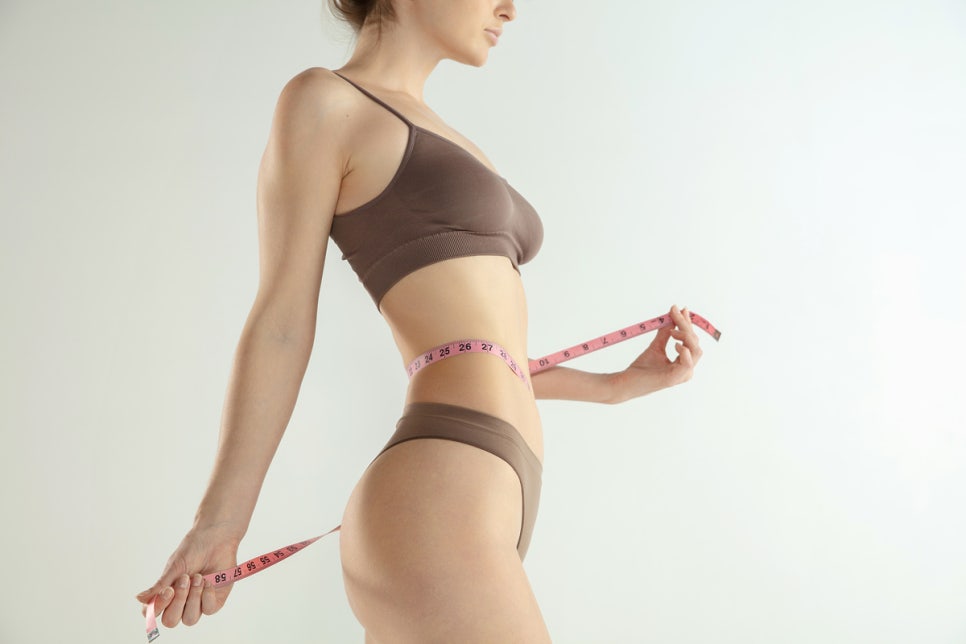
The procedure process is also becoming simpler than before. There are many minimally invasive methods that do not require incision, so the recovery period is short and returning to daily life is relatively quick. Because there is less swelling and less noticeable change, you can expect improvement without disrupting everyday life.
A body changed by dieting can bring confidence and health, but in the process, you may feel disappointed by volume that has been reduced unnecessarily. The important thing is not simply aiming for size, but finding a natural restoration method that fits your body type and lifestyle. Through sufficient consultation and planning, maintaining a healthy body shape and a satisfying line at the same time can be the best choice.

#breastvolume #breastchange #dietbreasts #breastshrinkage #bodyshapechange #dietsideeffects #breastrestoration #bodymanagement #volumemaintenance #naturalchange #healthybodyshape #bodylinecare #exerciselimitations #breastfirmness #breastline