[Bongbong Plastic Surgery]
Causes of Hip Side Fat and Saddle Bags, and How to Reduce Them
When managing body lines, there are certain areas that are especially hard to slim down. In particular, the side of the hips, or the saddle-bag area that extends to the outer thighs, is a common concern for many people.
Even when dieting, this area often does not change easily, and people frequently say that exercise does not produce noticeable results quickly. So why does fat tend to build up here so easily, and why is it so hard to reduce?

The cause of hip side fat and saddle bags is not simply weight gain. This area is strongly influenced by body structure and lifestyle habits. First, people who sit for long periods tend to have weaker gluteal muscles and poorer blood circulation, which makes swelling in the lower body more likely.
As unnecessary fluid and waste products accumulate, fat cells tend to enlarge and harden more easily. In addition, habits such as sitting with your legs crossed or walking while putting weight on only one side can disrupt pelvic alignment, placing strain on specific areas and causing uneven fat buildup.
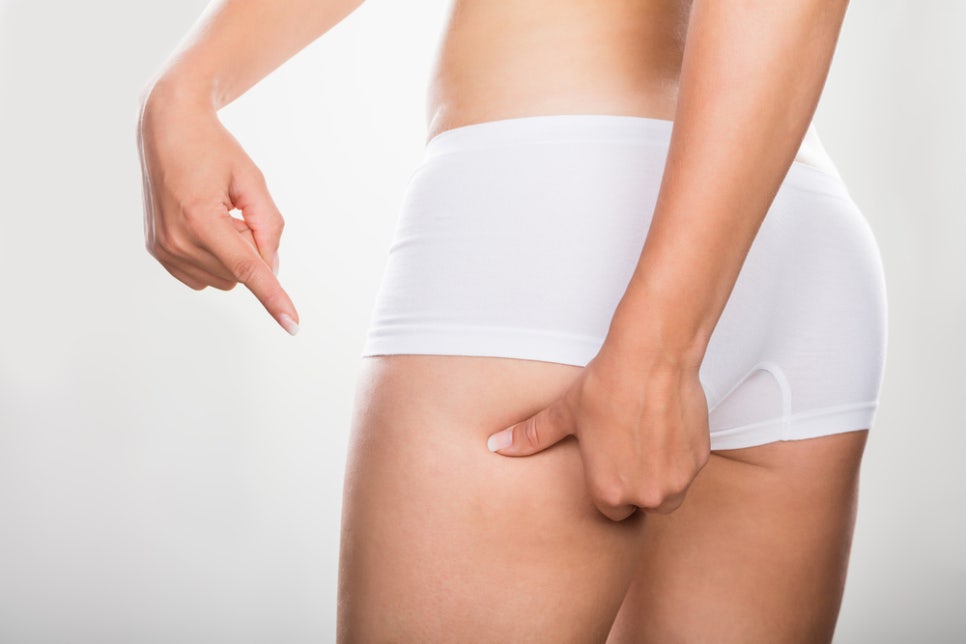
Muscle usage patterns also play a role. If, during exercise, you do not use the lower-body muscles evenly and instead rely mostly on the front thighs or calves, the outer hips and side lines receive too little stimulation.

When muscle mass in this area decreases, fat is relatively more likely to settle there, and saddle bags are a typical example of this. Hormonal changes and genetic body shape can also have an effect, so rather than trying to solve it in the short term, consistent daily care is needed.

So, what methods are effective for reducing excess fat in this area?
First, it is important to combine regular lower-body stretching with exercises that activate the gluteal muscles.
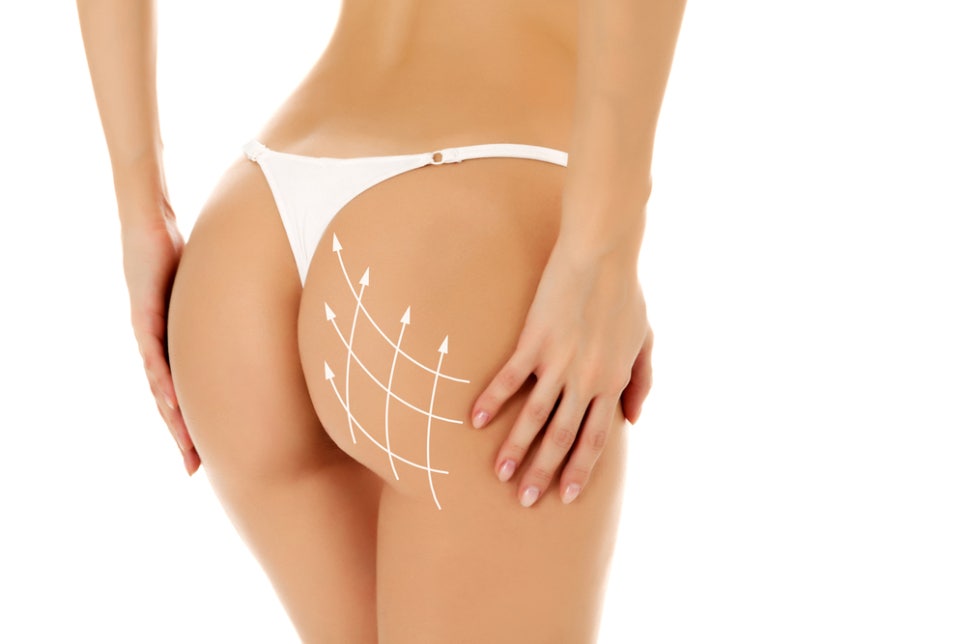
Basic exercises such as squats, hip bridges, and lunges help stimulate the entire lower body and create a firmer hip line. However, if your posture breaks down during exercise, the thighs may take over too much and the effect may decrease, so maintaining correct form is important.
Second, it is also necessary to reduce the amount of time spent sitting in the same position for long periods and to build the habit of getting up often to move lightly or stretch.
The hips and outer thighs are areas where swelling can easily develop if circulation is poor, so even a few times a day, shaking your legs or repeatedly squeezing your gluteal muscles can help.
Third, your usual eating habits also play an important role. Frequently eating foods high in sodium can cause fluid retention and lead to swelling, while excessive carbohydrates or greasy foods can increase body fat. Building a diet centered on natural foods rather than processed foods and drinking enough water can help with managing the lower-body line.

Lastly, because some body types tend to gain fat easily in specific areas, it is important to find a management method that suits you. Rather than simply trying to lose weight, strengthening the muscles to refine your lines and improving uneven posture or habits may be more effective.
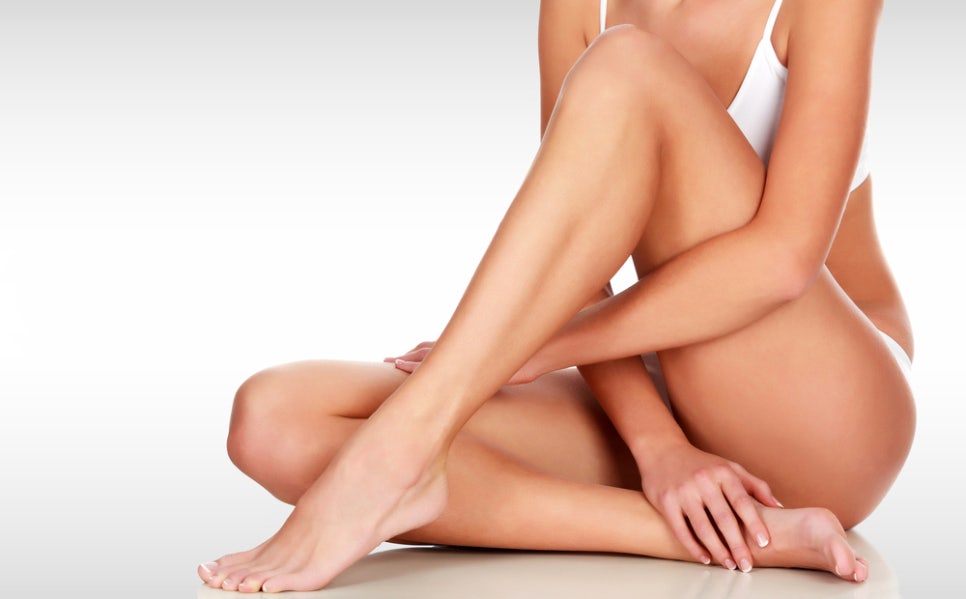
Hip side fat and saddle bags may be more than just an aesthetic concern; they can be a sign that makes us reflect on our daily habits and the balance of our body shape.
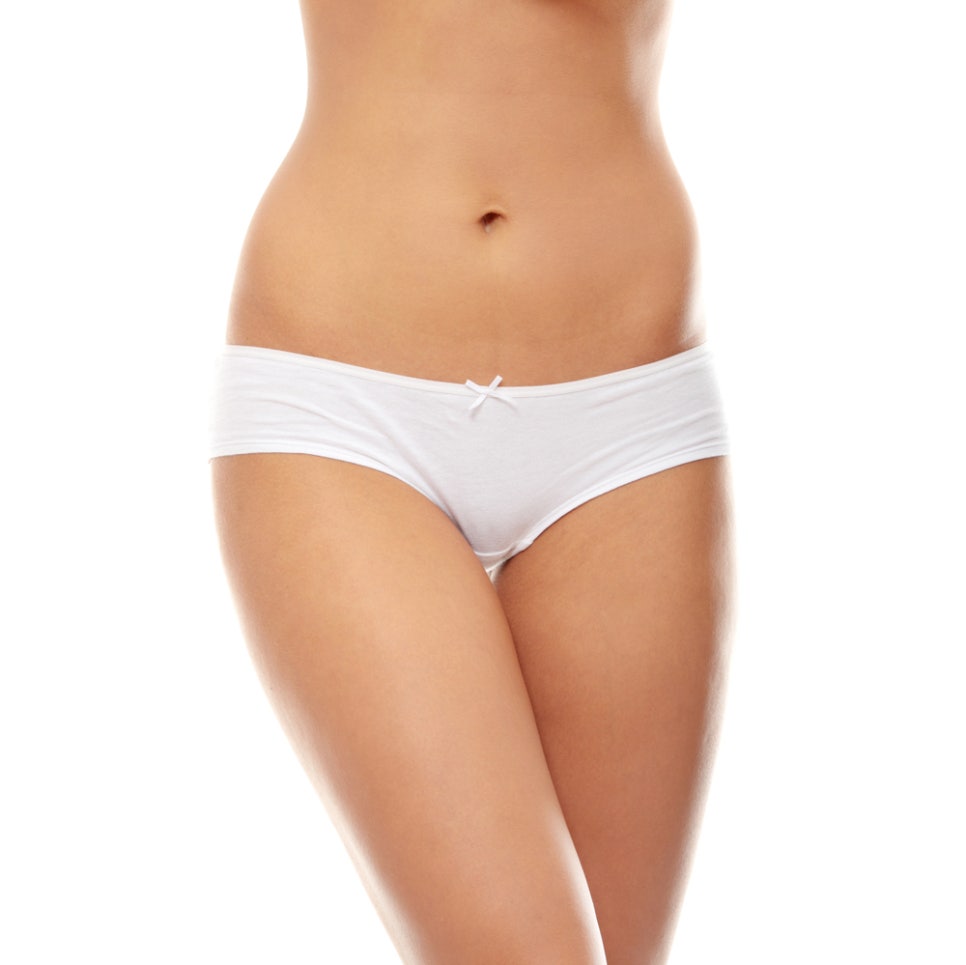
Rather than expecting results too quickly, the most realistic approach is to change small daily habits step by step. Change comes slowly, but if you keep at it consistently, you will definitely notice a difference.

 #SaddleBagManagement #HipSideFat #LowerBodyObesity #BodyShapeManagement #LifestyleImprovement #LowerBodyExercise #HipUpExercise #LowerBodyLine #MuscleStrengthening #SwellingManagement #PelvicImbalance #ExerciseRoutine #WomenBodyShapeConcerns #HabitCorrection