[봉봉성형외과 웰니스클리닉]
Differences Between Melasma, Dark Spots, and Freckles, and How to Remove Them
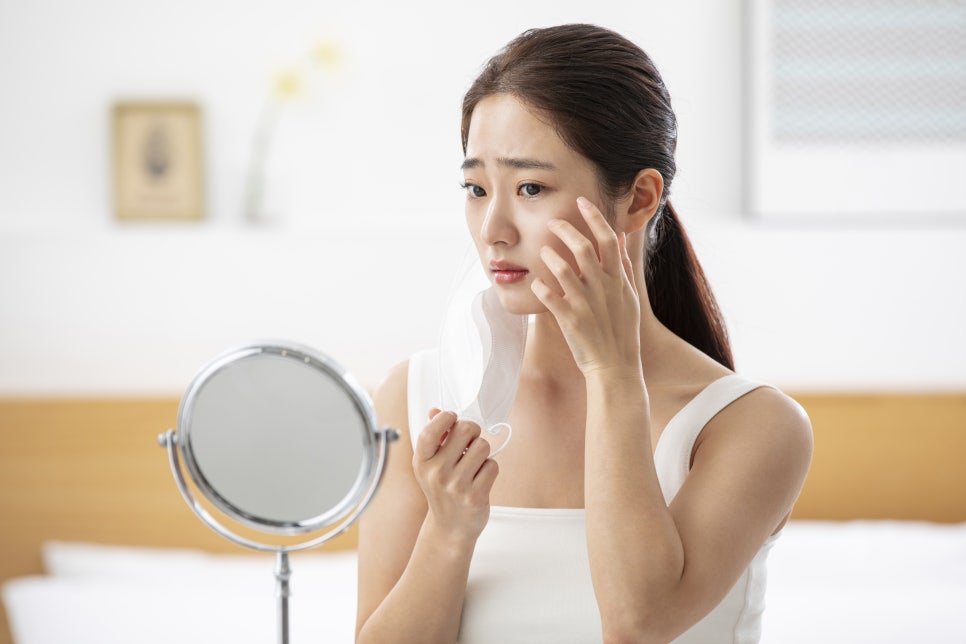
Melasma, dark spots, and freckles that appear on the face are all related to melanin pigment, but their causes, patterns, and treatment methods differ slightly. Many people confuse the three and try to manage them in the same way, but it is important to understand and approach each one according to its characteristics.
Today, together with #봉봉성형외과웰니스클리닉, let’s go over the differences between melasma, dark spots, and freckles, as well as methods that can help remove them, one by one.
Melasma
Effects of hormones and ultraviolet rays
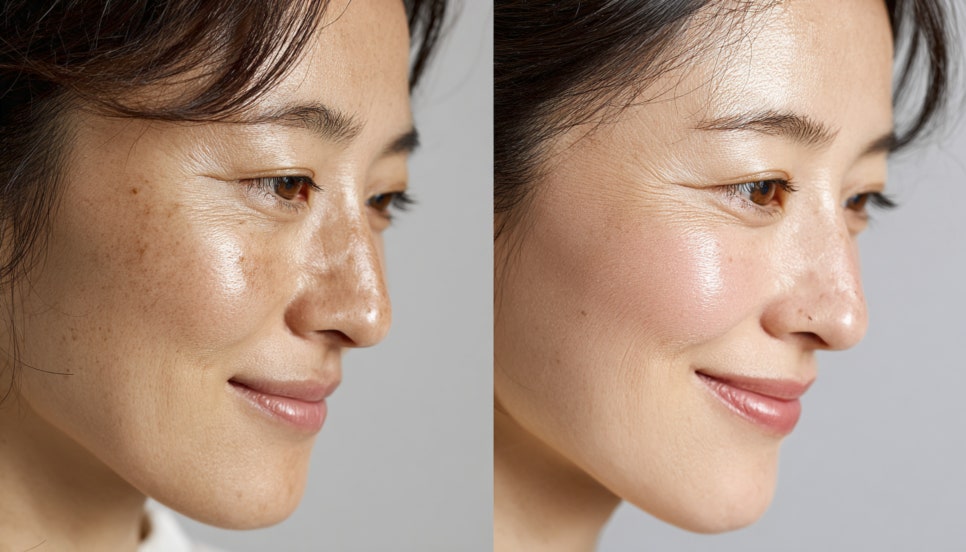
Melasma is characterized by symmetrical brown patches that mainly appear around both cheekbones, the forehead, or the upper lip. It is commonly seen in women and is closely related to pregnancy, childbirth, oral contraceptives, and hormonal changes. As exposure to ultraviolet rays increases, the color tends to become darker and spread, so sun protection is essential. Because melasma often involves pigment deposited deep in the dermis, consistent care is needed during treatment.
Dark spots
Acquired hyperpigmentation
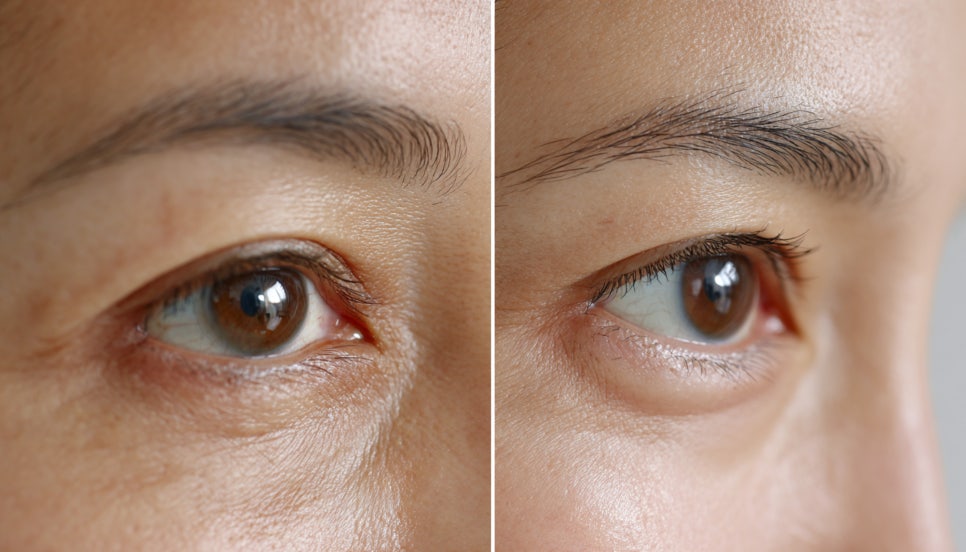
Unlike melasma, dark spots are irregular brown patches that appear in various places on the face without a specific cause. They are mainly caused by sun exposure, post-inflammatory hyperpigmentation after skin damage (for example, acne scars), and aging. Dark spots are often confined to the epidermis, so they tend to respond relatively well to laser treatment or whitening procedures. However, if lifestyle habits do not improve, they may reappear, so preventive care is also important.
Freckles
Genetic factors
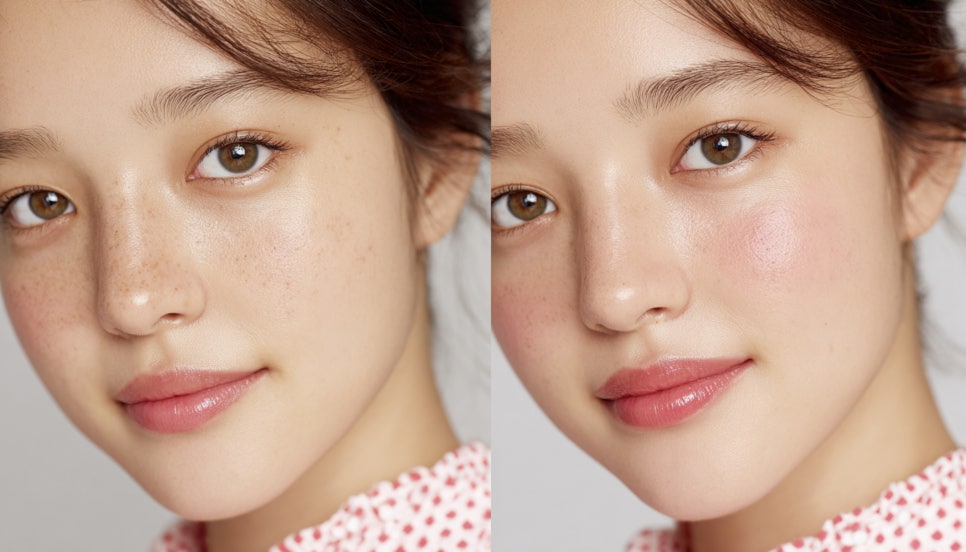
Freckles are small brown spots that appear from childhood, usually clustered on the bridge of the nose, cheeks, and around the eyes. They are strongly influenced by genetics, so many people with freckles have a family history. When exposed to sunlight, they tend to darken, but in winter they may become lighter. Freckles are often considered a natural skin feature, so they do not necessarily need to be removed, but if you want to improve them cosmetically, you can consider laser treatment along with sun protection.

The most important care method for all three is thorough sun protection. Apply sunscreen with SPF 30 or higher every day, and use hats or sunglasses to reduce direct sun exposure.
In addition, drinking enough water and consuming antioxidant-rich foods help skin regeneration. If pigmentation is severe, it is necessary to consult a dermatologist to find the treatment method that is right for you.
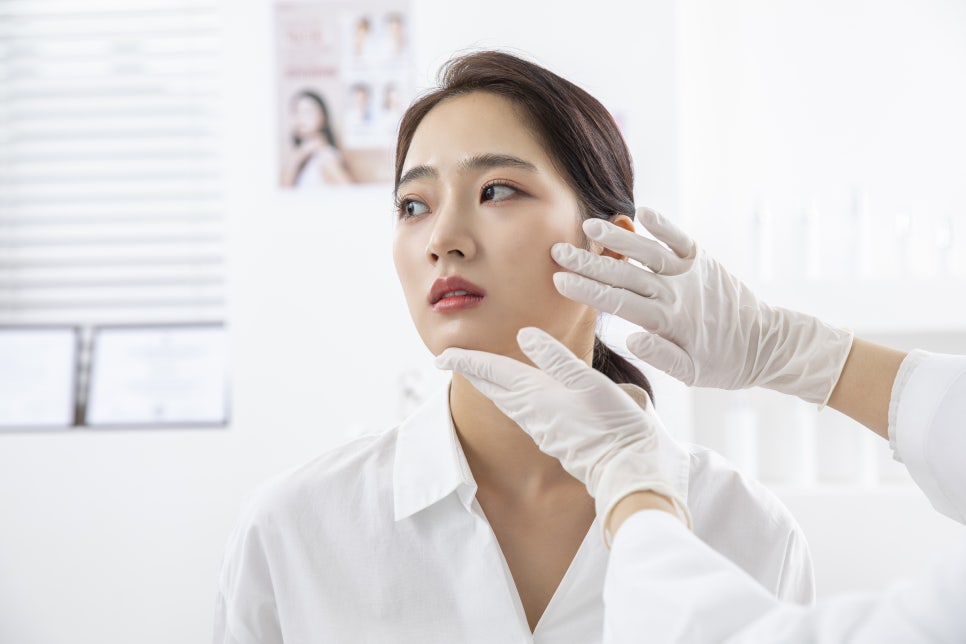
Melasma, dark spots, and freckles require different treatment approaches because their causes and depths differ.
With melasma, laser treatment can sometimes make the pigmentation darker, so medication, whitening creams, and low-intensity lasers are often used together. Dark spots respond well to removal with lasers, and freckles can also be improved with laser treatment. The important thing is that even after treatment, sun protection and lifestyle management are essential to prevent recurrence.

Melasma, dark spots, and freckles may look similar, but because their causes and treatment methods differ, accurate distinction and care are necessary. Understanding your skin condition well and reducing pigmentation through lifestyle improvements and consistent care is the best prevention.
Rather than undergoing aggressive procedures, finding the method that matches your skin condition and cause is safer and more effective!