[봉봉성형외과]
Reasons Eyelid Wrinkles Form, and How to Remove, Improve, and Address Them
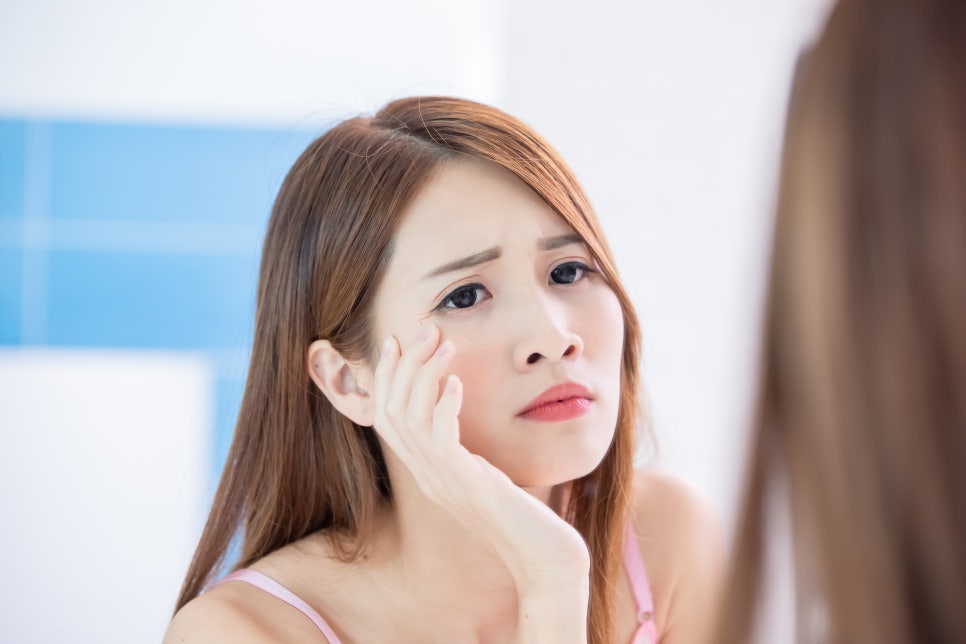
When looking in the mirror, the area that draws your attention first is undoubtedly the eye area. The eye area is the part of the face where expressions move the most, and because the skin is thin and delicate, it is also a representative area where the first signs of aging appear. It is easy to think of this as a natural change that comes with age, but eye-area wrinkles are not caused by age alone.
Various factors such as sun exposure, poor habits, and lack of skin moisture work together and can cause them to appear earlier and become deeper.
The underlying reasons eye-area wrinkles form

Eye-area wrinkles are mainly caused by reduced skin elasticity and repeated contraction of facial muscles. As collagen and elastin in the skin decrease with age, and the dermal layer becomes thinner, elasticity declines and wrinkles form. In addition, repeated facial habits such as smiling or frowning continuously tense the muscles around the eyes, eventually fixing the fold lines in the skin and turning them into wrinkles.
In particular, the skin around the eyes is about one-third as thick as the skin on other parts of the face and has fewer sebaceous glands, so it dries out easily and aging progresses more quickly.
The trap of premature aging created by lifestyle habits

Eye-area wrinkles can form earlier and deepen more quickly not only because of age-related aging, but also depending on lifestyle habits. Ultraviolet rays are the biggest enemy of skin aging. UVA damages the skin's dermal layer and promotes collagen breakdown. Not using sunglasses or sunscreen can rapidly increase eye-area wrinkles.
Lack of sleep, smoking, and excessive drinking also interfere with skin regeneration and reduce blood circulation, worsening dryness and wrinkles under the eyes. The habit of rubbing the eyes often or causing irritation while wearing contact lenses also stretches the skin and becomes a factor that causes fine wrinkles.
Eye-area wrinkles: how to remove and improve them

To reduce wrinkles that have already formed around the eyes, treatment that considers both skin elasticity recovery and muscle relaxation is needed. Botox, in particular, is effective for easing excessive contraction of facial muscles and preventing wrinkles from getting deeper. It is especially suitable for crow's feet on the outer corners of the eyes. On the other hand, already deep-set static wrinkles are best addressed by combining fillers with radiofrequency lifting.
Why a customized approach is needed

Treatment strategies for eye-area wrinkles should vary depending on a person's skin condition, wrinkle depth, and cause. For example, fine wrinkles in the early 30s can often be improved sufficiently with treatments focused on skin hydration and regeneration, but deeper wrinkles after the 40s may require collagen-regeneration procedures together with Botox to achieve natural-looking results.
Also, the area around the eyes has a complex distribution of nerves and blood vessels, so precise treatment by experienced medical staff is especially important. Improper treatment can cause unnatural expressions, bruising, or asymmetry, so it is essential to check the medical provider's experience and expertise.
Prevention is as important as treatment
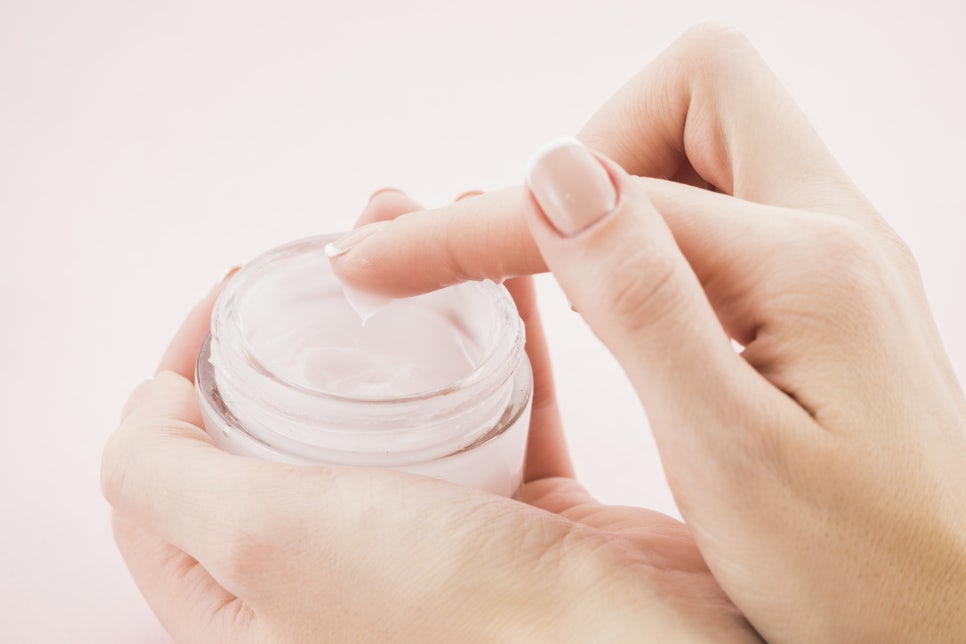
Removing wrinkles that have already formed is important, but prevention is an even stronger way to manage aging. You should consistently use sunscreen in daily life, maintain adequate water intake, avoid sleeping while wearing an eye mask, and avoid the habit of rubbing your eyes frequently. In addition, a diet rich in antioxidants and sufficient sleep help skin cell regeneration. Using an eye cream designed for the eye area to form a moisturizing barrier is also effective for preventing fine wrinkles.
Why post-procedure care is also important

After a procedure to improve eye-area wrinkles, care during the recovery period is very important as well. Strong sun exposure, drinking alcohol, and saunas should be avoided because they can delay skin recovery and cause pigmentation. Moisturizing care and sun protection must also be done together. In addition, if you have undergone laser treatment or a procedure, it is advisable to continue maintenance treatments at regular intervals to continuously stimulate collagen regeneration.
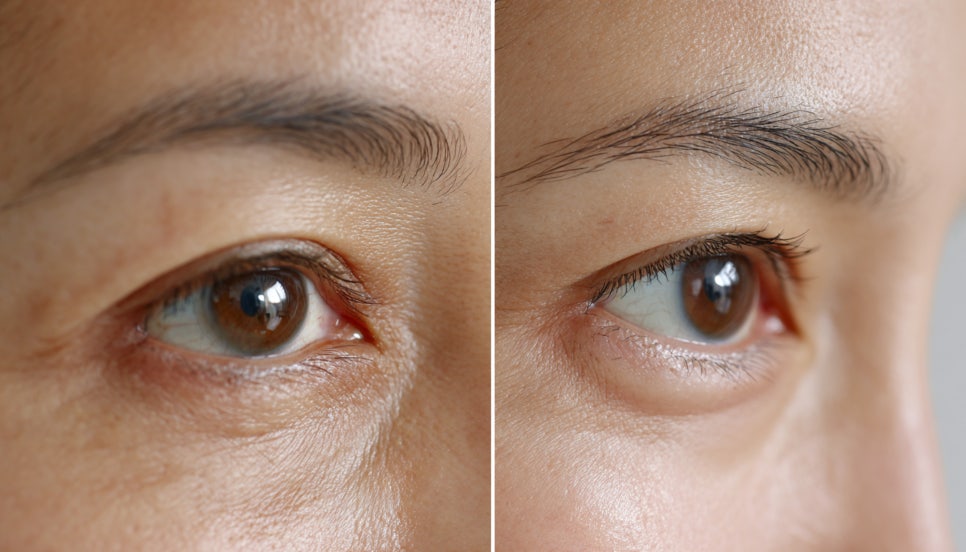
Eye-area wrinkles are a sign of age, and also the result of lifestyle habits. Fortunately, they can be sufficiently improved with proper treatment and care, and the earlier treatment begins, the better the results.
Not only removing wrinkles that have already formed, but also slowing future aging is the true essence of “youthful skin care.” If you combine steady lifestyle management with customized procedures, anyone can regain a smooth, elastic eye area and a confident appearance.