[BongBong Plastic Surgery]
BiVOL Breast Augmentation ADM and
Common Points Between Elravie Re20 Skin Booster

Breast augmentation is a field that must consider not only external changes, but also the recovery process after surgery and long-term tissue response. Recently, it has evolved beyond simply adding volume, toward pursuing natural-looking results tailored to body shape and tissue condition.

Within this trend, 'BiVOL', developed in-house by BongBong Plastic Surgery, presents an approach different from conventional implant-centered procedures.

BiVOL breast augmentation is a method that applies Acellular Dermal Matrix (ADM), and its defining feature is a tissue-friendly approach. BongBong Plastic Surgery states that it applies L&C Bio's ADM to BiVOL surgery, and that this material is being used in various medical fields after being recognized for safety and tissue compatibility.

ADM is a tissue-based material made by removing cells from human dermal tissue and leaving only the collagen structure. Because it can reduce foreign-body reactions in the body while blending well with surrounding tissue, it is used in various fields such as reconstructive surgery and as an adjunct in breast surgery.

In particular, BiVOL surgery is performed not as a simple graft or implant insertion, but by using a material based on cell-removed ADM so that it blends naturally with bodily tissue.

As a result, it may allow for a more flexible tissue response during recovery after surgery, and it is designed in a structure that helps maintain volume. In particular, since the surgical method is customized by comprehensively considering an individual’s body shape, skin thickness, elasticity, and soft tissue condition, a patient-centered approach is being taken.

What is especially interesting is that the ADM used in BiVOL surgery is the same raw material applied to L&C Bio's skin booster product, 'Elravie Re20'.

Elravie Re20 is not a typical hyaluronic-acid-based filler or skin booster, but a tissue-repair skin booster developed to improve the thickness and elasticity of the skin layer. Clinical studies on this raw material have also reported positive results in improving skin condition.
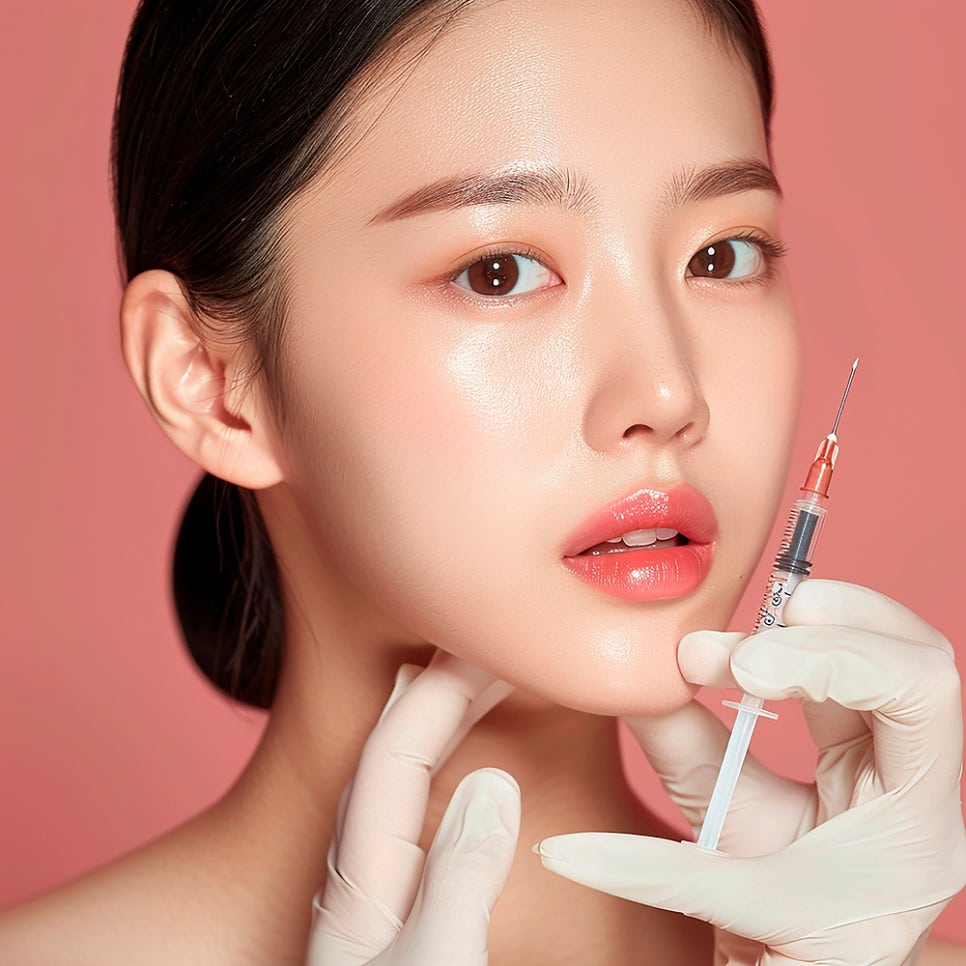
In other words, this material has structural characteristics that make it usable both as a skin booster, where it is directly injected into the skin to improve the skin environment, and as an auxiliary material for supporting and reconstructing tissue (ADM). This can also be interpreted as an example showing its biocompatibility as a medical material and its wide range of possible applications.

While conventional breast augmentation methods focused on simple volume expansion centered on implant insertion, BiVOL can be understood as a more complex design that goes further by also considering tissue responsiveness and structural stability.

Of course, the choice of surgical method may vary depending on an individual’s anatomical conditions and desired results, but a method like BiVOL, which prioritizes harmony with tissue, may also be considered a meaningful attempt to improve long-term satisfaction.
Currently, BiVOL has completed trademark registration with the Korean Intellectual Property Office, and it is reportedly continuing to explore various clinical applications. As medical materials continue to evolve and surgical methods become more diverse, techniques that attempt a tissue-friendly approach like this are expected to attract more attention in the future.

 #BiVOL #BongBongPlasticSurgery #BreastAugmentation #AcellularDermalMatrix #ADM #ElravieRe20 #SkinBooster #L&CBio #TissueSupportMaterial #PlasticSurgeryMaterial #BreastVolume #NaturalBreastAugmentation #DifferentFromFillers #TissueRegeneration