[Hakdong Station Plastic Surgery Clinic]
If diet, massage, and machines for belly fat management don’t help
#Abdominoplasty
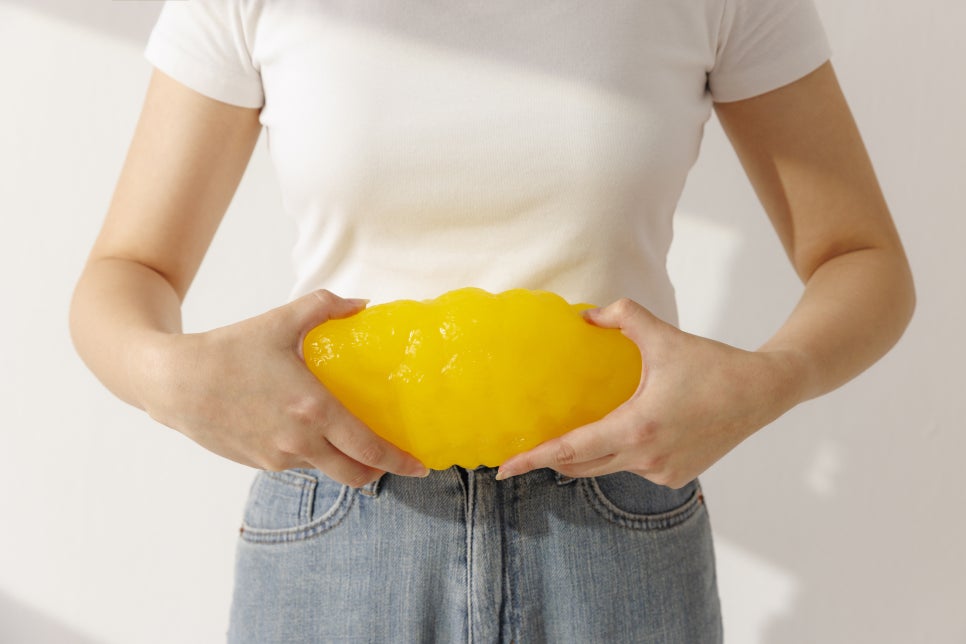
For anyone who consistently pays attention to dieting and body shaping, there is probably a time when they have wondered, “Why won’t belly fat come off?” Even with dietary control and a combination of aerobic exercise and core workouts, the fat around the abdomen often does not shrink easily, or it comes back quickly. In particular, if abdominal elasticity has declined after childbirth, or if the skin has become loose from repeated weight regain, simple diet control has clear limits.
This is because not only the fat layer but also the abdominal muscles and skin layer have structurally loosened, and in such cases, “abdominoplasty” can be a more fundamental solution.
Why do diet and exercise reach a limit?
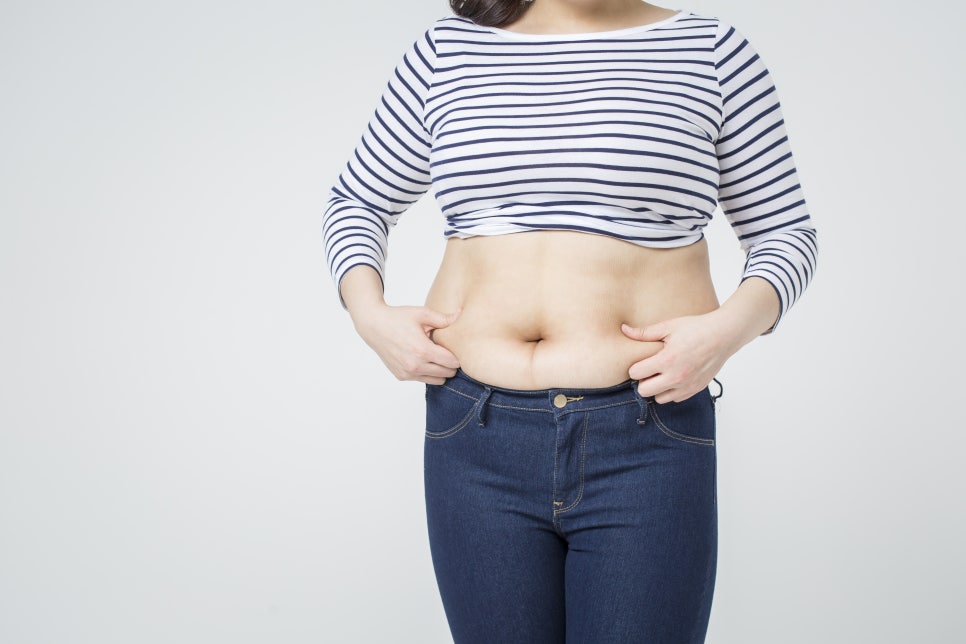
The areas where body fat accumulates differ from person to person depending on genetic and hormonal factors. The abdomen, in particular, is a representative area where visceral fat and subcutaneous fat accumulate at the same time, and it does not go away quickly or is easily re-accumulated.
For women especially, the abdominal muscles loosen and skin elasticity decreases through pregnancy and childbirth, so even with exercise, the muscles often do not return to their original position. No matter how much massage is done or how many abdominal fat reduction devices are used, they cannot fundamentally tighten loose skin and relaxed muscles, which is why belly fat continues to remain.
What is abdominoplasty?
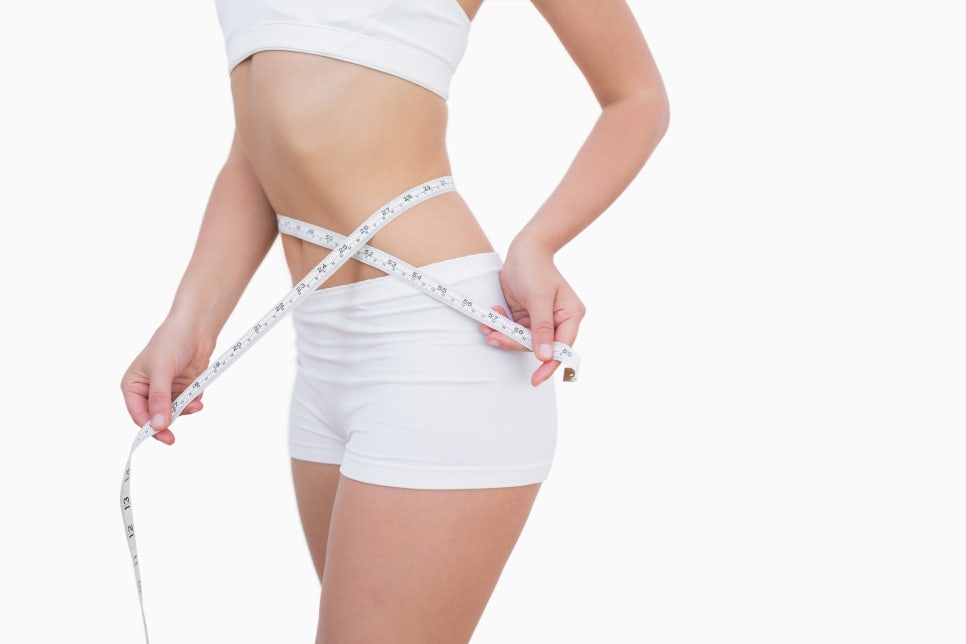
"Abdominoplasty" is a surgery that removes loose skin and fat and sutures separated abdominal muscles to create a flat, firm abdomen. While general liposuction is a procedure that removes only fat, abdominoplasty can be seen as a fundamental body-contouring surgery that comprehensively corrects the skin, fat, and muscles.
In particular, in cases where the abdominal muscles have separated after childbirth (diastasis recti), recovery through exercise is almost impossible, so directly suturing the fascia to reestablish the center of the abdomen is the most reliable method.
Why abdominoplasty is not just a cosmetic surgery
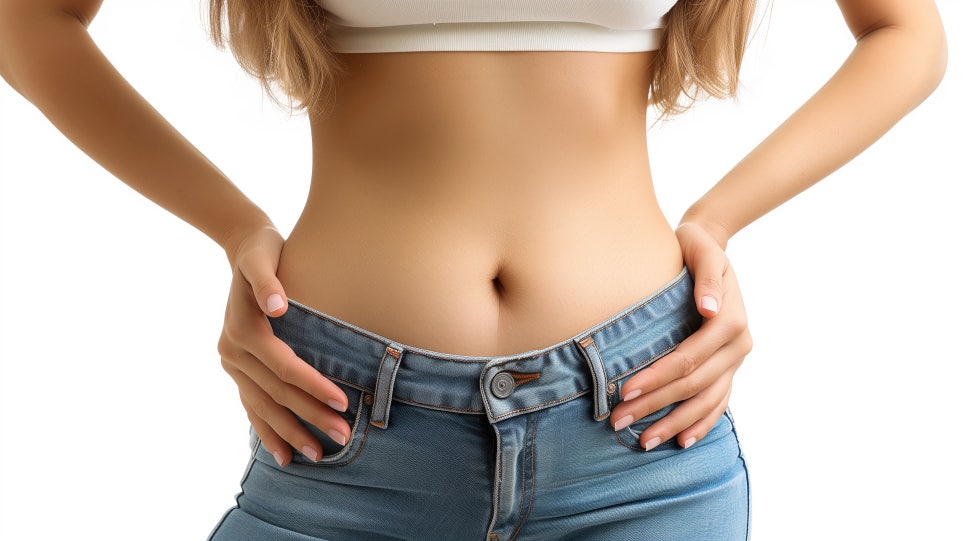
Abdominoplasty is not a surgery for aesthetic purposes alone. When the abdominal muscles loosen, functional issues such as lower back pain, postural imbalance, and reduced intra-abdominal pressure may also occur. If the muscles do not return to their proper position, the lower back can be strained, and in daily life, people may easily feel fatigued or experience worsening back pain.
By firmly tightening the muscles and fascia through abdominoplasty, intra-abdominal pressure is normalized, the waistline becomes more stable, and body balance is restored. Therefore, this surgery can be expected to provide both aesthetic improvement and functional recovery.
What is the postoperative care and recovery process?
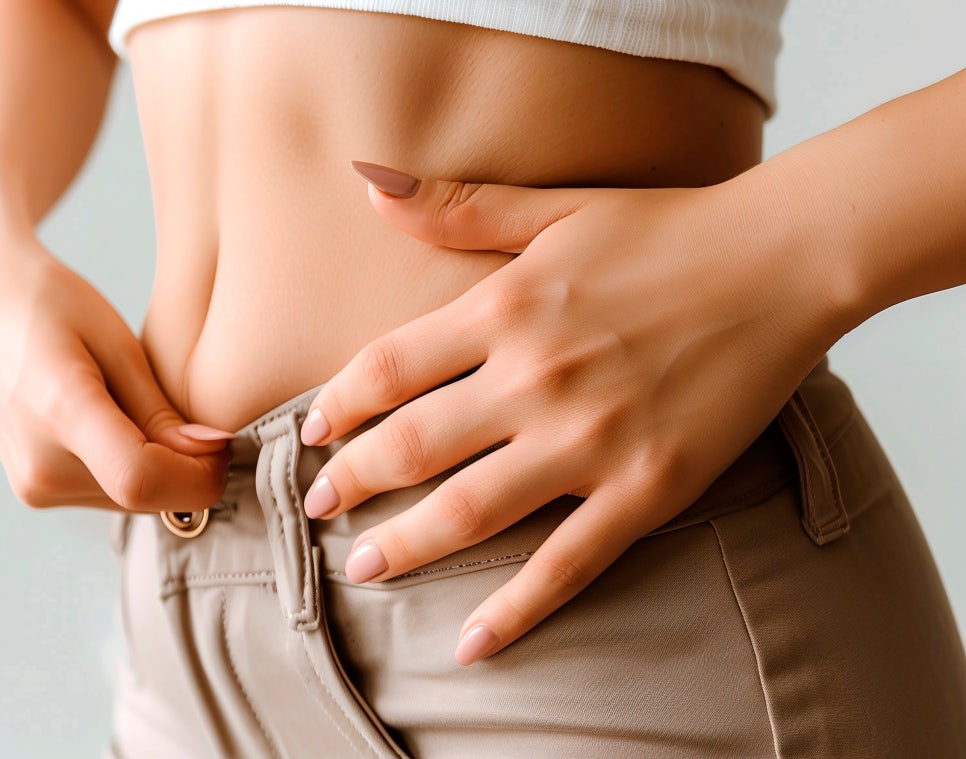
After abdominoplasty, it is necessary to wear an abdominal binder and manage posture so that the abdomen is not overstrained for a certain period of time. Usually, after about 1 to 2 weeks of recovery, daily life becomes possible, and light exercise is possible after 4 weeks.
While the surgical area is healing, actions that place excessive pressure on the abdomen (such as lifting heavy objects or intense exercise) should be avoided, and scar care should also be continued consistently. Recently, the incision line has been designed to be hidden inside the panty line, greatly reducing concerns about scarring.
Who is a good candidate for abdominoplasty?
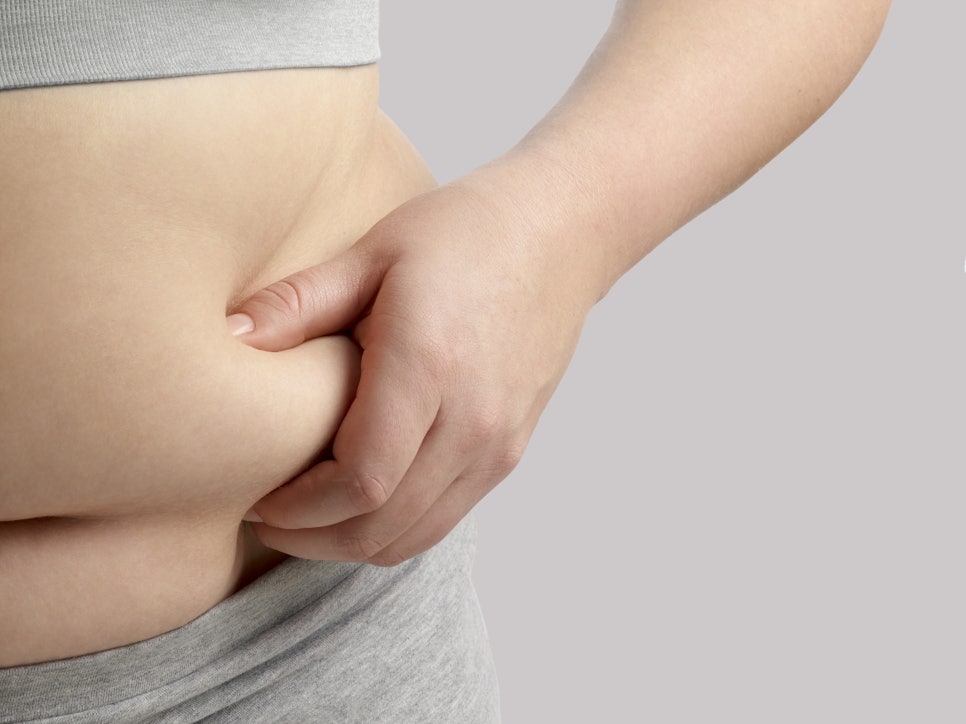
Abdominoplasty is not necessary for everyone. However, it is worth considering in the following cases.
-
When the abdominal muscles have separated after childbirth and the skin has sagged
-
When the abdomen does not flatten even after dieting
-
When loose skin remains even after liposuction
-
When abdominal elasticity has declined after weight loss
In these conditions, there are clear limits to simple exercise or machine-based care, so restoring a smooth abdominal line through structural correction with abdominoplasty can be effective.

Abdominal elasticity and contour are not simply a matter of the amount of fat. Because they are a complex issue that arises when the balance of skin, muscle, and fat is disrupted, surface-level management has clear limits. Abdominoplasty fundamentally improves these structural issues and is an effective way to restore a firm abdominal line while reestablishing the center of the body shape.
If there has been no change even with diet, massage, and machine-based care, then through a thorough consultation with a plastic surgery specialist, finding the abdominoplasty method that is appropriate for you will be the first step toward real change.