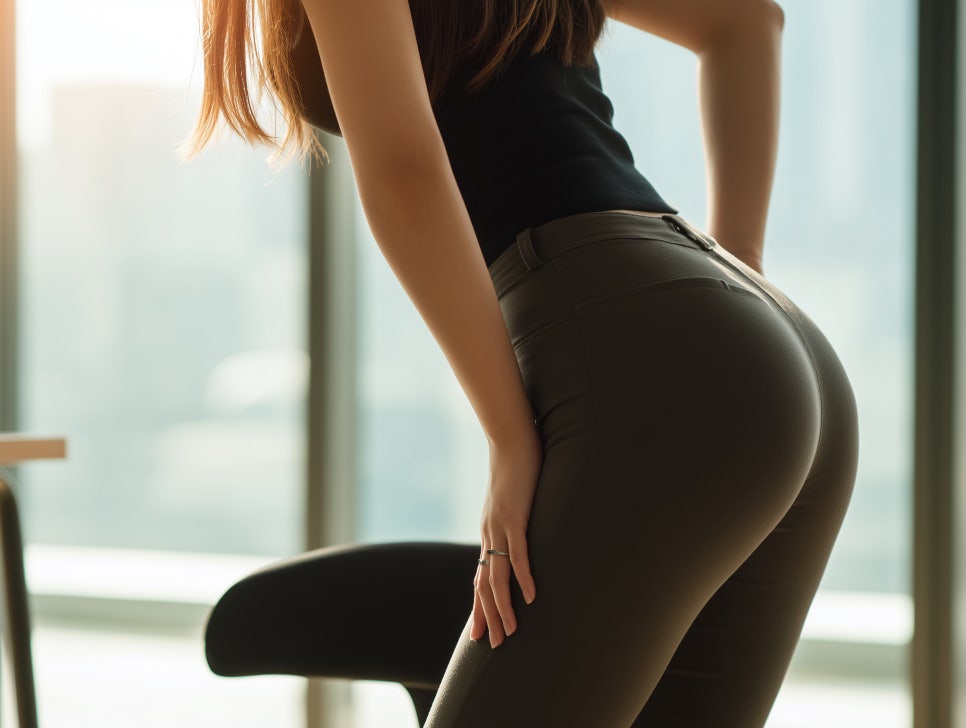
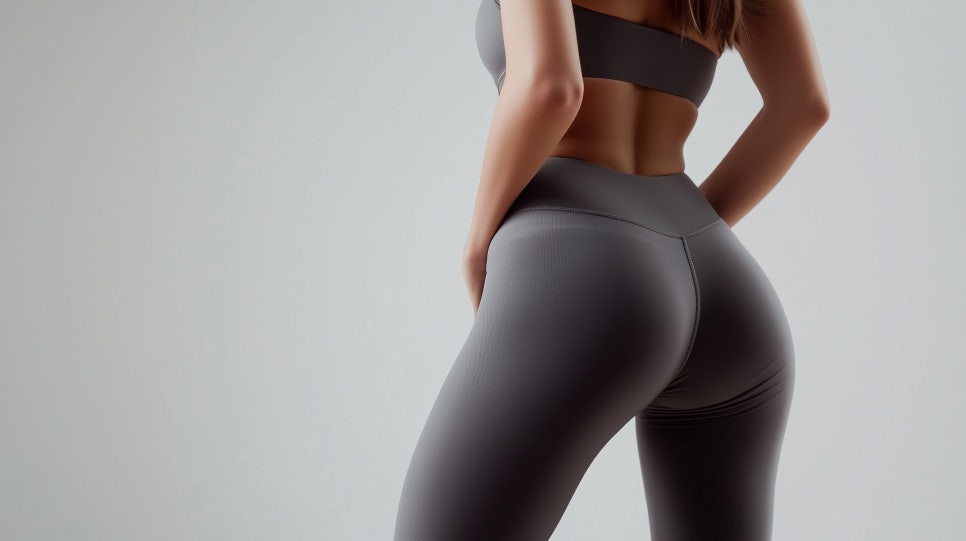
The reason the hip line can look flat or sagging is not simply because there is not enough fat, but because both elasticity and volume are lacking at the same time.
Recently, butt fat grafting, which uses your own fat instead of implants, has been drawing attention as a natural hip-lift method.
But many people are most curious about things like, “Will the fat settle well?” and “Will it be reabsorbed over time?”
Today, let’s take a detailed look at the survival process of butt fat grafting, its hip-lift effect, and the points to watch out for.

Can Butt Fat Grafting Achieve Survival and a Hip-Lift Effect?
Butt fat grafting is a procedure in which unnecessary fat is harvested from areas such as the thighs, abdomen, and flanks, then only pure fat cells are separated and strategically injected into the buttock area in layers.
In other words, it is not just simple body contouring, but a way to restore buttock volume and elasticity using your own fat.
This procedure is suitable for those who want to emphasize a natural hip line or avoid the artificial feel of implants.
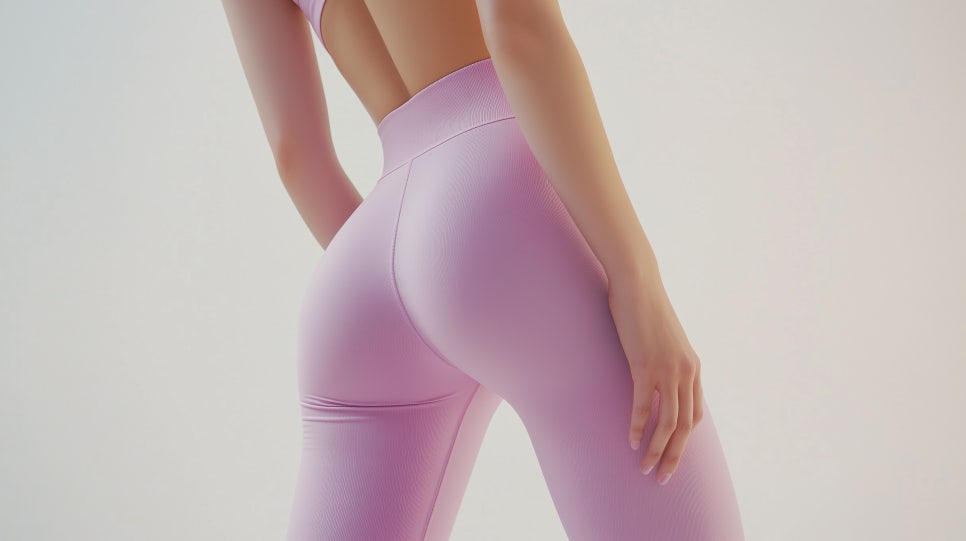
The key factor that determines the result of butt fat grafting is the survival rate.
Not all of the transplanted fat settles in place; some of it may be absorbed because it does not receive blood supply.
That is why, to increase the survival rate, it is important not simply to inject fat, but to use a delicate dispersed-injection technique so that blood vessels and tissue can connect well.
Through this process, when the fat cells stably connect with the surrounding tissue, a firm and natural hip line can be maintained for a long time.
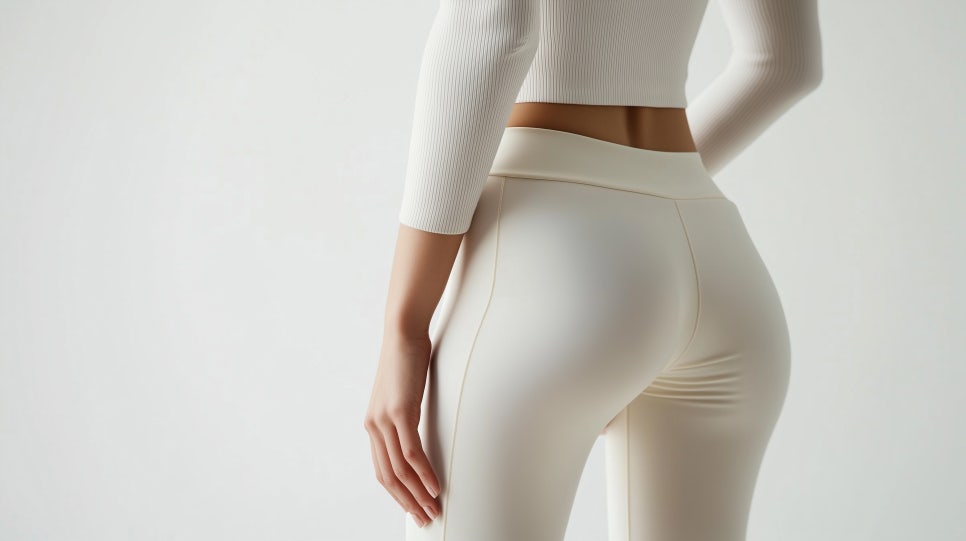
To answer first: yes, it is possible.
Butt fat grafting does more than just add volume; it improves the shape of the buttocks themselves and creates a visual hip-lift effect.
In particular, when the waist and pelvic lines are adjusted together, the upper buttock volume becomes more pronounced, naturally creating a “lifted” line.
In other words, it can provide a natural hip-lift effect and improved firmness without implants.
After fat grafting, initial recovery management is very important so that the fat cells can settle stably.
-
Avoid direct pressure on the buttocks for a certain period after surgery
-
Maintain light stretching to help blood circulation
-
Promote tissue recovery with enough water and protein intake
-
Avoid smoking and drinking, as they interfere with blood flow
When this kind of care is carried out together, the survival rate of the transplanted fat can improve, and the shape of the hip line can be maintained for a longer time.
Because fat grafting uses your own fat, the risk of foreign-body reactions or infection is low, and the texture when touched is natural as well.
It is also possible to selectively inject only into areas that need volume depending on body shape, which is why it has recently become a trend as a way to create soft, feminine curves.
In particular, it has become a stable yet natural alternative for people who feel burdened by implant insertion.
💬 In closing
Butt fat grafting is evolving beyond a simple aesthetic procedure into one that helps balance body proportions and overall harmony.
The key is not to place as much fat as possible, but to increase the survival rate and achieve harmony with the tissue.
If the procedure is planned with consideration for your body shape, skin elasticity, and available fat volume, you can 충분히 expect a natural hip-lift effect and a firm line without implants.
What matters most is not simple volume, but harmony that balances the entire body.