Why You May Not Lose Weight After Childbirth Even When You Diet,
Could It Be Due to Muscle?
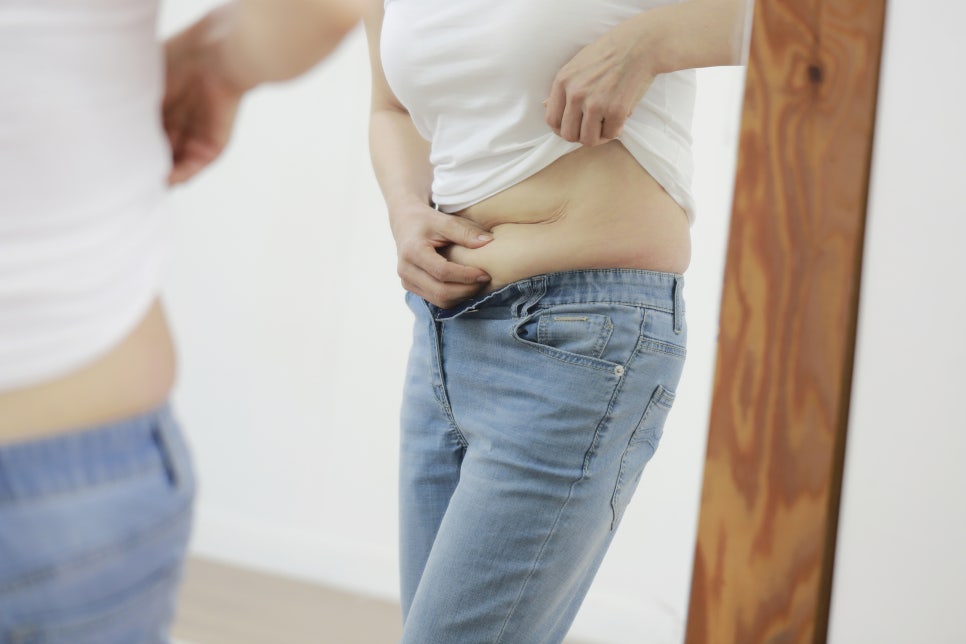
After childbirth, many people find that their weight recovers to some extent, but the belly remains unusually protruded, which can be a concern. This may not be simply a body fat issue, but rather a change in the structure of the abdominal muscles that expanded during pregnancy. In particular, if the belly continues to push forward over time and the effect remains limited despite combining exercise and diet, it is worth looking at the deeper layers of the abdomen.

1️⃣ Why the belly is especially hard to lose after childbirth
During pregnancy, the abdomen expands greatly to accommodate the growth of the fetus, and in the process, the central abdominal muscles are pulled apart to the left and right. If this gap does not recover immediately after childbirth, the abdomen may not be firmly supported, making the belly look as if it is constantly pushed forward. This is why reducing fat alone does not solve the problem.
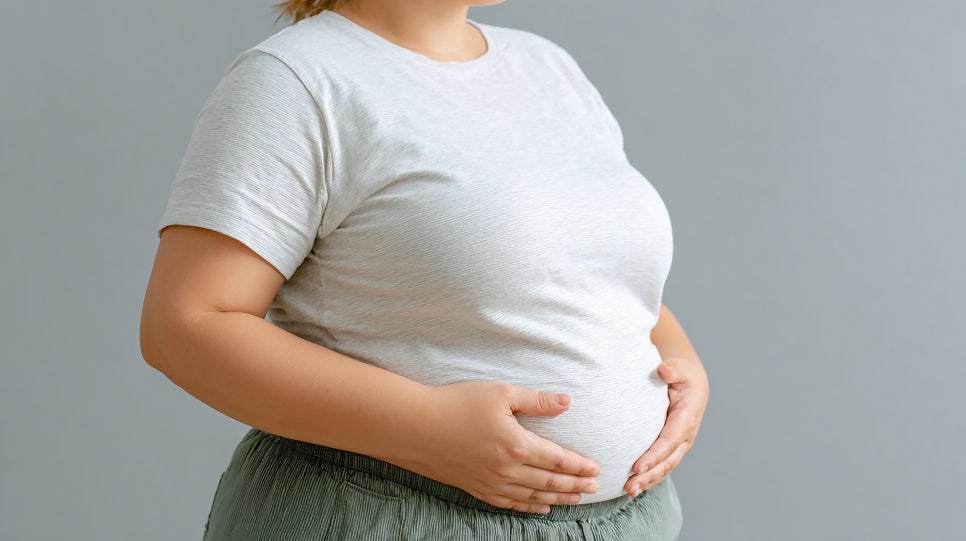
2️⃣ Why there is little change even with diligent diet and exercise
If the separation in the abdominal muscles remains, exercise cannot fundamentally tighten the area, so only the surface fat is reduced while the overall line is likely to remain the same. As a result, even if weight decreases, it may feel as though the belly has not changed at all. This is a common concern many people have: “Why do other areas slim down, but not the belly?”
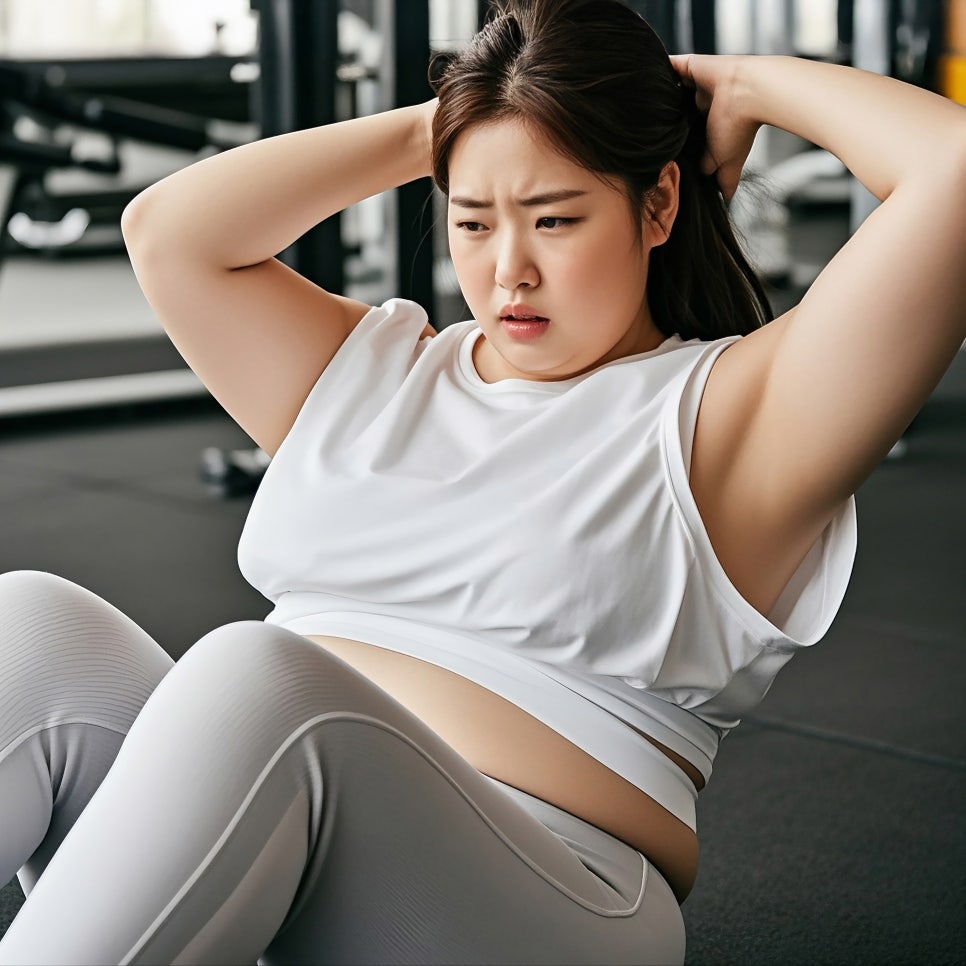
Postpartum abdominal changes where muscle relaxation can remain
After childbirth, not only subcutaneous fat but also the abdominal fascia and muscle layers change. In a state of reduced elasticity, the body shape may feel as though it is easily collapsing, and clothing may no longer fit as neatly as before. Some of this improves over time, but some changes may be difficult to reverse naturally.
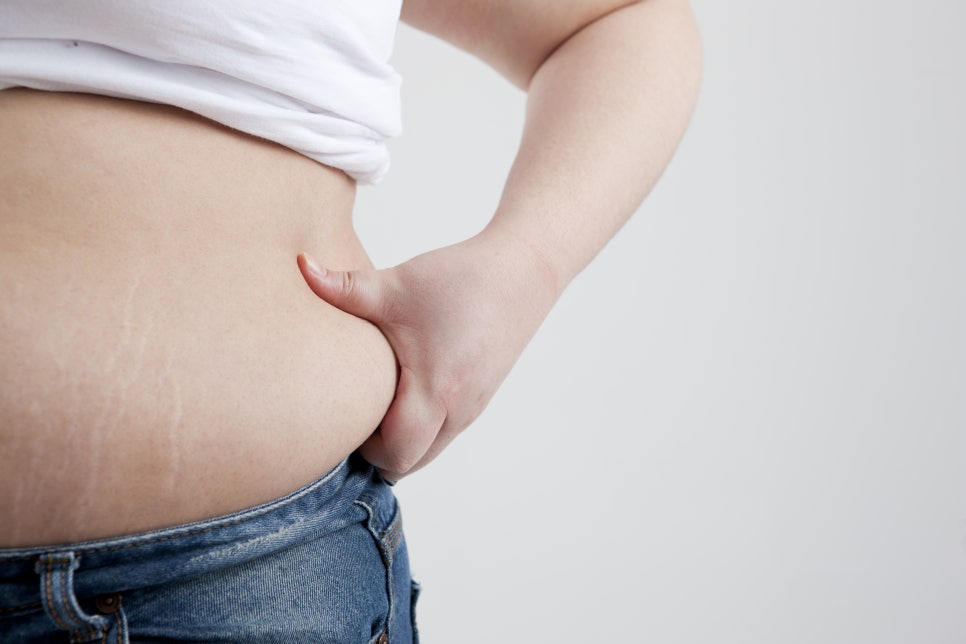
When is abdominal contour correction needed?
If the belly remains protruded even after consistently exercising and managing weight, structural relaxation in the deeper abdominal layers may be suspected. Because the recovery approach differs depending on whether the issue lies in the skin, fat, or muscle layers, there are cases where a simple dieting method is not enough.
Abdominoplasty is a method that does not simply remove fat, but also restores balance by addressing stretched skin and separated muscles together. Since postpartum abdominal issues are not only about fat, many people consider this option during the body-shaping recovery process because it can help organize the muscle layer and address sagging tissue at the same time.
When the abdomen is firmly supported, the waistline can reappear, and the protruding feeling of the belly may also ease naturally. In addition, because the core is better aligned in daily life, clothing often fits more smoothly. However, since each person’s condition is different, an approach suited to body shape and skin elasticity is important.
Postpartum body changes: don’t worry about them alone
Postpartum abdominal changes can naturally occur for anyone, and recovery is not always possible through simple weight control alone. If you take an approach that also considers changes in the deeper abdominal layers, it may help you return to a more refined line more quickly. The most important thing is to understand the changes your body has gone through as a natural process and find a management method that fits your current condition.