Anti-Aging in Your 20s, These Days: The Era of “Preventive Lifting”
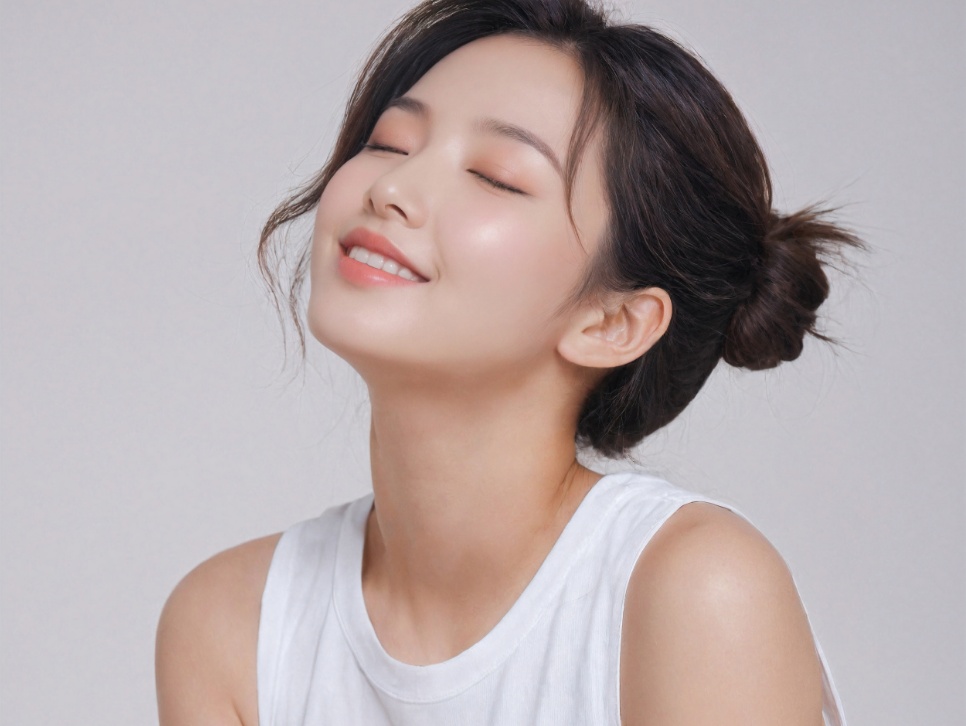
You may have had a moment when you were washing your face in the morning and suddenly felt a strange sense that your reflection looked different from before.
If pillow marks no longer disappear until lunchtime, or foundation starts settling into your pores more often when you wear makeup, it may be time to notice changes in your skin.
You may have thought you were still young and did not need any special care, but at some point, faint lines may begin to appear around the eyes or the nasolabial folds, which can be alarming. If you have been worrying about these changes, now is the time for active care.
In the past, the focus was on smoothing already formed deep wrinkles, but recently, anti-aging care in your 20s that slows the pace of aging and helps maintain your current healthy condition for longer has been drawing attention.
However, with so much information available, it is not easy to decide what care is truly necessary for you. Through this article, we will take a step-by-step look at the causes of skin aging and the solutions that may suit you.
Causes of a sudden decline in skin elasticity
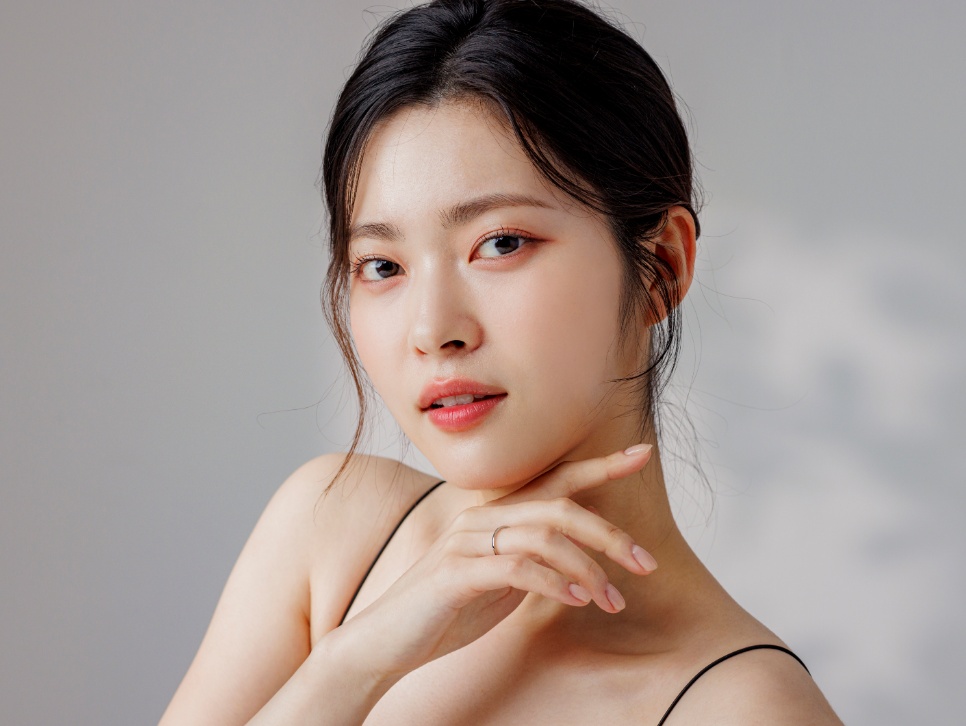
It is often said that skin aging begins in the mid-20s.
In the dermis, there are fibrous proteins called collagen and elastin that maintain the skin’s shape and are responsible for elasticity.
These components decrease by 1 percent each year starting in the mid-20s, and as a result, the structures supporting the skin gradually begin to loosen.
If these internal changes are not recognized early and are left unattended, the skin barrier breaks down and dryness worsens, causing fine lines to settle into deeper wrinkles.
Restoring skin tissue that has once collapsed to its original state requires a great deal of time and effort, so it is important to build an appropriate protective barrier at the point when collagen decline begins.
Therefore, recently, preventive care before problems become visibly noticeable has become an important part of anti-aging in your 20s.

Types of lifting suited to your skin type
Once you understand your skin condition, it is efficient to receive the appropriate support for it.
This varies depending on the type of energy used and the depth of skin targeted, and it can generally be explained in three types.
First, a method that uses radiofrequency energy.
This works by delivering thermal energy to the dermis to induce collagen regeneration and densely fill in the skin for greater firmness. It is suitable for those with little facial fat and thin skin who are concerned about fine lines, and it can help improve skin texture and provide an overall tightening effect.
It has the advantages of relatively little pain and quick recovery, so busy office workers prefer it, but it may have some limitations when it comes to reducing thick fat layers or dramatically changing facial contours.

Second, a method that uses ultrasound energy.
This works by delivering powerful ultrasound to the fascia layer, like focusing light with a magnifying glass, to contract loosened tissue.
It can be chosen when the jawline has sagged or when fat reduction is needed, such as with a double chin.
Its advantage is a strong lifting effect that clearly defines facial contours, but if there is too little cheek volume, a hollow-cheek effect can occur, so the procedure should be performed only after a precise analysis of the individual’s face shape.

Third, a skin booster method that directly injects active ingredients.
Hyaluronic acid or regenerative ingredients are directly injected into the dermis to address inner dryness and improve the skin environment itself.
It is suitable for skin that feels rough and lacks proper oil-water balance, causing makeup to go on poorly, and its advantage is that it provides immediate hydration and radiance.
However, because it is an injection-based procedure, bruising, swelling, and pain may occur, so it can be a burdensome anti-aging method in your 20s for those who are sensitive to pain.

Daily routines that help maintain results longer
Even if you receive treatment, if poor habits in daily life continue, the effect will inevitably be reduced.
Blocking ultraviolet rays, the biggest enemy of skin aging, is not optional but essential.
When going বাইরে, apply sunscreen carefully regardless of the season or weather to help prevent photoaging.
Also, if the skin lacks moisture, elasticity drops sharply, so it is good to drink more than 2 liters of water a day and apply moisturizer generously.
In addition, lack of sleep is a major cause of impaired skin regeneration, so getting enough restful sleep is important.
Frequent drinking and smoking also generate free radicals that damage skin cells, so efforts to reduce them as much as possible are needed.
When these basic lifestyle habits are in place, the effectiveness of anti-aging procedures in your 20s increases, and healthy skin can be maintained for a long time.
So far, we have explained anti-aging care in your 20s. We hope this was helpful in getting the information you needed.