[Bongbong Plastic Surgery]
Are You 고민 about Pig Nose Rhinoplasty? Causes of a Short Nose and Correction Methods
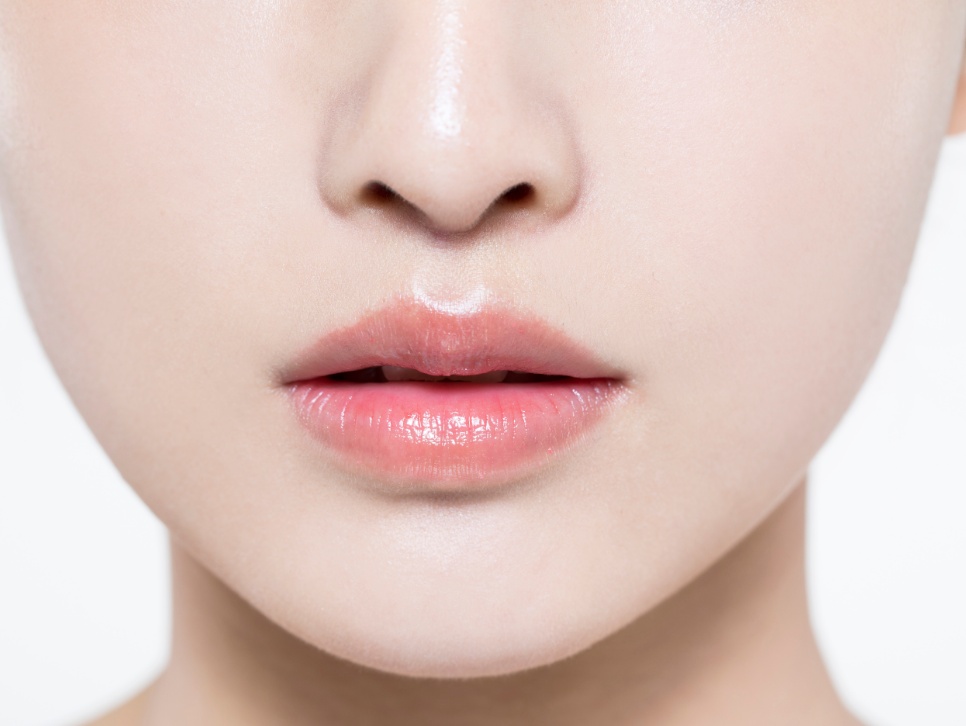
Many people feel stressed because their nostrils are clearly visible from the front every time they look in the mirror, or they feel self-conscious because the tip of their nose looks especially short when photographed from the side.
In some cases, this happens because the nasal bone is naturally short or there is not enough skin tissue, but it can also be caused by a contracture phenomenon, in which the nose becomes firm and shrinks due to side effects from a previous surgery.
Such external complexes can reduce confidence in social relationships, so it is important to identify the underlying cause and find a way to improve it through pig nose rhinoplasty, which adjusts the length and angle of the nose.
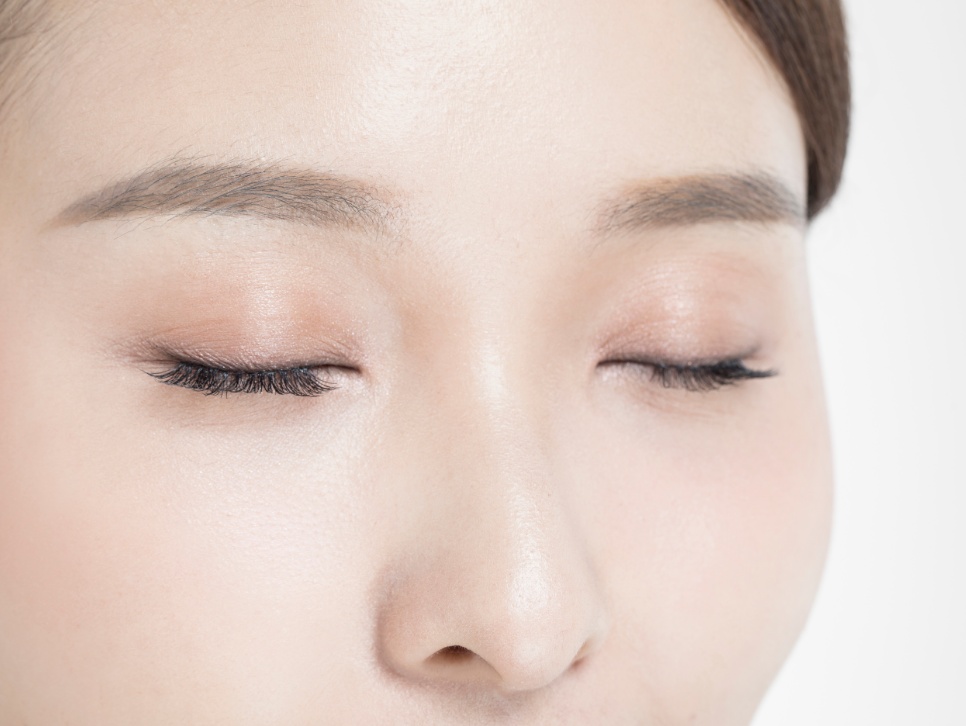
- What are the main causes of a snub nose?
The causes of a snub nose, where the nose is short and the tip turns upward, can be broadly divided into congenital factors and acquired factors.
Congenitally, it occurs when the skin covering the nose is insufficient, the nasal framework itself is short and small, or the tip cartilage is rotated excessively upward.
On the other hand, among acquired factors, the representative cause is contracture, in which the nose becomes shorter as scar tissue contracts due to trauma or inflammation after an improper surgery.
Because the difficulty level and surgical approach vary completely depending on the cause, the process should begin with an accurate diagnosis of the current condition of the nose, rather than simply lowering the tip.

- Correction methods and material selection by type
For successful correction, an appropriate surgical method must be applied according to the elasticity of the nasal skin, the size of the cartilage, the degree of contracture, and so on. This can generally be explained by dividing it into several types.
First, there is the method using septal extension. This is a surgical technique that uses the septal cartilage inside the nose to strengthen the support of the nasal tip and extend its length.
It is mainly suitable for cases where the nose is naturally short or the tip cartilage is weak. Since the patient's own tissue is used, it has the advantage of causing less foreign-body reaction and allowing the movement of the nasal tip to remain relatively natural.
However, if the amount of septal cartilage that can be harvested is insufficient or has already been used up in a previous surgery, it may be difficult to apply, so it is necessary to check the condition of the cartilage before surgery.
Second, there is a grafting method using autologous rib cartilage. This involves harvesting cartilage from the end of the rib to firmly support the nasal tip and sufficiently lengthen it.
It is mainly chosen for contracture noses, where the skin’s resistance is strong and a powerful support structure is needed, or for revision surgery.
Because a plentiful amount of cartilage can be secured, it is advantageous for extending the length and shaping it as desired, and its low absorption rate is a major benefit because the shape can be maintained for a long time.
However, it should be considered that a scar may remain on the chest area, the additional harvesting process lengthens the surgery time, and some recovery time may be needed.

- Precautions and care
Pig nose rhinoplasty does not forcibly pull down the nasal tip; rather, it extends the length by strengthening the internal structure, so postoperative care greatly affects the maintenance of the result.
Until the transplanted cartilage has settled, care should be taken to avoid impact to the nose, and it is best to avoid wearing glasses or sleeping face down.
In particular, smoking and drinking interfere with blood circulation, can cause inflammation, and may lower the survival rate of the transplanted cartilage, so it is advisable to refrain from smoking and alcohol during the recovery period.
Also, blowing the nose strongly or touching it frequently may alter the position of the nasal tip, so caution is needed.
The issue of a short, upturned nose goes beyond simple cosmetic improvement,
and is a process of balancing the overall proportions of the face and restoring a refined impression.
The key to pig nose rhinoplasty is to identify the available skin and the condition of the cartilage, and find a harmonious line without overdoing it.