[봉봉성형외과]
Winter Anti-Aging Eating Habits: The Skin-Protective Benefits of Warm Foods
-
Drinking warm tea to raise body temperature and support circulation
-
Using root vegetables that hold the energy of the earth
-
Eating high-quality fats that protect the skin barrier
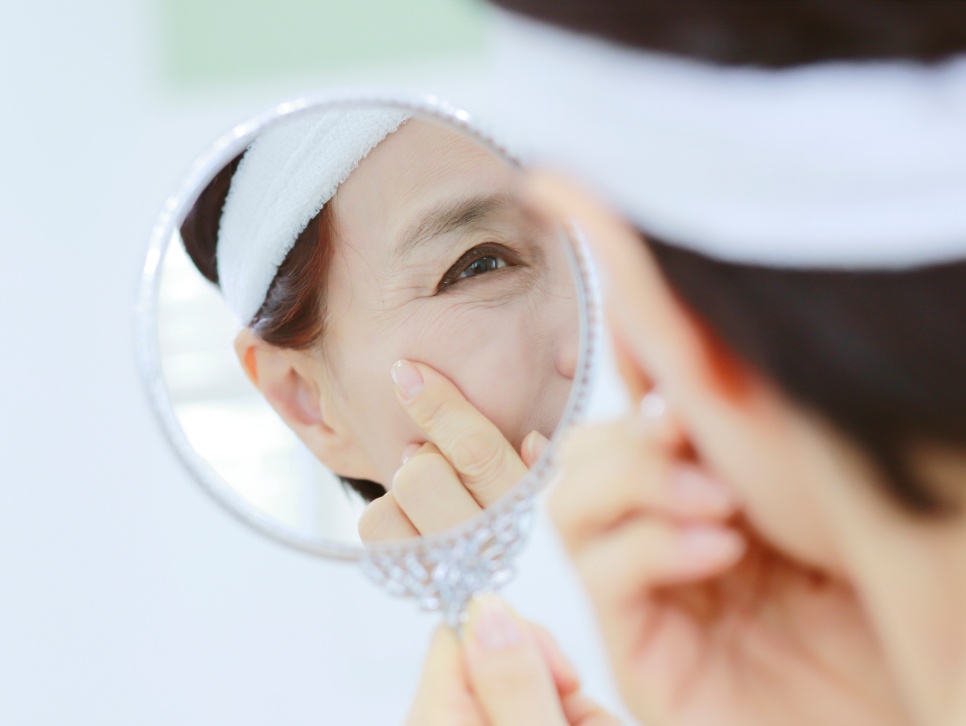
When the cold wind starts to blow, you may have felt your skin suddenly tighten and become rough.
Between the hot indoor heating and the cold air outside, the skin easily becomes tired, and this can lead to fine lines and reduced elasticity, making your concerns deepen every time you look in the mirror.
Many people consider expensive cosmetics or procedures during this season, but caring only for the skin’s surface may have limits when it comes to preventing dryness and aging.
True anti-aging management is possible only when changes in diet are combined to support circulation and replenish moisture from within.
Today, we will take a closer look at winter anti-aging eating habits that can be practiced in everyday life.
This can be explained in three main types of dietary practices.

- Drinking warm tea to raise body temperature and support circulation
In winter, it is necessary to make a habit of drinking warm tea regularly instead of cold water.
This is more than simply quenching thirst; it is a process of raising the body’s internal temperature and promoting smoother blood circulation.
As the weather gets colder, blood vessels constrict, making it harder for nutrients and oxygen to reach the skin’s outermost areas. At this time, drinking teas with warming properties such as quince tea, ginger tea, or jujube tea can help activate metabolism and contribute to a clearer-looking complexion.
Adequate hydration is the foundation for preventing flaking and supporting skin cell renewal.
However, if you consume too much caffeinated tea or green tea, which have strong diuretic effects, it may instead expel moisture from the body and worsen dryness. For this reason, it is preferable to focus on caffeine-free or low-caffeine grain teas or herbal teas.
- Using root vegetables that hold the energy of the earth
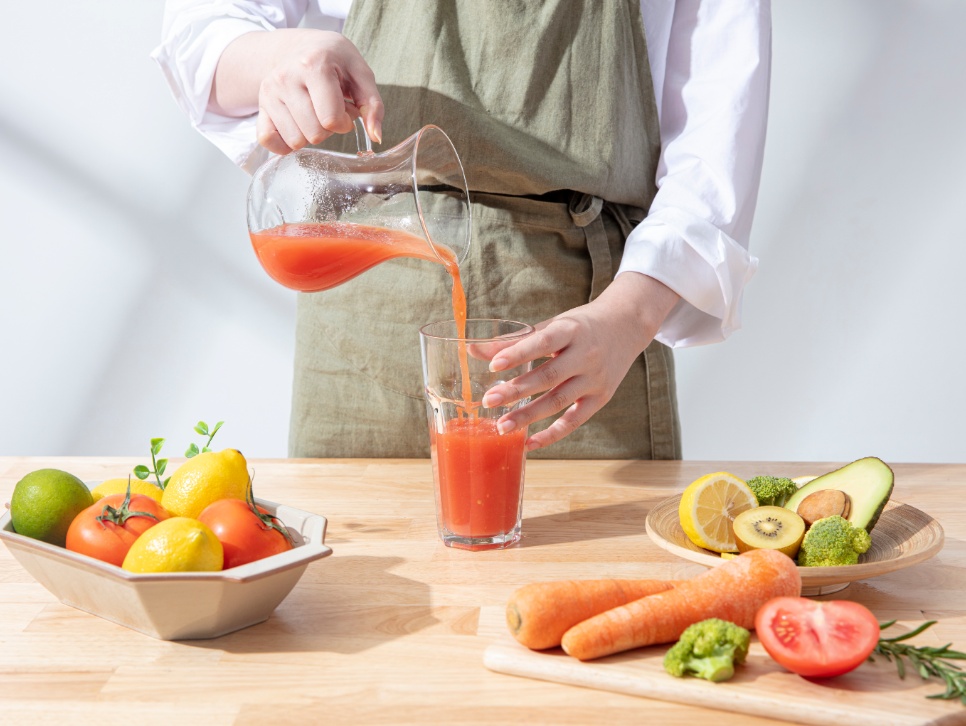
Next, it is worth including root vegetables in your diet—vegetables that survive the winter and store nutrients underground.
Ingredients such as burdock root, lotus root, carrots, and sweet potatoes are rich in vitamins and minerals, and are also classified as foods that help restore vitality, making them key ingredients in winter anti-aging eating habits.
When these vegetables are cooked by stir-frying or steaming and eaten warm, their absorption in the body improves. In particular, beta-carotene in carrots has a positive effect in suppressing the aging of skin cells through its antioxidant action.
They are also rich in fiber, which helps improve gut health, supports toxin elimination, and offers the benefit of helping prevent skin problems.
However, if you eat too much sweet potato or potato-type foods, which are high in sugar, late at night, or consume them fried, they may sharply raise blood sugar and trigger glycation in the skin, reducing elasticity. It is therefore best to be mindful of cooking methods and timing of consumption.

- Eating high-quality fats that protect the skin barrier
Finally, to strengthen the protective barrier on the skin’s surface, it is important to consume nuts and fish rich in unsaturated fatty acids.
To prevent moisture from being taken away by dry air, the skin’s own oil barrier must be strong. Omega-3 fatty acids and vitamin E found in walnuts, almonds, mackerel, and salmon help form cell membranes and reduce inflammation.
This can be considered the final step in winter anti-aging eating habits, helping relieve symptoms such as skin that easily cracks or turns red, while adding radiance and supporting a healthy skin texture.
Regular consumption can be very helpful in balancing the skin’s oil and moisture levels.
However, even healthy fats are relatively high in calories, so if you need to manage your weight or have weak digestive function, it is wise to adjust your intake appropriately, such as to about one handful of nuts per day.
Skin aging does not happen all at once; it is the result of daily habits accumulating over time.
The warm tea drinking, eating root vegetables, and consuming good fats discussed today are basic principles that everyone knows but finds difficult to practice consistently.
Please remember that the choices you make at the dining table, more than the time you spend in front of your vanity, determine what your skin will look like 10 years from now.
Rather than making drastic dietary changes, why not start with a small winter anti-aging eating habit, such as changing the glass of water you drink today to warm tea?
Healthy radiance that builds from within will offer a more powerful beauty than any cosmetic product. Prepare a warm drink right now.