[Gangnam Bongbong Plastic Surgery]
If Your Waist Circumference Exceeds the Standard for Abdominal Obesity, Consider Abdominal Contouring Surgery
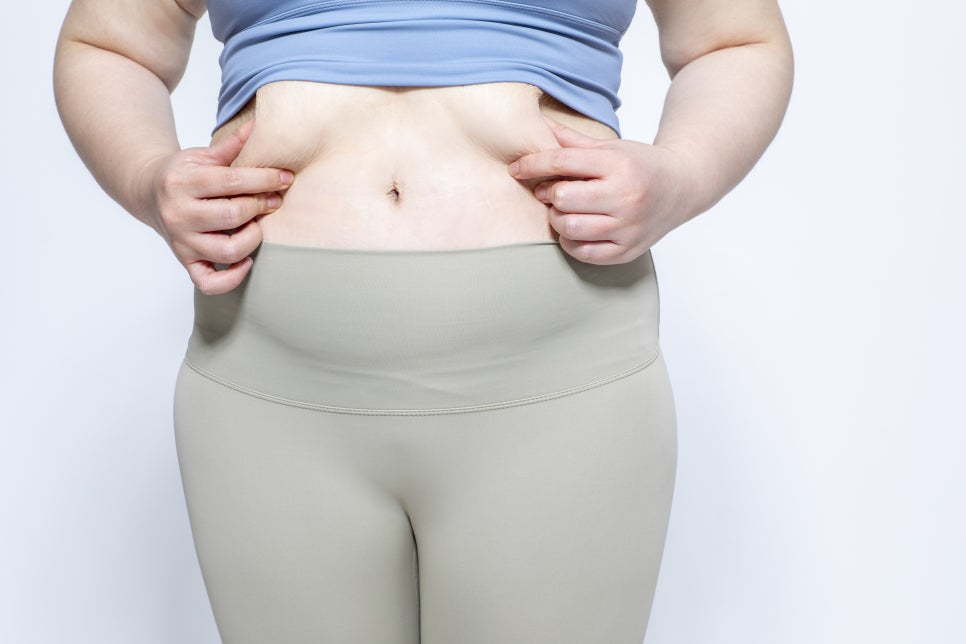
If your weight has not changed much but your waist circumference keeps increasing, or if your clothing sizes no longer fit properly around the abdomen, you may want to suspect abdominal obesity.
Abdominal obesity is classified not merely as a change in external body shape, but as a condition that can affect health and quality of life. In particular, if the waist circumference exceeds the standard, management is needed. If this change continues, it may be difficult to resolve with weight loss alone, so a more systematic approach is required.
How should we look at the waist circumference standard for abdominal obesity?
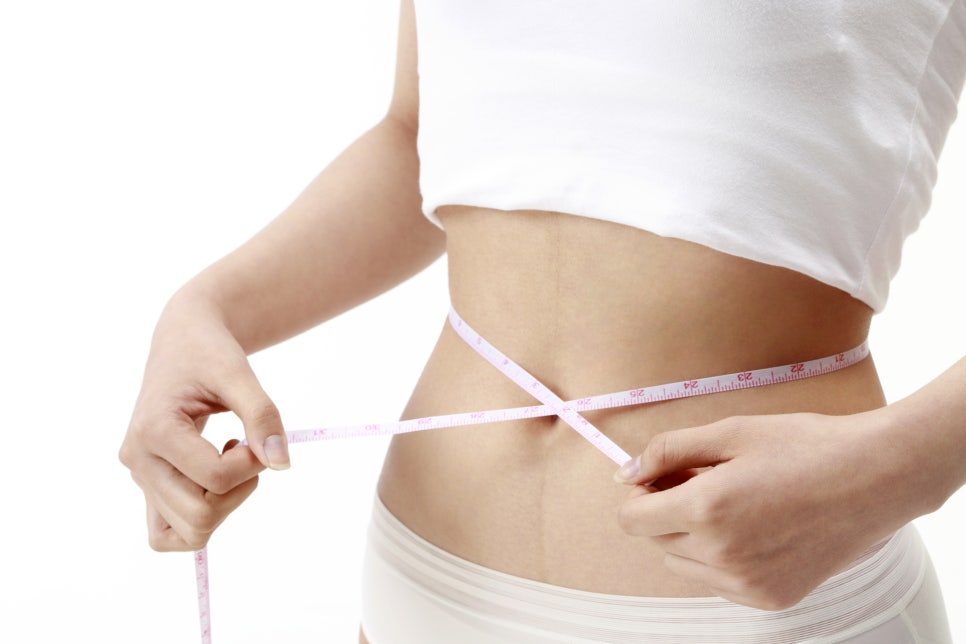
Medically, abdominal obesity is often judged based on waist circumference. In general, men are classified as having abdominal obesity when the waist circumference is 90 cm or more, and women when it is 85 cm or more. If this standard is exceeded, there is a high possibility that visceral fat has increased, and it should be approached as a different issue from simple subcutaneous fat accumulation. Visceral fat often does not decrease easily through diet control or exercise alone, and this can be the reason the abdominal line does not change over a long period.
Why does fat concentrate only in the abdomen?

Abdominal obesity occurs through a combination of factors such as genetic influences, hormonal changes, body shape changes after childbirth, muscle loss due to aging, and poor posture and lifestyle habits. In particular, the abdomen is an area where fat is easily stored, so even a small amount of weight gain can lead to noticeable changes, and even during dieting it is easy for a body shape to form in which only the abdomen remains prominent. In such cases, it is difficult to expect a satisfactory improvement through simple weight loss alone.
What if abdominal obesity and sagging appear together?
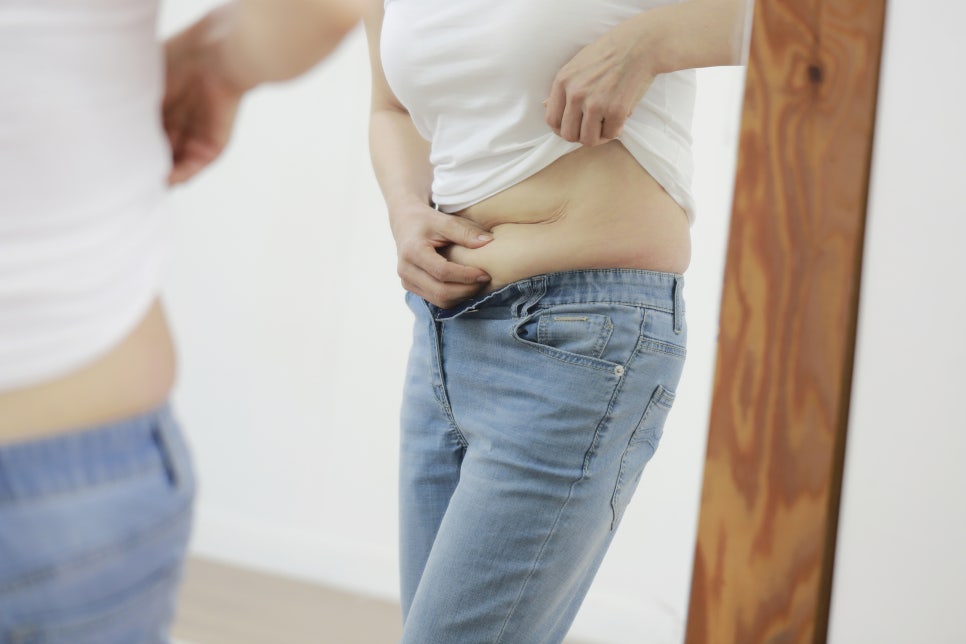
If abdominal obesity persists for a long time, sagging in the abdomen may appear as skin elasticity declines and the fascia loosens, in addition to fat accumulation. In particular, if someone has given birth or has experienced rapid weight changes, the abdominal muscles and skin may stretch together, making recovery through exercise limited. When fat and sagging coexist like this, a more fundamental method of improvement is considered.
When is abdominal contouring surgery considered?
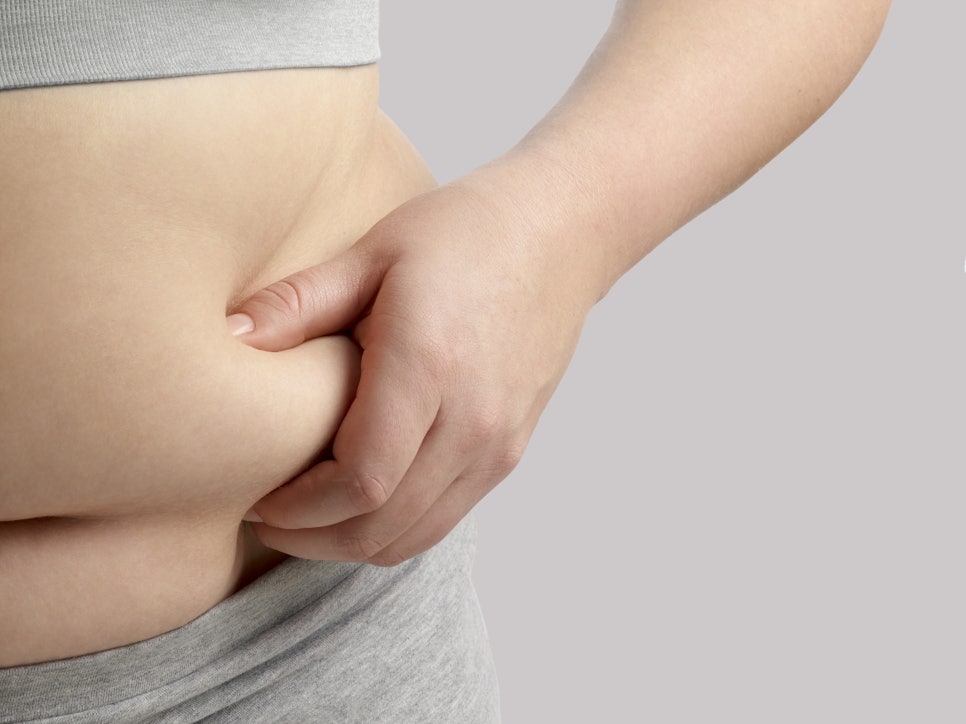
Abdominal contouring surgery is not simply fat removal; it is a procedure that corrects sagging skin and the abdominal fascia together to refine the abdominal line. If the waist circumference standard is continuously exceeded and abdominal improvement is difficult even with weight management or exercise, abdominal contouring surgery can be one option for restoring body balance. In particular, satisfaction tends to be high when the central abdomen is protruding or the lower abdomen is severely sagging.
What should be considered before abdominal contouring surgery?

Abdominal contouring surgery should be planned after a comprehensive evaluation of the individual’s body shape, fat distribution, skin elasticity, health condition, and other factors. Rather than proceeding with surgery unconditionally, the process of accurately identifying the cause and condition of the current abdominal obesity should come first, and there should also be sufficient explanation about the recovery period after surgery and how to manage it. Through this process, it is important to reduce excessive expectations and understand realistic results.
Why is a connection between body-shape improvement and lifestyle changes necessary?

Abdominal contouring surgery can help create external changes, but lifestyle management afterward is also important. After surgery, dietary habits, weight management, and light exercise should be combined to maintain the abdominal line. Through this, it is possible to reduce the body-shape stress caused by abdominal obesity and increase overall satisfaction.
Abdominal obesity goes beyond a simple weight issue and can lead to changes in body shape, confidence, and inconvenience in daily life. If your waist circumference has consistently exceeded the standard and abdominal improvement has been difficult despite your efforts, it is important to consider a management method suited to your current condition.