[Bongbong Plastic Surgery]
Causes of Butt Sagging,
Why Exercise Alone Isn’t Enough
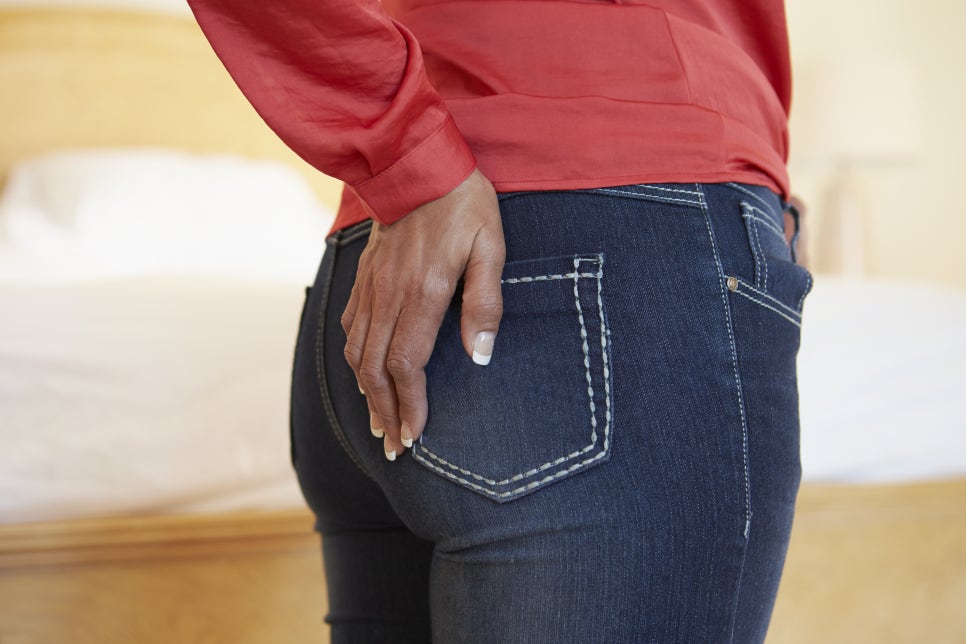
When your side profile in the mirror or the fit of your pants feels different from before, many people simply assume they have lost weight or are not exercising enough. But changes in the hip line follow a more complex pattern than that, and often the starting point is a lack of understanding of the causes of butt sagging.
Even if you keep repeating exercise and care out of vague concern, if you do not feel much change, what you may need now is not more effort but a clearer understanding of the structure.
- Sagging caused by changes in pelvic and muscle balance

The hips are not simply a mass of fat; they are a structure supported by muscles on top of the pelvis. When you spend long hours sitting and use your lower body less, the buttock muscles naturally lose strength and tend to move downward. At this point, if the pelvis tilts backward or the line connecting the lower back and hips collapses, the hips themselves can appear lower.
This cause of butt sagging can occur even without major weight changes, and exercise has the limitation that it takes time for the muscles to become activated. If a certain level of structural change has already occurred, noticeable improvement may be difficult to expect through care alone.
- Changes from fat redistribution and reduced elasticity
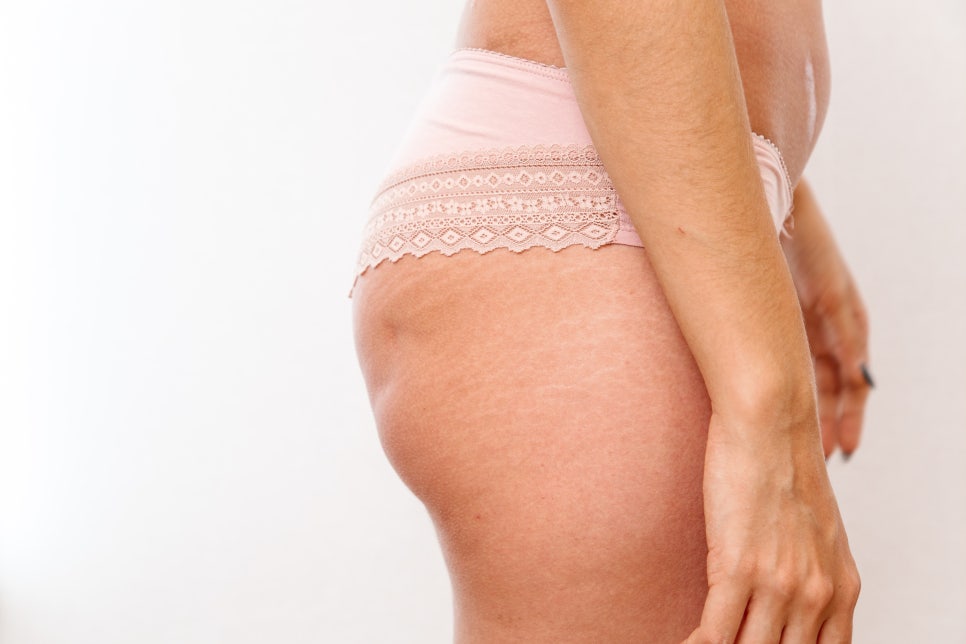
As you age or as your weight goes up and down repeatedly, fat in the butt area tends to shift from the upper area to the lower area. When the elasticity of the tissue that supports the skin and fat loosens, the hips may still have volume, but their position drops, creating a sagging impression.
This is not simply a problem caused by having too much fat, but a change that appears as the support for the fat weakens. Depending on body type, this cause of butt sagging may improve slowly with glute-focused workouts alone, and satisfaction may be low if volume and position are not considered together.
- Limits that appear when lifestyle habits and aging overlap

Long periods of sitting, crossing your legs, and incorrect walking patterns reduce the use of the buttock muscles and concentrate pressure on specific areas. When natural aging is added on top of that, skin elasticity and support both decrease, and the hip line gradually begins to flow downward.
At this stage, the cause of butt sagging is a phase in which you know how important care is, but real changes feel slow. To expect balanced results, structural approaches need to be combined with improvements in lifestyle habits.
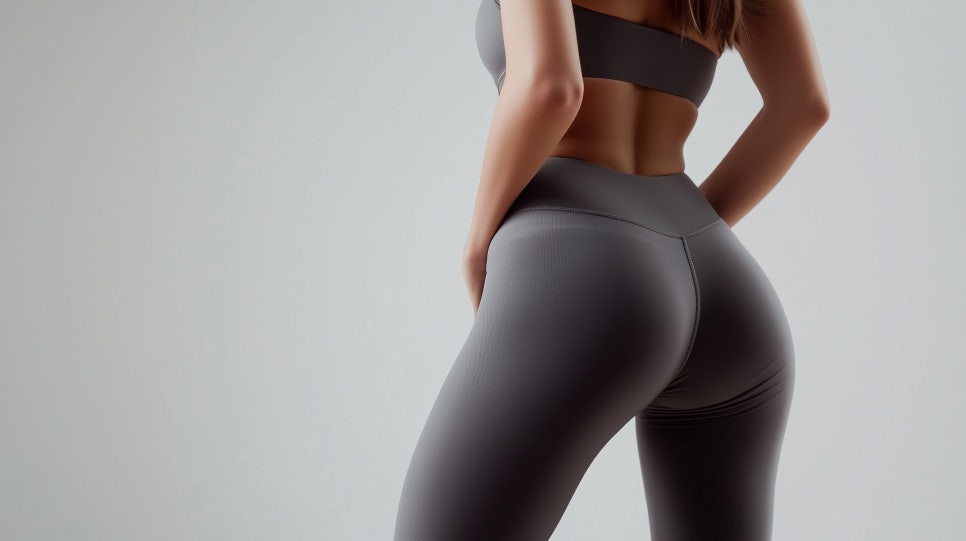
Changes in the hip line are difficult to explain simply as a lack of exercise or a weight issue; they are closer to the result of overlapping muscle structure, fat distribution, and lifestyle habits.
If you understand where your own condition began, it becomes much easier to judge whether care alone is enough or whether options such as butt augmentation surgery could be helpful.
Rather than vague comparisons, it is important to calmly look at your current body shape and the direction of change, and the process of accurately understanding the causes of butt sagging is the starting point.