[봉봉성형외과]
How to Wear a Compression Garment More Comfortably After Breast Augmentation in Winter
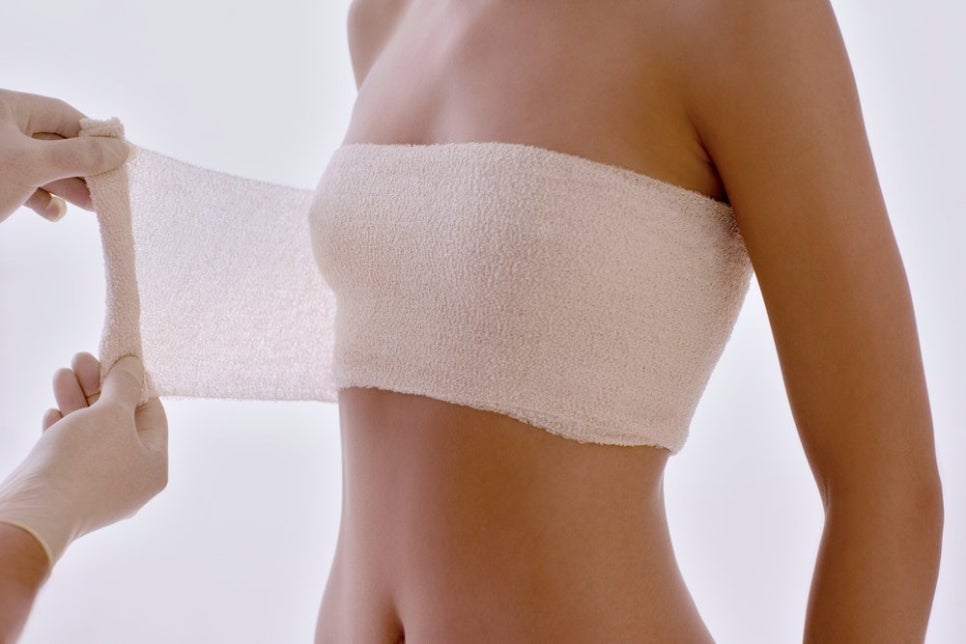
After breast augmentation surgery, most people wear a compression garment or compression bandage for a certain period of time. This is one of the important recovery steps that helps reduce swelling in the surgical area and stabilize the shape.
However, in winter, wearing a compression garment often feels especially tight and uncomfortable. That is because winter is already a season when you have to layer up, and wearing a compression garment underneath can make you feel short of breath.
Especially right after surgery, the body becomes more sensitive and reacts easily to changes in body temperature or skin irritation. In winter, these external environmental factors can have a small effect on recovery, so a bit more careful management is needed.
A compression garment is not simply something that presses on the surgical area. It is a very important tool for recovery. It helps minimize swelling right after surgery, keeps the stitched area from moving, and above all creates the environment needed for breast tissue to settle into place. If compression is not properly applied, swelling may last longer or recovery may be delayed.
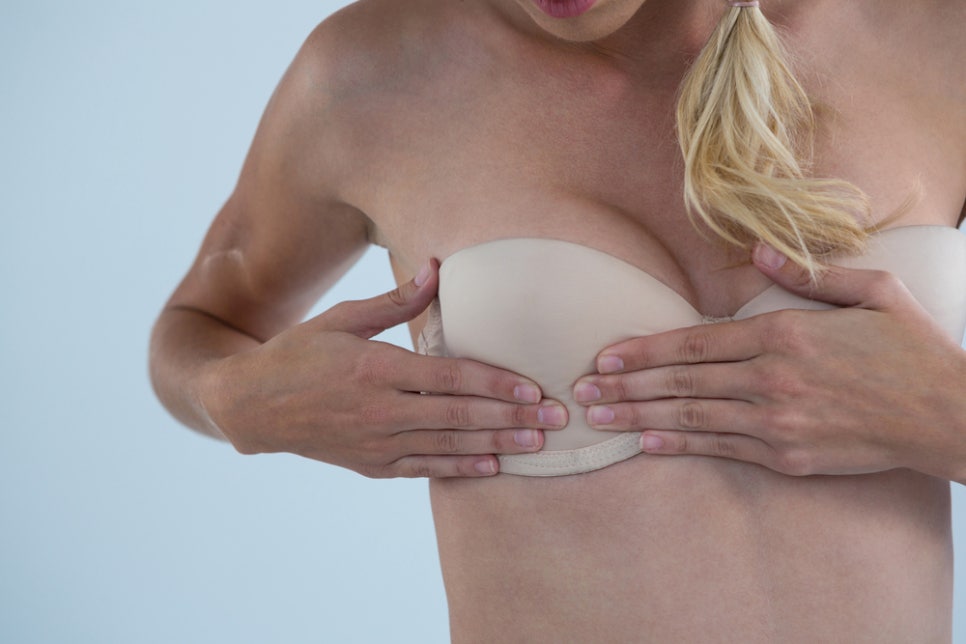
Therefore, even if it feels uncomfortable, it is not recommended to loosen the compression garment at will or stop wearing it. That said, there are ways to stay a little more comfortable according to the season.

When wearing a compression garment in winter, the two things to pay the most attention to are “temperature control” and “preventing skin problems.” Because the garment itself is made of fairly snug material, body heat can get trapped easily, and if you also wear heavy outerwear, your body temperature can rise too much and make you sweat.

If you do not wipe away sweat promptly or keep wearing clothes with poor breathability, skin problems may develop around the surgical area. In winter especially, many indoor spaces are strongly heated, so even when you sweat, it often does not dry quickly and instead stays on the skin.
To reduce these situations, wearing a thin cotton inner layer that absorbs sweat well under the compression garment can also help. The parts that touch the skin directly should always be kept clean, and if you sweat, it is better to change as soon as possible.

When going बाहर, it is better to choose clothing that can be easily taken on and off according to your body temperature rather than layering too many thick pieces. If you wear clothes that are too tight over the compression garment, blood flow may be hindered, which can negatively affect recovery.
On the other hand, it is also best to avoid wearing clothes that are too loose, since the compression garment may not stay in place. The key is to create an environment that keeps the garment comfortable to wear while still preserving its function.
Indoors, it is important to maintain an appropriate temperature and humidity level when using heating devices. If the air is too dry or the temperature is too high, it becomes harder to regulate body temperature while wearing the compression garment, which can make discomfort worse. If possible, indoors it is better to wear only a light layer of indoor clothing over the compression garment so you can maintain body temperature while avoiding excessive heat.
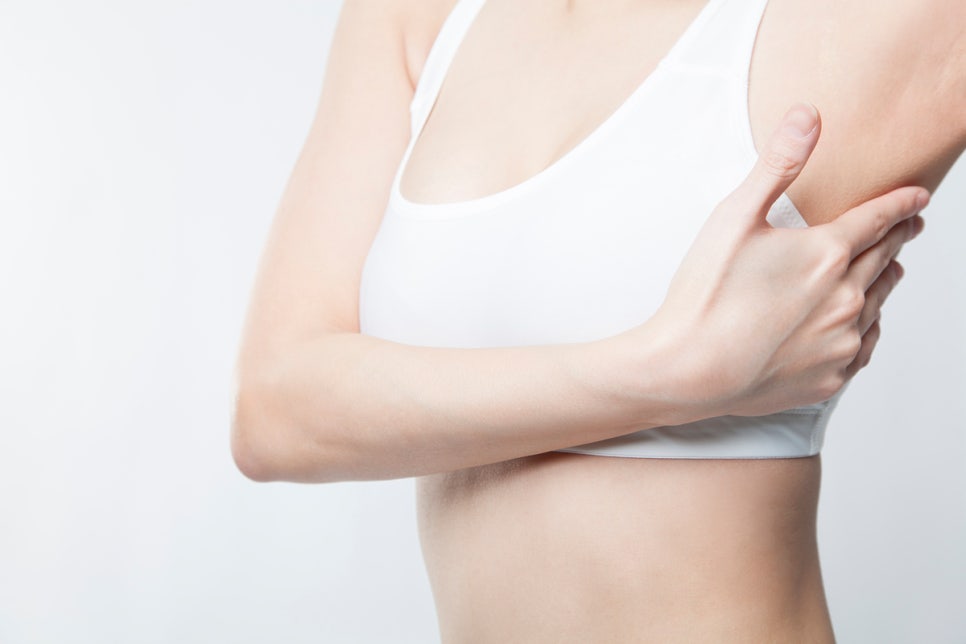
Another important point is to try to keep your daily routine consistent during the period when you need to wear the compression garment. After surgery, activity levels decrease, so temperature regulation can become more difficult, and spending long periods sitting or lying down can also affect circulation.
If possible, combining this with light stretching or walking indoors can help ease some of the discomfort that comes with wearing the compression garment.
Wearing a compression garment is only a temporary discomfort for recovery; it is not the goal itself. If you think of it as a kind of tool that helps the body gradually return to its place after surgery, you may be able to accept that time a little more positively.

Especially during seasons like winter, when the external environment has a more sensitive effect, it is important to pay attention to even small changes in your body and adjust carefully. Changes in daily habits or clothing choices to reduce discomfort can make recovery after surgery more comfortable.

#BreastAugmentationRecovery #CompressionGarmentTips #PostBreastSurgeryCare #WinterSurgeryPrecautions #PostSurgeryDailyCare #CompressionBandageCare #RecoveryPeriodTips #WinterTemperatureManagement #BreastAugmentationInfo #RecoveryPeriodTips #CompressionGarmentDiscomfort #PostSurgeryLifestyleTips #WinterSurgeryPrecautions #SwellingManagementMethods #TemperatureControlAfterSurgery