[봉봉성형외과]
Leftover belly fat after dieting,
When should you consider abdominal contouring?
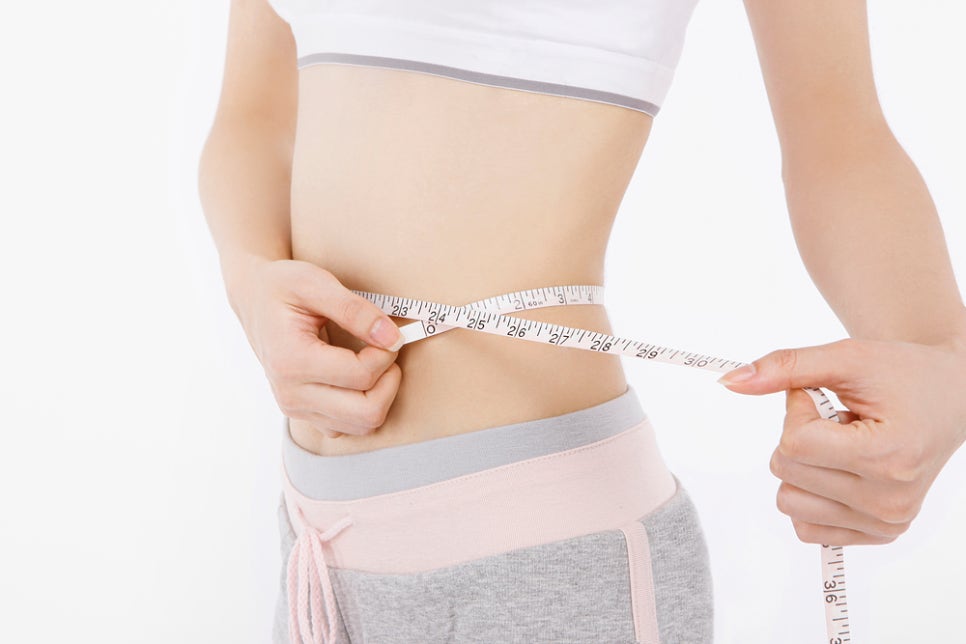
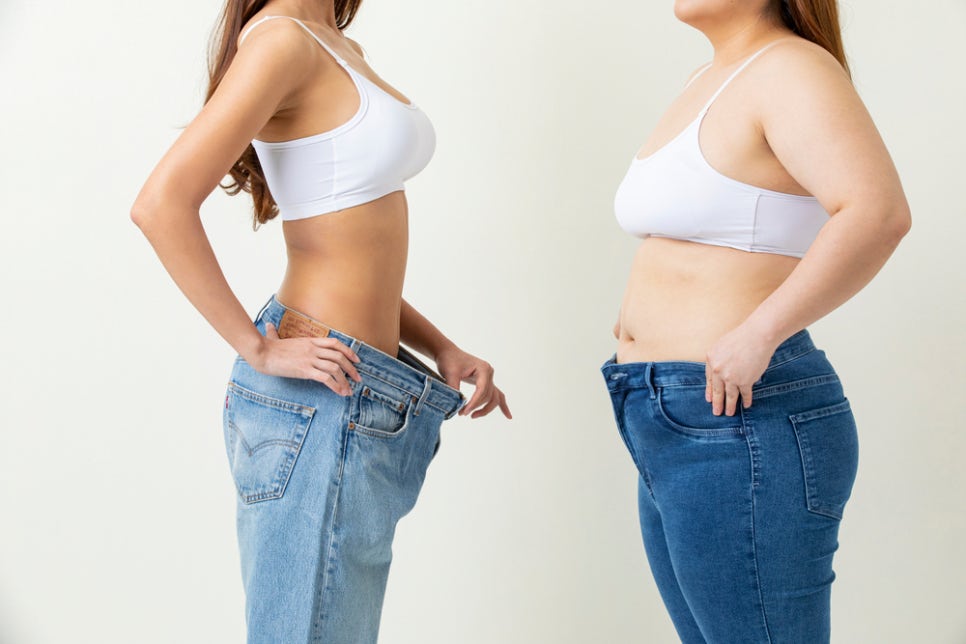
Even if you have successfully lost weight, if you still feel like you have belly fat left, the cause may not be just fat. In particular, if you had gained weight over a long period of time and then suddenly lost it through dieting, depending on the condition of the abdominal skin elasticity and fascia, that area may not flatten out and can still look like it is remaining.

In cases like this, where weight has decreased through exercise or dietary control but the belly still does not look reduced, considering abdominal contouring can be one option.
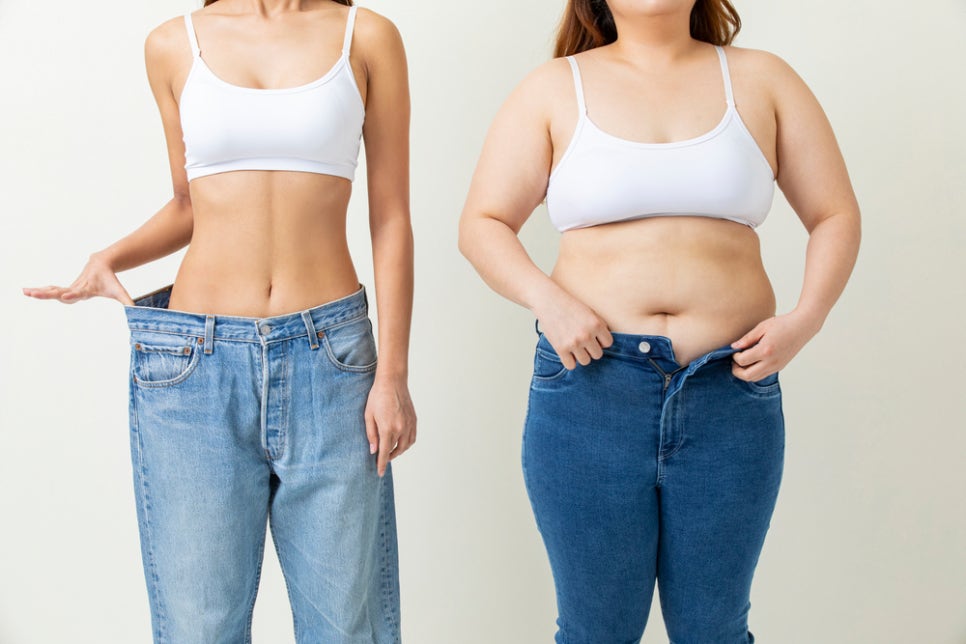
Abdominal contouring is a little different from simply removing fat. Usually, liposuction is performed for body contouring, but abdominal contouring focuses on refining the overall firmness and shape by addressing not only loosened skin but also relaxation of the abdominal muscle layer.

In particular, when a lot of skin remains and sags after hard dieting, simple liposuction alone may make it difficult to achieve the desired result. Abdominal contouring is a procedure considered when residual fat, loose skin, and abdominal fascia relaxation are all present together.

Many people end up wondering why their belly fat still has not gone away even after a successful diet. If you have been strict with your meals and exercised consistently, but your abdomen in particular does not feel much different from before, the issue may be more about skin and fascia than fat.

If the fat has decreased but the skin has lost elasticity and remains, the stomach can still look protruded. Also, if there is rectus diastasis or muscle relaxation, the abdomen will not become flat. In such cases, rather than focusing only on further weight loss, it is necessary to accurately assess the current condition.
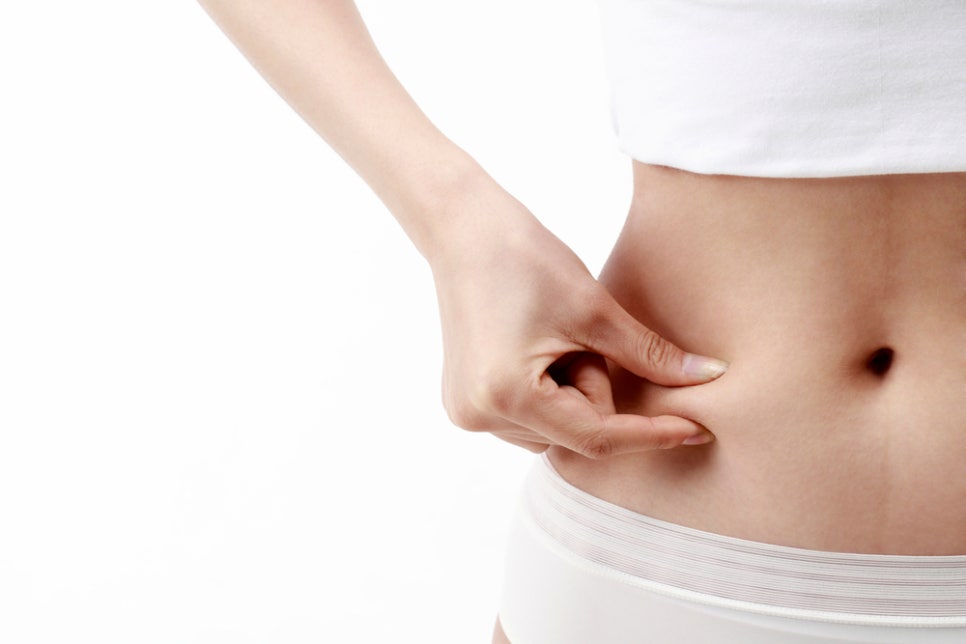
The time to consider abdominal contouring is not simply the moment you think, “I still have fat left,” but rather when your effort has continued to a certain extent and yet the shape of the abdomen does not change. For example, you may have reached the normal weight range and your body fat percentage may have dropped, but the abdominal skin has lost elasticity and sagged, or the skin below the navel overlaps or hangs down and causes hygiene issues.

Or, if a considerable amount of time has passed after childbirth and the abdomen still appears relaxed, and abdominal muscles do not tighten again through exercise alone, abdominal contouring may also be worth considering.

Before deciding on abdominal contouring, it is important to objectively check your current health condition and body type. Since abdominal contouring is a surgery that requires a certain recovery period, you should also confirm whether you are maintaining a sufficiently stable weight and health condition before deciding on the procedure.
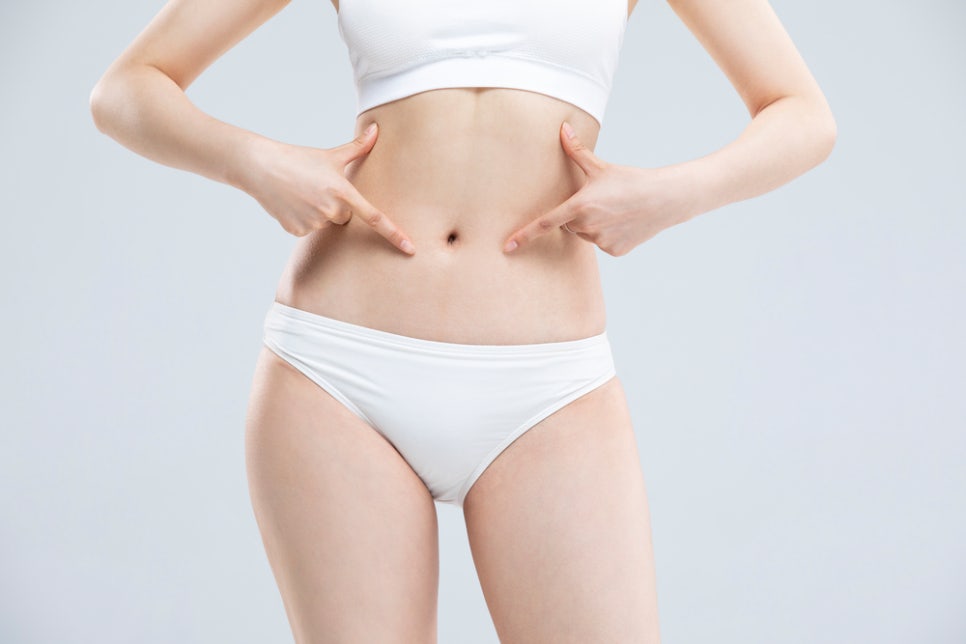
If your weight is still fluctuating, such as immediately after dieting, it may not be an appropriate time for the procedure, so it is also necessary to consider whether your weight has been maintained for a certain period.
In addition, because abdominal contouring is divided into different methods depending on the surgical scope and the individual's condition, the technique applied can differ even under the same name of “abdominal contouring.”
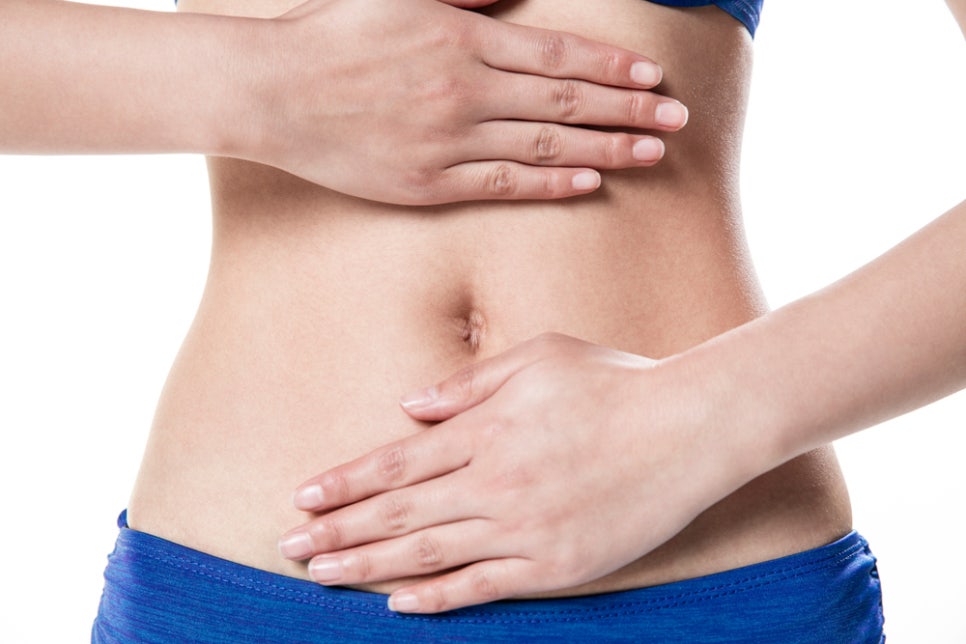
The goal is to remove sagging skin and create a firm abdominal silhouette, but depending on whether the surgical scope includes the upper abdomen or whether only the lower abdomen is addressed in connection with a cesarean section scar, the recovery process and management points can also differ.
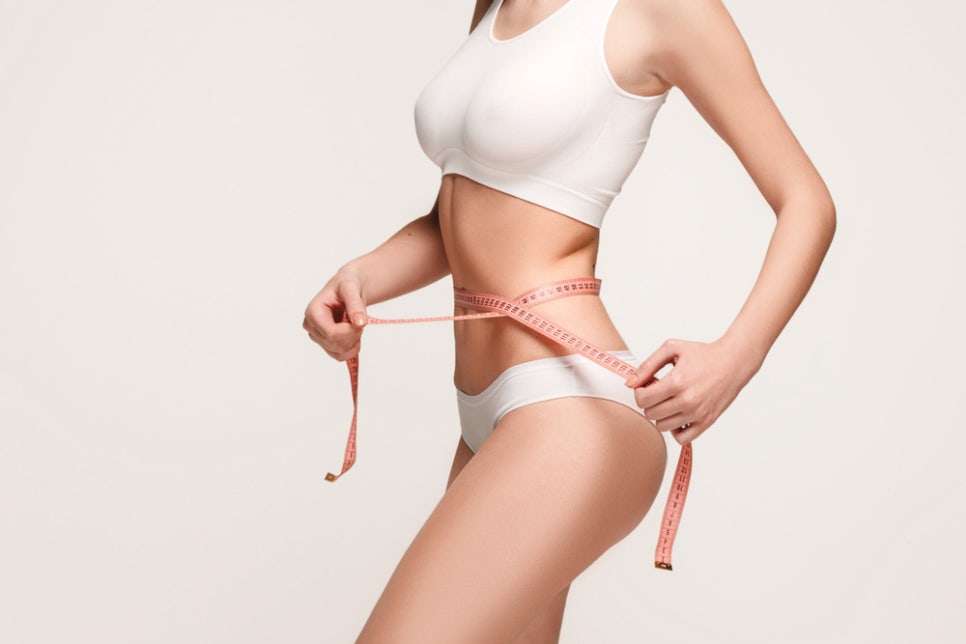
Therefore, rather than approaching it simply because you do not like the look of your abdomen, it is necessary to first understand what is causing your abdomen to maintain its current shape.
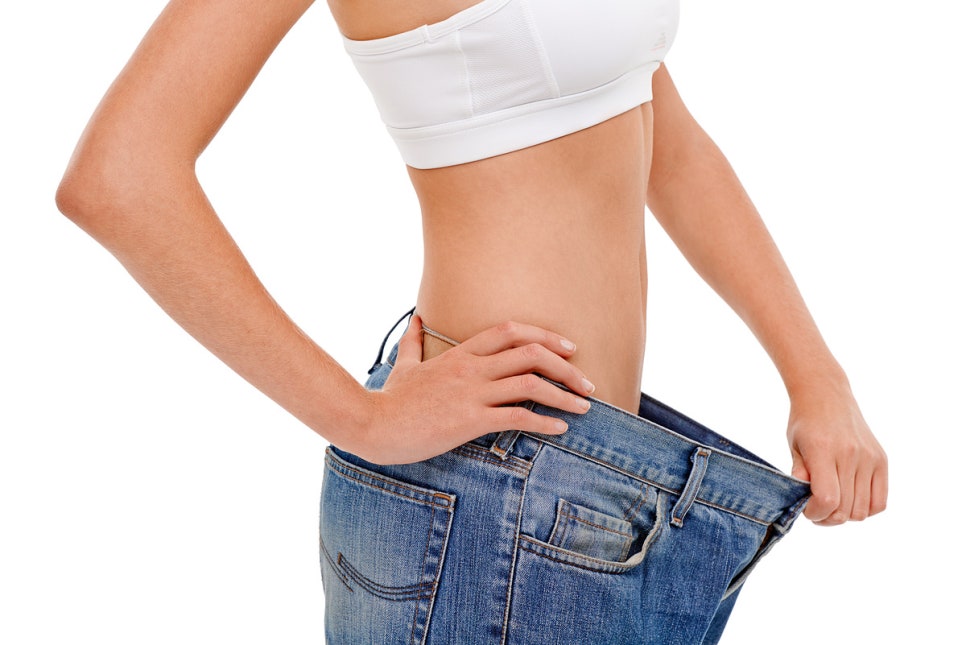
In conclusion, if you have worked hard at dieting but are still troubled because your abdominal shape has not changed, it is fine to think about the next step that suits your current body condition rather than blaming yourself. What matters most is finding the method that is right for you by considering not only weight, but also body shape, skin, elasticity, and convenience in daily life.
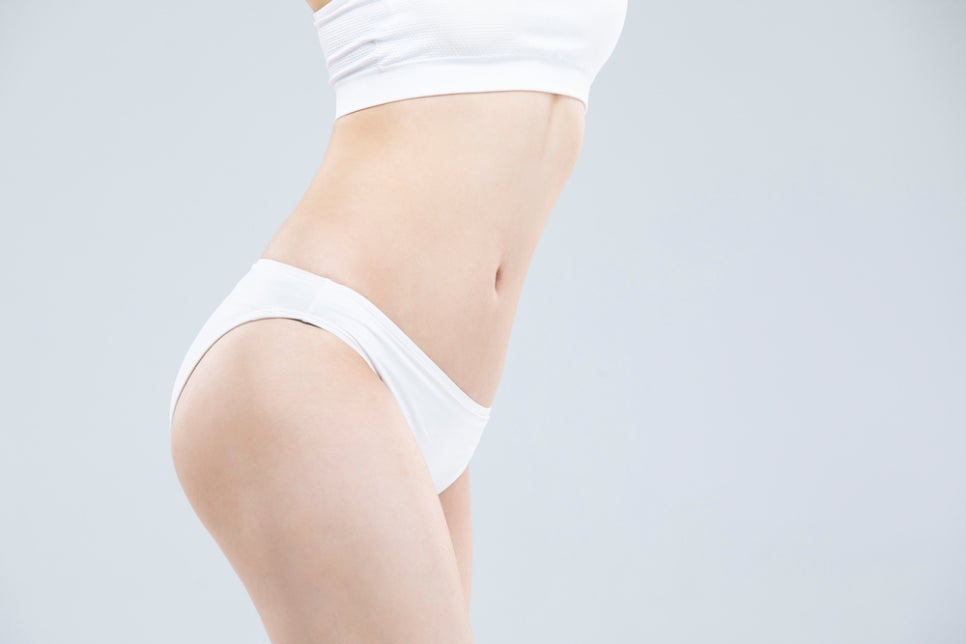
Abdominal contouring can be one of those options, and the timing can naturally come when there is a practical inconvenience or a need for change, rather than simply for cosmetic reasons.

 #DietAfterBellyFat #AbdominalContourConcerns #PostWeightLossCare #LooseSkinCare #RestoringAbdominalElasticity #BellyFatReductionTips #PostDietBodyManagement #AbdominalContourInfo #AbdominalSkinLaxity #CauseOfBodyShapeChange #WhenToConsiderSurgery #AbdominalFasciaRelaxation #PostpartumAbdominalCare #DietReality #HowToReduceBellyFat