An “inverted nipple” is often seen as only an appearance-related issue, but in reality, it can affect a person’s confidence, hygiene management, and in some cases even cause functional discomfort. In particular, it often does not stand out in everyday life and is only noticed in certain situations, so it is not uncommon for people to spend a long time worrying about it alone. For these reasons, accurate understanding of inverted nipples and information about correction methods are very important.
What causes female inverted nipples?

Inverted nipples can occur when the internal tissue that keeps the nipple projecting outward is short or underdeveloped, or when the ducts and connective tissue pull the nipple inward. Congenital factors account for most cases, but they can also appear later due to changes during growth, external stimulation, or after inflammation. Identifying the exact cause is the starting point for choosing a correction method.
What are the approaches according to the degree of inversion?

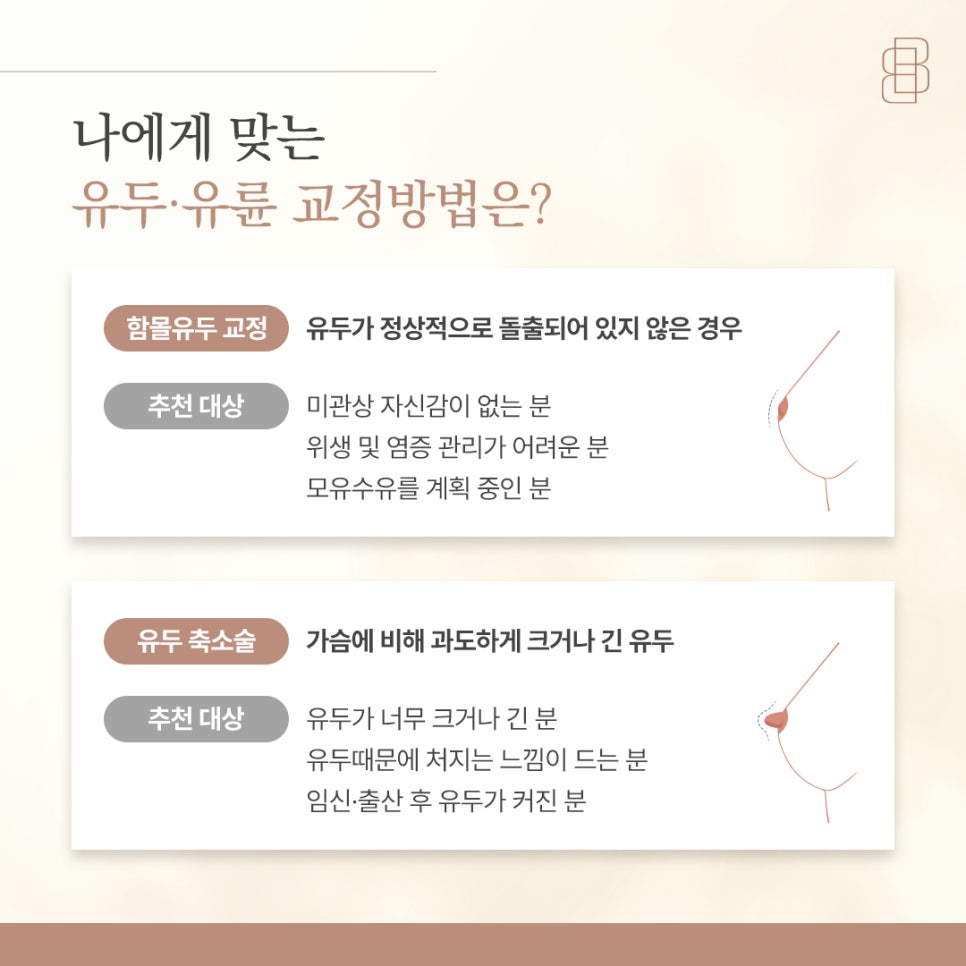
Inverted nipples are divided into various stages, from cases where they easily come out and stay out when pulled by hand, to cases where they immediately go back in or do not come out at all. In relatively mild cases, improvement may be expected through non-surgical assistive devices or lifestyle management, but in moderate to severe cases, structural correction may be necessary. It is important to note that treatment methods differ depending on the degree of inversion.
What are the key factors considered when surgical correction is needed?
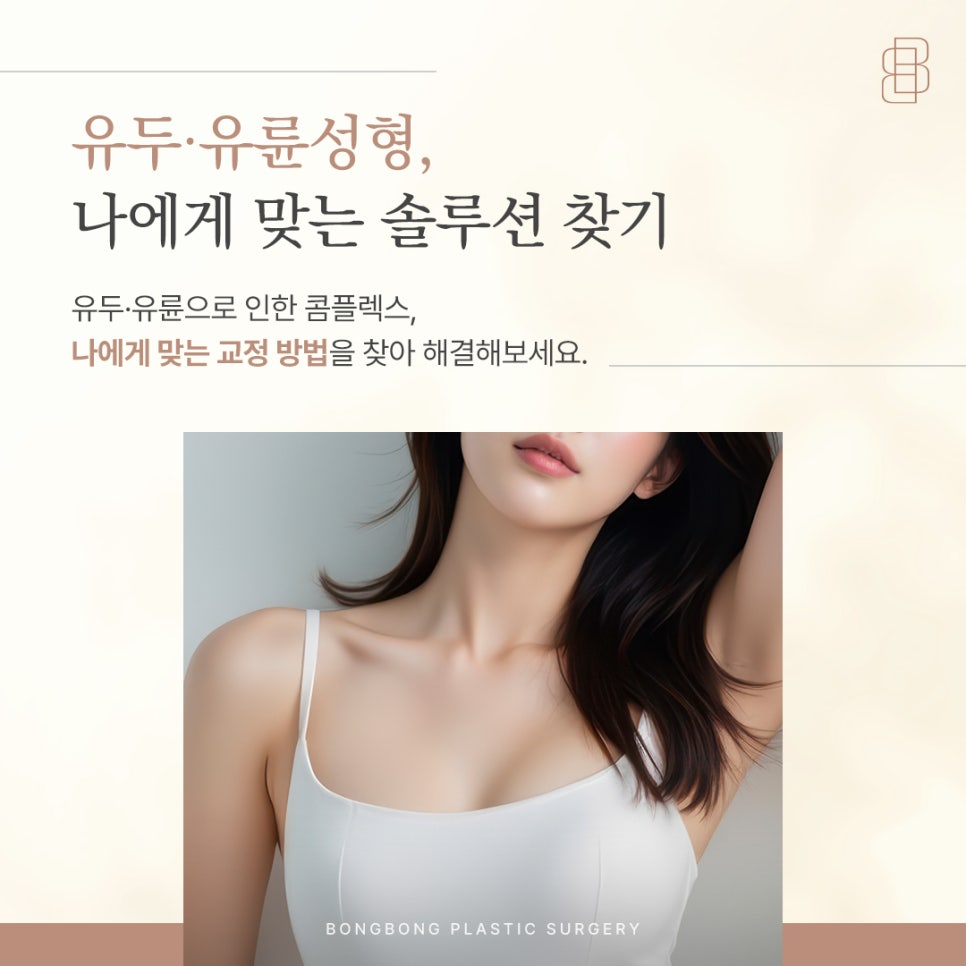
Surgical correction is performed by relaxing or separating the tissue pulling the nipple inward so that the nipple can project naturally. During this process, the design is planned while also considering the shape and size of the nipple and the condition of the surrounding skin. The goal is not simply to pull the nipple outward, but to help it remain stable. Designing to reduce recurrence is very important.
Why should functional changes also be considered?
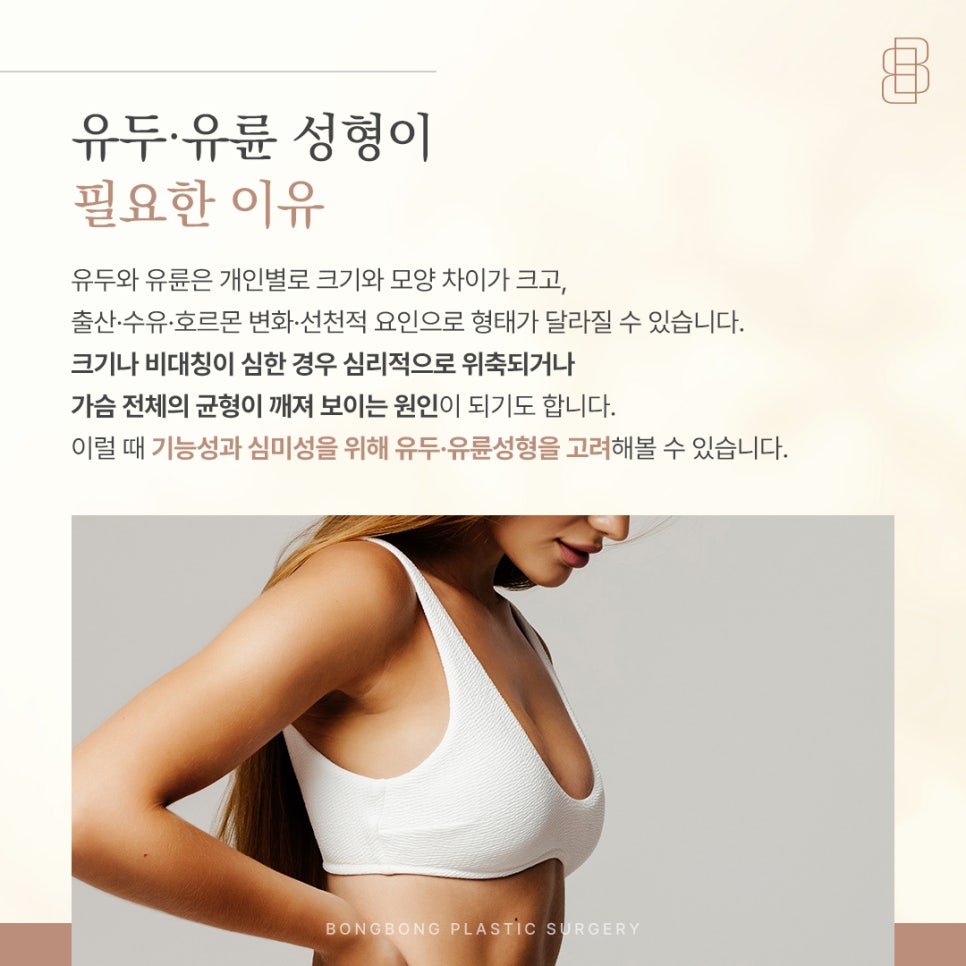
Inverted nipples may be associated not only with appearance-related concerns, but also with difficulty in hygiene management and repeated inflammation. If breastfeeding is planned in the future, functional aspects should also be considered. Depending on the correction method, whether the ducts are preserved may differ, so an approach suited to the individual’s situation and plans is necessary. Consultation that considers both aesthetics and function is essential.
When can recovery and return to daily life begin after correction?
After inverted nipple correction, care and protection are needed for a certain period to maintain the nipple’s shape. During recovery, temporary swelling or changes in sensation may occur, but in most cases these gradually stabilize over time. Avoiding excessive stimulation and following the medical team’s guidance plays an important role in maintaining the results. Recovery-period care can affect the completeness of the outcome.
Correcting inverted nipples is a choice that goes beyond simple appearance improvement
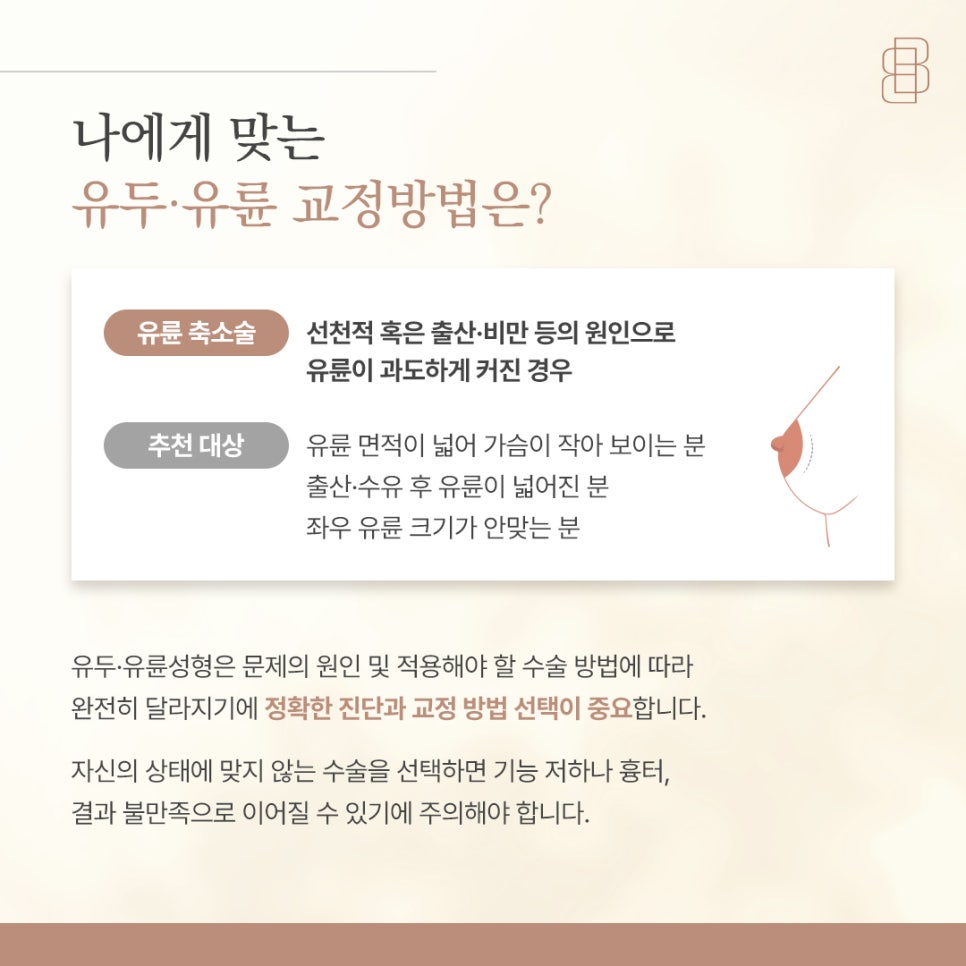
Correcting inverted nipples is meaningful not only for changing appearance, but also for reducing discomfort in daily life and increasing psychological satisfaction. However, because each person’s nipple structure and skin condition are different, a customized approach is more important than a one-size-fits-all method. Accurate diagnosis and sufficient consultation are more important than anything else.
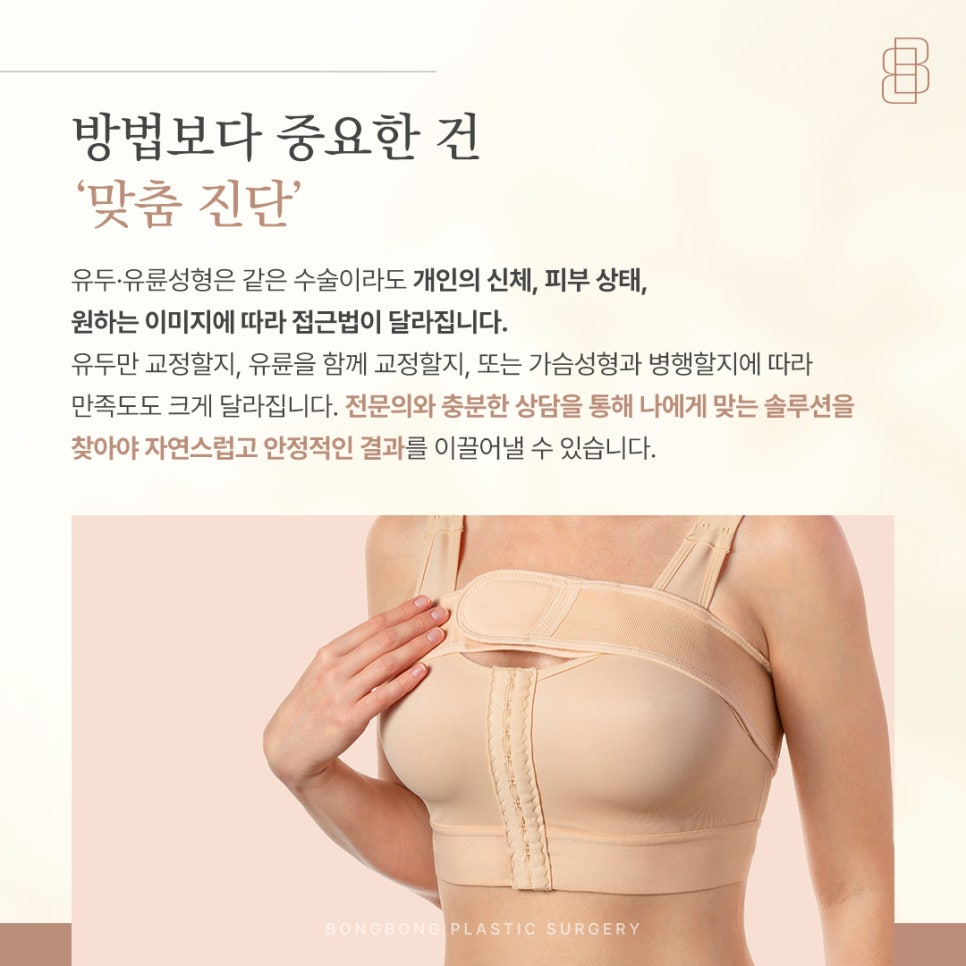
Female inverted nipple correction is not simply a procedure to make the nipple protrude, but a medical decision that must consider both the structural cause and the individual’s needs. To find the method that fits your condition, it is advisable to make your decision after understanding it through a professional diagnosis and sufficient explanation.
We recommend consulting with medical staff who have extensive experience in breast surgery to check the correction direction that is right for you.