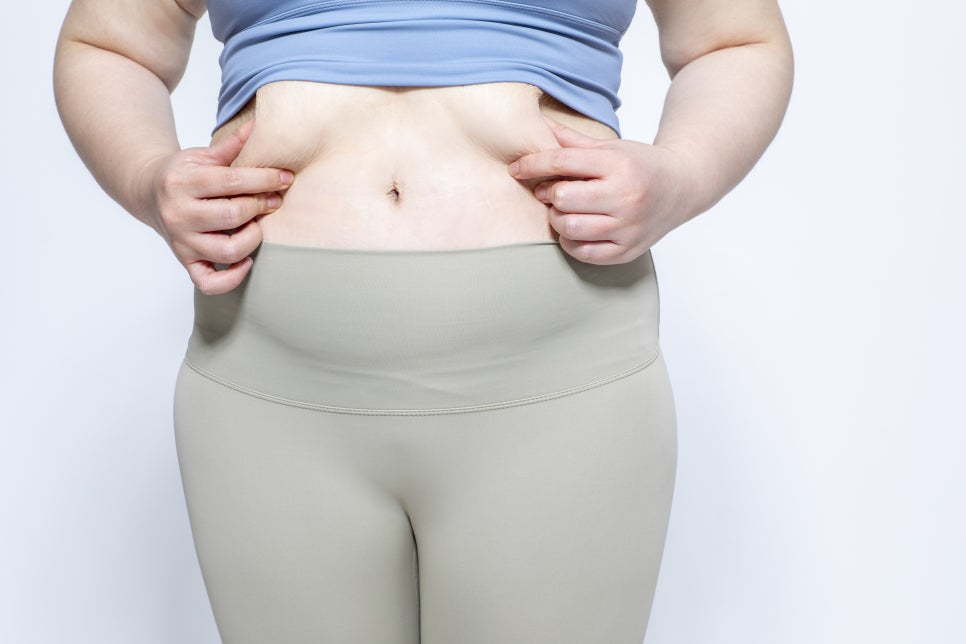
Many people experience cases where lower abdominal or belly fat does not shrink easily, even when they consistently control their diet and exercise. It is also common for weight to decrease while the belly still remains bulged, or for the skin to feel loose and less elastic.
This may not simply be a matter of fat not going away, but rather the result of several factors working together, such as fat distribution, skin elasticity, and the condition of the abdominal muscles. In particular, if you have given birth or experienced rapid weight changes, changes in abdominal shape may appear even more clearly.
What is the fundamental reason belly fat does not go away easily?
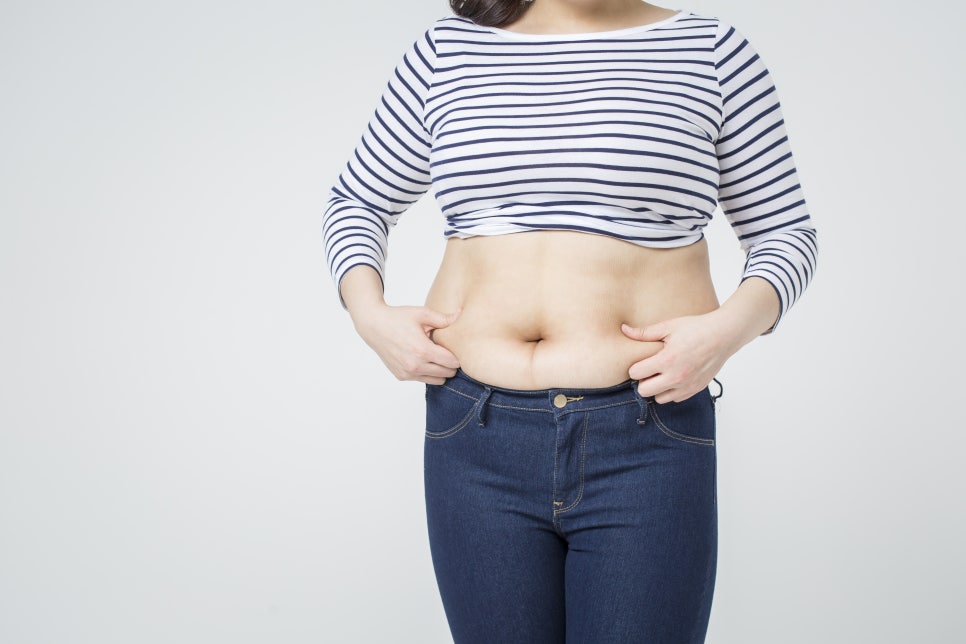
The abdomen is one of the areas of the body where fat accumulates easily and tends to remain until the end. When stress hormones, poor posture, weakened abdominal muscles, and reduced skin elasticity due to aging overlap, visible changes may be limited even if fat decreases.
Especially when the skin and muscles are stretched, the abdomen often does not look flat even if fat decreases. In such cases, simple weight loss alone makes it difficult to create the abdominal line you want.
How far do exercise and dieting have their limits?
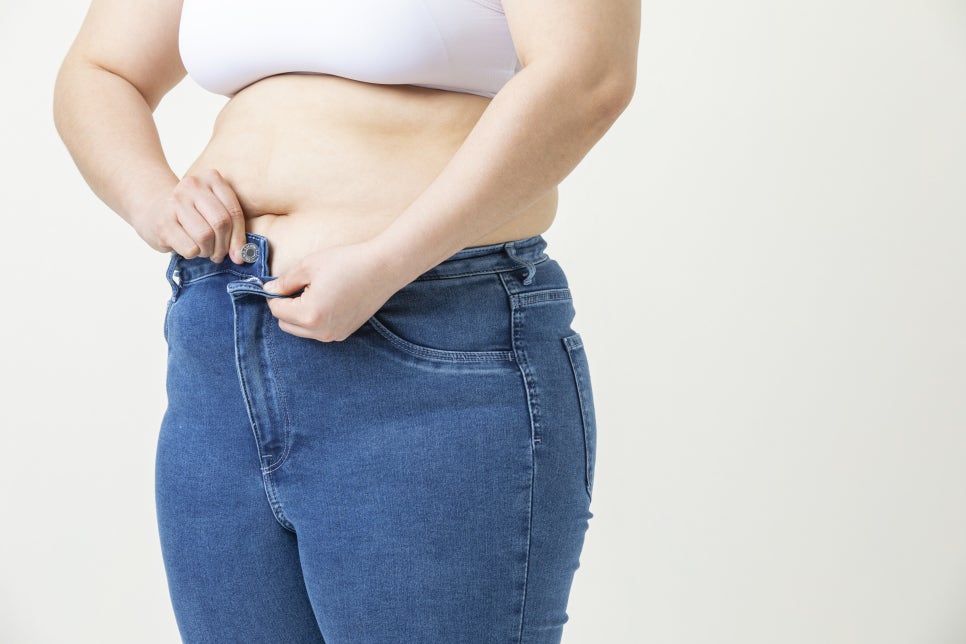
Exercise and dietary control help reduce overall body fat, but there are limits to restoring already stretched abdominal skin or separated abdominal muscles to their original state. In particular, if rectus diastasis occurs after childbirth, or if skin elasticity has significantly decreased after middle age, the visible improvement may feel small compared to the effort put in. At times like this, many people feel frustrated and wonder, “Why won’t my belly fat go away?”
Abdominoplasty is different from simple fat removal!
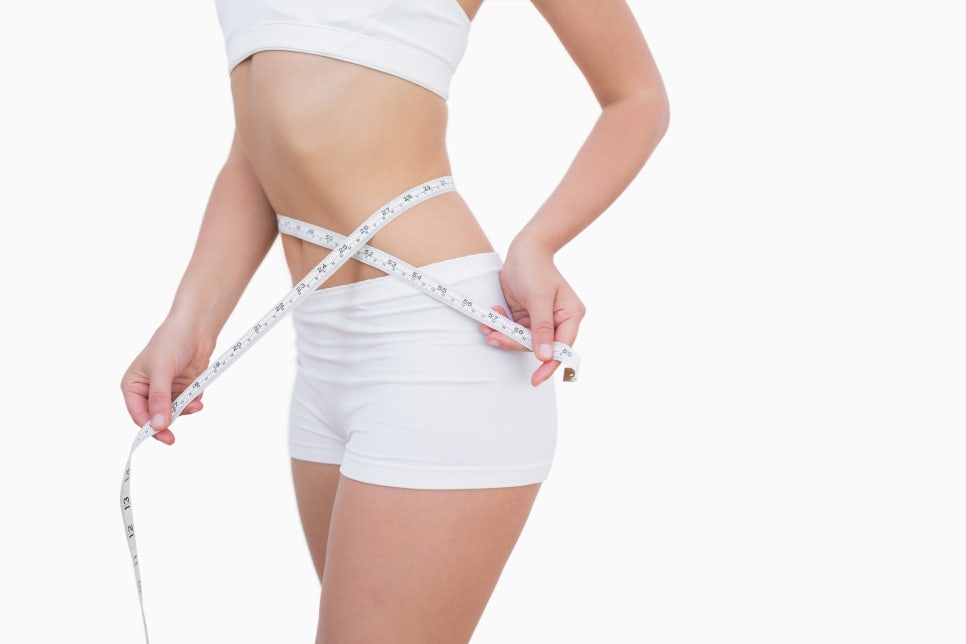
Abdominoplasty is not a procedure that simply removes fat, but a surgical treatment that improves the overall structure of the abdomen by removing stretched skin and excess fat together, and if necessary, correcting the abdominal muscles. Through this, you can expect not only a flatter belly line but also improved waistline definition. In particular, abdominoplasty may be an option when skin sagging is severe or when improvement is difficult with liposuction alone.
When is abdominoplasty effective?
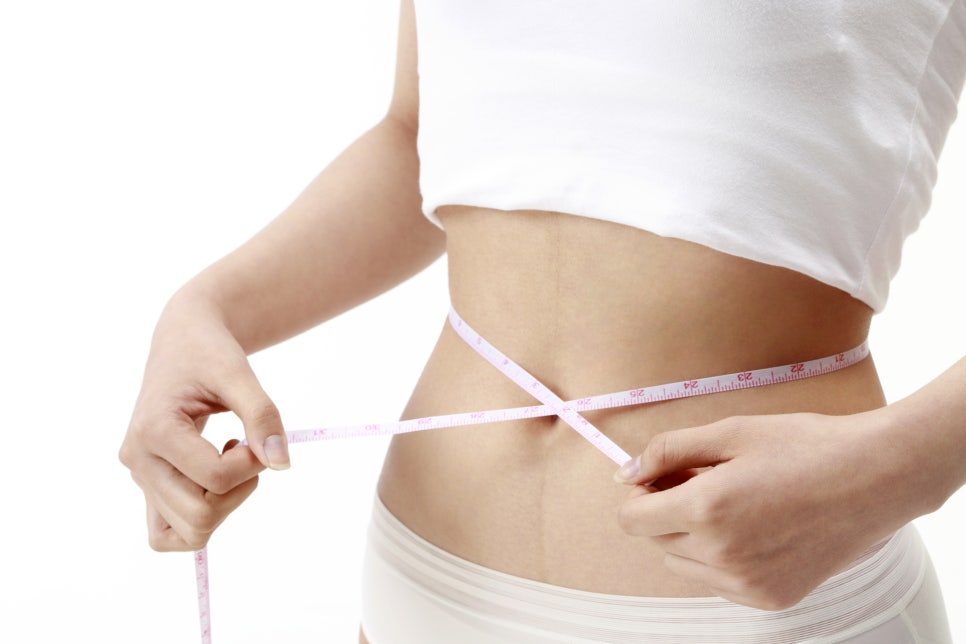
Abdominoplasty is effective when weight loss has already been achieved to a certain extent, but sagging or reduced elasticity remains in the abdomen. Common examples include a sagging belly after childbirth, skin wrinkles left after dieting, and abdominal sagging after middle age. It may be helpful when you want to make already lost weight look better rather than losing even more weight. However, suitability may vary depending on each person's body type and health condition.
Why is thorough consultation and planning before surgery important?
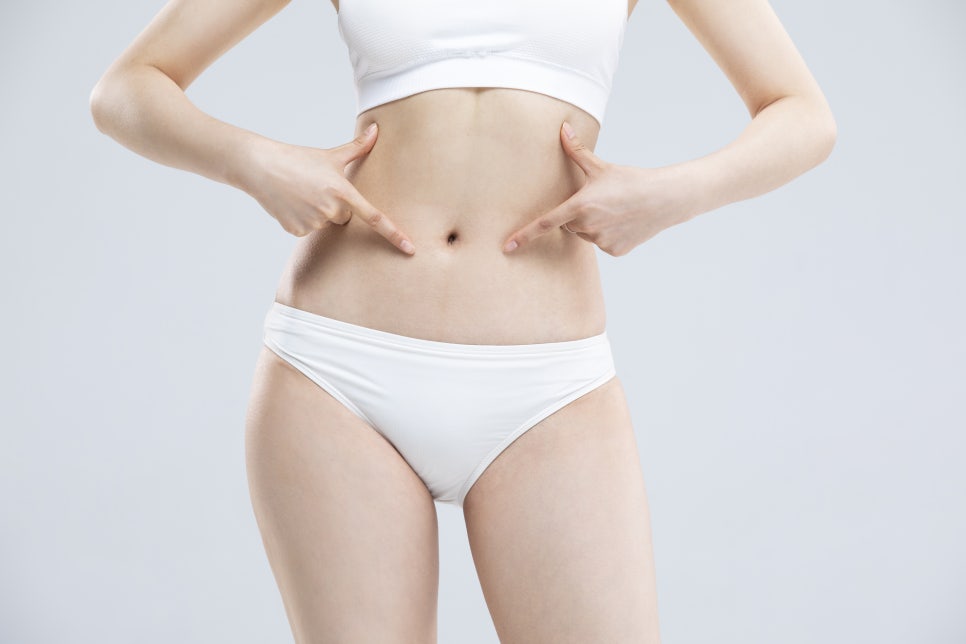
Because abdominoplasty is a relatively extensive surgery, it is essential to evaluate body shape, skin condition, and whether the muscles are separated in advance. It is also important to receive and understand enough explanation about the scar location, recovery period, and when you can return to daily life. A personalized surgical plan is a key factor that determines satisfaction with the procedure.
Postoperative care determines the outcome!

After surgery, you need to wear compression garments for a certain period and manage your lifestyle habits, and excessive activity can delay recovery. Following the medical team’s instructions to manage the recovery process and reducing weight fluctuations afterward can help maintain the abdominal line for longer. It is important to understand that abdominoplasty is not the end, but the beginning of management.
If repeated dieting has not brought significant changes to the abdomen, it may help to check for structural causes rather than simply a weight issue and find the improvement method that suits you, which can lead to more satisfying results.