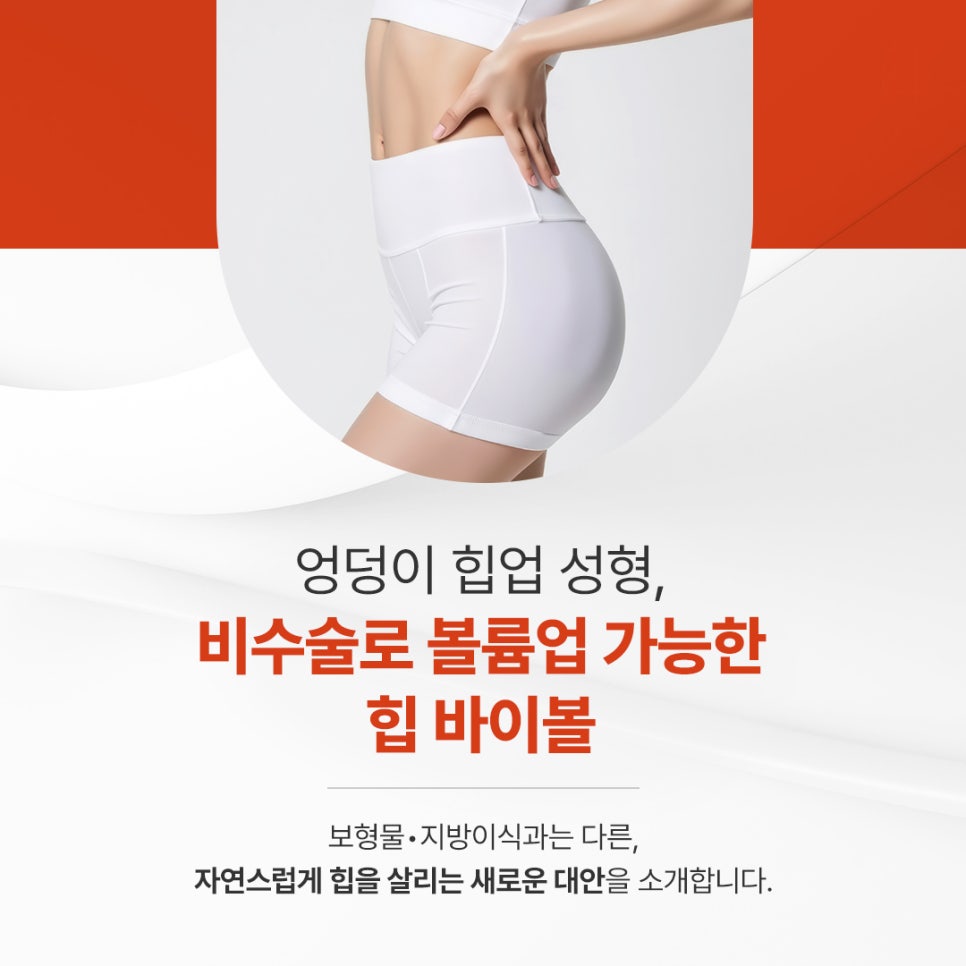
Recently, rather than simply a slim figure, a balanced line that connects the waist, pelvis, and buttocks has been drawing attention as an element that determines the overall completeness of body shape. In particular, many people feel that their back view looks flat when wearing clothes, or that their pants often seem to slip down, and this makes them more aware of a lack of hip line.
People often try to expect a hip-up effect through exercise or lifestyle improvements, but there are many cases where they hit limitations, so interest in medical hip-up methods as a more fundamental solution is naturally increasing.

The buttock muscles can certainly develop to some extent through exercise, but results can vary greatly even with the same workout depending on congenital pelvic structure, fat distribution, and skin elasticity. In particular, flat buttocks or a sagging hip line often lack the tissue that creates volume more than they lack muscle mass, so it is difficult to achieve satisfying changes through exercise alone. In cases like this, a more multi-layered approach is needed.
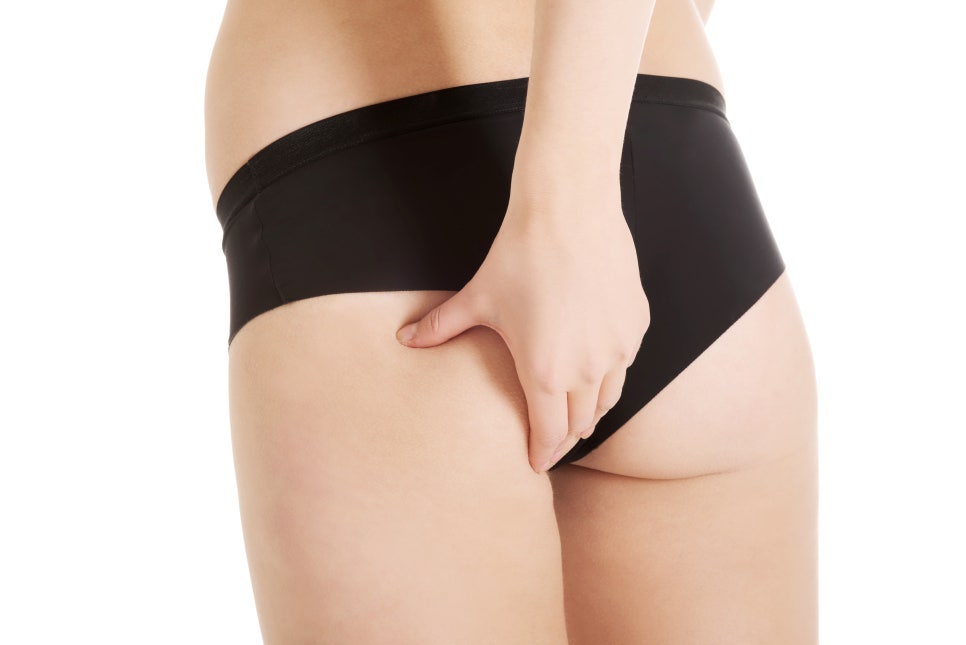
Traditional hip-up surgery has centered on implants or autologous fat. Implants can create relatively definite volume, but there has been concern about a foreign-body sensation or visible borders, while autologous fat is natural but comes with the limitation of absorption.
To compensate for these drawbacks, a new hip-up method that pursues more stable and natural-looking results has recently been getting attention.
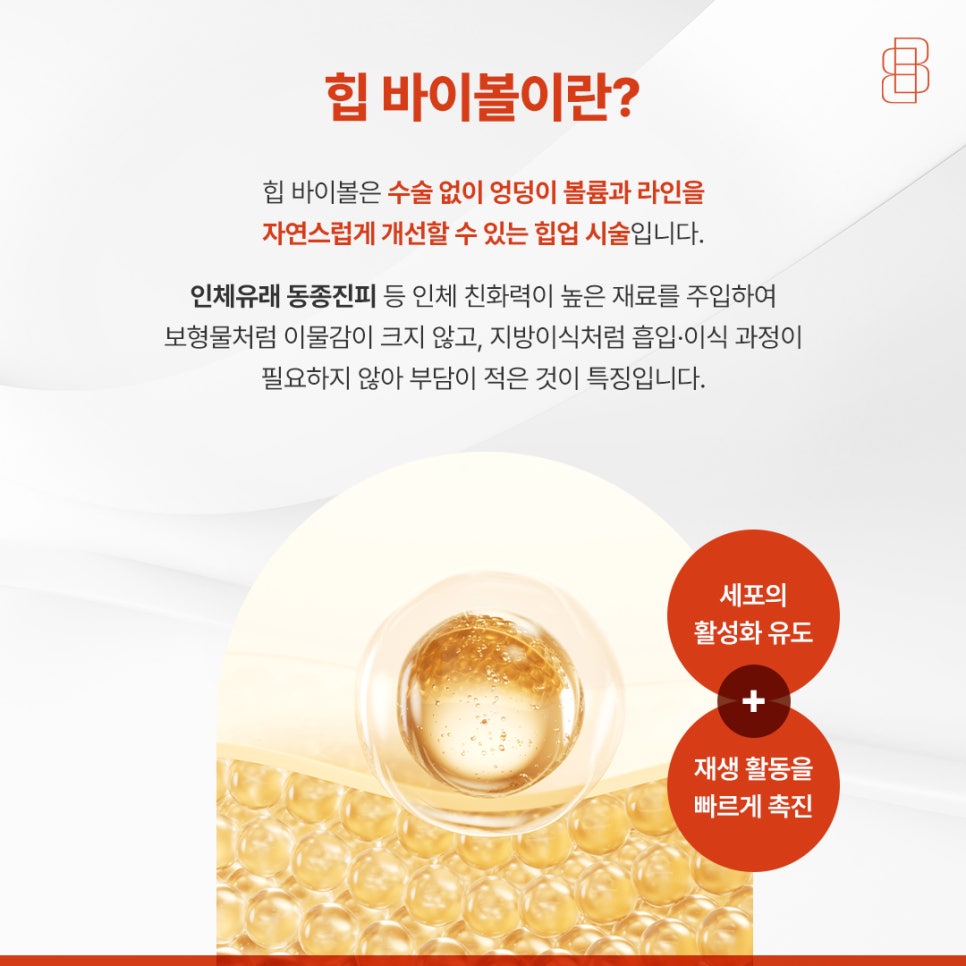
Hipbyball is a method that moves away from the existing implant-centered approach and uses acellular dermal matrix (ADM), which removes cells from human tissue. Its defining feature is that, over time, it is naturally replaced by the patient’s own tissue.
As a result, the buttock volume is not simply filled in; instead, the tissue itself gains a supple quality that feels alive, helping minimize an artificial look. This is a major difference in that it considers both natural volume and stability at the same time.
The ADM used in Hipbyball is known as a raw material also applied to L&C Bio’s skin booster product, ‘Elravie Re20,’ and its safety and effectiveness have been clinically proven in the fields of dermatology and plastic surgery.
This material helps promote collagen regeneration and improve skin thickness and elasticity, helping the post-lift line remain smoother and firmer. It is drawing attention because it offers not only volume, but also improvement in the texture and elasticity of hip skin.
Hipbyball is not simply a procedure to make the buttocks larger; it aims for an overall body design that takes into account pelvic width, the waist line, and the connection to the thighs. Because the acellular dermal matrix is naturally replaced by the patient’s tissue, it allows volume adjustment to suit the body shape and is also advantageous for reducing left-right asymmetry or excessive protrusion. The ability to provide customized hip-up treatment tailored to an individual’s body shape and tissue characteristics is one reason it is attracting so much attention.

These days, people considering hip-up surgery place more importance on long-term stability and natural-looking results than on short-term changes. Because Hipbyball pursues tissue-friendly hip-up treatment based on proven raw materials, it can reduce concerns about a foreign-body sensation and may allow results to blend naturally with the body over time. Thanks to these characteristics, Hipbyball is drawing attention among those who want a natural hip line.
Hip-up treatment is not simply about increasing volume; the key is creating harmony with the overall body shape. If you feel limited by exercise alone, it is important to consult thoroughly with a medical professional about the hip-up method that suits your body type.