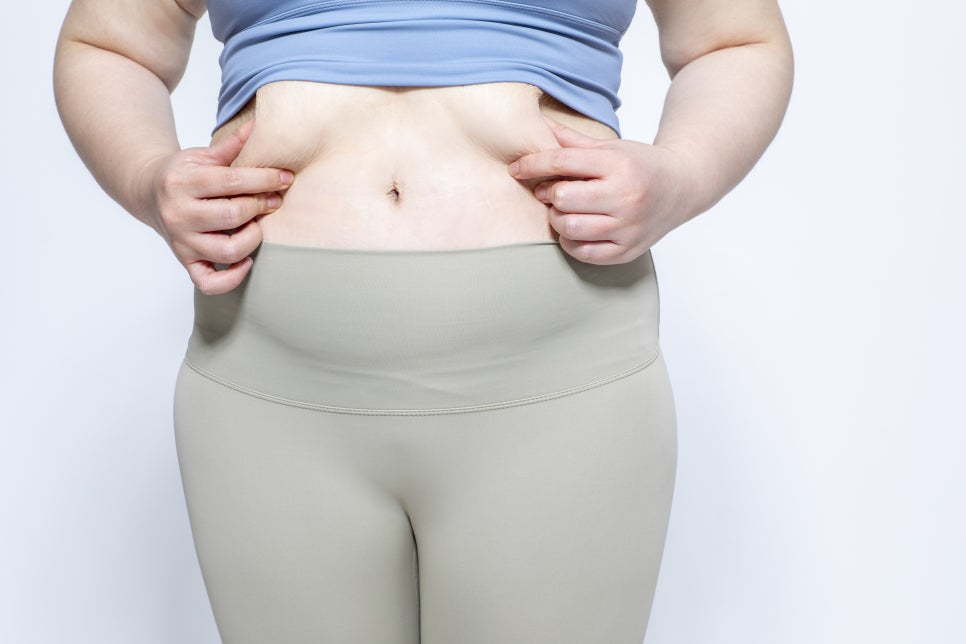
Even with consistent exercise and diet management, many people still struggle with stubborn fat left around the lower abdomen or the center of the belly. At that point, instead of simple weight loss, people often consider surgical methods with the idea of changing their body shape itself. The 대표적인 options that come to mind are liposuction and abdominoplasty. Both surgeries aim to improve belly fat, but the people they are suited for and the expected results are clearly different, so it is important to understand them accurately.
Liposuction
A surgery focused on reducing the amount of fat

Liposuction is a procedure that removes excess subcutaneous fat accumulated in the abdomen through a cannula to refine the body line. When skin elasticity is relatively good and sagging is not severe, it has the advantage of allowing a quick change in body shape. In particular, it can be an effective choice when the problem is localized fat, such as in the upper abdomen or love handles. However, it is important to understand that liposuction does not involve cutting away the skin itself or correcting a stretched abdominal wall.

If you have given birth or have experienced a rapid change in weight, the bigger issues than fat are often sagging skin and loosened abdominal muscles. If liposuction alone is performed in this condition, the fat may be reduced, but the skin may remain, making the abdomen appear even more saggy. If the cause of the belly fat is not simply fat but a "stretched structure," the approach must be different.
Abdominoplasty
A surgery that corrects fat, skin, and muscle together

Abdominoplasty is a surgery that removes sagging skin and unnecessary fat while also tightening loosened abdominal muscles to reorganize the structure of the entire abdomen. Rather than simply making the stomach thinner, its purpose is to fundamentally improve the abdominal line. In particular, if there is lower abdominal sagging, stretch marks, or abdominal changes after childbirth, abdominoplasty is more likely to lead to more satisfying results.
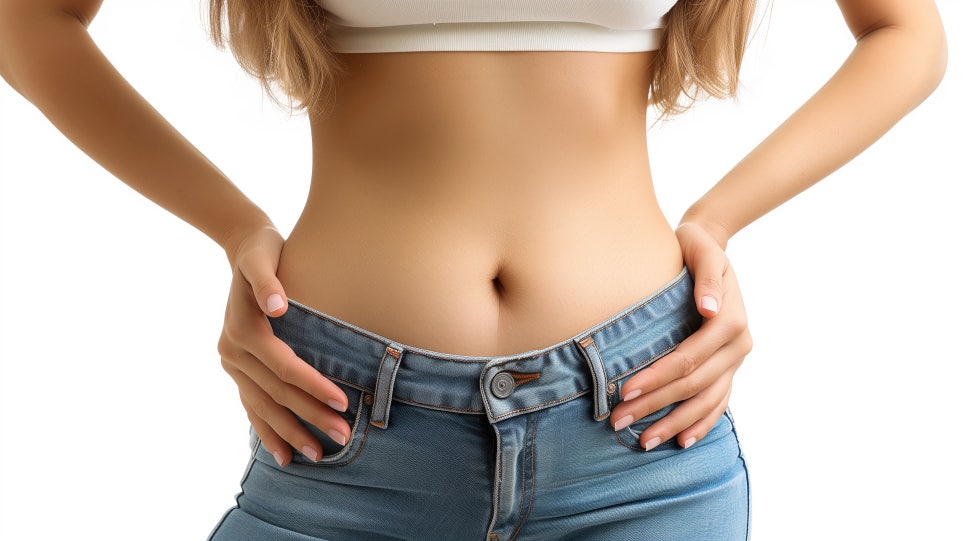
While liposuction only gives the feeling of being slimmer, abdominoplasty is characterized by changes in the waistline, navel position, and the abdominal contour itself. As loose skin is corrected, clothing fits differently, and the center line of the body can become more defined. The key point of abdominoplasty is that it is closer to "abdominal reconstruction" than simply "removing belly fat."

Abdominoplasty may have a relatively longer recovery period than liposuction, but because it brings about structural improvement, the results tend to be more lasting. After liposuction, if weight increases again or skin elasticity decreases, sagging can return.
On the other hand, abdominoplasty combines abdominal muscle correction and skin removal, so long-term satisfaction can be expected. If you value long-term results more than short-term convenience, abdominoplasty may be the more reasonable choice.

Of course, if skin elasticity is sufficient and the only issue is the amount of fat, good results can still be achieved with liposuction alone. However, if there is a history of childbirth, stretch marks, or abdominal sagging, considering abdominoplasty together may be a more realistic solution. Choosing a surgery method first without an accurate diagnosis can lower satisfaction. A detailed evaluation of body shape and skin condition is more important than anything else.
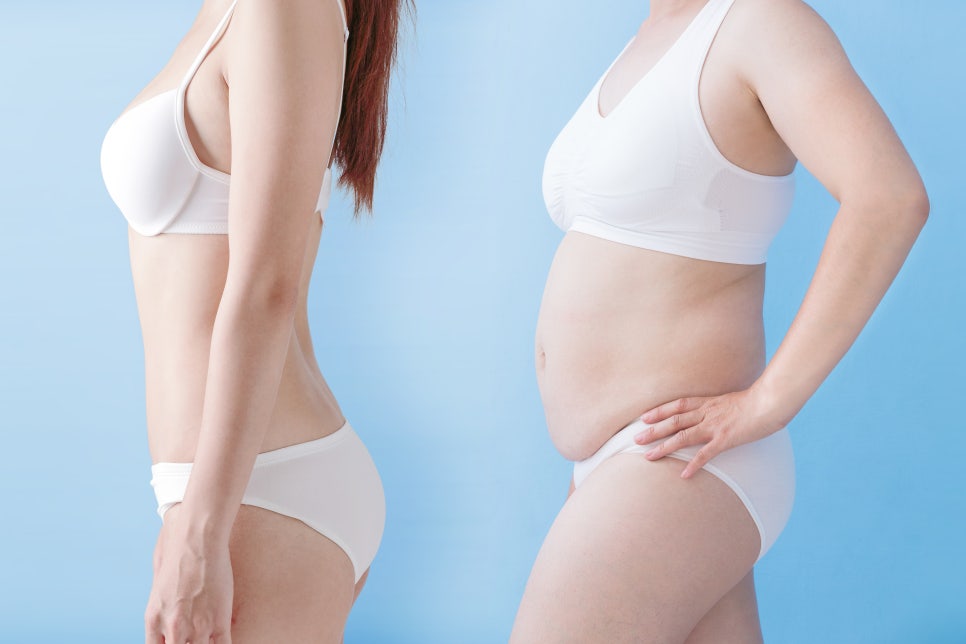
Liposuction and abdominoplasty are both methods for improving belly fat, but their approaches and results are clearly different. The choice should differ depending on whether you want to simply reduce fat or improve the abdominal structure itself.
In particular, if you are also concerned about abdominal sagging and changes in body lines, abdominoplasty can be a more fundamental solution. What matters is not trends or cost, but choosing the surgery that matches the condition of your abdomen.