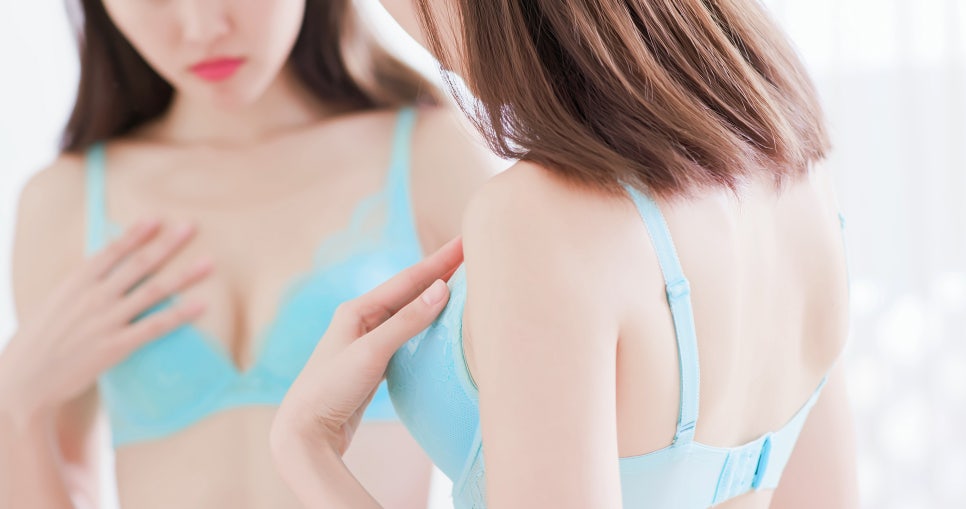
When talking about body types, concerns about the breasts tend to feel especially sensitive. That is because there are many things that cannot be explained simply by saying they are large or small.
In reality, even when body weight is similar, breast body types can look completely different, and the way clothes fit and the overall impression often start from this difference.
In particular, these days there is a trend toward paying more attention not just to size, but to
- how the upper body looks
- why the fit of clothes looks different
- what role the breasts play in the overall body type
When you look at body type with the breasts as the center, you can see that many factors are working together.
Breasts do not always change in proportion to body weight
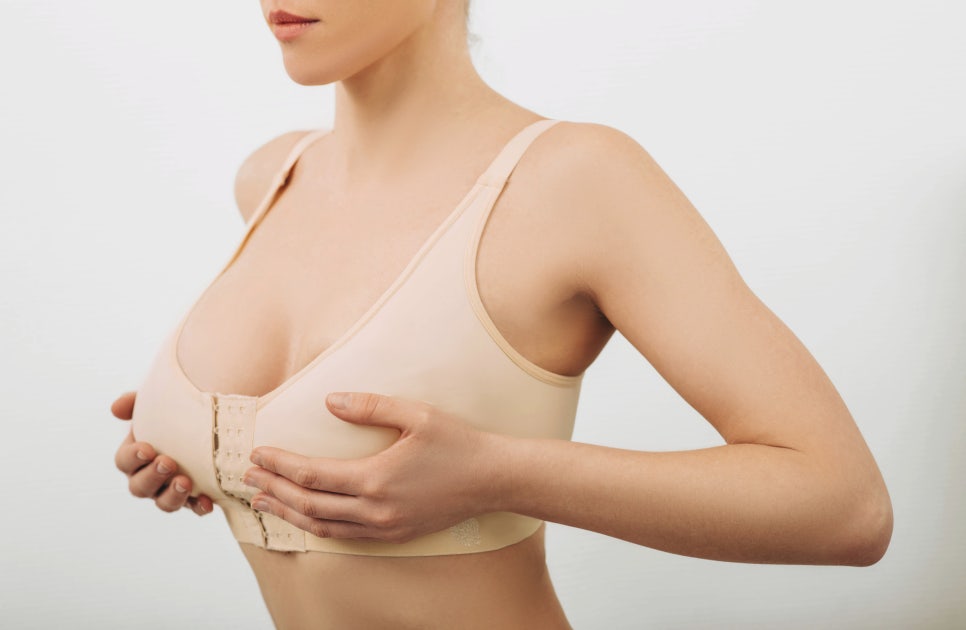
Many people expect that when body weight increases, the breasts will naturally change as well, but in many cases that is not true.
- When weight gain affects mainly the abdomen or thighs
- When the breasts change very little even though body weight changes
- When breast body type changes are felt more strongly after dieting
Breasts are affected not only by fat, but also by tissue composition, skin condition, and the structure of the rib cage, so they are difficult to explain by weight alone. In other words, breasts are a body area affected by changes in body weight, but those changes do not appear in a consistent way. Because of this, even when body weight increases, the changes in the breasts may not be large, and on the other hand, when body weight decreases, changes in breast body type may be noticed first. These differences can be seen as a natural result of each person’s body structure.
How breast body type affects the overall impression

Breast body type is one of the factors that determines upper-body proportions. This becomes clearer when wearing clothes than when looking in the mirror.
- Wrinkles or looseness in the front panel when wearing a top
- Whether the upper body looks three-dimensional
- The connection between the waistline and the upper-body line
These factors can vary depending on breast body type. Therefore, even when wearing the same clothes, the overall impression may feel different from person to person.
Why exercise or adjustment alone can feel limited
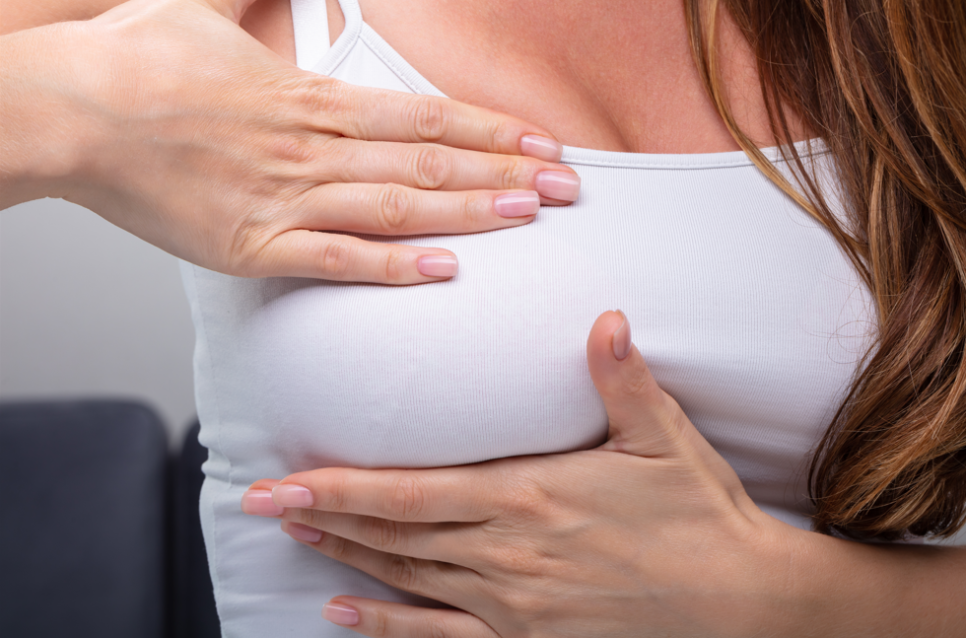
Exercise or adjusting underwear can help manage breast body type to a certain extent. However, it is difficult to expect the same effect in every case.
In particular,
- when the rib cage is narrow
- when there is a change in breast position
- when the concern is shape or balance rather than volume
In situations like these, many people feel that simple management has limits when it comes to changing body shape. At that point, it is necessary to first understand the characteristics of the current body type.
Criteria to consider when worrying about breast body type
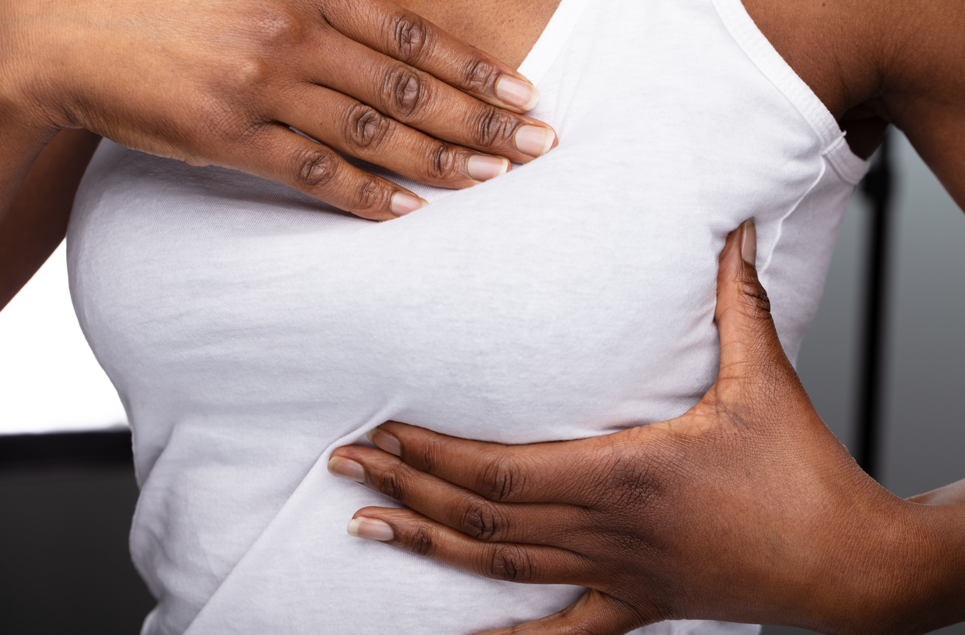
Concerns about breast body type often start from comparing yourself with others, but comparison can blur the 기준. Instead, it is helpful to go through the process of objectively organizing your own body type.
| Check item | Details to confirm |
|---|
| Body structure | Upper-body length • Rib cage shape |
| Change history | Weight changes • Childbirth experience |
| Type of concern | Volume • Shape • Position |
| Direction of expectation | Natural balance |
When you organize the direction of your concern through criteria like these, it becomes possible to make a more realistic judgment.
Practical ways to observe and manage breast body type
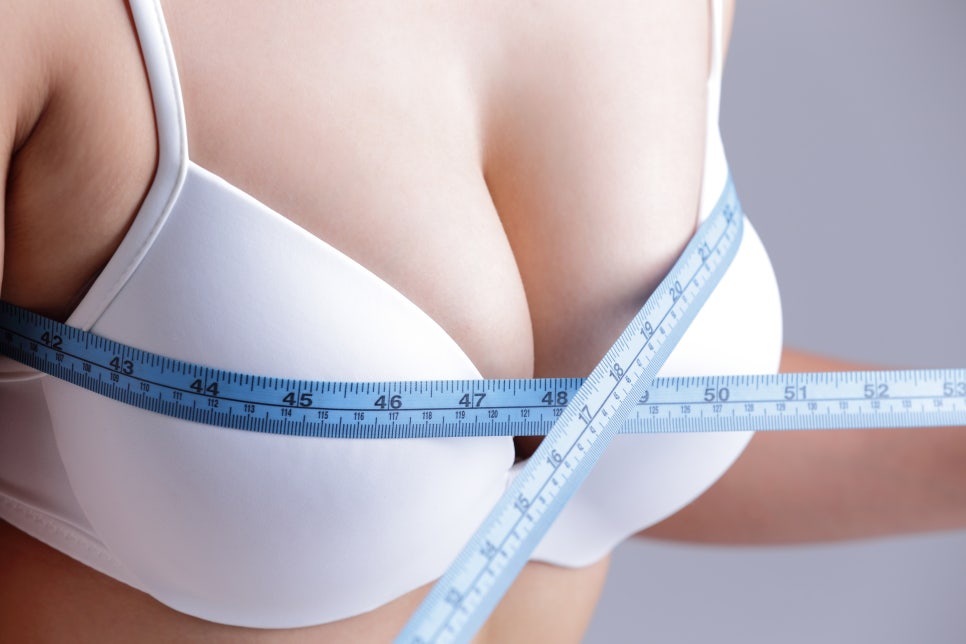
To understand and manage breast body type, it is important not to focus only on short-term changes, but to observe the pattern of changes in everyday life. For this, you can consider the following methods.
- Wearing-photo records: Regularly take photos in the same clothes or in corrective underwear to compare body type changes
- Posture and exercise records: Understand the relationship between everyday activities such as upper-body posture, strength training, and stretching, and body type changes
- Regular body type checks: At set intervals, check the position, balance, and proportions of the body type and record the trend of changes
Observing and recording in this way helps distinguish natural changes in breast body type from the effects of lifestyle habits. It is also useful for building a more systematic body type management strategy without being swayed by short-term changes.
A reasonable approach through body type understanding
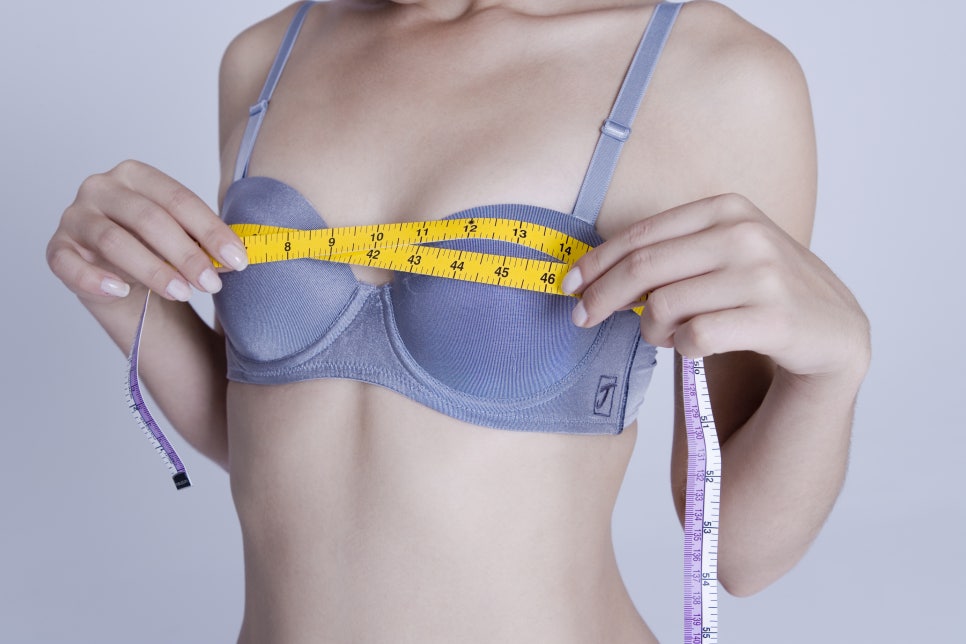
Concerns about breast body type are not limited to appearance alone. Because each person has a different body structure and lifestyle pattern, the process should begin with accurately understanding and checking the current condition rather than relying on a uniform standard.
Rather than reaching a conclusion in a short period of time, body type management requires a reasonable approach through observation, record-keeping, and body type analysis. Through this process, if you understand your own body type and, when necessary, combine it with expert consultation or adjustments to lifestyle habits, more realistic body type management becomes possible.