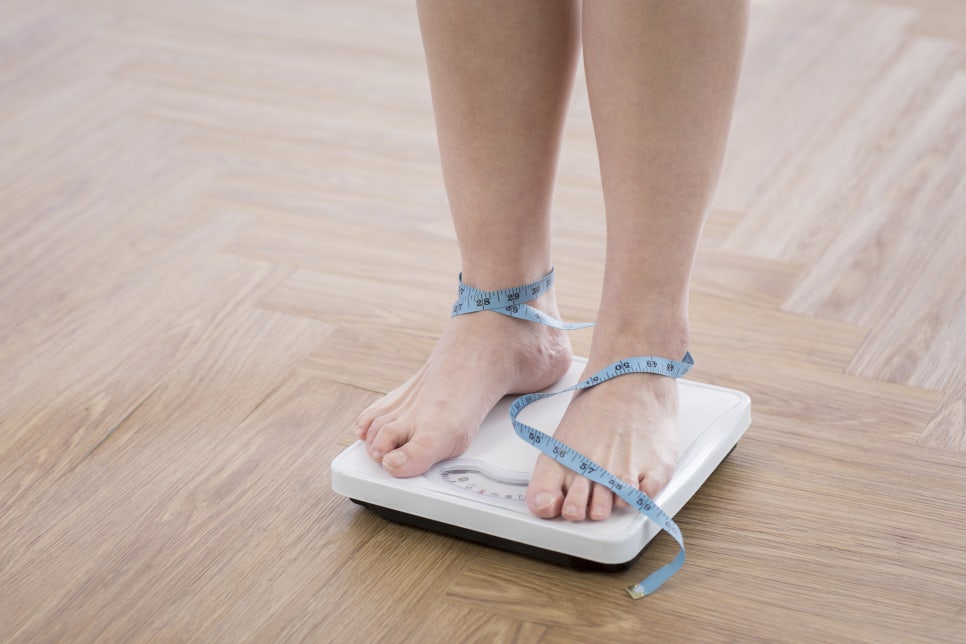
Even though weight has recovered to some extent after childbirth, many people find that only the abdomen remains especially prominent, causing concern. In many cases, this is not simply a matter of gaining fat, but rather a result of structural changes in the abdomen that occurred during pregnancy and childbirth. Understanding that there are limits to what ordinary dieting or exercise can achieve is the starting point for postpartum abdominal care.
Root Causes of Abdominal Changes After Childbirth
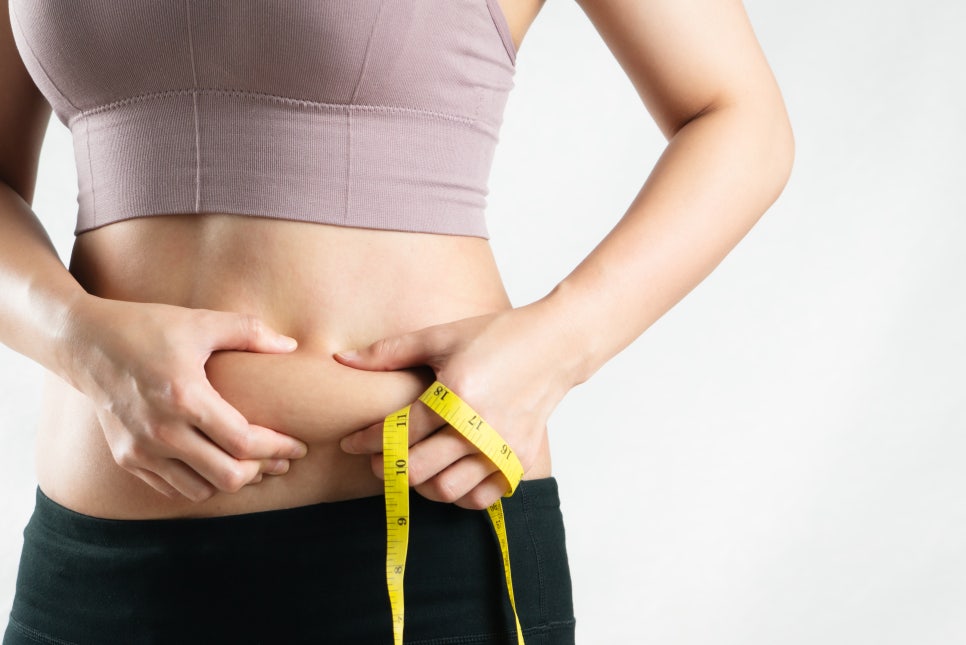
During pregnancy, as the uterus enlarges, the abdominal muscles, skin, and fascia continue to stretch, and in many cases the relaxed state does not fully recover even after childbirth. In particular, when rectus diastasis, in which the rectus abdominis muscles separate to the left and right, reduced skin elasticity, and localized fat accumulation occur at the same time, the abdomen is more likely to remain protruded rather than flattening out.
Types of Abdomen That Do Not Improve with Exercise and Diet Control

Postpartum belly fat often involves structural issues rather than being purely a fat-type abdomen, so even with steady exercise and dietary control, the center of the abdomen may remain bulged or the skin may continue to feel loose and stretched. In such cases, it should be approached not as a matter of management but as a treatment issue, and abdominoplasty is considered a method that can directly improve these structural changes.
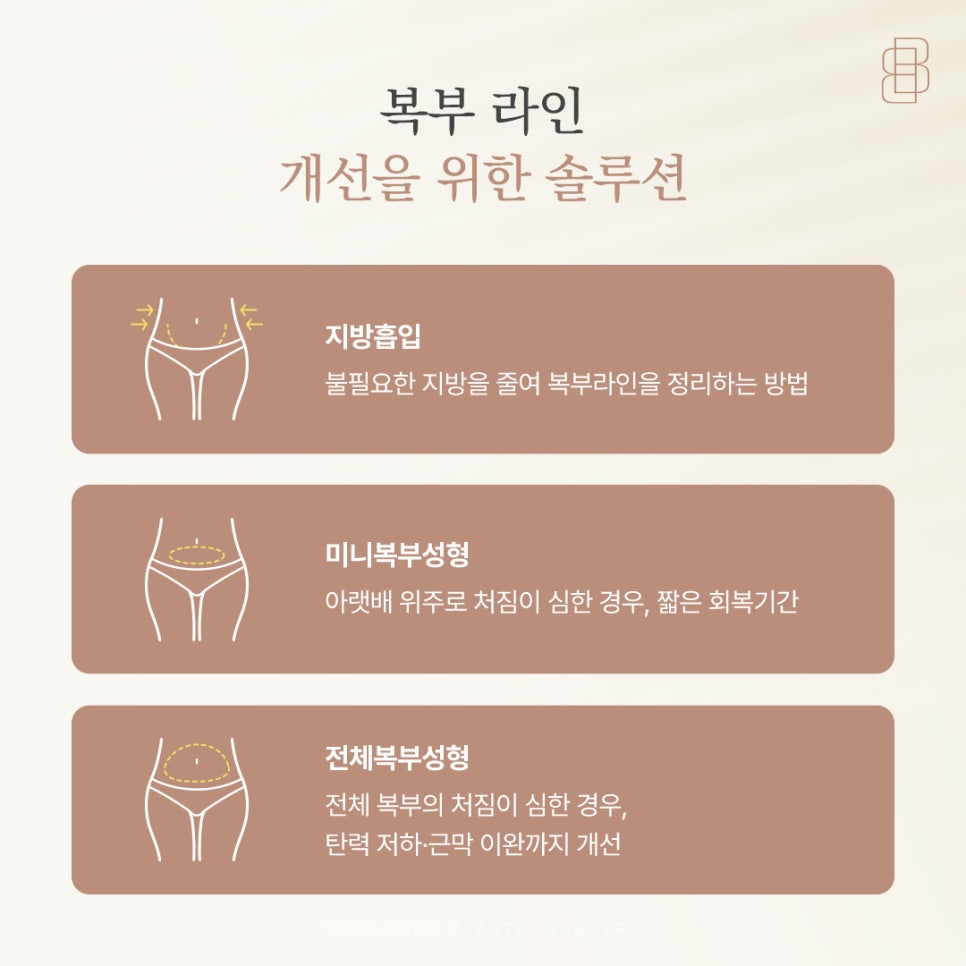
Why Abdominoplasty Is Not Simply Fat Removal

Abdominoplasty is often misunderstood as a surgery that removes only fat, but in reality its purpose is to remove sagging skin and tighten the relaxed abdominal muscles and fascia to restore overall abdominal tension. Therefore, rather than simply reducing weight, it can be a meaningful option for postpartum women because it reshapes the abdominal contour to resemble the pre-pregnancy state.
Who May Consider Postpartum Abdominoplasty
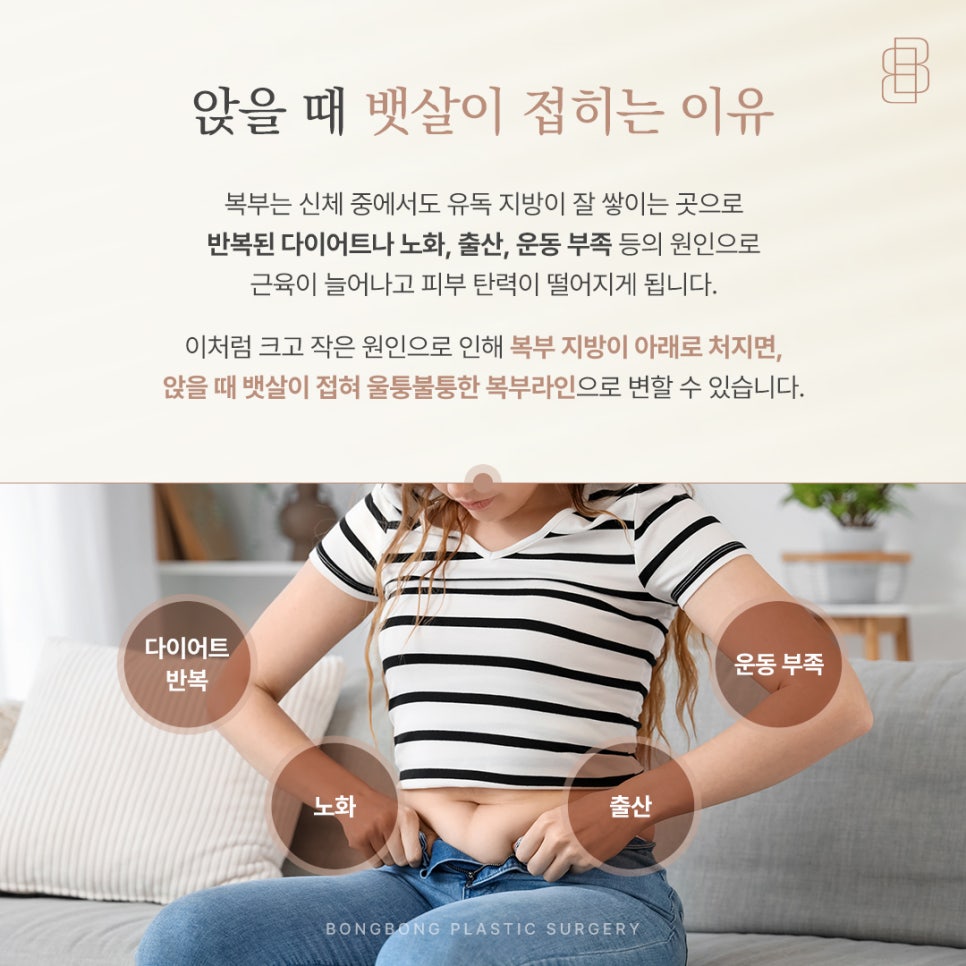
If, after some time has passed following childbirth, weight has stabilized but abdominal sagging, wrinkles, or protrusion caused by rectus diastasis persist, abdominoplasty may be considered. In particular, surgical improvement may be helpful when abdominal changes become more severe after a second or third childbirth, or when skin sagging is pronounced after a cesarean section. A personalized diagnosis based on an individual's childbirth history and abdominal condition is very important.
Benefits of Regaining Postpartum Body Shape Through Abdominoplasty
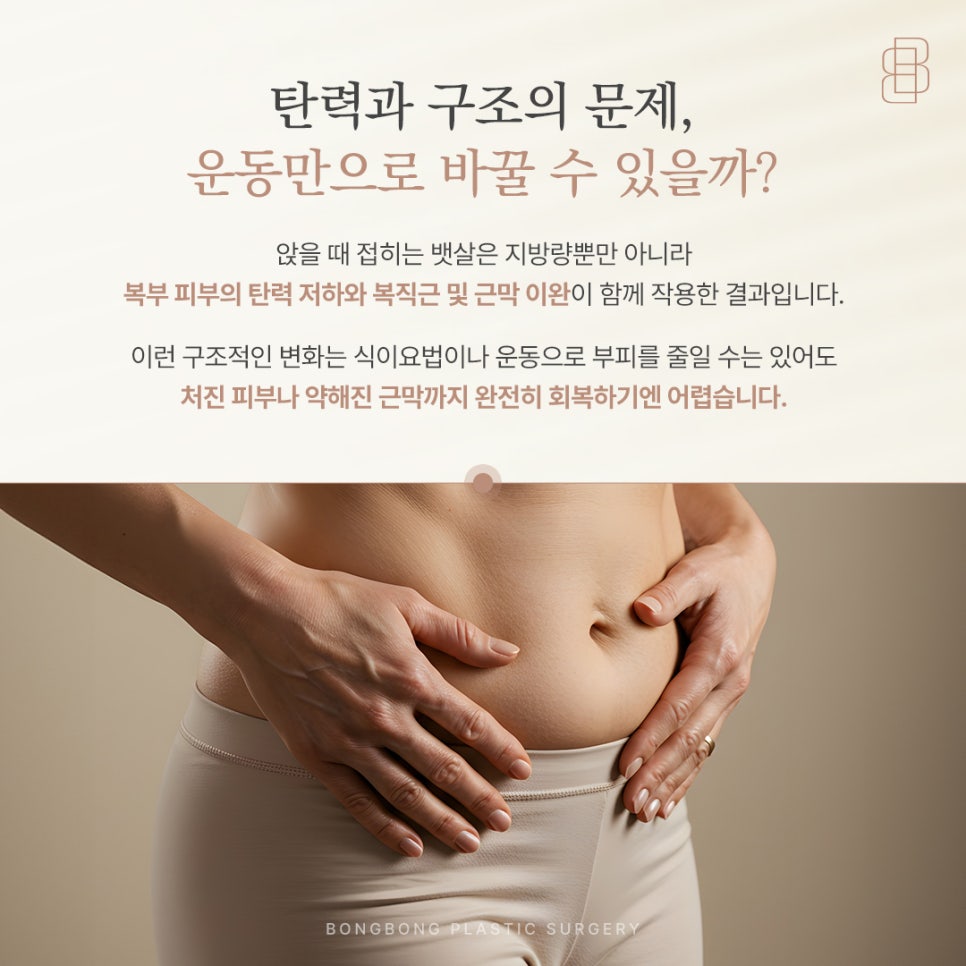
Abdominoplasty can have a positive effect not only on appearance but also on posture stability and comfort in daily life by restoring the support structure of the abdominal center. When sagging skin and abdominal muscle tension are improved together, clothing may fit better, and it can often help restore confidence after childbirth, so it has significance beyond simple cosmetic purposes in terms of improving quality of life.
Factors That Must Be Considered Before Surgery
Postpartum abdominoplasty should take into comprehensive consideration the individual's health condition, any plans for future pregnancy, and the recovery period, and it is desirable to determine the timing and method of surgery through sufficient consultation. In particular, if there are plans for additional childbirth, careful judgment about the timing of surgery is necessary, and thorough communication with the medical team has a major impact on satisfaction with the results.
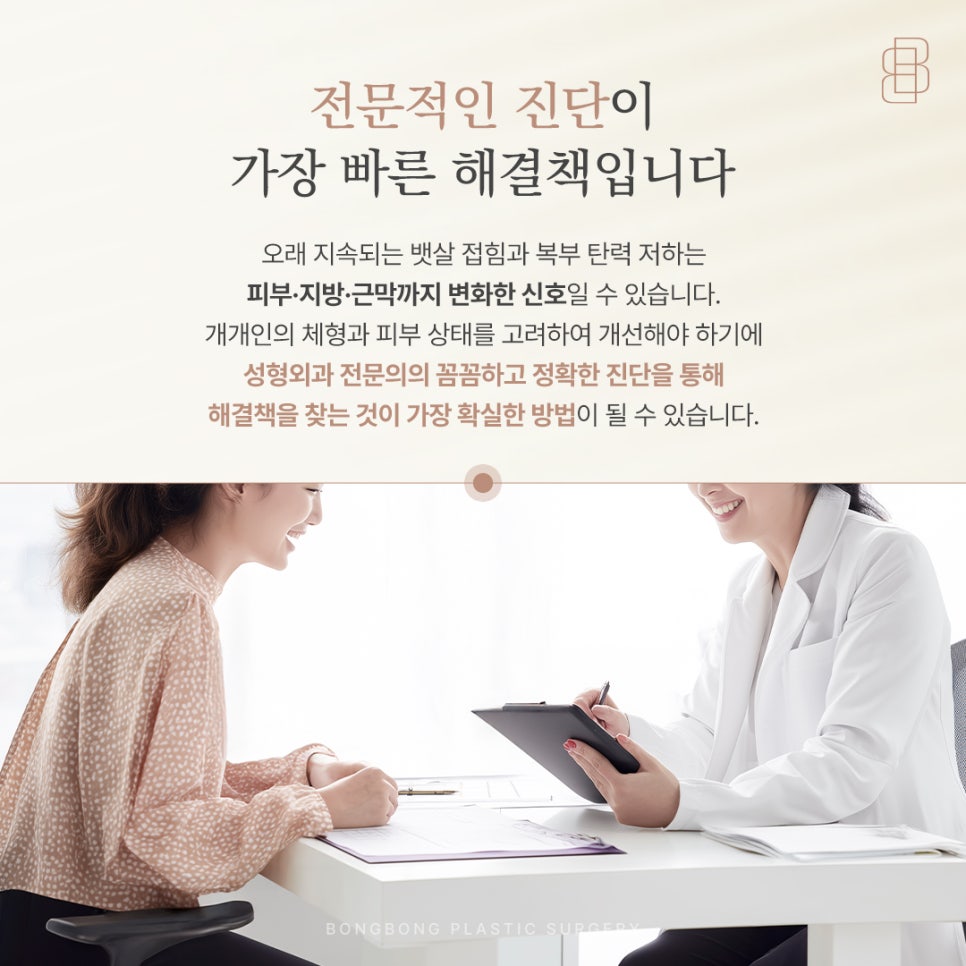
Leftover belly fat after childbirth may be the result of changes in body structure rather than a matter of willpower, and in such cases abdominoplasty can be a solution rather than just a choice. What matters is not trends or fragmented information, but accurately understanding your own abdominal condition and setting the most appropriate direction for care through medical diagnosis.