�a0
Face reading has long been accepted as a cultural way to interpret a person's impression and image. Today, however, there is a stronger trend toward understanding it not as a tool for judging fate or personality, but as a way of reading the impression created by the structural features and balance of the face.
�a0
In particular, in plastic surgery settings, the concept of face reading is often used not as an absolute standard, but as a reference point for looking at whether each part of the face is in harmony and how well it matches an individual's image.
�a0

�a0
In face reading, a “good face” usually does not mean that a particular feature is large or small. More often, it refers to a state in which the proportions and three-dimensional balance of the entire face flow naturally.
�a0
In medical terms as well, the way the forehead, eyes, nose, mouth, and jawline relate to one another has a greater effect on how an impression is formed than looking at only one area. It is important to understand that face reading is not a scientific diagnosis, but one way of interpreting the image created by facial structure.
�a0
Key impression points emphasized in eyebrow reading
�a0
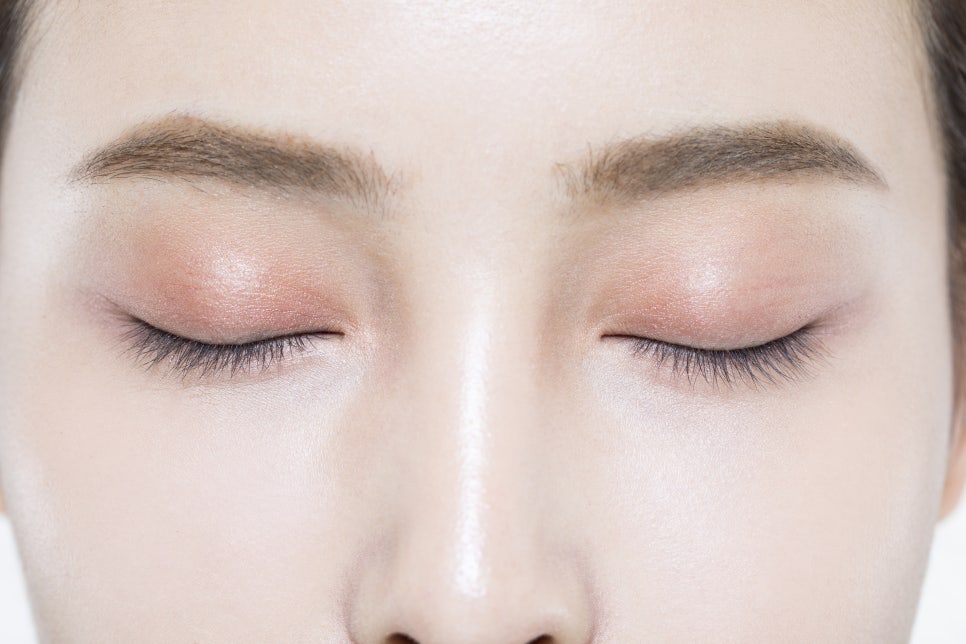
Eyebrows are a key element that affects facial expression and overall impression. In face reading, the direction, density, and left-right balance of the eyebrows are considered important. Eyebrows that droop too much or look broken can create a tired or passive impression, while eyebrows that form a gentle curve and flow naturally with the eye shape help create a stable and soft image.
�a0
Eyebrows should harmonize with the eyes rather than stand alone in order for the impression to feel natural.
�a0
The impression created by the forehead and the face's first impression

�a0
The forehead is the largest area of the face and plays a role in determining the overall impression and brightness. In face reading, a forehead that is too narrow or uneven may be interpreted as giving a cramped impression, while a forehead with moderate volume and smooth curves creates an open and stable image.
�a0
Medically, too, the forehead is the starting point of facial proportions, so it is important to evaluate it in consideration of the overall balance of the face.
�a0
How ear shape affects facial image
�a0
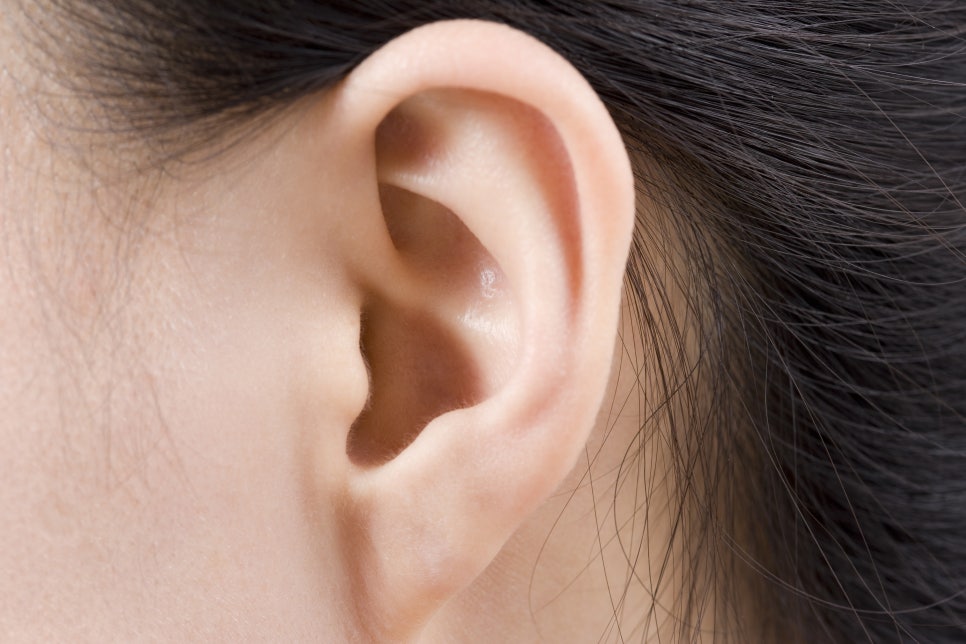
Although the ears are not a feature that usually draws much attention, they subtly affect both the side and front views of the face. In face reading, ears that are not too close to the face or overly protruding, and that have a naturally formed helix and earlobes, are often interpreted as creating a stable impression. In reality as well, the position and angle of the ears act as elements that harmonize with the facial outline, and balance with the face shape is considered important.
�a0
The center and balance emphasized in nose reading
�a0
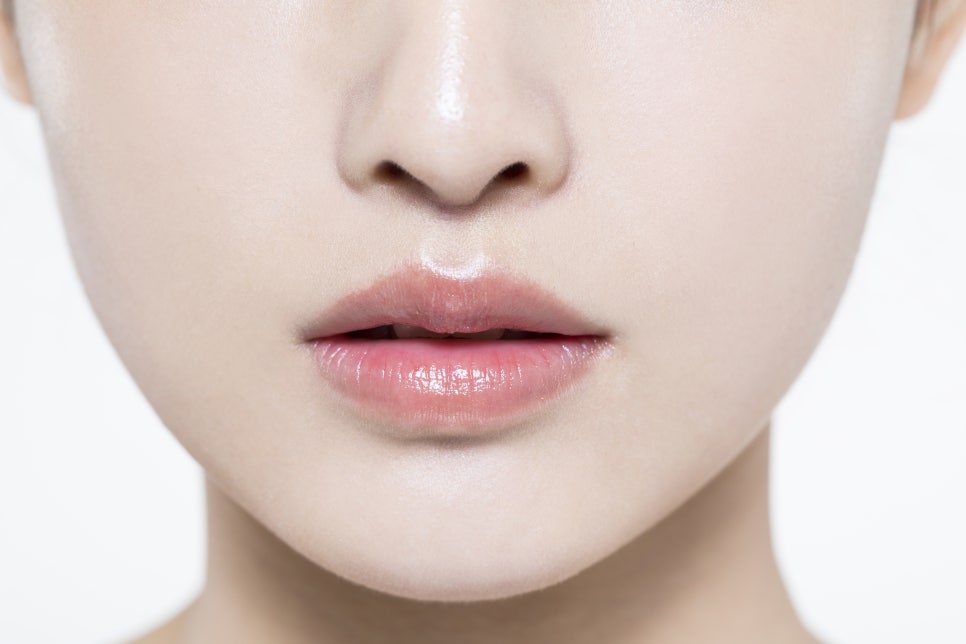
The nose is located at the center of the face and is a key structure that influences the overall impression. In face reading, rather than a bridge that is too low or too high, the important points are a height that harmonizes with the length of the face, along with left-right symmetry and a stable tip. Medically as well, the key issue is not simply height, but whether the connection with the forehead, mouth, and jawline is natural. A nose should not just look good on its own; it should fit the whole face to create a good impression.
�a0
What matters more than face reading is the harmony of the individual face

�a0
In recent plastic surgery practice, there is a strong tendency not to apply the so-called “ideal standards” of face reading as they are, but instead to approach each case in a way that respects the individual's face shape and existing structure as much as possible. Even with the same forehead height or the same nose shape, what suits each person can differ, so personalized analysis is more important than standardized face-reading criteria. This is also why natural changes rather than excessive correction tend to lead to greater satisfaction.
�a0

�a0
Facial impression is not determined by just one feature among the eyebrows, forehead, ears, or nose. It is shaped by a combination of factors such as expression, skin condition, and habitual muscle use. Face reading can be understood as a cultural framework for interpreting some of these elements, and it is best used as a reference rather than accepted as an absolute standard. Medically, what matters is the stability of function and structure, and a natural sense of harmony.
�a0

�a0
Face reading is only one perspective for interpreting impressions through the features of the eyebrows, forehead, ears, and nose; it is not a standard that determines a face's value. From a plastic surgery perspective, what is important is not matching a particular face-reading pattern, but understanding the individual's facial structure and balance and approaching it in a way that forms a natural image.
�a0
Because each face carries its own individuality and story, a perspective that respects harmony is more important than anything else.
�a0