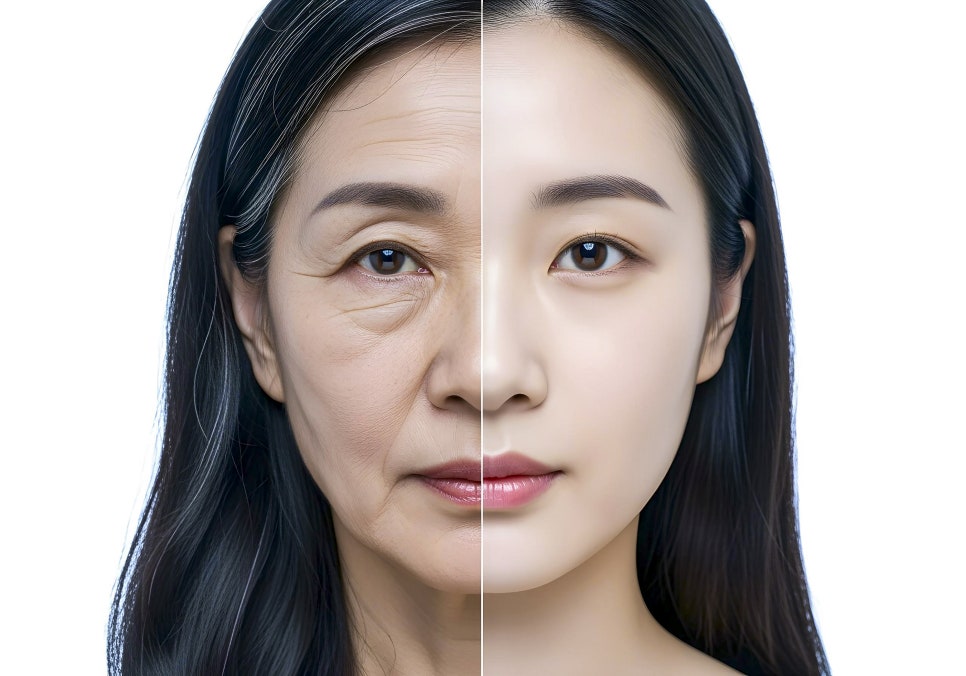
Although aging cannot be stopped completely, slowing it down is certainly possible, which is why the concept of “slow aging” has recently gained attention. In particular, slow aging from a wellness perspective is understood not just as delaying visible changes in appearance, but as managing physical function, metabolic health, immunity, and cognitive function together.
At the center of this is the everyday choice of diet, and the way food is eaten clearly makes a difference in the speed of aging.
Why you should first review eating habits that speed up aging

For slow aging, before thinking about what to eat, it is necessary to first understand the eating habits that accelerate aging. Excessive sugar intake and a diet centered on refined carbohydrates rapidly raise blood sugar, and the resulting oxidative stress and chronic inflammatory responses are major causes of accelerated cellular aging.
In addition, irregular meal times, overeating, and late-night eating habits disrupt hormonal rhythms and may hasten the decline of aging-related metabolic function, so caution is needed.
The key to a slow-aging diet is stable blood sugar

From a wellness perspective, the most important standard for a slow-aging diet is maintaining stable blood sugar. Sharp fluctuations in blood sugar increase insulin resistance, which in turn leads to increased fat accumulation and inflammatory responses. Balanced intake of complex carbohydrates, sufficient dietary fiber, protein, and fat helps soften the post-meal rise in blood sugar, playing an important role in reducing cellular damage and slowing aging.
The importance of ingredients rich in antioxidant nutrients

One of the key mechanisms of aging is oxidative damage caused by reactive oxygen species. To suppress this, a diet rich in antioxidant components is needed. Ingredients such as berries, green and yellow vegetables, nuts, and olive oil are rich in vitamins and polyphenols, helping protect cells. With antioxidant nutrients, consistency matters, since long-term intake contributes to slow aging more than short-term effects.
Protein intake is a basic condition for preventing aging

As people get older, muscle mass naturally decreases, which can lead to a lower basal metabolic rate and a decline in physical function. For slow aging, adequate protein intake is essential, and it is preferable to consume animal and plant proteins in balance. In particular, protein intake that considers both muscle maintenance and immune function can be seen as a core element of a wellness diet.
The close relationship between gut health and slow aging

The intestinal microbiome is closely related to immunity, inflammatory responses, and nutrient absorption, and it also affects the speed of aging. A diet rich in fermented foods and prebiotics helps maintain a healthy balance of beneficial bacteria in the gut, which leads to overall health. Gut health goes beyond a simple digestive issue and is the starting point of whole-body aging management, so it must be included in a slow-aging diet.
A slow-aging diet is about sustainability, not restraint

From a wellness perspective, a slow-aging diet is far from extreme restriction or fad dieting. Rather than completely eliminating certain foods, it is important to build a diet that can be practiced long term. Excessive restriction can instead cause stress and disrupt hormonal balance, which may negatively affect aging management.
A sustainable diet is the true key to slow aging.

A wellness diet for slow aging is not about one special food, but is completed through the accumulation of choices in everyday life. A diet that considers stable blood sugar, antioxidant nutrient intake, sufficient protein, and gut health can provide practical help in slowing the aging process.
Above all, the important thing is not short-term changes, but consistently maintaining eating habits that the body can adapt to naturally. This is the most realistic answer to slow aging from a wellness perspective.