Postpartum breast volume loss,
is recovery possible?
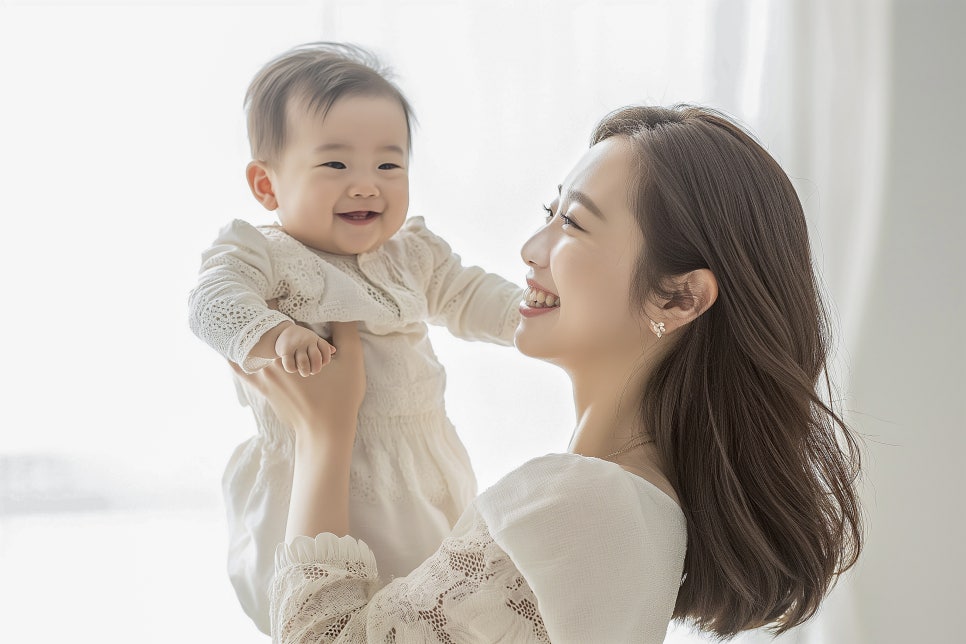
After experiencing childbirth and breastfeeding, people often hear comments like, "My breasts seem smaller than before" or "They feel less firm and like they’ve lost volume."
During pregnancy, breasts enlarge due to hormonal influences, but after breastfeeding ends, they often feel as though their volume has decreased compared to before. This change is a natural process, but it is important to understand the possibility of recovery accurately.
Why breast volume decreases after childbirth

Breasts are made up of glandular tissue and fatty tissue. During pregnancy and breastfeeding, the glandular tissue develops and the breasts temporarily increase in size.
However, when breastfeeding ends,
During this process, the breasts may feel as though they have lost volume compared to before. This is less of a pathological change and more of a physiological restructuring.
Main factors that determine whether recovery is possible 1. Changes in weight and body fat

Whether there was a rapid loss of weight after childbirth is an important variable.
In these cases, volume loss may become more noticeable because the fatty tissue does not recover sufficiently.
On the other hand, if weight remains stable, some cases show a degree of natural recovery.
Main factors that determine whether recovery is possible 2. Skin elasticity and tissue condition

Breast volume is influenced not only by size itself but also by the supporting structure.
How well these factors are maintained affects how much recovery is felt. If there was rapid expansion during pregnancy, sagging may accompany the contraction process afterward.
Main factors that determine whether recovery is possible 3. Breastfeeding duration and individual differences
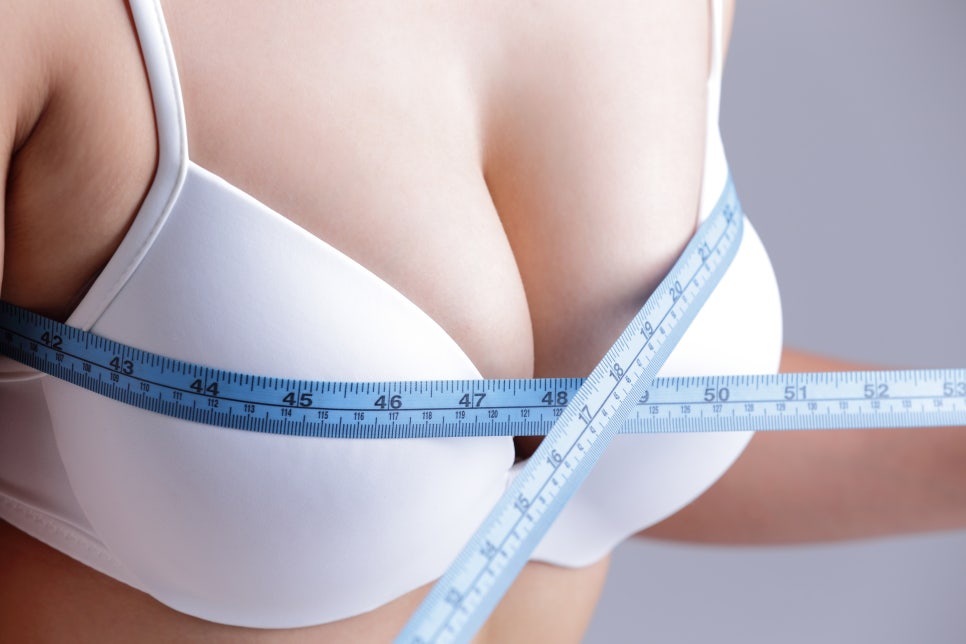
A longer breastfeeding period does not necessarily mean a greater decrease. However, outcomes vary because each person differs in the degree of glandular development and the ability of fat to recover.
Even with the same childbirth experience, one person may see little change while another feels a noticeable decrease, and this is why.
Main factors that determine whether recovery is possible 4. Thoracic structure and upper body muscle balance

In some cases where the breasts feel smaller after childbirth, the effect of a changed position and weakened support is greater than the actual change in size.
During pregnancy and childcare,
-
rounded shoulders from breastfeeding posture
-
prolonged holding of the baby
-
weakening of the back muscles
occur repeatedly, and the ribcage may round inward, making the breasts look flatter.
In particular, when upper body muscle balance is disrupted, the breasts may appear to point downward or spread outward, making the volume loss feel greater than it actually is. In this case, it is more appropriate to consider posture and muscle balance correction together rather than treating it as a simple fat issue.
Main factors that determine whether recovery is possible 5. Sleep, nutrition, and the recovery environment
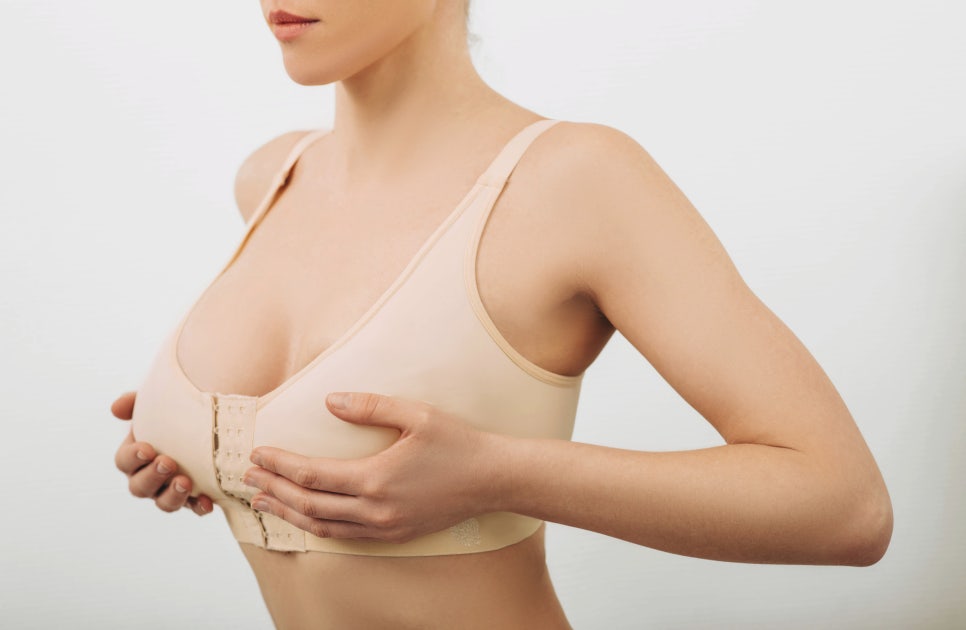
After childbirth, sleep deprivation and irregular meals are common. The recovery environment during this period is more important than people often think.
-
insufficient protein intake
-
attempts at extreme weight loss
-
ongoing sleep deprivation
If these conditions continue, skin elasticity may decline and tissue recovery may be delayed. In particular, rapid dieting often reduces breast fat first, which can make volume loss stand out even more. For a certain period after childbirth, it is more realistic to focus on "stabilization" rather than "loss" in terms of structural recovery.
How far is natural recovery possible?
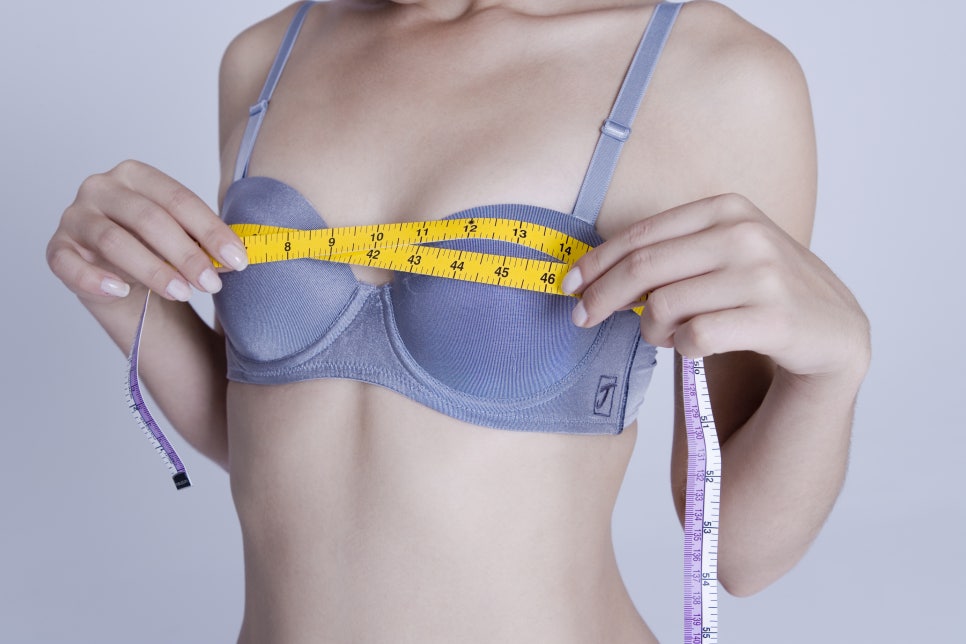
For about 6 months to 1 year after breastfeeding ends, hormones stabilize and the body shape is reorganized. During this period, it may be possible to improve body shape to a certain extent by maintaining a balanced diet without abrupt changes in weight, using the upper body muscles, and correcting posture. However, the glandular tissue itself does not completely return to its previous state. Recovery is closer to "stabilizing within current conditions" than becoming identical to before pregnancy.
A realistic perspective on volume loss
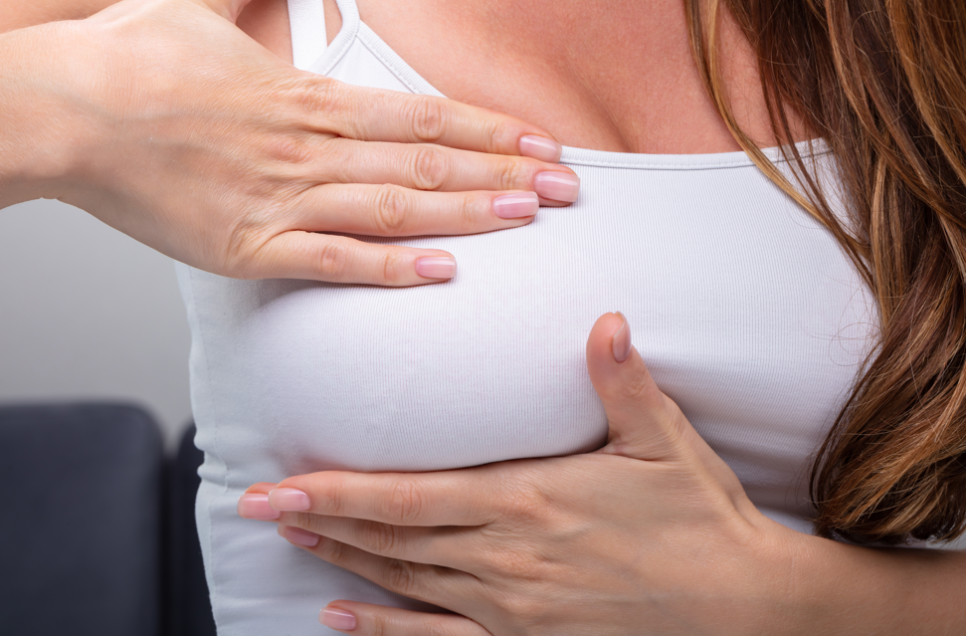
Breast changes after childbirth are structural changes that go through a physiological process, different from aging. The important thing is not "Why did it decrease?" but "What is the current condition exactly?"
The direction of care may also differ depending on this distinction.
Postpartum breast volume loss is a natural change. The possibility of recovery depends on each individual's body fat status, skin elasticity, and the process of hormonal stabilization. Not all changes are permanent, but not every case returns completely to the previous state either. Therefore, rather than comparing, it is preferable to understand the current condition of the body and establish a management plan within a realistic range.