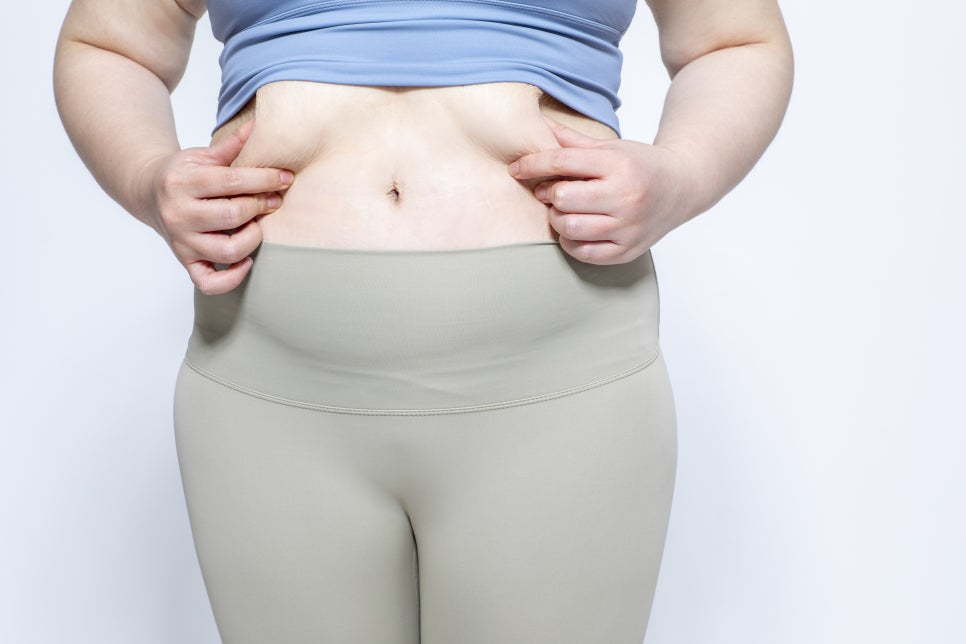
Many people worry that although their weight has decreased, only the belly remains, or that even with consistent exercise, the abdominal line does not become more defined. Since the abdomen is especially the first area people notice when looking in the mirror, even small changes can have a big effect on satisfaction. However, not all belly fat has the same cause, and management methods should differ depending on the type. In some cases, improvement is not achieved through diet and exercise alone.

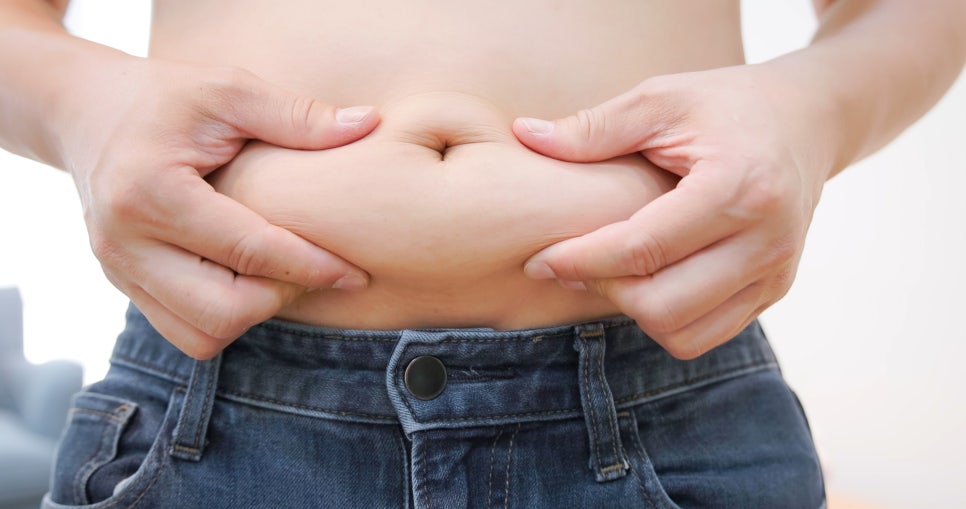
The soft fat that can be pinched with your hand on the abdomen is mainly 'subcutaneous fat.' It builds up due to overeating, lack of exercise, and poor eating habits, and is a relatively common type. When body fat percentage decreases, it can reduce to some extent, but it often remains locally in certain areas. It is especially common for it to concentrate in the lower abdomen after childbirth. Locally remaining subcutaneous fat may have limits when it comes to dieting alone.

If the belly protrudes firmly and is not easy to pinch with your hand, the cause may be 'visceral fat.' Visceral fat accumulates around internal organs and is closely related to metabolic diseases. In this case, weight loss and lifestyle improvement come first, and health management is more important than a purely aesthetic approach. Visceral fat is a health concern first and foremost. It should be approached after an accurate evaluation.
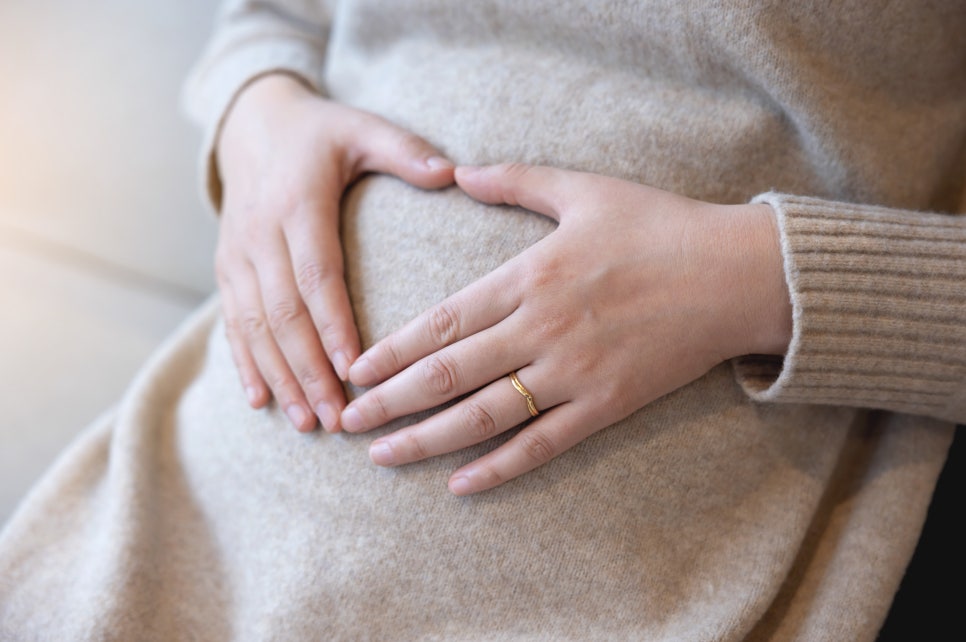
If you have experienced childbirth, the 'abdominal skin and fascia may have stretched and lost elasticity.' Even when weight is reduced, the skin often does not shrink back, leaving looseness behind. In such cases, even if there is not much fat, the abdominal line can look uneven. If rectus diastasis, where the rectus abdominis muscles separate, is also present, the belly may appear to protrude further forward. Skin sagging and muscle relaxation are difficult to fully restore with exercise alone.
If weight is lost in a short period, the skin elasticity may not keep up, leaving looseness behind. In addition, repeated yo-yo dieting further reduces skin elasticity. In such cases, simply reducing fat has limits when it comes to improving abdominal contour. To determine the right direction for improvement, the condition of the fat, skin, and muscles must all be considered together.
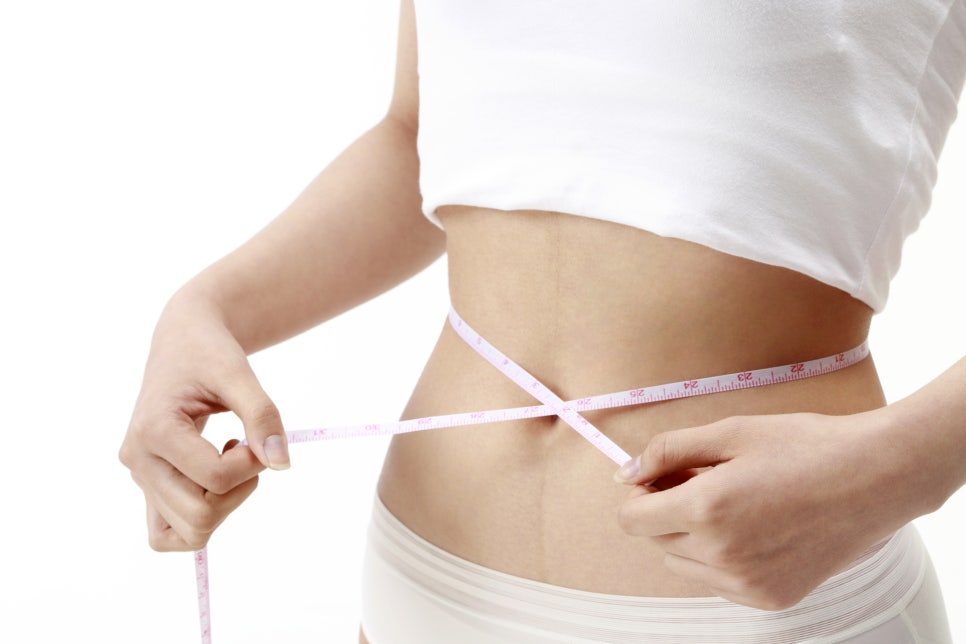
If the abdominal line does not improve despite sufficient diet control and exercise, abdominoplasty can be considered as one option.
Abdominoplasty is a procedure that not only removes excess fat but also excises sagging skin and, when necessary, corrects separated rectus abdominis muscles to reshape the abdominal contour. Satisfaction is especially high in cases of severe post-pregnancy abdominal sagging. Abdominoplasty is a procedure that simultaneously considers fat removal, skin excision, and muscle correction.
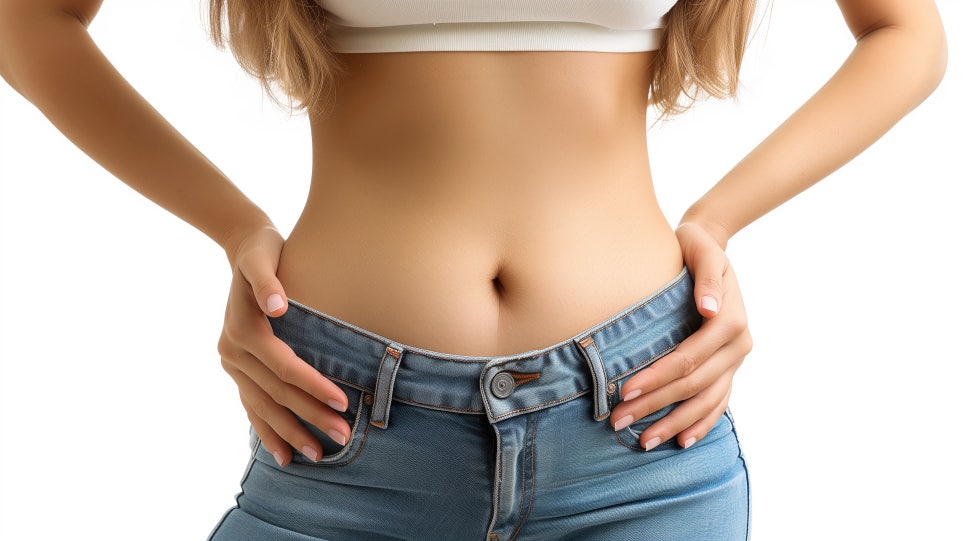
Abdominoplasty can be divided into a full abdominoplasty, which improves the entire abdomen, and a partial abdominoplasty, which focuses mainly on the lower abdomen. A plan is made by comprehensively considering the amount of fat, the degree of skin sagging, and the location of scars. In some cases, liposuction is performed at the same time. After surgery, recovery management is needed for a certain period, and maintaining body shape and lifestyle habits is important. An accurate diagnosis and sufficient consultation determine surgical satisfaction.
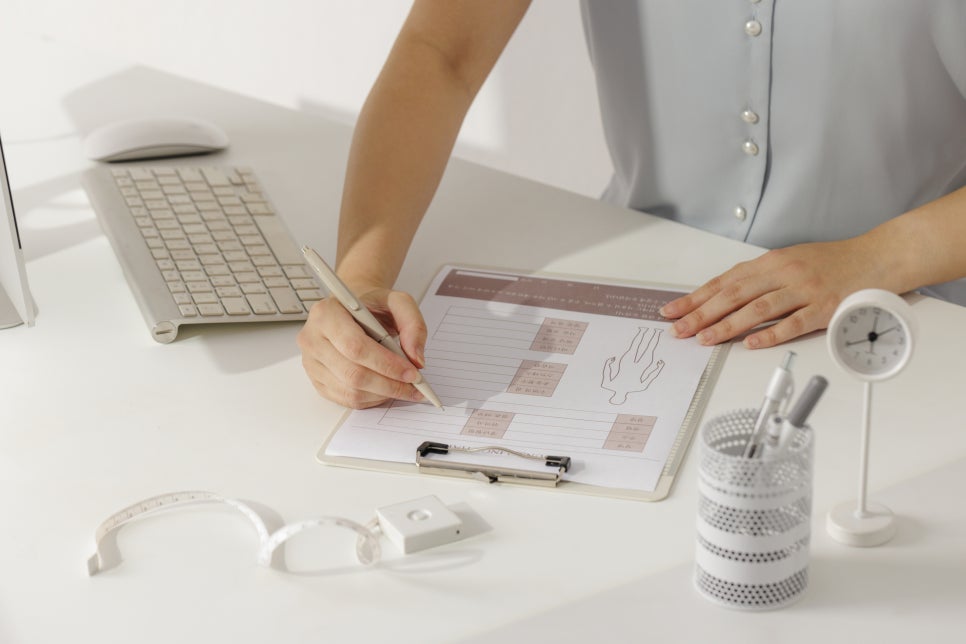
Because abdominoplasty is a relatively extensive procedure, it should be decided only after fully understanding the individual's health condition, recovery period, and scar location. It is suitable when the goal is not simple weight loss, but resolving structural issues. In addition, healthy lifestyle habits must be maintained after surgery for the results to last. Surgery should be approached carefully as a last resort.
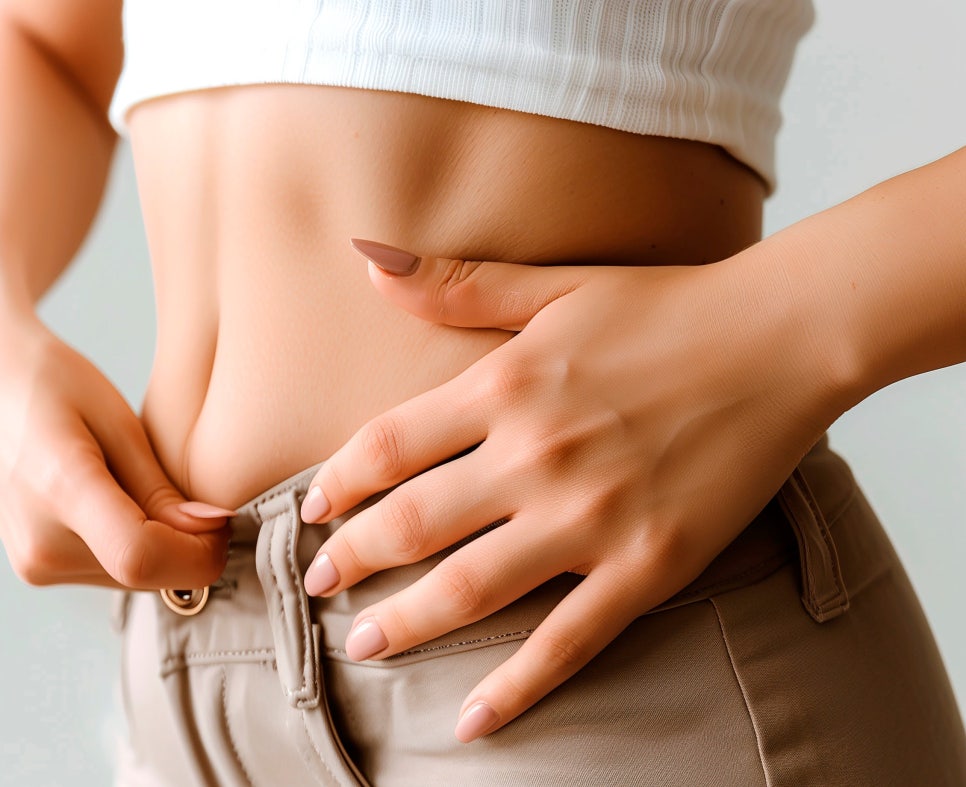
Belly fat cannot be explained simply as a weight problem; the causes differ depending on the type of fat, skin elasticity, and muscle condition. If only the abdomen fails to improve even after dieting, it is important to accurately identify your abdominal type. In particular, if skin sagging or muscle relaxation is present, a structural approach may be necessary.
The most important thing is to accurately diagnose the underlying cause of the abdominal line. We hope you will choose the appropriate method for your individual condition and achieve a more balanced body shape.